

Temnothorax morongo
- Scientific Name
- Temnothorax morongo
- Tribe
- Crematogastrini
- Subfamily
- Myrmicinae
- Author
- Snelling <i>et al.</i>, 2014
- Distribution
- Found in 2 countries
Temnothorax morongo Overview
Temnothorax morongo is an ant species of the genus Temnothorax. It is primarily documented in 2 countries , including Mexico, United States of America. Detailed taxonomic data and occurrence records can be further explored via authoritative databases such as AntWeb or the Global Biodiversity Information Facility (GBIF).
Temnothorax morongo
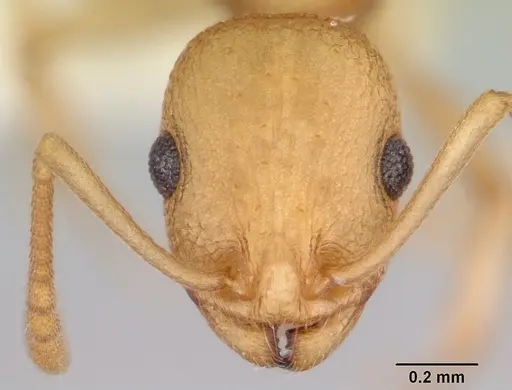
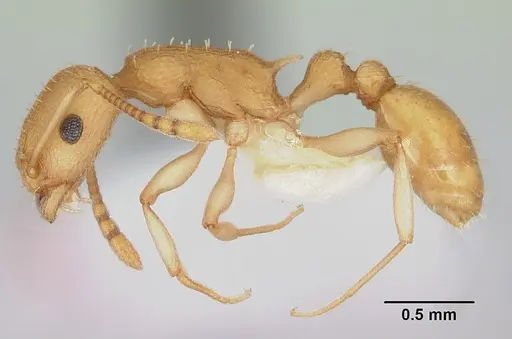
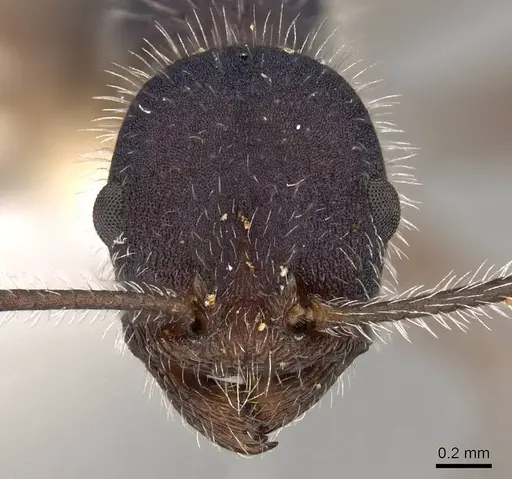
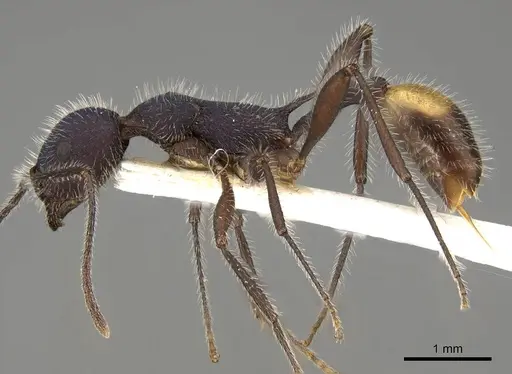
Temnothorax morongo is a small ant species native to the desert regions of southern California and Baja California, Mexico. Workers measure approximately 4-6mm in total length, with a slender build and distinctive yellowish-orange to light orange coloration [1]. The species belongs to the sallei-clade within the genus Temnothorax and is characterized by long propodeal spines, a wide postpetiole, and finely reticulate sculpture on the gaster [1][2]. All known specimens have been collected from pitfall traps, indicating this is a ground-nesting species native to the Sonoran desert and Joshua Tree National Park areas [2]. The species was only recently described in 2014,named after the Morongo band of the Cahuilla people who historically inhabited this region.
Quick Summary
- Difficulty: Medium
- Origin & Habitat: Native to the Sonoran desert and Joshua Tree National Park in southern California, extending into Baja California, Mexico. Found in desert habitats at elevations around 28.98° latitude [2].
- Colony Type: Unconfirmed colony structure. As a member of the sallei-clade within Temnothorax, related species typically form small single-queen colonies, but specific data for T. morongo is lacking.
- Size & Growth:
- Queen: Not documented, only worker caste known [3]
- Worker: 4-6mm total length estimated from measurements: HL 0.659-0.87mm, HW 0.537-0.718mm, WL 0.816-1.050mm [1]
- Colony: Unknown, likely small like other Temnothorax species (typically under 500 workers)
- Growth: Moderate, based on typical Temnothorax development patterns
- Development: Estimated 6-10 weeks based on related Temnothorax species (Development time inferred from genus-level data since species-specific timing has not been studied)
- Antkeeping:
- Temperature: Keep at room temperature around 20-24°C. Desert origin suggests tolerance for warmer conditions, but avoid overheating
- Humidity: Low to moderate, desert species prefers drier conditions. Keep nest substrate slightly moist but allow drying periods between waterings
- Diapause: Likely, most temperate desert ants require a winter rest period. Provide 2-3 months at 10-15°C during winter months
- Nesting: Ground-nesting species. In captivity, a Y-tong (AAC) nest or plaster formicarium works well. Provide sand or soil substrate that can hold slight moisture while drying out between waterings [2]
- Behavior: Active foragers that likely search for small prey and honeydew. As a small Temnothorax, they are not aggressive and pose no danger to keepers. Escape prevention is important due to their small size, use fine mesh barriers and tight-fitting lids. They are likely to be peaceful colony members that establish small, manageable populations.
- Common Issues: small size makes escape prevention critical, use fine mesh barriers, limited data on captive care means you may need to experiment with conditions, desert species is sensitive to excess humidity, avoid waterlogging the nest, winter diapause is likely required but timing may need adjustment based on colony behavior, only worker caste known, queen and colony founding behavior unconfirmed
Housing and Nest Setup
Temnothorax morongo is a ground-nesting species that prefers dry to moderately moist conditions. In captivity, a Y-tong (AAC) nest works well for small colonies, providing the chambers are appropriately scaled to their tiny size. Alternatively, a plaster or acrylic formicarium with a sand-filled chamber allows you to maintain the slight moisture they need while observing their behavior. Because they are small, ensure your formicarium has tight-fitting lids and consider using fine mesh on any air vents. A small outworld for foraging completes the setup, connected by tubing long enough to prevent escape attempts. These ants do not need large spaces, a modest setup suits them better than oversized enclosures where they may become difficult to locate [2].
Feeding and Diet
Like other Temnothorax species, T. morongo likely accepts a varied diet of small insects, honeydew, and sugar sources. Offer small live prey such as fruit flies, pinhead crickets, or small mealworms. Sugar water, honey diluted with water, or commercial ant nectar can be provided as a constant carbohydrate source. Feed protein-rich prey 2-3 times per week, and replace sugar sources every few days. Because they are small, portion sizes should be tiny, a single small insect or a drop of sugar water goes far with these petite ants. Remove any uneaten prey after 24 hours to prevent mold issues in the nest area.
Temperature and Seasonal Care
Keep your colony at room temperature, ideally between 20-24°C. As a desert species from southern California and Baja California, they can tolerate warmer conditions but should be protected from direct heat sources that could dry out their nest too quickly. During winter months, provide a diapause period of 2-3 months at 10-15°C to simulate their natural seasonal cycle. This typically means moving the colony to an unheated garage or basement during late fall through early spring. Monitor colony activity during this period, they should slow down significantly but not become completely inactive. Resume normal temperatures gradually in spring to trigger renewed brood production.
Behavior and Observation
Temnothorax morongo is a peaceful, non-aggressive species that makes for an interesting observation subject. Workers are active foragers that will search the outworld for food, making feeding times engaging to watch. As a recently described species (2014), there is limited captive observation data available, so you may be among the first to document their behavior in captivity. They are likely to show the typical Temnothorax behaviors of forming small, tight-knit colonies and using tandem running to recruit nestmates to food sources. Their small size means they can squeeze through tiny gaps, excellent escape prevention is essential. Handle any gaps larger than 0.5mm with fine mesh or appropriate barriers. [1]
Colony Establishment
Since only the worker caste has been documented for this species, wild colony founding has not been observed. Based on typical Temnothorax patterns, founding queens likely seal themselves in a small chamber and raise their first workers alone on stored fat reserves (claustral founding). If you obtain a founding queen, provide a small test tube setup with a water reservoir and keep her in a quiet, dark location at around 20-22°C. Do not disturb her during the founding period, this typically takes 4-8 weeks before the first workers (nanitics) emerge. Once workers appear, you can begin offering tiny amounts of food and gradually introduce them to a proper nest setup.
Frequently Asked Questions
How long does it take for Temnothorax morongo to produce first workers?
Based on typical Temnothorax development, expect 6-10 weeks from egg to first worker at optimal temperatures around 20-24°C. This is an estimate since species-specific development timing has not been studied.
What size colony does Temnothorax morongo reach?
Colony size is unconfirmed for this species, but related Temnothorax species typically reach 100-500 workers. Given their small size and desert habitat, expect moderate-sized colonies rather than massive supercolonies.
Do Temnothorax morongo ants sting?
Temnothorax ants have a functional stinger but are not aggressive and rarely sting. Their small size and mild venom make them essentially harmless to keepers.
Can I keep multiple queens together?
Colony structure is unconfirmed for this species. Based on typical Temnothorax patterns, they likely form single-queen colonies. Combining unrelated queens is not recommended without evidence they can coexist.
What temperature is best for Temnothorax morongo?
Keep them at 20-24°C room temperature. As a desert species from southern California, they can tolerate warmer conditions but avoid temperatures above 30°C or dry conditions from direct heat sources.
Do they need hibernation or diapause?
Yes, a winter diapause period is likely required. Provide 2-3 months at 10-15°C during fall and winter, mimicking their natural desert seasonal cycle.
What do Temnothorax morongo eat?
They likely accept small live prey (fruit flies, small crickets), sugar water, honey, and honeydew. Feed protein prey 2-3 times weekly with constant access to sugar sources.
Are Temnothorax morongo good for beginners?
This species is rated medium difficulty. While small and manageable, limited captive care data means you may need to experiment with conditions. Experienced antkeepers will have better success establishing the first captive colonies.
When should I move them to a formicarium?
Wait until the colony has at least 10-20 workers before moving to a formicarium. A test tube setup works well for founding colonies and early growth. Transfer to a proper nest when the colony becomes active and the test tube shows signs of fouling.
References

This caresheet is licensed under CC BY-SA 4.0 .
CASENT0103108
View on AntWeb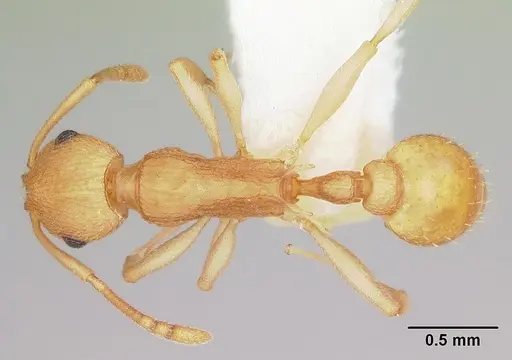
CASENT0914184
View on AntWeb
Literature
Loading...Loading products...