

Temnothorax monjauzei
- Scientific Name
- Temnothorax monjauzei
- Tribe
- Crematogastrini
- Subfamily
- Myrmicinae
- Author
- Cagniant, 1968
- Distribution
- Found in 1 countries
Temnothorax monjauzei Overview
Temnothorax monjauzei is an ant species of the genus Temnothorax. It is primarily documented in 1 countries , including Algeria. Detailed taxonomic data and occurrence records can be further explored via authoritative databases such as AntWeb or the Global Biodiversity Information Facility (GBIF).
Temnothorax monjauzei
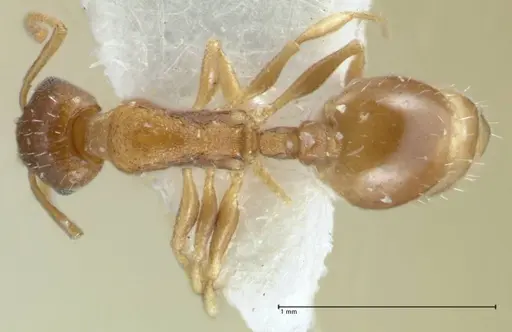
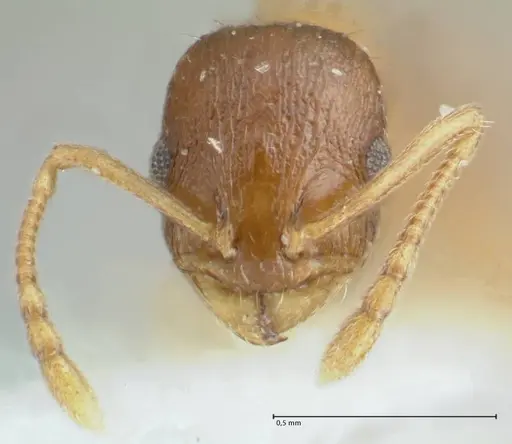
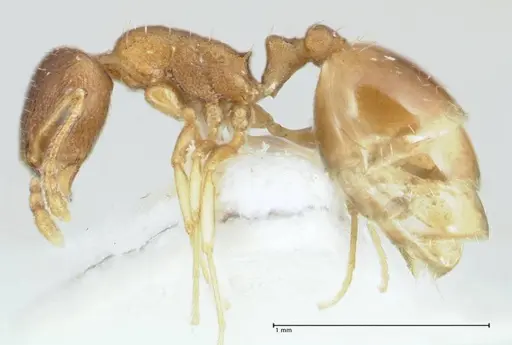
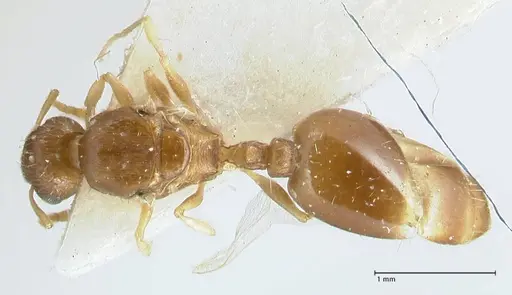
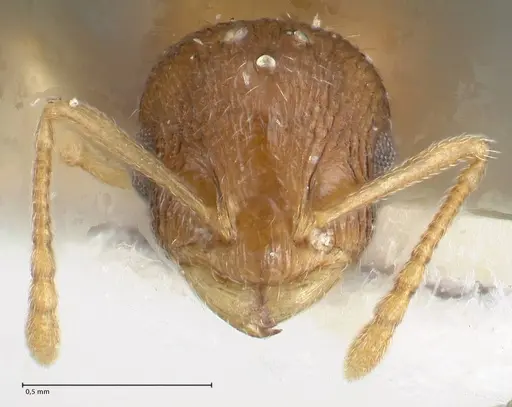
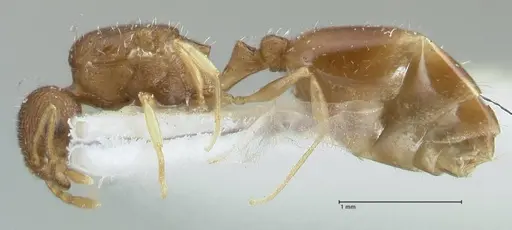
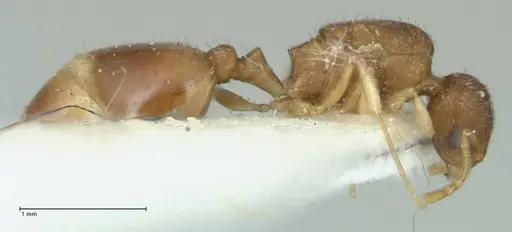
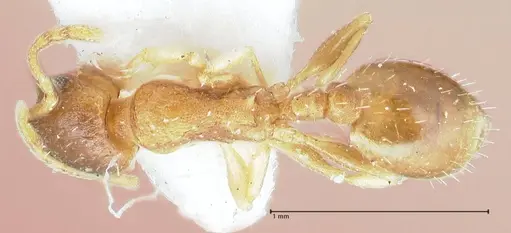
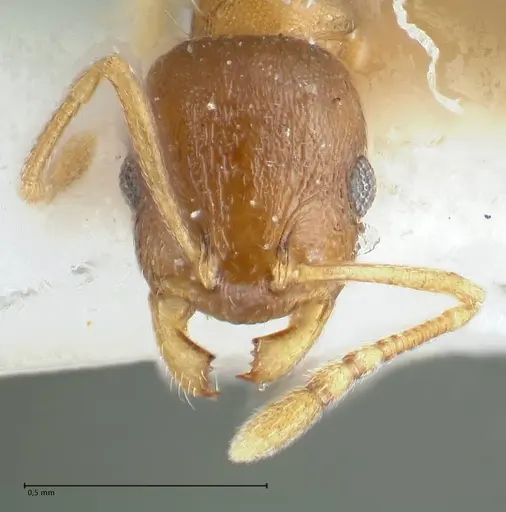
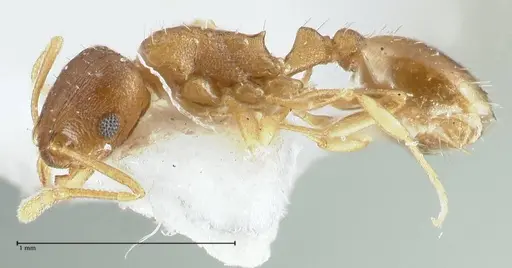
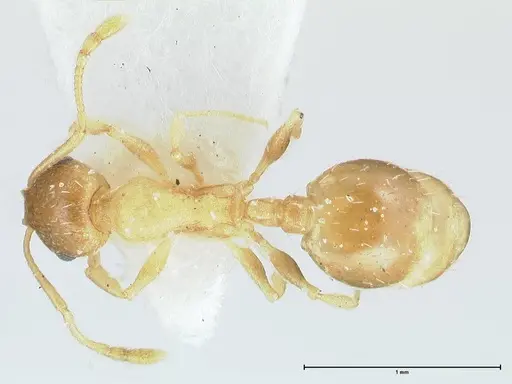
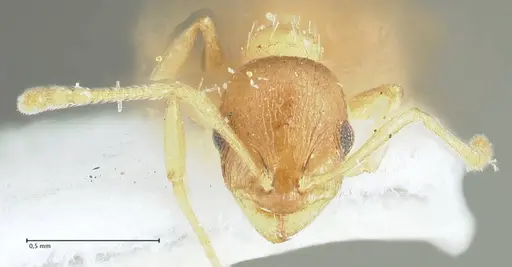
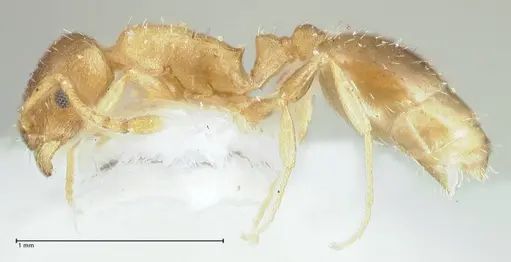
Temnothorax monjauzei is a small, slender ant native to Algeria in North Africa. Workers are tiny at just 2-4mm, with the queens being larger at around 5-7mm. They belong to the tebessae species group, which is a cluster of closely related ants found across the Mediterranean region [1][2]. These ants are pale to medium brown in color and have the typical elongated body shape of Temnothorax ants, a narrow waist and slightly raised rear abdomen. In the wild, they nest in small cavities, typically under stones or in rotting wood in forest habitats across Algeria's mountainous regions.
This species is part of a group of ants that have been studied for their reproductive behaviors. Research suggests they are morning swarmer species, meaning their nuptial flights occur in the early hours of the day [3]. Like other Temnothorax, they form small colonies with a single queen and are known for their relatively peaceful temperament. Their small size makes them less aggressive than many other ants, though they will defend their nest if threatened.
Quick Summary
- Difficulty: Easy
- Origin & Habitat: Algeria in North Africa, found in forest habitats in the Palaearctic region. They live in mountainous areas with mild temperatures and moderate humidity, typically nesting under stones or in small cavities within rotting wood.
- Colony Type: Likely monogyne (single queen colonies) based on typical Temnothorax patterns. Colonies remain relatively small, typically under 500 workers.
- Colony: Monogyne
- Founding: Claustral
- Size & Growth:
- Queen: Approximately 5-7mm, estimated from typical Temnothorax queen size range
- Worker: 2-4mm based on species description
- Colony: Likely up to several hundred workers, typical for the genus
- Growth: Moderate, Temnothorax species generally develop at a moderate pace
- Development: Estimated 6-10 weeks based on typical Temnothorax development at room temperature (Development time is inferred from related species in the genus, specific timing for this species has not been directly studied)
- Antkeeping:
- Temperature: Keep at room temperature, roughly 20-24°C. They come from Algeria's moderate climate and do well in typical indoor conditions. A slight temperature gradient is beneficial but not required.
- Humidity: Moderate humidity around 50-60%. These forest-dwelling ants prefer conditions that aren't too dry or too wet. A small water tube connected to the nest provides adequate moisture.
- Diapause: Likely required, most Mediterranean Temnothorax species benefit from a mild winter rest period of 2-3 months at around 10-15°C. This mimics their natural seasonal cycle.
- Nesting: Small nests work best for these tiny ants. Y-tong (AAC) nests with narrow chambers, small test tube setups, or naturalistic setups with small stones and rotting wood all work well. They prefer tight-fitting cavities.
- Behavior: Peaceful and non-aggressive by nature. Workers are small and rarely sting, they prefer to flee or hide when disturbed. They are foragers that search for small prey and honeydew. Because of their tiny size, escape prevention is critical, they can squeeze through remarkably small gaps. They are not destructive to plants or structures.
- Common Issues: escape prevention is critical due to their very small size, use fine mesh barriers and tight-fitting lids, colonies grow slowly which can frustrate beginners, patience is key, test tube setups can flood if water reservoirs are overfilled, they may decline sugar water if not hungry, offer protein prey regularly, winter die-offs can occur if diapause conditions aren't provided
Housing and Nest Setup
Temnothorax monjauzei is a tiny ant that needs appropriately scaled housing. A small test tube setup works wonderfully for founding colonies, simply fill a test tube one-third with water, stuff a cotton ball as a barrier, and place the queen in the tube. For established colonies, Y-tong (AAC) nests with narrow chambers are ideal because they mimic the small cavities these ants naturally nest in. Naturalistic setups also work well: use a shallow container with a layer of soil or sand, add small flat stones and pieces of rotting wood, and maintain light misting. The key is providing tight spaces, these ants feel secure in cramped quarters. Avoid large, open formicaria that feel exposed to them [4].
Feeding and Diet
Like most Temnothorax, this species is omnivorous with a preference for protein. In captivity, they readily accept small live prey like fruit flies, pinhead crickets, and tiny insects. Offer protein roughly twice per week, a small prey item every 2-3 days is sufficient for a growing colony. They also consume honeydew and nectar in the wild, so occasional sugar water or honey droplets are appreciated, though protein remains the primary food. Remove any uneaten prey after 24 hours to prevent mold. A constant supply of fresh water is essential, a small water tube or damp cotton ball works fine [4].
Temperature and Seasonal Care
These ants come from Algeria's Mediterranean climate, which means they prefer moderate temperatures around 20-24°C. Room temperature is usually perfect, they don't need heating unless your home is particularly cold. During summer months, they are active and growing, in winter, they benefit from a mild diapause. Provide a winter rest period of 2-3 months at temperatures around 10-15°C, such as in an unheated garage or basement. This rest period helps synchronize their biological clock and promotes healthy colony development in spring. Do not attempt to keep them active year-round without this rest [4].
Colony Development and Growth
A newly mated queen will seal herself into a small chamber and lay her first eggs without leaving to forage, this is called claustral founding. She uses stored fat reserves to survive until her first workers emerge, typically called nanitics. These first workers are smaller than normal workers but will begin foraging to feed the growing colony. Growth is gradual: expect 4-8 workers in the first few months, then steady increases through the first year. A mature colony may reach several hundred workers over 2-3 years. The key to successful founding is leaving the queen alone in darkness, do not disturb the founding chamber for at least 4-6 weeks [4].
Behavior and Temperament
Temnothorax monjauzei is one of the more peaceful ant species you can keep. Workers are tiny, timid, and far more likely to hide than to engage in aggression. They do not have a painful sting, at most, they might give a tiny bite. Colonies are not territorial in an aggressive sense, they focus on foraging and brood care. Workers forage individually rather than in massive raiding parties, searching for small insects and honeydew. One important note: because of their minute size, they are exceptional escape artists. Standard barrier methods may not work, use fluon on container rims and ensure all ventilation holes have fine mesh screens [4].
Frequently Asked Questions
How long does it take for Temnothorax monjauzei to raise first workers?
From egg to first worker typically takes 6-10 weeks, depending on temperature. Warmer conditions (around 22-24°C) speed development, while cooler temperatures slow it down. The queen will lay eggs shortly after founding and should produce her first nanitic workers within 6-8 weeks under ideal conditions [4].
Can I keep multiple Temnothorax monjauzei queens together?
This species appears to be monogyne, meaning single-queen colonies are the norm. While some Temnothorax can be facultatively polygyne, there is no evidence that T. monjauzei tolerates multiple queens. It is best to establish one queen per colony. If you have multiple foundresses, house them separately to avoid fatal conflicts [4].
Do Temnothorax monjauzei ants sting?
No, these ants are not capable of a painful sting. Their small size means their mandibles are the primary defense, and they are far more likely to flee than to bite. They are completely safe to handle, though minimal disturbance is always best for colony health [4].
What size colony does Temnothorax monjauzei reach?
Colonies remain relatively small compared to many common ant species. Expect a mature colony to reach several hundred workers, typically within 2-3 years. They are not among the large colony species, their appeal lies in their interesting behaviors and manageable colony size [4].
Do Temnothorax monjauzei need hibernation?
Yes, a mild winter rest is recommended. Provide 2-3 months at temperatures around 10-15°C during winter months. This mimics their natural Mediterranean seasonal cycle and helps the colony remain healthy. Simply moving them to a cooler location like an unheated garage or basement for winter is sufficient [4].
What do Temnothorax monjauzei eat?
Their diet consists primarily of small live prey (fruit flies, tiny crickets, aphids) offered 2-3 times per week. They also occasionally accept sugar sources like honey water or sugar water. Protein is essential for brood development, so prioritize small prey items over sugar [4].
Are Temnothorax monjauzei good for beginners?
Yes, they are excellent for beginners. They are small, peaceful, do not sting, and have modest care requirements. They tolerate typical room temperature and don't need elaborate setups. The main challenges are escape prevention due to their tiny size and the slow growth rate which requires patience [4].
When should I move my colony to a formicarium?
Wait until the colony has at least 20-30 workers before moving to a larger setup. Test tubes work well for colonies up to this size. When moving, connect the test tube to the formicarium and let the ants explore at their own pace, forcing a move can cause stress and abandonment of brood [4].
Why are my Temnothorax monjauzei dying?
Common causes include: too much moisture causing drowning, disturbance during founding stage, inadequate protein leading to starvation, escape from the setup, or improper diapause. Check that the water tube isn't flooding, that the queen was not disturbed during claustral founding, and that protein prey is being offered regularly [4].
References

This caresheet is licensed under CC BY-SA 4.0 .
Literature
Loading...Loading products...