

Temnothorax microreticulatus
- Scientific Name
- Temnothorax microreticulatus
- Tribe
- Crematogastrini
- Subfamily
- Myrmicinae
- Author
- Bharti <i>et al.</i>, 2012
- Distribution
- Found in 1 countries
Temnothorax microreticulatus Overview
Temnothorax microreticulatus is an ant species of the genus Temnothorax. It is primarily documented in 1 countries , including India. Detailed taxonomic data and occurrence records can be further explored via authoritative databases such as AntWeb or the Global Biodiversity Information Facility (GBIF).
Temnothorax microreticulatus
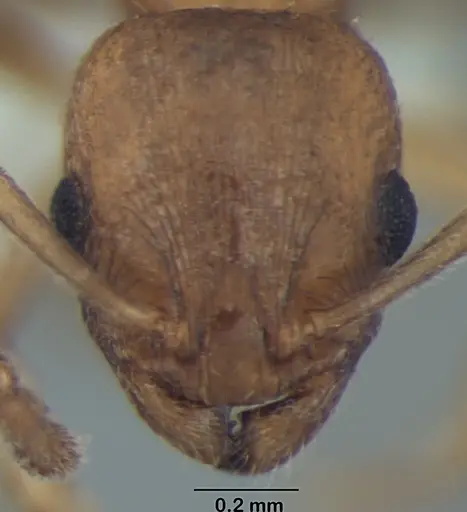
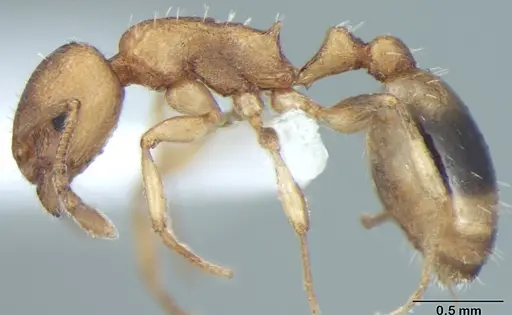
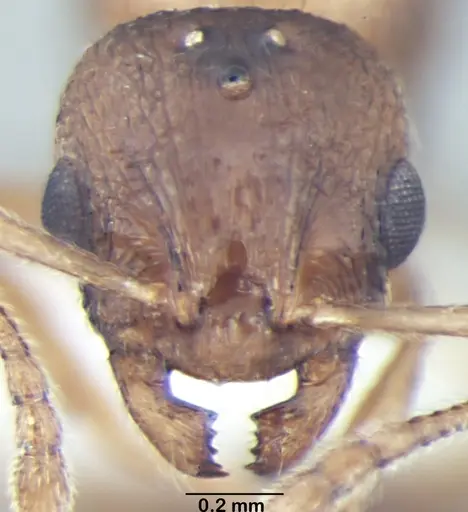
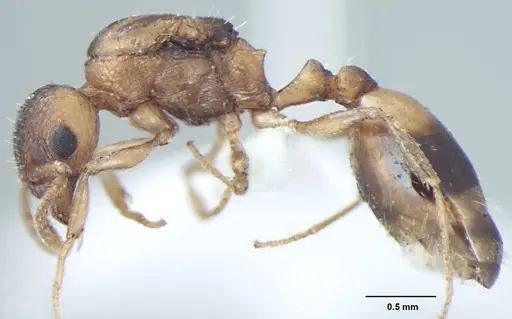
Temnothorax microreticulatus is a tiny ant species native to the Himalayas, found in northern India (Himachal Pradesh) and Pakistan at elevations between 1700-2100 meters [1][2]. Workers measure just 2.8-3.4mm, making them one of the smaller ant species you'll encounter, their small size means they can easily slip through standard test tube setups if you're not careful [1]. The species gets its name from the distinctive microreticulate (fine net-like) sculpture covering its head and mesosoma, visible under magnification [1]. Their body is light to dark yellow with a reddish tinge, except for a brown patch on the middle of the gaster (abdomen), which helps distinguish them from similar species like T. nordmeyeri that lack this marking [1][2].
This species inhabits cool, moist forested areas in the Himalayas, they've been collected from dense pine forests beside rivers and from grassy hill slopes, nesting just a few inches deep in soil or under stones [1][3]. Their high-altitude origin means they likely prefer cooler temperatures than many common ant species, making them a somewhat specialized species to keep.
Quick Summary
- Difficulty: Medium
- Origin & Habitat: Himalayan region of northern India (Himachal Pradesh) and Pakistan, at elevations 1700-2100m. Found in moist pine forests beside rivers and on grassy hill slopes, nesting in soil and under stones [1][3].
- Colony Type: Likely single-queen colonies (monogyne), following typical Temnothorax patterns, though this specific colony structure has not been documented
- Size & Growth:
- Queen: 3.82 mm [1]
- Worker: 2.8-3.4 mm [1]
- Colony: Unknown, likely under 500 workers based on typical small Temnothorax colony sizes
- Growth: Moderate, based on typical Temnothorax development patterns
- Development: Estimated 6-10 weeks at optimal temperature, based on genus-level data for similar small Myrmicinae (Development time is inferred from related Himalayan Temnothorax species, specific data for this species is not available)
- Antkeeping:
- Temperature: Cool conditions preferred, aim for 18-22°C given their high-altitude Himalayan origin. They likely tolerate temperatures from 15-25°C. Avoid overheating
- Humidity: Keep substrate moderately moist, mimicking damp forest floor conditions. Provide a water tube as their primary moisture source. They tolerate higher humidity better than dry conditions
- Diapause: Yes, Himalayan species require a winter rest period. Provide 2-3 months at 5-10°C during winter months
- Nesting: Use small, tight-fitting nests, test tubes work well for founding colonies. They naturally nest in soil a few inches deep and under stones, so a small acrylic or Y-tong nest with narrow chambers scaled to their tiny 3mm size is appropriate [1][3]
- Behavior: These ants are small and generally peaceful. Workers are slow-moving and not aggressive, they rely on their small size to navigate through leaf litter and soil rather than confrontation. They are not known to sting aggressively, though Myrmicinae have functional stingers. Escape prevention is critical due to their tiny 3mm size, they can squeeze through remarkably small gaps. Foragers are subtle and may not venture far from the nest.
- Common Issues: escape prevention is critical, their tiny 3mm size means they can slip through standard barriers designed for larger ants, high-altitude origin means they need cooler temperatures, overheating is a serious risk in warm rooms, winter diapause is essential, keeping them active year-round may weaken the colony, slow colony growth can test beginner patience, don't overfeed or disturb the colony frequently, wild-caught colonies may have parasites or diseases that cause colony failure in captivity
Housing and Nest Setup
Because these ants are tiny (workers only 2.8-3.4mm), standard test tube setups work well for founding colonies, but you'll need to pay extra attention to escape prevention [1]. Use cotton plugs that are firmly packed, and consider adding a thin layer of vaseline around the rim before inserting the plug. For established colonies, a small acrylic nest or Y-tong formicarium with chambers sized appropriately for 3mm ants works best, avoid large, open spaces that can make them feel insecure. They naturally nest in soil a few inches deep and under stones in the wild, so a naturalistic setup with a thin soil layer and flat stones on top can mimic their natural environment [1]. Keep the nest area dark or covered, these are not bold foragers and prefer dim conditions.
Temperature and Seasonal Care
Temnothorax microreticulatus comes from high elevations in the Himalayas (1700-2100m), so they prefer cooler temperatures than most ant species you might keep [1][3]. Aim to keep them between 18-22°C during the active season. Room temperature is often too warm, if your room stays above 24°C regularly, consider moving them to a cooler location or using a small thermoregulated setup. During winter, they require a diapause (hibernation) period of 2-3 months at temperatures between 5-10°C. This winter rest is essential for their health and likely triggers reproductive cycles. Place the colony in an unheated room, basement, or refrigerator (not freezer) during this period. Signs of needing diapause include workers becoming sluggish and clustering together in late autumn.
Feeding and Diet
Like most Temnothorax species, these ants are omnivorous and will accept a variety of foods. Offer small protein sources like fruit flies, pinhead crickets, or small mealworms, chop prey into pieces small enough for their tiny 3mm workers to handle. Sugar water, honey, or diluted jam can be offered as an energy source, though some colonies may ignore sweet foods initially. Feed small amounts 2-3 times per week, removing any uneaten prey after 24 hours to prevent mold. During founding, the queen will not eat, she relies entirely on stored fat reserves until her first workers (nanitics) emerge. Once workers are present, they will forage and accept food you provide.
Humidity and Water
These ants come from moist Himalayan forests, so they need higher humidity than typical household ants. Keep the test tube water section filled and the cotton consistently moist but not waterlogged. The humidity in the nest area should feel damp but not wet, you want to see occasional condensation, not standing water. A second water tube connected to the nest helps maintain stable humidity. If you use an acrylic formicarium, mist the nest area lightly and allow it to dry partially before re-misting. The substrate (if using a naturalistic setup) should feel damp to the touch. However, avoid constant saturation, some drier areas within the setup allow the ants to self-regulate their moisture needs. [1]
Colony Development
A newly mated queen will seal herself into a small chamber and lay eggs without foraging, this is claustral founding, typical for Temnothorax. She relies entirely on her stored fat reserves to survive and feed her first brood. The eggs hatch into larvae, then pupate, and finally emerge as nanitic (first) workers, tiny versions of the adult workers. This process typically takes 6-10 weeks under optimal conditions, though exact timing for this species is not documented. The first brood is usually smaller than subsequent workers. After workers emerge, the colony grows gradually, expect slow but steady growth over the first year. Mature colonies may reach a few hundred workers. Queens can live for several years, with documented lifespans of 10-15 years in some Temnothorax species.
Handling and Observation
These tiny ants are best observed through the walls of a test tube or acrylic nest rather than handled directly. They are not aggressive and will simply try to escape when disturbed. Their small size makes them difficult to see clearly without magnification, a magnifying glass or macro lens can reveal the beautiful microreticulate sculpture that gives them their name. When observing, avoid vibrations and sudden movements that can stress the colony. During feeding, watch how workers discover and recruit nestmates to food sources, this tandem-running behavior is common in Temnothorax and fascinating to observe. Remember that they prefer dim conditions, so bright light may cause them to retreat deeper into the nest. [1]
Frequently Asked Questions
How long does it take for Temnothorax microreticulatus to have first workers?
Expect first workers (nanitics) to emerge in 6-10 weeks after the queen lays eggs, assuming temperatures around 20°C. This is based on typical Temnothorax development timelines, specific data for this species is not available. The first workers are usually smaller than normal workers.
Do Temnothorax microreticulatus ants sting?
Yes, they likely can sting. Myrmicinae ants have functional stingers, though Temnothorax stings are not medically significant and these ants are not aggressive. The sting would feel like a mild pinprick at most.
What temperature do Temnothorax microreticulatus need?
Keep them cool, aim for 18-22°C. They come from high-altitude Himalayan regions and prefer temperatures lower than most common ant species. Room temperature above 24°C can be stressful for them.
How big do Temnothorax microreticulatus colonies get?
Colony size is not specifically documented, but based on their tiny 3mm worker size and typical genus patterns, colonies likely reach a few hundred workers at maturity. Growth is slow and steady over several years.
Can I keep multiple queens together?
Not recommended. While specific colony structure data is lacking for this species, Temnothorax species are typically single-queen (monogyne) colonies. Combining unrelated queens typically results in fighting. If you find multiple queens, house them separately.
Do Temnothorax microreticulatus need hibernation?
Yes, they require a winter diapause. As a Himalayan high-altitude species, provide 2-3 months at 5-10°C during winter. This is essential for their health and may trigger reproductive cycles. Keep them in an unheated room or refrigerator (not freezer) during this period.
What do Temnothorax microreticulatus eat?
They accept small protein sources like fruit flies, small crickets, and mealworms, plus sugar water or honey for energy. Offer small amounts 2-3 times per week. Remove uneaten prey after 24 hours to prevent mold.
Are Temnothorax microreticulatus good for beginners?
They are moderate difficulty, not the easiest but not the hardest. Their small size and escape risk make them slightly challenging, and they require cooler temperatures and winter diapause. If you're comfortable with basic ant keeping and can provide cooler conditions, they can be rewarding.
Why is my Temnothorax microreticulatus colony dying?
Common causes include: overheating (keep below 22°C), too dry conditions (maintain humidity), lack of winter diapause, mold from overfeeding, or stress from too much disturbance. Wild-caught colonies may also carry parasites. Check each of these factors and adjust accordingly.
When should I move my colony to a formicarium?
Wait until the colony has at least 20-30 workers before moving to a formicarium. Test tubes work well for founding colonies and smaller established colonies. Moving too early can stress the colony. They prefer small, tight spaces, don't give them a large formicarium.
References

This caresheet is licensed under CC BY-SA 4.0 .
ANTWEB1008017
View on AntWeb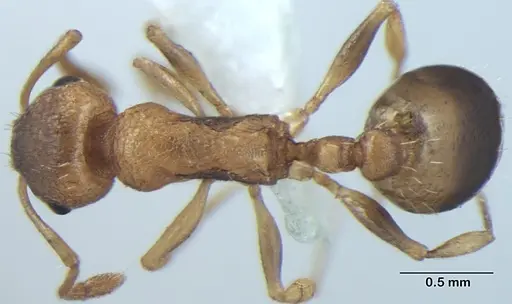
ANTWEB1008018
View on AntWeb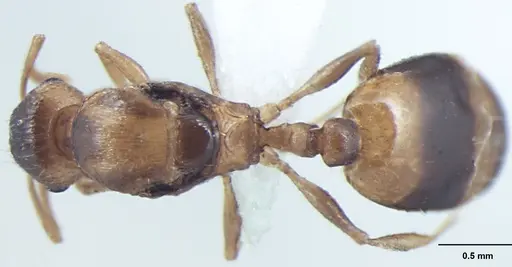
Literature
Loading...Loading products...