

Temnothorax marocanus
- Scientific Name
- Temnothorax marocanus
- Tribe
- Crematogastrini
- Subfamily
- Myrmicinae
- Author
- Santschi, 1909
- Distribution
- Found in 1 countries
Temnothorax marocanus Overview
Temnothorax marocanus is an ant species of the genus Temnothorax. It is primarily documented in 1 countries , including Morocco. Detailed taxonomic data and occurrence records can be further explored via authoritative databases such as AntWeb or the Global Biodiversity Information Facility (GBIF).
Temnothorax marocanus
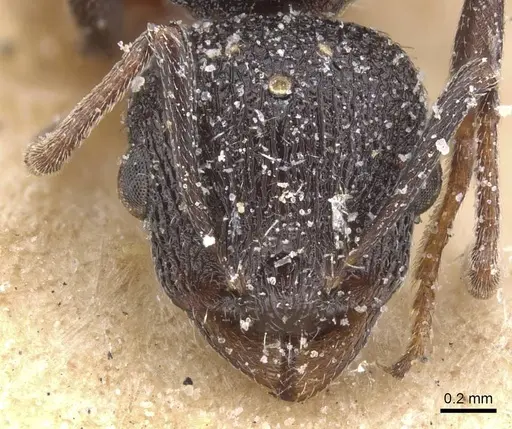
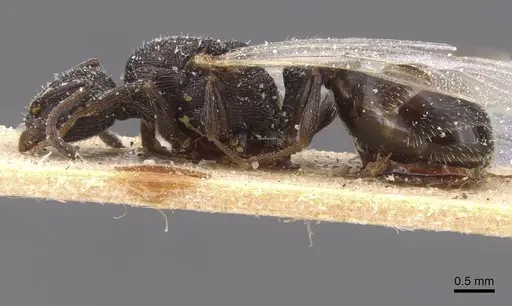
Temnothorax marocanus is a tiny ant species endemic to Morocco, measuring just 2-4mm in worker size. These small ants are part of the Myrmicinae subfamily and are known for their preference for nesting in small cavities under stones and in rocky habitats. Workers are typically reddish-brown to dark brown with a relatively smooth mesosoma. Queens are slightly larger and chunkier, adapted for claustral founding where they seal themselves in a chamber and raise their first workers alone on stored fat reserves [1].
This species is found across Morocco from Agadir to the western and central High Atlas mountains, making it adapted to warm, relatively dry conditions compared to its European relatives. As a desert/mountain species from North Africa, they are likely more heat-tolerant than typical European Temnothorax species. Their small size makes them excellent escape artists, so fine mesh barriers are essential [1][2].
Quick Summary
- Difficulty: Easy
- Origin & Habitat: Morocco, endemic species found from Agadir to western and central High Atlas mountains, typically in rocky habitats and under stones [1].
- Colony Type: Likely monogyne (single queen colonies) based on typical Temnothorax genus patterns. Founding is claustral, queen seals herself in and raises first workers alone.
- Colony: Monogyne
- Founding: Claustral
- Size & Growth:
- Queen: Estimated 4-5mm based on genus patterns
- Worker: 2-4mm [1]
- Colony: Likely several hundred workers at maturity based on typical genus size
- Growth: Moderate, typical for small Myrmicinae
- Development: Estimated 6-10 weeks at optimal temperature based on related species (Development time is inferred from genus-level data since species-specific studies are unavailable)
- Antkeeping:
- Temperature: Warm conditions preferred, aim for 22-27°C based on Moroccan origin. They likely tolerate higher temperatures than European species. A gentle gradient allows them to choose their preferred zone.
- Humidity: Moderate humidity around 50-60%. Provide a moist nesting area but allow部分 to dry out. Avoid both waterlogging and complete drying.
- Diapause: Likely requires a mild winter rest period (2-3 months at 10-15°C) based on temperate genus patterns, though being from Morocco they may need shorter/cooler diapause than northern species.
- Nesting: Prefers small cavities, Y-tong nests with narrow chambers work well. Can also use test tubes with a dark wrap. Provide options for humidity control. Small chambers scaled to their tiny size are ideal.
- Behavior: Generally peaceful and non-aggressive. Workers are active foragers but due to their tiny size, escape prevention is critical, they can squeeze through remarkably small gaps. Not a stinging species (Myrmicinae but Crematogastrini tribe lacks potent stingers). Workers may show mild alarm responses but rarely bite.
- Common Issues: escape prevention is critical due to tiny 2-4mm size, use fine mesh and tight-fitting lids, overheating risk, while they tolerate warmth, direct heat can quickly kill colonies, colonies may be slow to establish, beginners sometimes give up too soon, test tube flooding can drown founding queens, use appropriate water reservoir size
Housing and Nest Setup
Temnothorax marocanus does well in small-scale setups appropriate to its tiny size. Y-tong (AAC) nests with narrow chambers are ideal because they provide the dark, cavity-dwelling environment these ants prefer. Test tubes with a dark wrap also work well for founding colonies, the queen typically seals herself into a cotton ball chamber and stays there until her first workers emerge. Avoid large, open spaces in the formicarium, these ants feel safest in tight chambers scaled to their 2-4mm body size. A small outworld connected to the nest allows for foraging. Ensure all connections are narrow enough that workers can easily traverse them. [1][2]
Temperature and Heating
Being from Morocco, this species prefers warmer conditions than many other Temnothorax. Aim for 22-27°C in the nest area, this supports good brood development without risking overheating. Room temperature in most homes (20-24°C) is often acceptable, but you may want to provide a gentle warmth gradient using a heating cable on one side of the nest. If using heat, place the heating element on TOP of the nest rather than underneath to avoid evaporating water too quickly. Watch for workers clustering near or avoiding heat sources to fine-tune their preferred temperature. They are likely more heat-tolerant than European Temnothorax species but still avoid temperatures above 30°C. [1]
Feeding and Diet
Like most Temnothorax, these ants are omnivorous with a preference for protein. Offer small live prey appropriate to their tiny size, fruit flies, small pinhead crickets, and tiny mealworms work well. They will also accept sugar sources like honey water or sugar water, though protein is important for brood development. Feed small amounts that can be consumed within a day or two to avoid mold in the nest. A constant sugar source is recommended alongside periodic protein feedings (2-3 times per week for established colonies). Remove uneaten prey after 48 hours to maintain hygiene. [2]
Colony Development
A newly mated queen will seal herself into a small chamber and lay eggs without foraging, this is claustral founding. She relies entirely on her stored fat reserves to survive and feed her first brood. The first workers (nanitics) are typically smaller than mature workers and emerge 6-10 weeks after egg-laying, depending on temperature. After the nanitics mature, the colony grows gradually as the queen continues laying eggs. Expect moderate growth through the first year, with colonies potentially reaching several hundred workers over 2-3 years. Patience is key, small Myrmicinae colonies develop more slowly than larger species like Camponotus.
Winter Care and Diapause
While originating from Morocco's warmer climate, this species likely benefits from a mild winter rest period. Reduce temperatures to 10-15°C for 2-3 months during winter (roughly November-February in the Northern Hemisphere). Place the colony in a cool, dark location like an unheated garage or basement. Do not feed during diapause but keep the nest slightly moist, the queen and workers will cluster together and reduce activity. This rest period helps synchronize the colony's annual cycle and may improve long-term health and longevity. Avoid freezing temperatures. [1]
Escape Prevention
Due to their very small worker size (2-4mm), escape prevention is critical for Temnothorax marocanus. These ants can squeeze through gaps that seem impossibly small. Use fine mesh (at least 0.5mm) on all ventilation holes and outworld connections. Ensure all lids fit tightly, consider adding fluon or barrier tape to rim edges. Check connections between nest and outworld regularly, as these tiny ants are persistent escape artists. A moat of water or fluon barrier around the outworld provides additional protection.
Frequently Asked Questions
How long does it take for Temnothorax marocanus to get their first workers?
Expect first workers (nanitics) to emerge 6-10 weeks after the queen lays eggs, assuming temperatures around 24-26°C. This timeline is based on typical Temnothorax genus development patterns since species-specific studies are not available. The queen seals herself in during founding and raises the first brood alone on stored fat reserves.
Can I keep Temnothorax marocanus in a test tube?
Yes, test tubes work well for founding colonies. Use a small test tube with an appropriate water reservoir, not too large to avoid flooding the queen. Wrap the tube in dark material to create the dark cavity environment they prefer. Once the colony reaches 20-30 workers, consider moving to a small formicarium or Y-tong nest.
Do Temnothorax marocanus ants sting?
No, this species does not have a potent stinger. As a member of the Crematogastrini tribe within Myrmicinae, they lack the powerful stingers found in some other ant groups. They may bite if threatened, but the bite is negligible and not a concern for keepers.
What temperature do Temnothorax marocanus need?
Keep them warm at 22-27°C. Being from Morocco, they tolerate warmer conditions than European Temnothorax species. A gentle gradient allows workers to choose their preferred temperature zone. Avoid temperatures above 30°C.
Are Temnothorax Marocanus good for beginners?
Yes, they are considered easy to keep. They are forgiving of minor temperature fluctuations, don't require complex humidity control, and are peaceful to handle. The main challenge is their tiny size requiring excellent escape prevention. They are an excellent first Temnothorax species.
How big do Temnothorax marocanus colonies get?
Based on typical genus patterns, colonies likely reach several hundred workers at maturity over 2-3 years. They are not among the largest Temnothorax species but can form substantial colonies.
Do they need hibernation?
Yes, a mild winter rest period of 2-3 months at 10-15°C is recommended. While from Morocco, their temperate genus ancestry means they benefit from a cool period. Keep them slightly moist during diapause and avoid feeding during this time.
What do Temnothorax marocanus eat?
They are omnivorous with a protein preference. Feed small live prey like fruit flies, tiny crickets, or small mealworms. They also accept sugar sources like honey water or sugar water. Offer protein 2-3 times per week and keep a constant sugar source available.
Why are my Temnothorax marocanus escaping?
Their tiny 2-4mm size makes them excellent escape artists. Use fine mesh (0.5mm or smaller), tight-fitting lids, and barrier tape on all edges. Check all connections between nest and outworld. Even tiny gaps that seem insignificant can allow escape.
When should I move my colony to a formicarium?
Move to a small formicarium or Y-tong nest once the colony reaches 20-30 workers. Test tubes become harder to maintain as colonies grow larger. Ensure the new setup has appropriately sized chambers, avoid large open spaces.
References

This caresheet is licensed under CC BY-SA 4.0 .
CASENT0912961
View on AntWeb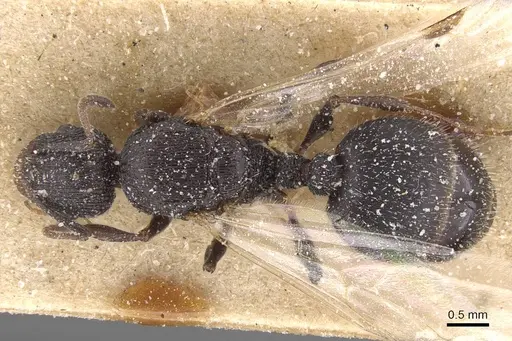
Literature
Loading...Loading products...