

Temnothorax manni
- Scientific Name
- Temnothorax manni
- Tribe
- Crematogastrini
- Subfamily
- Myrmicinae
- Author
- Wheeler, 1914
- Distribution
- Found in 1 countries
Temnothorax manni Overview
Temnothorax manni is an ant species of the genus Temnothorax. It is primarily documented in 1 countries , including Mexico. Detailed taxonomic data and occurrence records can be further explored via authoritative databases such as AntWeb or the Global Biodiversity Information Facility (GBIF).
Temnothorax manni
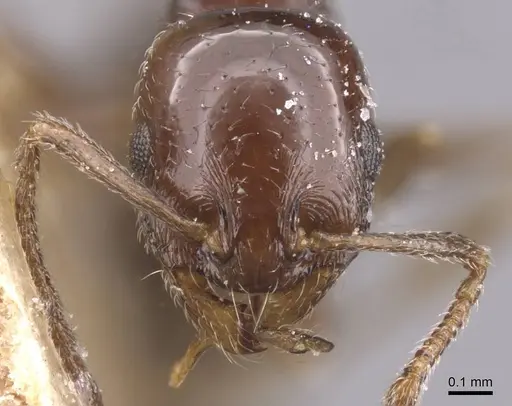
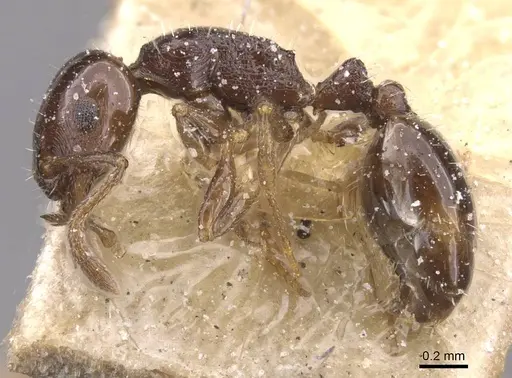
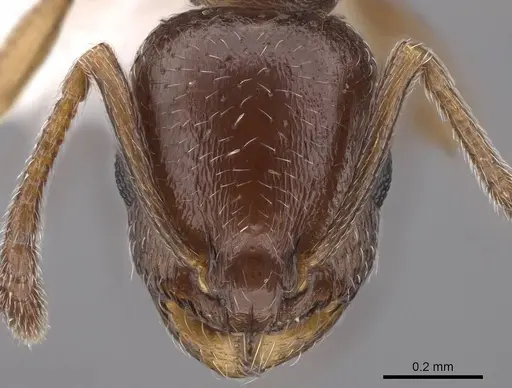
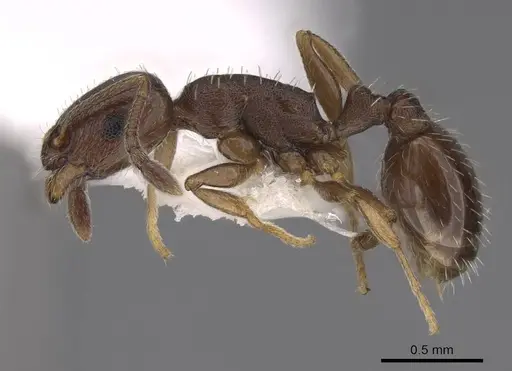
Temnothorax manni is a small, slender ant native to central Mexico. Workers are medium brown with smooth, glossy surfaces and measure approximately 3-4mm. The antenna has 12 segments, and the propodeal spines are small but visible. The petiolar node appears rounded when viewed from the side. This species belongs to the sallei-clade, a group of closely related Temnothorax species [1].
These ants inhabit oak-pine woodland at high elevations between 2600-2800m in the Mexican states of Hidalgo, Morelos, and Guerrero. The original specimens were collected from wooded hillsides with oak and pine vegetation, where the deeper canyons were riparian but the hillsides remained dry. Only known from type specimens, making this one of the rarer acorn ant species in captivity [1].
Quick Summary
- Difficulty: Medium
- Origin & Habitat: Central Mexico (Hidalgo, Morelos, Guerrero states) at 2600-2800m elevation in oak-pine woodland [1][2].
- Colony Type: Likely single-queen (monogyne) colonies based on typical Temnothorax patterns, though colony structure is unconfirmed for this species.
- Colony: Monogyne
- Founding: Claustral
- Size & Growth:
- Queen: Approximately 5-6mm (estimated based on related species in the sallei-clade)
- Worker: 3-4mm [1]
- Colony: Likely under 500 workers based on typical small colony size for the genus
- Growth: Moderate, typical for Temnothorax
- Development: 6-10 weeks at optimal temperature (estimated based on genus-level data for temperate/highland Temnothorax species) (Development time is estimated as this species has not been directly studied. Higher elevation origin suggests they may develop slightly slower than lowland tropical relatives.)
- Antkeeping:
- Temperature: Keep at 18-22°C. Their high-elevation origin (2600-2800m) suggests preference for cooler conditions than many tropical ants. Avoid temperatures above 25°C.
- Humidity: Moderate humidity (50-60%). The oak-pine habitat had dry hillsides, so they likely tolerate drier conditions than typical forest-floor ants. Provide a moisture gradient so ants can choose their preferred zone.
- Diapause: Likely yes, high elevation origin suggests they need a winter rest period. Provide 2-3 months at 10-15°C during winter.
- Nesting: Use small test tubes or Y-tong nests with narrow chambers scaled to their tiny size. They naturally nest in small cavities in rotting wood or under bark in acorns and twigs.
- Behavior: Generally peaceful and non-aggressive. Like other Temnothorax, they are active foragers but not aggressive defenders. Workers are small and may be overlooked by larger ants. Escape prevention is important due to their tiny size, they can squeeze through standard test tube openings if not properly sealed.
- Common Issues: tiny size makes escape prevention critical, use fine mesh and tight-fitting lids, high elevation origin means they may struggle in warm rooms above 25°C, limited availability since only known from type specimens, slow colony growth typical of the genus may frustrate beginners, dry habitat preference means overwatering can be fatal
Housing and Nest Setup
Temnothorax manni is a tiny ant that needs appropriately scaled housing. Use test tubes with small water reservoirs, or Y-tong (AAC) nests with narrow chambers and passages. The chambers should be just wide enough for 2-3 workers to pass through comfortably. These ants naturally nest in small cavities, in the wild they inhabit rotting wood, under bark, and in hollow twigs or acorns. A naturalistic setup with smalldecorations like cork bark or artificial acorns works well. Because of their small size, escape prevention is critical. Use cotton wool properly packed in test tubes, and ensure any connections between outworld and nest are sealed. A small outworld (5-10cm) is sufficient for colonies under 100 workers. [1]
Temperature and Seasonal Care
These ants come from high elevations in central Mexico (2600-2800m), so they prefer cooler temperatures than most ant species. Keep the nest between 18-22°C. Room temperature is often ideal for this species, if your room stays around 20°C, no heating is needed. Avoid placing them near heat sources or in direct sunlight that could push temperatures above 25°C. During winter, provide a diapause period of 2-3 months at 10-15°C. This can be done in an unheated garage, basement, or refrigerator (if in a test tube with proper ventilation). The winter rest helps trigger spring breeding behavior and supports long-term colony health. [1]
Feeding and Diet
Like other Temnothorax species, T. manni is omnivorous but prefers protein sources. Offer small live prey such as fruit flies, pinhead crickets, or small mealworms. They will also accept sugar water, honey, or diluted maple syrup as an energy source. Feed protein 2-3 times per week, and keep a sugar source available at all times. Remove uneaten prey after 24-48 hours to prevent mold. Because of their small size, prey items should be appropriately sized, fruit flies and small insects are ideal. Observe your colony's preferences and adjust feeding accordingly. [1]
Humidity and Water
Temnothorax manni comes from a relatively dry habitat (dry hillsides in oak-pine woodland), so they are more tolerant of drier conditions than many other ant species. However, they still need access to water. A properly set up test tube with a water reservoir and cotton barrier provides humidity through the water column. Aim for moderate humidity around 50-60% in the nest area. You can provide a moisture gradient by having part of the nest closer to the water reservoir and part farther away. This lets the ants choose their preferred zone. Avoid keeping the nest too wet, unlike tropical species, these ants can develop mold problems in overly damp conditions. [1]
Colony Development
Temnothorax colonies grow slowly compared to many common ant species. A newly mated queen will take 6-10 weeks to produce her first workers (nanitics) at optimal temperature. The first workers will be smaller than mature workers. Colony growth is gradual, expect several months to reach 20-30 workers, and potentially a year or more to reach 100+ workers. This slow growth is normal for the genus and should not be cause for concern. The queen will continue laying eggs throughout the year (except during diapause), and worker numbers will steadily increase. Patience is key with this species. [1]
Handling and Observation
These tiny ants are peaceful and can be observed without aggressive defense behavior. Workers are active and will forage in the outworld, making them interesting to watch. However, their small size makes them easy to lose track of, use a well-lit outworld with a dark background for better visibility. When observing, avoid disturbing the nest too often as this can stress the queen. Unlike larger ants, they won't bite or sting defensively, so they are safe to handle gently. Always use proper escape prevention since they can slip through tiny gaps that larger ants cannot. [1]
Frequently Asked Questions
How long does it take for Temnothorax manni to produce first workers?
Expect 6-10 weeks from egg to first worker at optimal temperature (around 20°C). This is typical for the genus and slower than many common ant species. The first workers (nanitics) will be smaller than mature workers.
What temperature do Temnothorax manni ants need?
Keep them at 18-22°C. Their high-elevation origin (2600-2800m in Mexico) means they prefer cooler conditions. Room temperature is often perfect, avoid temperatures above 25°C.
Can I keep Temnothorax manni in a test tube?
Yes, test tubes work well for this species. Use a small test tube with an appropriately sized water reservoir. Ensure the cotton barrier is packed tightly, these tiny ants can escape through gaps that larger ants cannot.
Do Temnothorax manni ants need hibernation?
Yes, likely a 2-3 month winter rest at 10-15°C. Their high-elevation origin means they expect seasonal temperature drops. Provide diapause during winter months for best colony health.
How big do Temnothorax manni colonies get?
Likely under 500 workers based on typical colony sizes for the genus. They are small colonies compared to many common ant species.
What do Temnothorax manni ants eat?
They are omnivorous. Feed small live prey (fruit flies, pinhead crickets, small mealworms) 2-3 times per week, and provide a constant sugar source (honey, sugar water, or maple syrup).
Are Temnothorax manni ants good for beginners?
They are moderate difficulty. Their small size and escape risk make them slightly challenging for complete beginners, but their peaceful nature and simple care requirements make them manageable for those willing to pay attention to escape prevention.
Do Temnothorax manni ants sting?
No, Temnothorax ants do not have functional stingers. They are completely harmless to humans and cannot bite or sting defensively.
Why is my Temnothorax manni colony growing slowly?
Slow growth is normal for this genus. Temnothorax colonies naturally develop more slowly than many common ants. Ensure proper temperature (18-22°C), adequate feeding, and that the queen is healthy and laying eggs.
When should I move my colony to a formicarium?
Wait until the colony has at least 50-100 workers before moving to a larger nest. Test tubes work well for smaller colonies. Y-tong nests are suitable once the colony is established.
Can I keep multiple queens together?
Not recommended. Unlike some polygyne Temnothorax species, this species is likely single-queen. Combining unrelated queens has not been documented and could result in fighting.
Where is Temnothorax manni found in the wild?
Central Mexico, specifically Hidalgo, Morelos, and Guerrero states at elevations of 2600-2800m in oak-pine woodland habitat.
References

This caresheet is licensed under CC BY-SA 4.0 .
CASENT0912960
View on AntWeb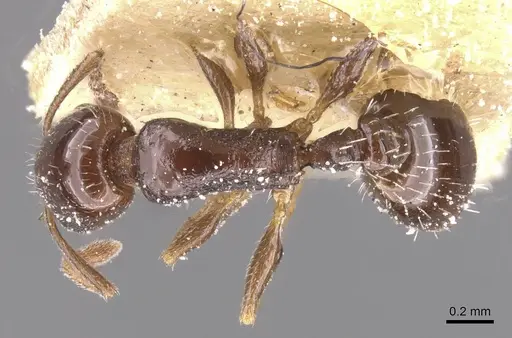
CASENT0922572
View on AntWeb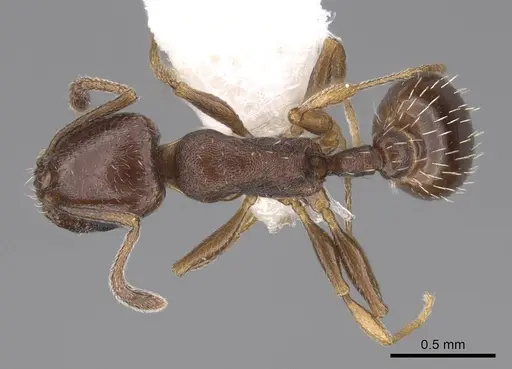
Literature
Loading...Loading products...