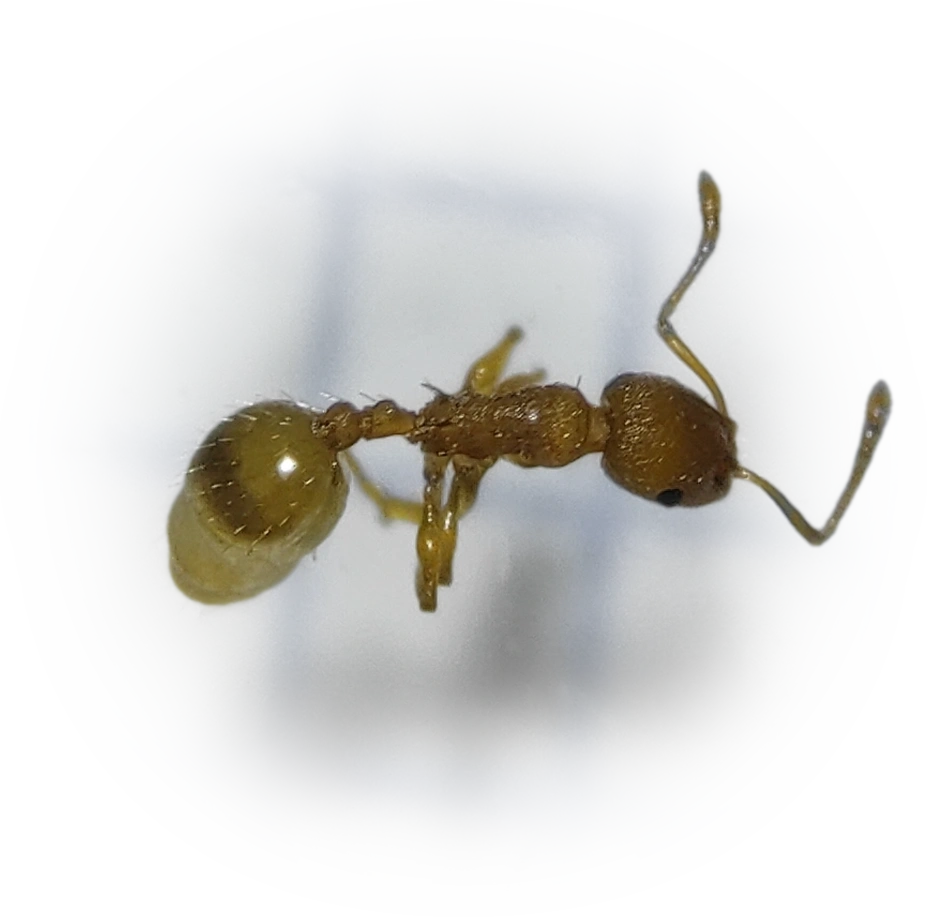

Temnothorax luteus
- Scientific Name
- Temnothorax luteus
- Tribe
- Crematogastrini
- Subfamily
- Myrmicinae
- Author
- Forel, 1874
- Distribution
- Found in 4 countries
Temnothorax luteus Overview
Temnothorax luteus is an ant species of the genus Temnothorax. It is primarily documented in 4 countries , including Switzerland, Spain, France. Detailed taxonomic data and occurrence records can be further explored via authoritative databases such as AntWeb or the Global Biodiversity Information Facility (GBIF).
Temnothorax luteus
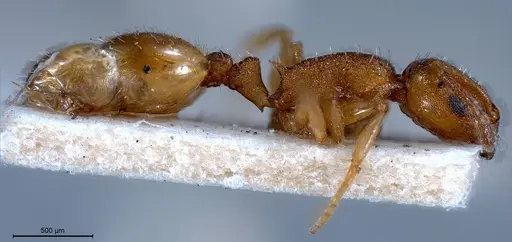
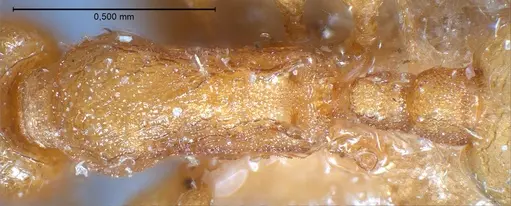
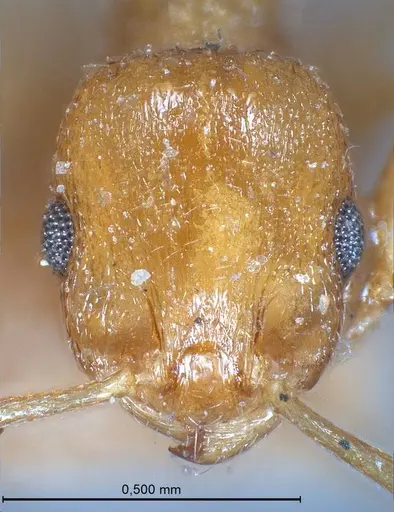
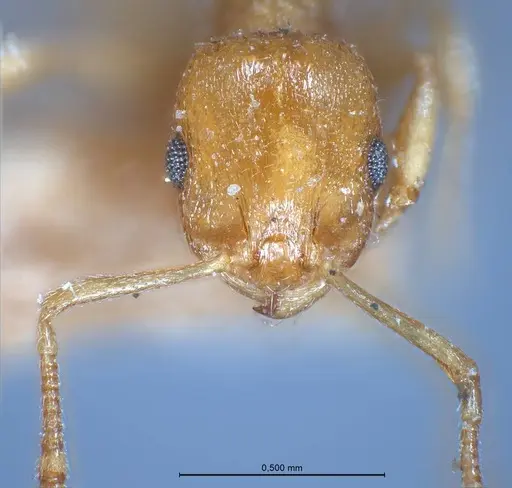
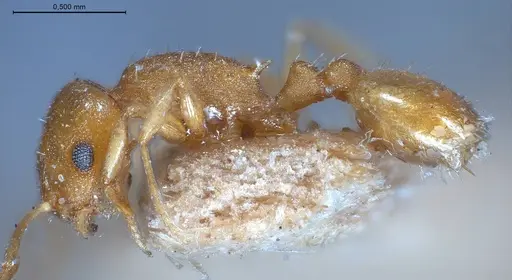
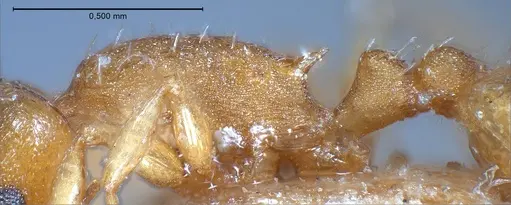
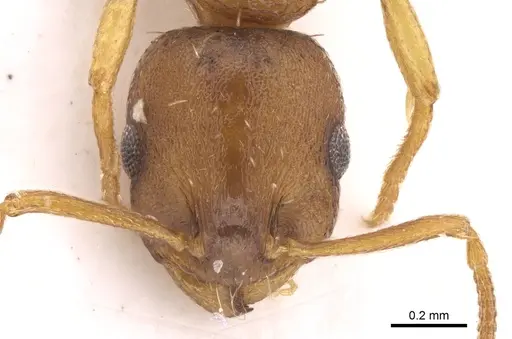
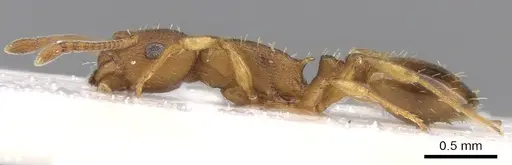
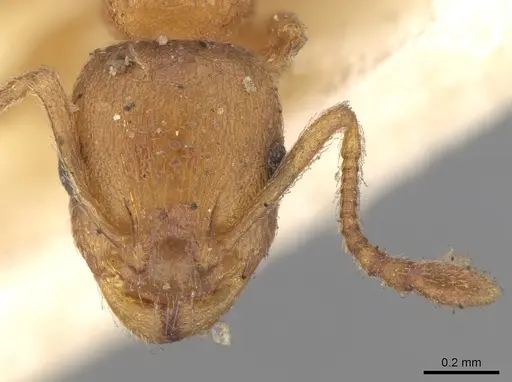
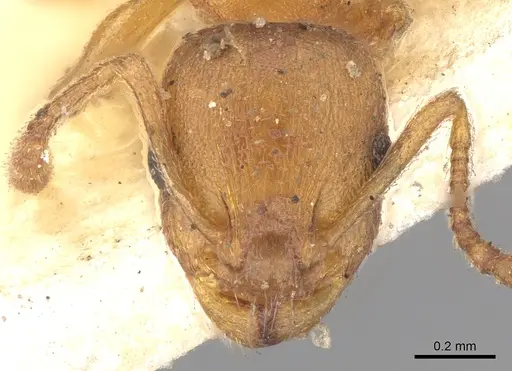
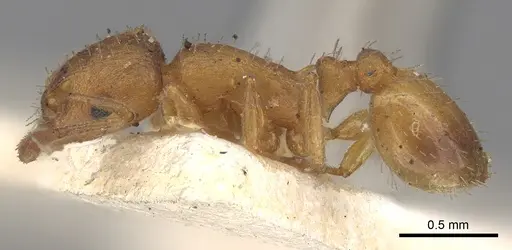
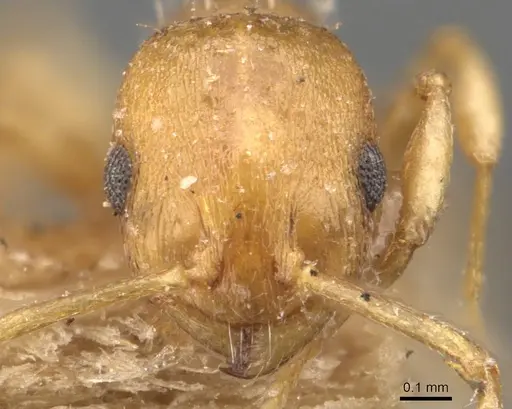
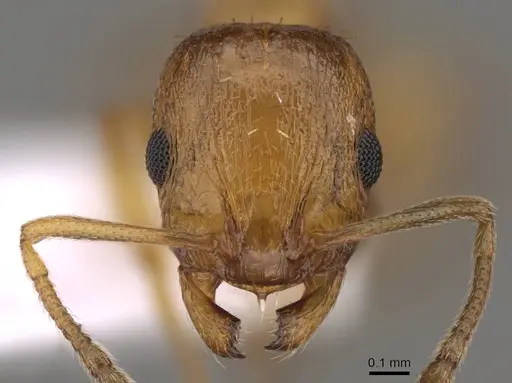
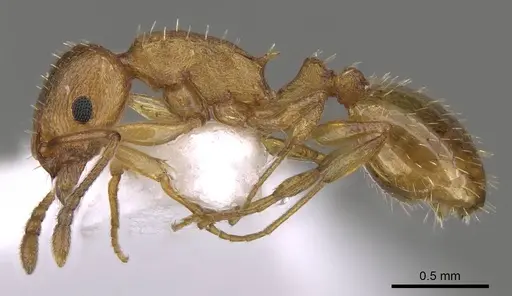
Temnothorax luteus is a tiny ant species native to the western Mediterranean region, found across Spain, France, Italy, Switzerland, and Andorra [1]. Workers measure just 1.9-2.7mm and have a distinctive pale yellowish to light brown coloration, with some populations showing a darker band on the abdomen [2][1]. Their head is mostly smooth and shiny, and they have relatively long propodeal spines compared to other related species [1]. These ants are part of the 'yellow acorn ant' group, which has caused considerable taxonomic confusion with close relatives like T. racovitzai, they were only confirmed as separate species in 2014 [1][3].
What makes T. luteus particularly interesting is its preference for cooler, higher-elevation sites compared to its relatives. While most Mediterranean ants seek warmth, T. luteus thrives at elevations between 50-1750m where average summer temperatures hover around 15°C [1][4]. This species also serves as a host for the social parasite Temnothorax kutteri, which invades their nests and uses their workers to raise the parasite's brood [5]. Their colonies remain small, typically under 100 workers, and they can be found nesting under stones or in hollow plant stems [6][2].
Quick Summary
- Difficulty: Easy
- Origin & Habitat: Western Mediterranean region including Spain, France, Italy, Switzerland, and Andorra. Found in mountainous areas at elevations from 50-1750m, typically in montane vegetation zones, under stones or in hollow plant stems [1][7].
- Colony Type: Monogyne (single-queen colonies) with typically under 100 workers [6]. Small, discreet colonies that nest in pre-existing cavities.
- Colony: Monogyne
- Founding: Claustral
- Size & Growth:
- Queen: 2.5-3mm [2]
- Worker: 1.9-2.7mm [2]
- Colony: Under 100 workers typical [6]
- Growth: Moderate
- Development: Estimated 6-10 weeks based on typical Temnothorax development patterns [8] (Development time is inferred from genus patterns since species-specific data is unavailable. Expect slower growth than faster-growing Myrmicinae.)
- Antkeeping:
- Temperature: Keep around 18-22°C. This species prefers cooler conditions than most Mediterranean ants, research shows they thrive at average summer temperatures of 15°C [1]. Avoid overheating.
- Humidity: Moderate humidity around 50-60%. They naturally inhabit montane areas with more moderate moisture than tropical species. Keep substrate slightly damp but allow some drying between waterings.
- Diapause: Yes, they require a winter rest period. Based on their Alpine and montane distribution, provide 2-3 months of cold diapause around 5-10°C [1].
- Nesting: Prefers tight, pre-existing cavities. In captivity, use a Y-tong (AAC) nest or test tube setup with narrow chambers. They naturally nest under stones or in hollow stems, avoid large open spaces [2].
- Behavior: Peaceful and non-aggressive. Workers are small and typically forage individually or in small groups. They are generalist feeders, scavenging on a wide variety of organic matter [6]. Escape prevention is important given their tiny size, they can squeeze through standard mesh. They are not known to sting and pose no danger to keepers.
- Common Issues: tiny size means escapes are likely without fine mesh barriers, small colony size makes them vulnerable to stress, avoid disturbing founding colonies, cool temperature requirements may conflict with keeping them in warm rooms, wild-caught colonies may have parasites that kill them in captivity, slow growth tests patience, don't overfeed or disturb during founding
Housing and Nest Setup
Temnothorax luteus does best in compact, tight-fitting nests that mimic their natural cavities. A Y-tong (AAC) nest with narrow chambers works perfectly, the chambers should be sized appropriately for their tiny 2mm workers [2]. Test tube setups are also suitable for founding colonies, provided the water reservoir is not too large to avoid flooding. Avoid naturalistic setups with large open spaces, these small ants feel safer in snug quarters. Use fine mesh for escape prevention since they can slip through standard barriers. A small outworld area is sufficient for foraging, they are not heavy travelers.
Feeding and Diet
These ants are generalist scavengers in the wild, feeding on a wide variety of dead insects, honeydew, and organic matter [6]. In captivity, offer small protein sources like fruit flies, pinhead crickets, or other tiny insects. They will also accept sugar water or honey. Feed small amounts 2-3 times per week, removing any uneaten food after 24 hours. Because their colonies stay small, portion sizes should be minimal, a single small insect segment is enough for a colony of 20 workers. Avoid overfeeding as it leads to mold problems.
Temperature and Seasonal Care
Temnothorax luteus prefers cooler conditions than most ant species, research shows they thrive at average summer temperatures around 15°C, making them one of the cooler-preferring Mediterranean ants [1]. Keep your colony at 18-22°C, avoiding temperatures above 25°C. This makes them ideal for cooler rooms or during winter when indoor heating is lower. During winter, provide a diapause period of 2-3 months at 5-10°C, this is essential for their health and reproductive cycles [1]. Place the nest in a location away from direct heat sources and drafts. A heating cable is generally not needed and could overheat them.
Colony Founding and Growth
Founding queens seal themselves in a small chamber (claustral founding) and raise their first workers alone using stored fat reserves [2]. The first workers, called nanitics, are typically smaller than mature workers. Colony growth is moderate, expect 6-10 weeks from egg to first worker based on typical Temnothorax patterns [8]. Colonies remain small, typically under 100 workers even at maturity [6]. Be patient during the founding phase, disturbing the queen or overfeeding can cause colony failure. Once established, these colonies are quite hardy but prefer stability. The small colony size means they are less resilient to major disturbances than larger species.
Behavior and Temperament
Temnothorax luteus is a peaceful species with no significant defensive behaviors. Workers are tiny and typically go about their business quietly, avoiding confrontation. They forage individually or in small groups rather than forming large trails. These ants are not known to sting and pose no threat to keepers. Their small size and gentle nature make them fascinating to observe, though their colonies are not as visually impressive as larger species. They are best suited for keepers who enjoy watching subtle behaviors rather than dramatic colony activities. [6][2]
Frequently Asked Questions
Can I keep Temnothorax luteus in a test tube?
Yes, test tubes work well for founding colonies. Use a small water reservoir and avoid flooding, these tiny ants are vulnerable to drowning. Once the colony reaches 20-30 workers, consider moving to a small Y-tong nest with appropriately sized chambers.
How long does it take for Temnothorax luteus to produce first workers?
Expect 6-10 weeks from egg to first worker at room temperature (around 20°C). This is based on typical Temnothorax development patterns since specific timing for this species hasn't been documented. The first workers will be smaller (nanitics) and the colony will grow gradually from there.
Do Temnothorax luteus ants sting?
No, this species is not known to sting. They are completely harmless to keepers. Their small size and peaceful temperament make them safe even for young antkeepers.
What temperature do Temnothorax luteus need?
Keep them at 18-22°C, they prefer cooler conditions than most Mediterranean ants. Research shows they naturally occur in areas with average summer temperatures around 15°C. Avoid temperatures above 25°C. They do not need heating and actually do better in cooler rooms.
How big do Temnothorax luteus colonies get?
Colonies remain small, typically under 100 workers even at maturity [6]. This is one of the smaller Temnothorax species in terms of colony size. They are not suitable for keepers looking for large, impressive colonies.
Do Temnothorax luteus need hibernation?
Yes, they require a winter diapause period. Based on their Alpine and montane distribution, provide 2-3 months at 5-10°C during winter. This is essential for their health and natural reproductive cycles. Skip diapause only if you are not planning to keep the colony long-term.
Can I keep multiple queens together?
No, this species is monogyne, single-queen colonies. Multiple queens will fight. Only combine unrelated foundresses if you want to attempt pleometrosis, but this is not recommended as it rarely succeeds with this species. Once a colony is established, only one queen should be present.
Are Temnothorax luteus good for beginners?
Yes, they are considered easy to keep. Their small size, peaceful nature, and moderate temperature requirements make them suitable for beginners. However, their slow growth and small colony size require patience. They are best matched with keepers who enjoy watching subtle behaviors rather than rapid colony expansion.
What do Temnothorax luteus eat?
They are generalist scavengers. Offer small protein sources like fruit flies, tiny insects, or insect pieces. They also accept sugar water or honey. Feed small amounts 2-3 times weekly and remove uneaten food to prevent mold.
Why is my Temnothorax luteus colony dying?
Common causes include: overheating (keep below 25°C), too much moisture, disturbance during founding, or parasites from wild-caught colonies. These small colonies are sensitive to stress. Ensure proper temperature, minimal disturbance during founding, and consider that wild-caught colonies often carry parasites that can wipe them out.
References

This caresheet is licensed under CC BY-SA 4.0 .
ANTWEB1008446
View on AntWeb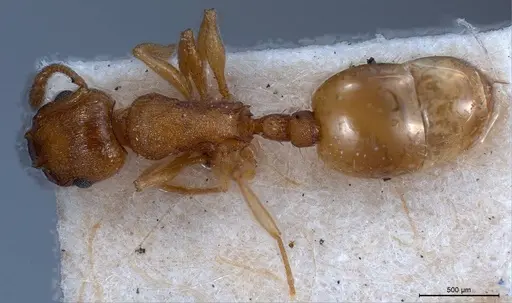
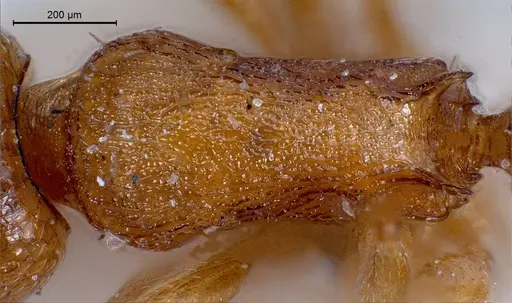
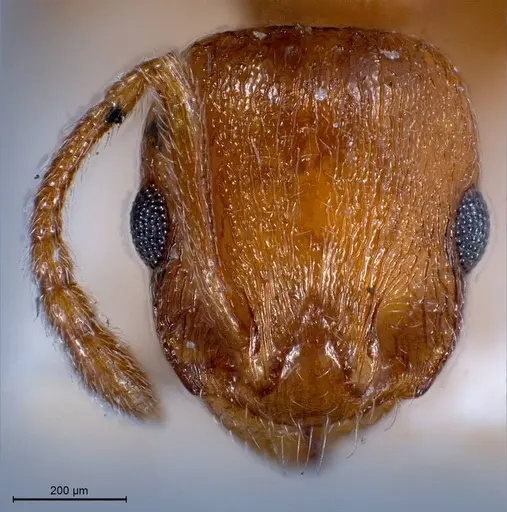
ANTWEB1008480
View on AntWeb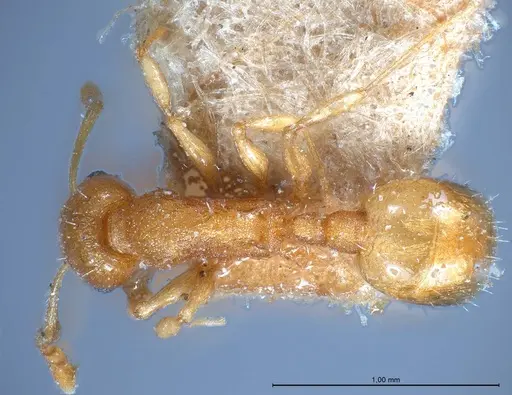
CASENT0906166
View on AntWeb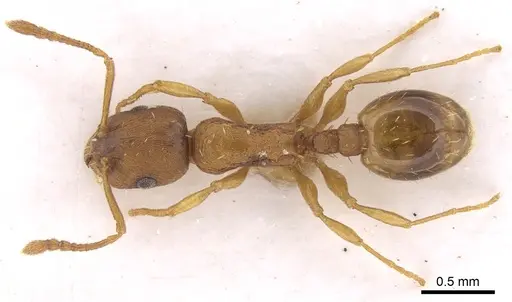
CASENT0906174
View on AntWeb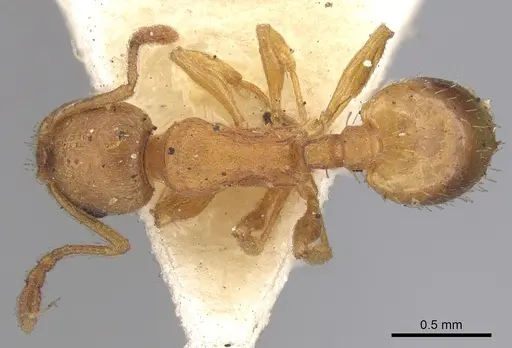
CASENT0907603
View on AntWeb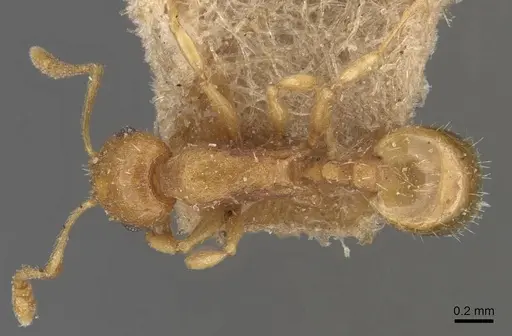
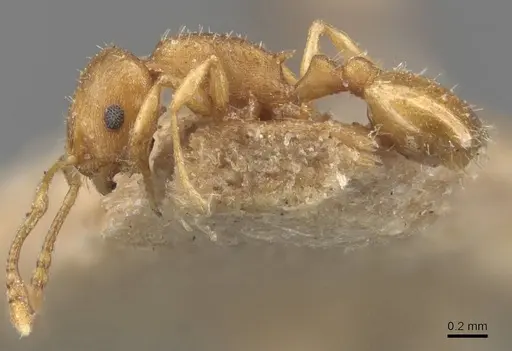
CASENT0909030
View on AntWeb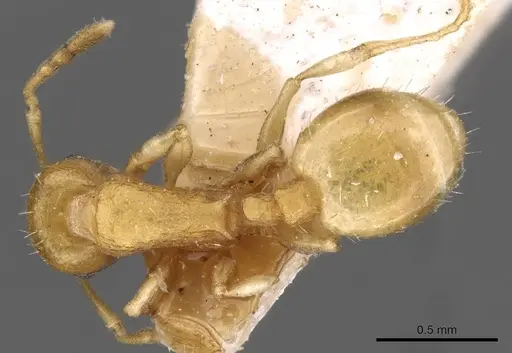
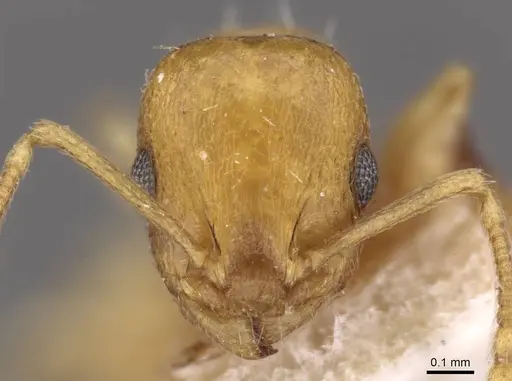
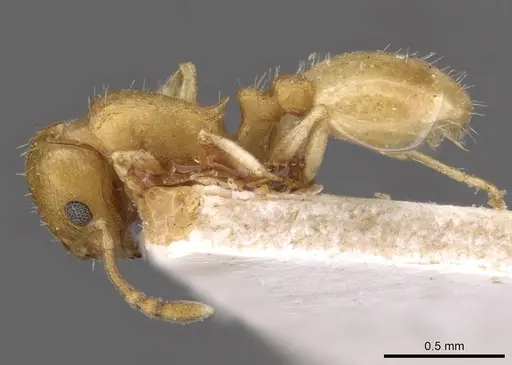
CASENT0914414
View on AntWeb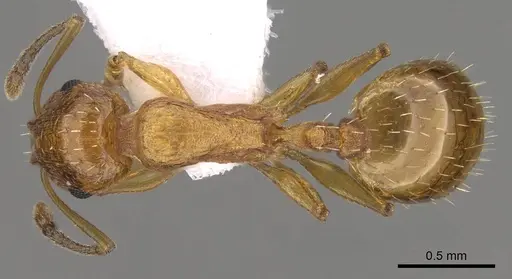
Literature
Loading...Loading products...