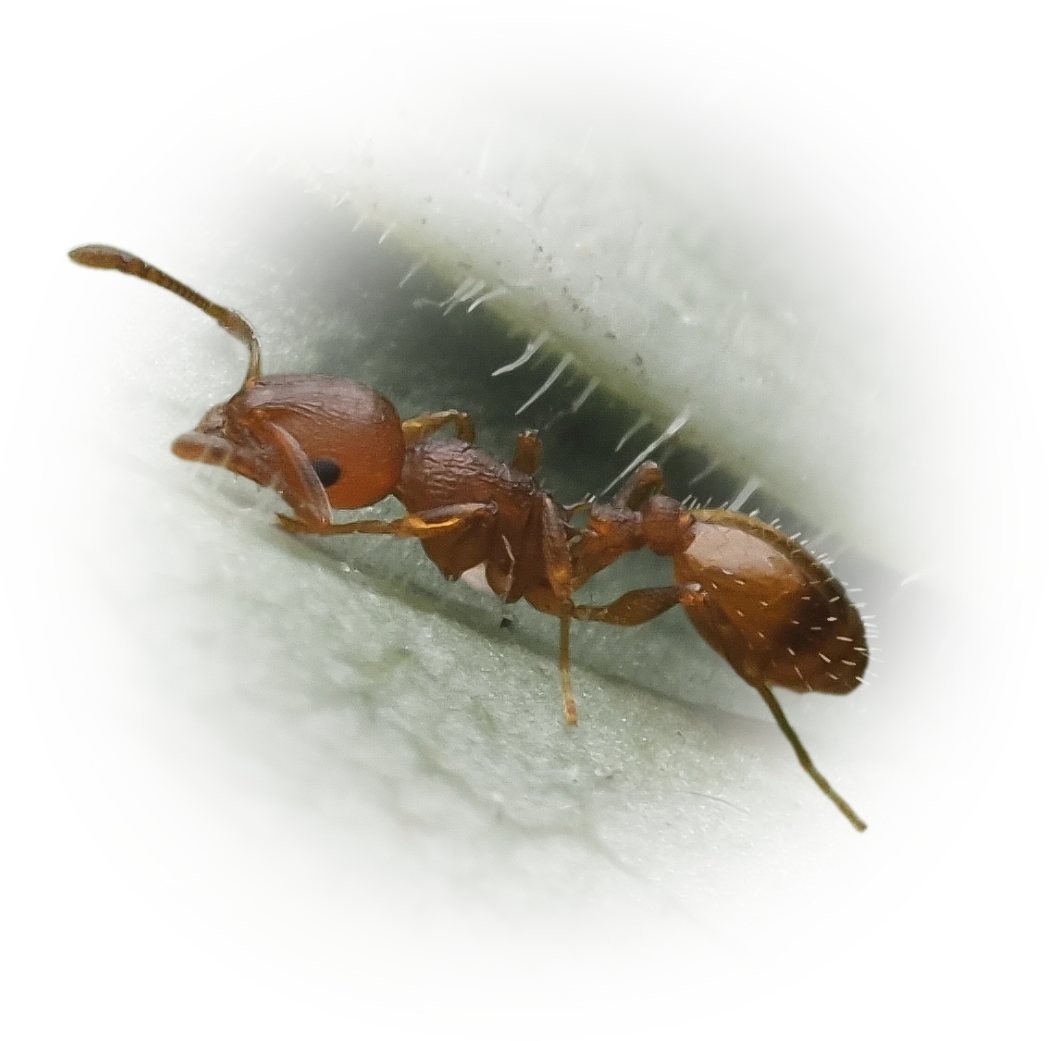

Temnothorax lichtensteini
- Scientific Name
- Temnothorax lichtensteini
- Tribe
- Crematogastrini
- Subfamily
- Myrmicinae
- Author
- Bondroit, 1918
- Distribution
- Found in 7 countries
Temnothorax lichtensteini Overview
Temnothorax lichtensteini is an ant species of the genus Temnothorax. It is primarily documented in 7 countries , including Bulgaria, Spain, France. Detailed taxonomic data and occurrence records can be further explored via authoritative databases such as AntWeb or the Global Biodiversity Information Facility (GBIF).
Temnothorax lichtensteini - "Lichtenstein's Acorn Ant"
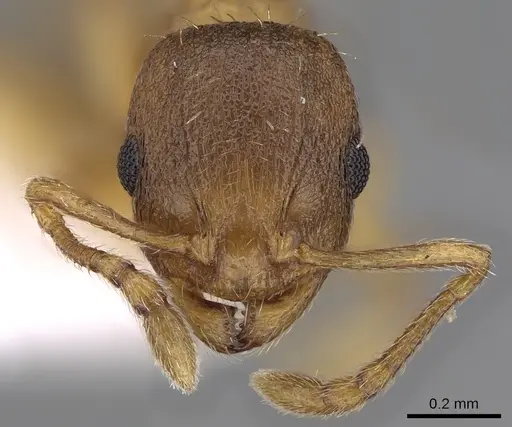
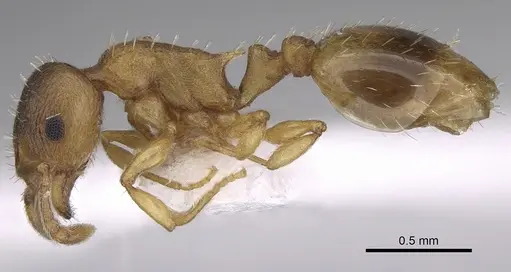
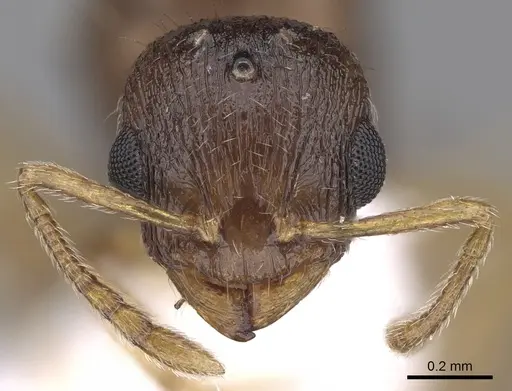
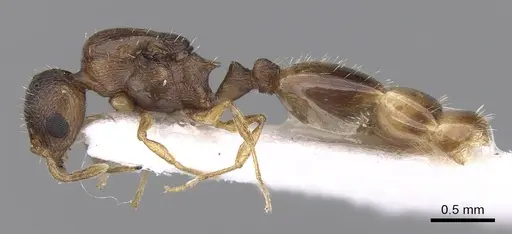
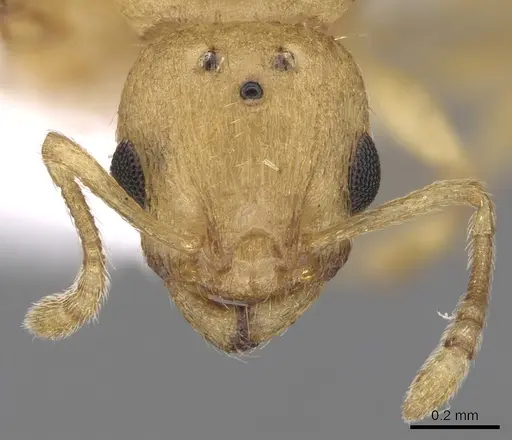
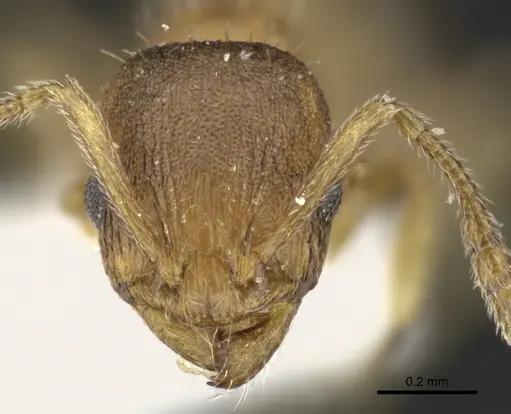
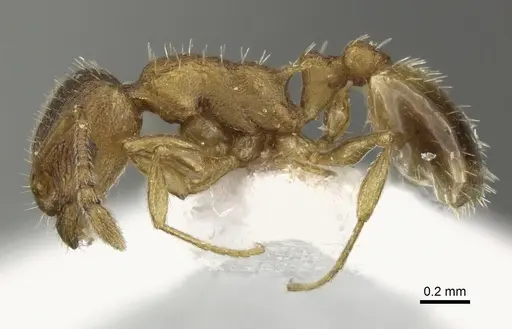
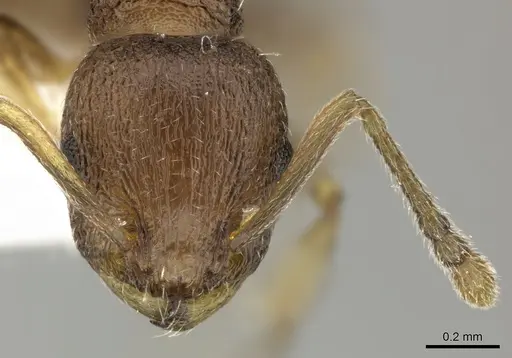
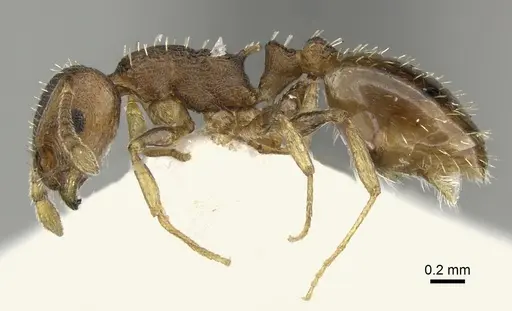
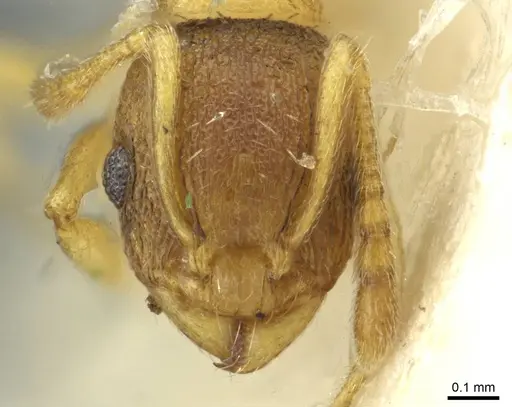
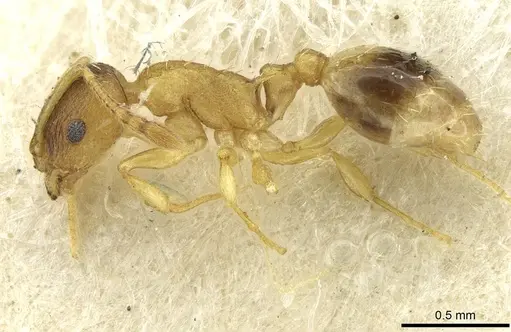
Temnothorax lichtensteini are charmingly small ants, typically measuring just a few millimeters. They boast a distinctive coloration, usually a mix of brown and yellow hues, with a slightly darker head and gaster. These tiny social creatures are known for their long propodeal spines, which distinguish them from some other Temnothorax species. Like many members of their genus, they are quite active despite their size and are often found nesting in small, protected spaces.
- Difficulty: Easy
- Origin & Habitat: Europe (Mediterranean region), Western Turkey, Austria, Greece in Xerothermous open forests, small crevices, under rocks, hollow dead twigs, dry acorns, under tree bark, galls..
- Colony Type: Monogyne (single queen), though facultative polygyny has been documented in some Temnothorax species., claustral founding.
- Size & Growth:
- Queen: 3-5mm
- Worker: 2-3mm
- Colony: Small (hundreds). Slow to Medium. Colonies typically grow slowly, with only 3-10 workers in the first year and reaching 30-50 in the second. Mature colonies usually consist of a few hundred workers. growth.
- Antkeeping:
- Temperature: These ants thrive in temperatures between 17-25°C, with an optimal range of 21-24°C. They can tolerate cooler temperatures well..
- Humidity: Moderate humidity is generally preferred. While specific percentages for Temnothorax lichtensteini are not widely detailed, related Temnothorax species are good at tolerating drier habitats. Maintaining a humidity gradient within the nest is beneficial..
- Diapause: Required. 3-4 months at 5-10°C.
- Nesting: Given their small size and natural nesting habits, they prefer small cavities. Ytong nests with shallow chambers (around 2cm) are excellent choices. They also do well in natural setups like hollowed acorns, dead twigs, or under tree bark..
- Behavior: Low (towards handler, food or other ants) aggressiveness.
- Common Issues: Escape artists due to small size, Getting stuck in liquid food/water, Humidity fluctuations.
Temnothorax lichtensteini are known to be hosts for several dulotic (slave-making) parasitic ant species, such as Temnothorax gordiagini, Temnothorax menozzii, and Temnothorax ravouxi. This fascinating interaction highlights their role in complex ant ecosystems and can be a point of interest for advanced antkeepers studying interspecies dynamics. Understanding these relationships can offer a deeper appreciation for the intricate world of ants.
These ants are quite small and have a tendency to find even the tiniest gaps to escape. Therefore, when setting up their formicarium, it's crucial to ensure it is escape-proof. Use fine mesh and secure lids. Their small stature also means you need to be mindful of excessive water or liquid food, as they can easily get stuck. Patient observation, perhaps with a magnifying glass, will be key to truly appreciating their behaviors.
Temnothorax lichtensteini are opportunistic foragers and generalist feeders. In the wild, they scavenge on various items, including small dead insects, honeydew, and even elaiosomes from seeds. In a captive environment, a varied diet of sugary liquids like honey water and small protein sources such as fruit flies or tiny mealworms will keep them healthy. They are generally shy and will try to avoid conflict, making them a relatively peaceful species to keep.
While Temnothorax lichtensteini is not considered a species of conservation concern, like all ants, their populations can be affected by habitat destruction and pesticide use. By keeping these ants in captivity, hobbyists contribute to understanding their biology and promoting appreciation for insect diversity. Always ensure any collected ants are done so responsibly and in accordance with local regulations.
The genus Temnothorax, including T. lichtensteini, is frequently used as a model organism in scientific studies due to their small colony sizes and ease of maintenance in a lab setting. They've been instrumental in research on social learning, colony organization, and even the origins of parasitism. This makes them not just fascinating pets but also tiny ambassadors for scientific discovery.
Frequently Asked Questions
What kind of enclosure is best for Temnothorax lichtensteini?
For these tiny wonders, a compact formicarium is ideal. Many ant keepers find Ytong nests with shallow chambers (around 2cm depth) work perfectly, as they mimic the small cavities these ants favor in the wild. Glass test tube setups with an attached outworld are also a popular and simple choice, especially for founding colonies. The key is to ensure any setup is escape-proof, as these small ants are quite good at finding tiny gaps!
What do Temnothorax lichtensteini eat?
Lichtenstein's Acorn Ants are quite adaptable! Their diet should consist of sugary liquids like diluted honey water or sugar water, and small protein sources. Think tiny feeder insects such as fruit flies, small mealworms, or even parts of larger insects. They're scavengers by nature, so they appreciate a varied diet of dead insects. You might even offer a tiny bit of jelly.
Do Temnothorax lichtensteini need to hibernate?
Yes, these ants definitely need a diapause period, which is their version of hibernation. It's recommended to provide them with a cool period from around November to March, at temperatures between 5-10°C. This mimics their natural seasonal cycle and is crucial for the long-term health and development of your colony, ensuring your queen continues to lay well after the 'winter' break.
How fast do Temnothorax lichtensteini colonies grow?
Compared to some other ant species, Temnothorax lichtensteini colonies grow at a slow to medium pace. In their first year, don't expect a population boom; you'll likely see only 3-10 workers emerge. By the second year, the colony might reach 30-50 workers. A mature colony typically caps out at a few hundred workers, making them a manageable size for most ant enthusiasts.
Are Temnothorax lichtensteini good for beginners?
Absolutely! Many ant keepers consider Temnothorax species, including T. lichtensteini, excellent for beginners. They are relatively easy to care for, quite peaceful, and their small colony size means they don't require a lot of space. The main challenge for new keepers is managing their tiny size to prevent escapes and ensuring liquid food doesn't pose a drowning risk. With a little patience and attention to detail, they are very rewarding to keep.
Where are Temnothorax lichtensteini found in the wild?
These fascinating ants are widespread across the northern coastline of the Mediterranean region, extending from the Iberian Peninsula all the way to Western Turkey. You can also find them further north into Austria and south into Greece. They prefer xerothermous open forests, nesting in small, protected nooks like hollow twigs, acorns, or under tree bark.
Can Temnothorax lichtensteini sting?
Yes, Temnothorax lichtensteini can sting. However, due to their incredibly small size, their sting is usually imperceptible or causes only a very mild, fleeting sensation to humans. They are generally timid and will opt to escape or hide rather than sting as a primary defense. So, while they possess a stinger, it's not a major concern for ant keepers.
What is the typical lifespan of a Temnothorax lichtensteini queen?
While specific longevity data for T. lichtensteini queens can vary, queens of the Temnothorax genus generally have a lifespan of several years. Workers typically live for several months up to about two years. Proper care, including a healthy diet and a suitable diapause period, greatly contributes to a queen's lifespan.
Why are they called 'Acorn Ants'?
While not all Temnothorax species strictly nest in acorns, many, including close relatives of T. lichtensteini, are famously known to start colonies within hollowed-out acorns. This natural preference for small, sheltered cavities like nuts, hollow twigs, or rock crevices gives them the charming common moniker 'Acorn Ants.' It's a testament to their ability to adapt to tiny spaces.
Are there any unique behaviors of Temnothorax lichtensteini?
One particularly interesting aspect of Temnothorax lichtensteini is their role as a host for various dulotic, or 'slave-making,' ant species. This means other parasitic ants might raid their nests to steal their brood, which then grows up to work for the parasitic colony. Observing such complex interspecies interactions, though more common in the wild, highlights the intricate social dynamics of the ant world. Additionally, they exhibit complex undertaking behavior, like corpse-burying.

This caresheet is licensed under CC BY-SA 4.0 .
ANTWEB1008441
View on AntWeb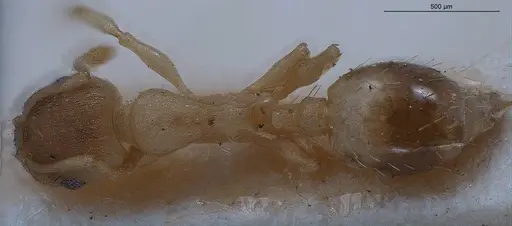
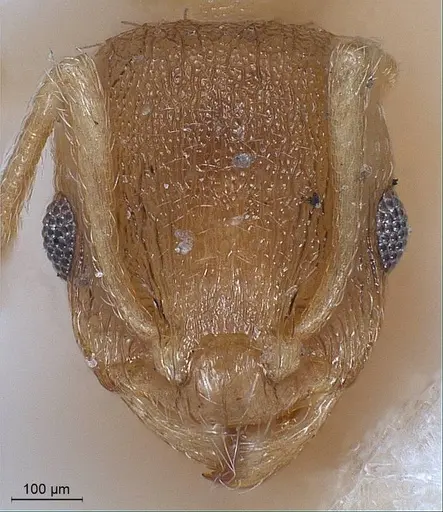
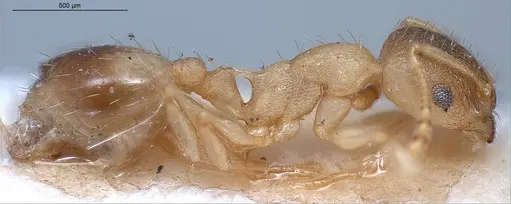
CASENT0191221
View on AntWeb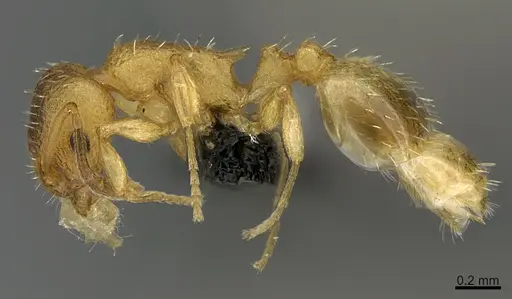
CASENT0906004
View on AntWeb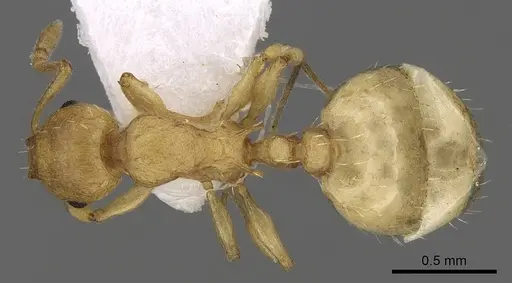
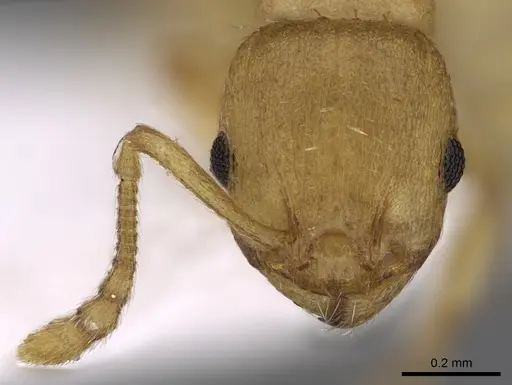
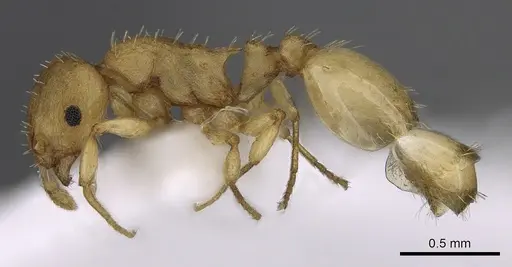
CASENT0906005
View on AntWeb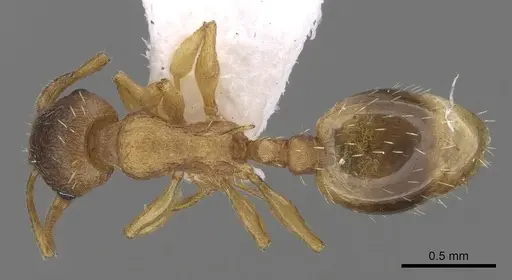
CASENT0906006
View on AntWeb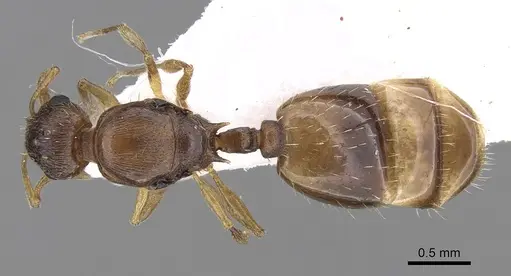
CASENT0906007
View on AntWeb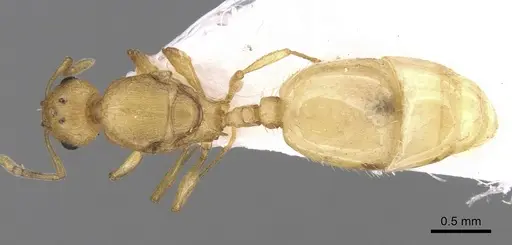
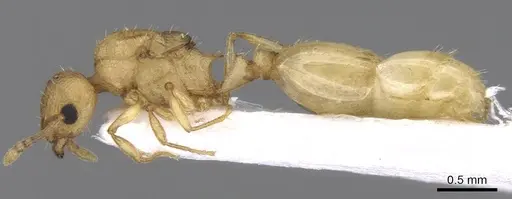
CASENT0906165
View on AntWeb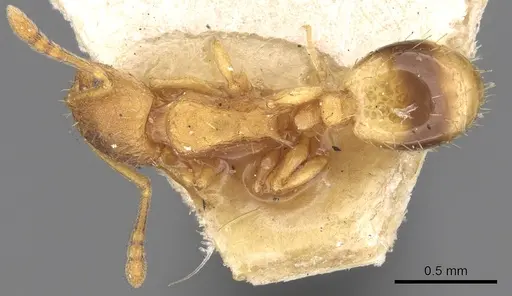
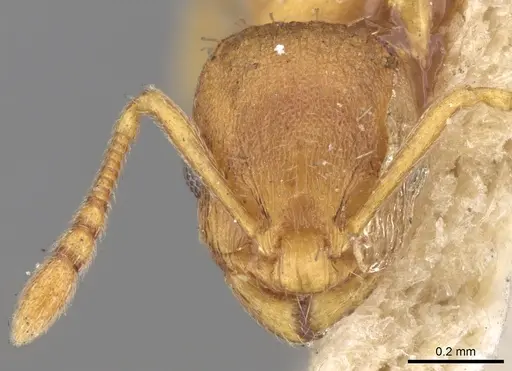
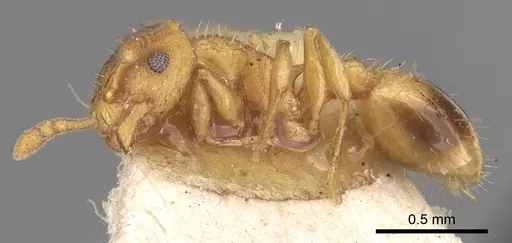
CASENT0906692
View on AntWeb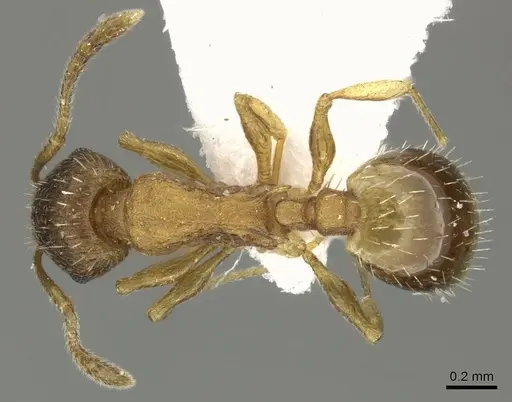
CASENT0906693
View on AntWeb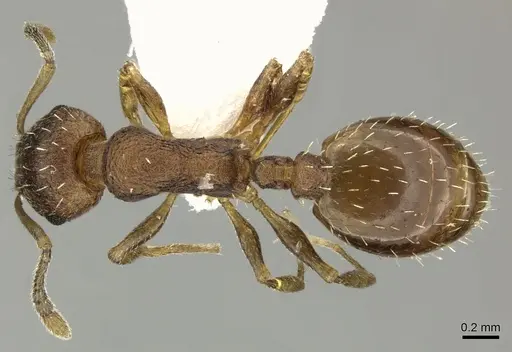
CASENT0913636
View on AntWeb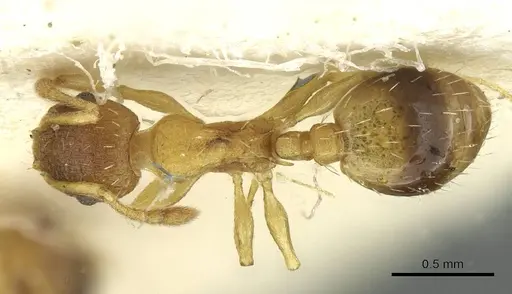
Literature
Loading...Loading products...