

Temnothorax kubira
- Scientific Name
- Temnothorax kubira
- Tribe
- Crematogastrini
- Subfamily
- Myrmicinae
- Author
- Terayama & Onoyama, 1999
- Distribution
- Found in 1 countries
Temnothorax kubira Overview
Temnothorax kubira is an ant species of the genus Temnothorax. It is primarily documented in 1 countries , including Japan. Detailed taxonomic data and occurrence records can be further explored via authoritative databases such as AntWeb or the Global Biodiversity Information Facility (GBIF).
Temnothorax kubira
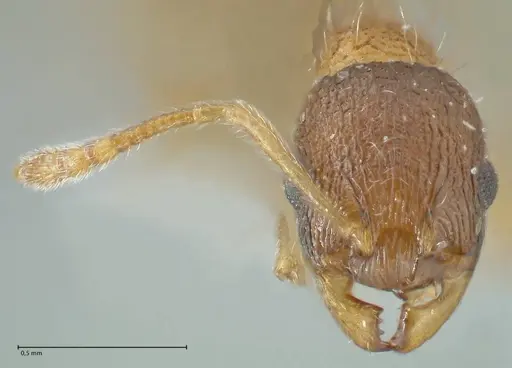
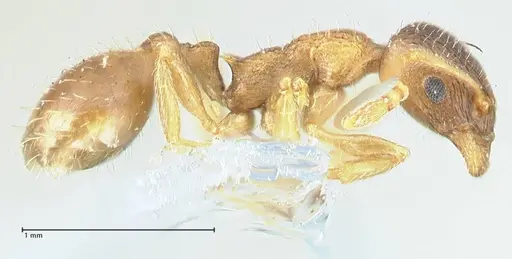
Temnothorax kubira is a tiny ant species native to Japan, measuring just 2.5-3mm in worker length [1]. Workers have a reddish-brown to brown body, with the head and gaster often darker than the mesosoma, grading to brown or blackish-brown, their legs are distinctly yellow [1]. This species belongs to the Palearctic-clade of Temnothorax and is found exclusively in Japan, where it inhabits mountainous regions at elevations between 600m and 2,000m in central Honshu, and 1,300-1,900m on Yaku Island [2]. The species was originally described as Temnothorax kubira in 1999 before being transferred to Temnothorax in 2003 [1]. These small ants prefer cool, damp forest floor habitats and are known for their relatively long scapes that just reach the posterior margin of the head.
Quick Summary
- Difficulty: Medium
- Origin & Habitat: Japan, mountainous regions of central Honshu (600-2,000m elevation) and Yaku Island (1,300-1,900m elevation). Found in Japanese beech forests in southwestern Japan [2].
- Colony Type: Colony structure is unconfirmed for this species. Based on typical Temnothorax patterns, likely single-queen (monogyne) colonies with small colony sizes.
- Size & Growth:
- Queen: Estimated 4-5mm based on genus patterns, not directly measured in available literature
- Worker: 2.5-3mm [1]
- Colony: Estimated under 100 workers based on typical Temnothorax colony sizes
- Growth: Moderate, based on genus-level patterns
- Development: Estimated 6-10 weeks at optimal temperature based on related species (Development time inferred from typical Temnothorax genus patterns, specific data for this species is unavailable)
- Antkeeping:
- Temperature: Keep around 20-24°C. This species comes from cool mountainous regions in Japan, so avoid overheating. A room-temperature setup with a gentle gradient works well.
- Humidity: Prefers moderate to high humidity, think damp forest floor conditions. Keep the nest substrate consistently moist but not waterlogged.
- Diapause: Yes, this species is native to temperate Japan with cold winters at high elevations. Expect reduced activity during winter months. A hibernation period at 5-10°C for 2-3 months is recommended.
- Nesting: In nature they likely nest in small cavities under stones or in rotting wood. In captivity, a small test tube setup or Y-tong nest with narrow chambers works well. They prefer tight spaces scaled to their tiny size.
- Behavior: These are small, generally peaceful ants that form modest colonies. They are not aggressive and rarely sting. Their tiny size (2.5-3mm) means escape prevention is critical, they can squeeze through very small gaps. Foragers are active and will search for small prey and sugar sources. They are not known for escape artist behavior but their small size makes fine mesh barriers essential.
- Common Issues: escape prevention is critical due to their very small 2.5-3mm size, use fine mesh and tight-fitting lids, colonies are slow-growing and small, resist the urge to overfeed or expand housing too quickly, high elevation origin means they are sensitive to heat, keep away from direct sunlight and heating elements, wild-caught colonies may have parasites that can devastate captive colonies, test tube setups can flood if water reservoirs are too large for their tiny chambers
Housing and Nest Setup
For such a tiny ant species, housing must be carefully scaled. A small test tube setup works well for founding colonies, use a narrow diameter tube (around 10-12mm) with a water reservoir at one end sealed with a cotton plug. The chamber should be dark to mimic their natural underground nesting sites. For established colonies, a Y-tong (AAC) nest with small chambers or a small acrylic formicarium works well. The key is tight spaces, these ants prefer chambers that are snug rather than spacious. Always use excellent escape prevention: fine mesh on any ventilation holes, tight-fitting lids, and barrier tape (fluon) on edges. Their 2.5-3mm size means they can squeeze through gaps that would hold back larger ants [1].
Feeding and Diet
Temnothorax kubira is a generalist forager that will accept both protein and sugar sources. Offer small live prey such as fruit flies, pinhead crickets, or mealworms cut into tiny pieces. Sugar water, honey diluted with water, or a small drop of honey can serve as carbohydrate sources. Feed small amounts 2-3 times per week, removing any uneaten prey after 24 hours to prevent mold. Because of their tiny size, portion control is critical, a single fruit fly is a substantial meal for a small colony. Observe your colony's consumption patterns and adjust feeding frequency accordingly. Always ensure fresh water is available.
Temperature and Seasonal Care
This species originates from cool mountainous regions in Japan (600-2,000m elevation), so they prefer cooler temperatures than many tropical ant species. Keep the nest area at 20-24°C, avoiding temperatures above 28°C. Room temperature is often ideal for this species. During summer months, ensure they are not exposed to direct sunlight or heat from lamps. In winter, expect reduced activity, they are native to temperate regions with cold winters, so a hibernation period is appropriate. Reduce temperature to 5-10°C for 2-3 months during winter, mimicking their natural seasonal cycle. Do not feed during deep hibernation but ensure the nest does not dry out completely. [2]
Colony Development
Temnothorax kubira colonies remain relatively small, typically under 100 workers based on typical genus patterns. Growth is moderate, founding colonies may take several months to produce their first workers (nanitics), and several more months to reach a dozen workers. Be patient with this species, they are not fast growers. The founding queen will seal herself in a small chamber (claustral founding is typical for the genus, though not directly documented for this species) and survive on stored fat reserves until her first workers emerge. After that, the colony expands slowly through subsequent broods. Do not disturb the founding chamber during this period, queens are sensitive to vibration and light during founding.
Behavior and Temperament
These are docile, non-aggressive ants that pose no threat to keepers. Workers are small and typically flee rather than engage in defensive behavior. They are not known for stinging, their small size and docile nature make them safe to handle. However, their tiny size means they are excellent climbers and can escape through remarkably small gaps. Always use fine mesh (at least 0.5mm or smaller) for any ventilation and apply fluon or similar barriers to all edges. Workers forage individually for small prey and sugar sources, using chemical trails to communicate food discoveries to nestmates. They are most active during evening and night hours, though they will forage during the day if food is available. [1]
Frequently Asked Questions
How long does it take for Temnothorax kubira to produce first workers?
Based on typical Temnothorax development patterns, expect 6-10 weeks from egg to first worker at optimal temperature (around 22°C). This is an estimate as specific development data for this species is not available. Founding colonies require patience, the queen will remain sealed in her chamber until her first nanitics emerge.
What size colony do Temnothorax kubira colonies reach?
Based on typical Temnothorax colony sizes, expect a maximum of under 100 workers. This species is not a large colony former and will remain modest in size even at maturity.
Do Temnothorax kubira ants sting?
No, these ants are not known for stinging. They are small, docile ants that are safe to keep. Their primary defense is fleeing rather than confrontation.
What temperature is best for Temnothorax kubira?
Keep them at 20-24°C. This species comes from cool Japanese mountains and is sensitive to heat. Avoid temperatures above 28°C and keep them away from direct sunlight or heating equipment. Room temperature is often ideal.
Do Temnothorax kubira need hibernation?
Yes, they benefit from a winter rest period. Since they originate from temperate Japan with cold winters at high elevations (600-2,000m), a hibernation period of 2-3 months at 5-10°C is recommended. Reduce feeding during this time and ensure the nest does not dry out completely.
Can I keep multiple queens of Temnothorax kubira together?
Not recommended, combining unrelated queens of this species has not been documented. Based on typical Temnothorax patterns, they likely form single-queen colonies. If you obtain multiple founding queens, house them separately.
What do Temnothorax kubira eat?
They accept small live prey (fruit flies, pinhead crickets, small mealworms) and sugar sources (honey water, sugar water). Feed small amounts 2-3 times per week, removing uneaten food after 24 hours. Portion size is important, these tiny ants need only very small amounts of food.
Are Temnothorax kubira good for beginners?
They are rated as medium difficulty. While their small size and specific temperature requirements make them slightly more challenging than larger, more tolerant species, they are manageable for keepers who pay attention to escape prevention and keep them cool. Their docile nature and small colony size make them interesting observation ants.
When should I move Temnothorax kubira to a formicarium?
Wait until the colony has at least 20-30 workers before considering a move. These ants prefer small, tight spaces and may not utilize large formicarium chambers effectively. A small Y-tong or acrylic nest with appropriately sized chambers works better than a large naturalistic setup.
References

This caresheet is licensed under CC BY-SA 4.0 .
CASENT0008635
View on AntWeb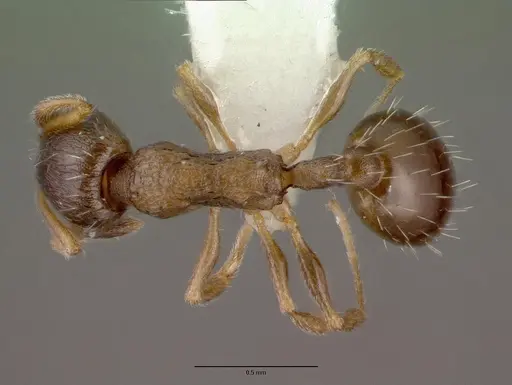
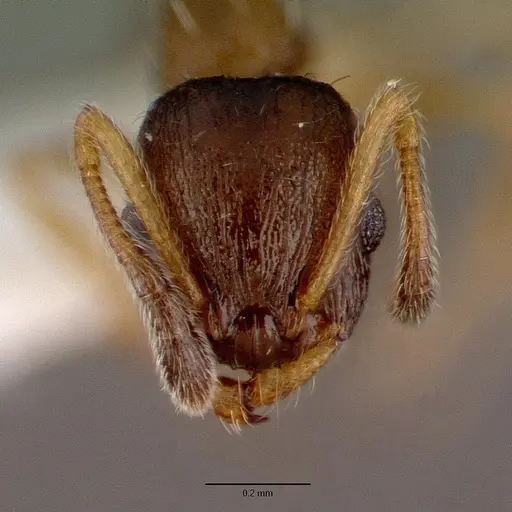
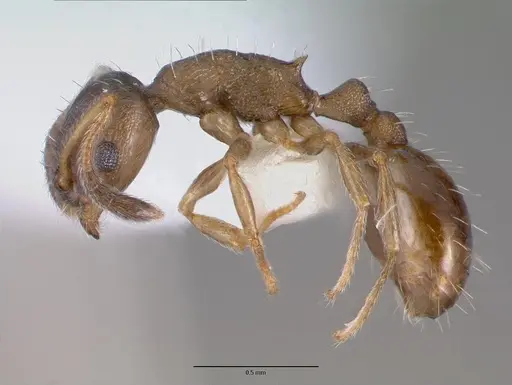
FOCOL1860
View on AntWeb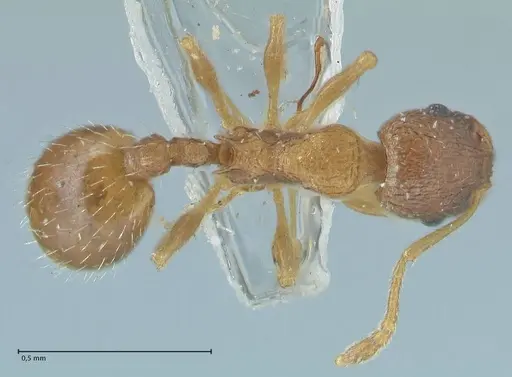
Literature
Loading...Loading products...