

Temnothorax kraussei
- Scientific Name
- Temnothorax kraussei
- Tribe
- Crematogastrini
- Subfamily
- Myrmicinae
- Author
- Emery, 1915
- Distribution
- Found in 5 countries
Temnothorax kraussei Overview
Temnothorax kraussei is an ant species of the genus Temnothorax. It is primarily documented in 5 countries , including Algeria, Spain, France. Detailed taxonomic data and occurrence records can be further explored via authoritative databases such as AntWeb or the Global Biodiversity Information Facility (GBIF).
Temnothorax kraussei
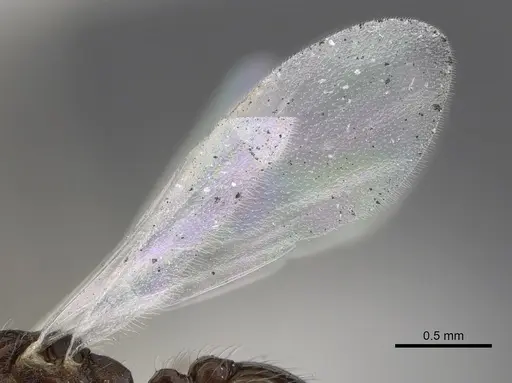
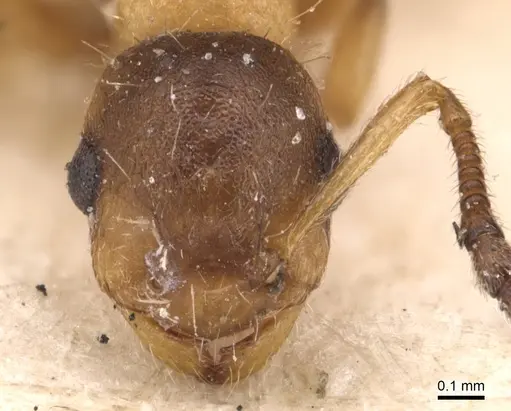
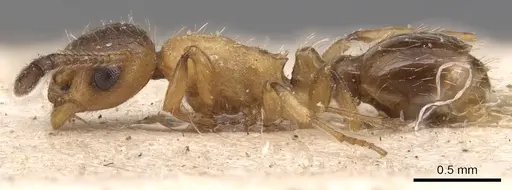
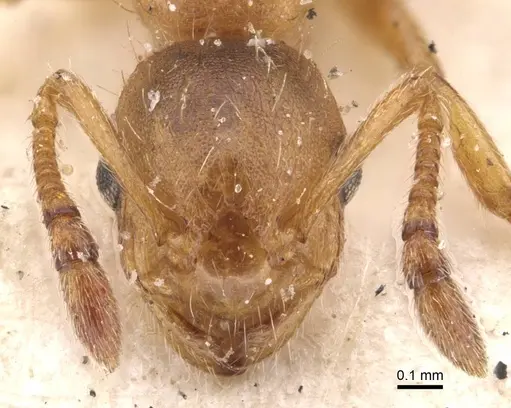
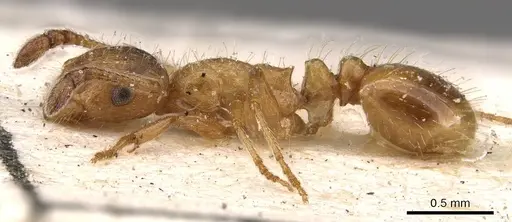
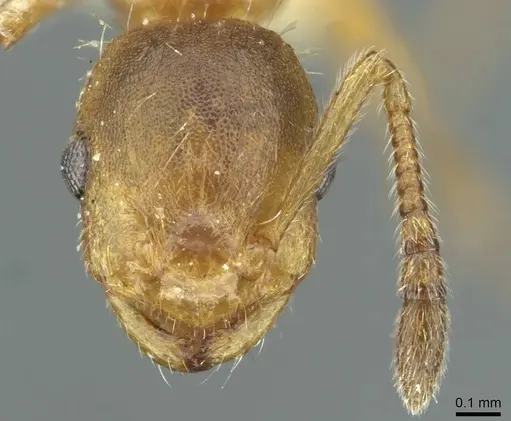
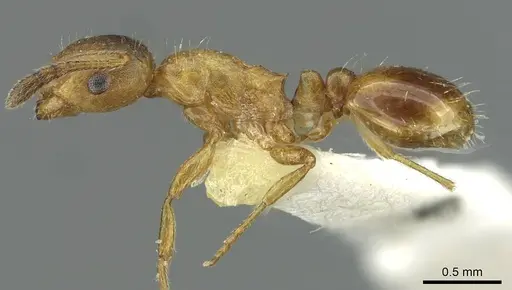
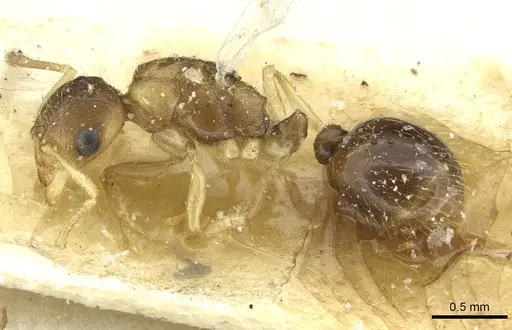
Temnothorax kraussei is a small, pale yellow to yellowish-brown slave-maker ant native to the Mediterranean region. Workers measure approximately 2.5mm and possess 11-segmented antennae with distinctive lobe-like appendages on the ventral surfaces of their petiole and postpetiole [1]. This species is a specialized social parasite that invades nests of its host species, Temnothorax recedens, where the queen kills the host queen and is accepted by the host workers [1][2]. Unlike typical slave-makers, T. kraussei has drastically reduced worker numbers, most colonies contain only 3-5 workers, rarely more than a dozen, and some populations (particularly on Crete) have completely lost the worker caste entirely [3][4]. This is an expert-only species requiring a host colony to survive.
Quick Summary
- Difficulty: Expert
- Origin & Habitat: Mediterranean region including North Africa (Algeria, Morocco, Tunisia), Spain, France, Corsica, Sardinia, Italy, Croatia, Bulgaria, Turkey, Greece (including Crete), Slovenia, Serbia, and Portugal [5][1]. Found in forested areas under rocks or moss, and in hollow twigs or brambles at higher altitudes [6][7].
- Colony Type: Monogynous, single queen per colony. The queen kills the host queen through throttling and is accepted by host workers [6]. This is a degenerate slave-maker with drastically reduced worker numbers, and some populations are completely workerless [3][4].
- Colony: Monogyne
- Queen: Socially parasitic
- Special: Slave-making
- Size & Growth:
- Queen: Gyne cephalic size approximately 0.62mm (624±22μm) [2]. Overall queen length approximately 4-5mm based on genus typical size.
- Worker: Approximately 2.5mm [8]. Worker cephalic size approximately 0.60mm (599±19μm) [2].
- Colony: Extremely small, typically only 3-5 parasite workers per colony, rarely up to a dozen [3]. Host colonies contain approximately 31 workers on average [6]. Colonies normally decline after 2-3 years when host workers die out [6].
- Growth: Slow to moderate, sexual brood develops quickly and emerges the same year it is laid [9]. However, overall colony growth is limited by the small number of parasite workers.
- Development: Unconfirmed, specific development time has not been directly studied. Based on related Temnothorax species, estimate 6-10 weeks at optimal temperature. (Sexual brood develops rapidly from non-overwintering brood, with sexuals emerging the same year they are laid [4]. Gynes remain in the maternal colony through winter before dispersing in spring [6].)
- Antkeeping:
- Temperature: Mediterranean species preferring warm conditions. Based on its Mediterranean distribution and thermal tolerance (CTM approximately 42°C) [8], keep nest around 20-24°C. Provide a gentle temperature gradient.
- Humidity: Moderate humidity, typical Mediterranean forest floor conditions. Keep substrate slightly moist but not waterlogged. Avoid both overly dry and overly damp conditions.
- Diapause: Yes, young queens hibernate in maternal colonies through winter and leave to found new colonies in spring [6]. Provide a winter rest period of 2-3 months at reduced temperatures (around 10-15°C).
- Nesting: In nature, colonies are found under rocks or moss in forested areas, and in hollow twigs or brambles at altitude [6][7]. In captivity, a small test tube setup or small formicarium works well. The key requirement is that you MUST also keep a healthy colony of the host species Temnothorax recedens, this ant cannot survive without its host.
- Behavior: This is a specialized social parasite. The mated queen penetrates a host nest, throttles and kills the host queen, and is eventually accepted by the host workers [1]. The parasite queen uses host workers to raise her brood. Due to the extremely small number of parasite workers (typically 3-5), slave raids are rare and usually unsuccessful in the wild [6]. Workers are described as degenerate and rarely undertake raids [9]. Sexual reproduction occurs through intranidal mating, queens and males mate inside the maternal colony, and young queens overwinter there before dispersing in spring [6][4]. This species is not aggressive and poses no stinging threat to humans.
- Common Issues: requires host colony, this species cannot survive without Temnothorax recedens workers to care for it, extremely small worker numbers mean colonies are fragile and decline after 2-3 years when host workers die, workerless populations exist (Crete), some colonies may have no workers at all, difficulty establishing new colonies, queen must successfully invade a host nest, short colony lifespan, colonies naturally decline as host workers age and die
Understanding T. kraussei: A Slave-Maker Ant
Temnothorax kraussei is what ant biologists call a 'dulotic' species, more commonly known as a slave-maker. This means it depends entirely on another ant species (the host) to survive. The only known host is Temnothorax recedens [6][1]. Unlike typical ants where the queen raises her own first workers, T. kraussei queens must invade an established T. recedens nest, kill the host queen through throttling (squeezing), and then trick the host workers into accepting her as their new queen [1][6]. The host workers then care for the parasite queen's eggs and raise her brood as if it were their own. This is an extremely specialized lifestyle that makes T. kraussei one of the most difficult ants to keep, you cannot simply set up a colony like you would with a normal ant species.
Housing and Host Colony Requirements
This is the most critical aspect of keeping T. kraussei: you MUST maintain a healthy colony of Temnothorax recedens as the host. The parasite cannot survive without host workers to care for it. Keep both colonies in similar conditions, small test tubes or a small formicarium work well for both species. T. recedens naturally nests under rocks, in moss, or in hollow twigs in forested Mediterranean areas [6]. Provide them with typical nest conditions: moderate humidity, small chambers scaled to their tiny size (workers are only about 2.5mm), and temperatures around 20-24°C. The host colony will need regular feeding with small insects and sugar water. The parasite colony will live within the host nest and depend entirely on host workers for brood care. This setup requires significant experience with ant keeping and should only be attempted by experts.
Feeding and Nutrition
In the wild, T. kraussei benefits from food collected and processed by host workers. The host T. recedens workers forage for nectar and small insects [8]. In captivity, you should feed the host colony, the host workers will then share food with the parasite colony. Offer small live prey like fruit flies, pinhead crickets, or other tiny insects. Sugar water or honey can be offered as an energy source. Because the host workers do the foraging and feeding, you don't need to directly feed the parasite ants, just ensure the host colony is well-fed. A well-fed host colony means a well-fed parasite colony.
Seasonal Care and Overwintering
T. kraussei has a distinct seasonal cycle. Sexual brood (new queens and males) develops rapidly from non-overwintering brood and emerges in late summer [4]. Mating occurs inside the maternal colony, this is called intranidal mating, which is unusual among ants [4]. The young queens then remain in the mother nest through winter (hibernation) and leave the following spring to find new host colonies [6]. For captive care, provide a winter rest period of 2-3 months at reduced temperatures around 10-15°C. This mimics their natural cycle and is essential for reproductive success. Do not overwinter at room temperature, this can disrupt their biological rhythm and prevent proper sexual production.
Colony Lifecycle and Expectations
T. kraussei colonies have a fundamentally different lifecycle than normal ants. Because they depend on host workers, the colony cannot grow indefinitely. In 82 colonies studied, the average was only 2.07 parasite workers and 31.17 host workers [6]. The colony naturally declines as host workers age and die, typically after 2-3 years [6]. Some populations, particularly on Crete, have completely lost the worker caste and are entirely dependent on host workers from the start [1][4]. This means T. kraussei colonies are essentially temporary, they will eventually die out as the host workers are not being replaced (the host queen was killed). This is not a species you can keep long-term like a typical ant colony. Instead, you should view it as an interesting biological phenomenon to observe for a limited time. If you want to maintain the species long-term, you would need to periodically introduce new parasite queens to new host colonies.
Frequently Asked Questions
Can I keep Temnothorax kraussei like a normal ant colony?
No. This is an expert-only species that requires a host colony of Temnothorax recedens to survive. The parasite queen cannot raise her own workers, she depends entirely on host workers to care for her brood. Without a healthy host colony, the parasite colony will die. This is not a species for beginners [6][1].
How do I establish a Temnothorax kraussei colony?
You need to obtain both the parasite queen and a healthy Temnothorax recedens host colony. The parasite queen must be introduced to an established host nest. The queen will kill the host queen through throttling and should then be accepted by host workers [6]. Success is not guaranteed, this is a delicate process that requires experience with social parasite introduction.
How long will my T. kraussei colony live?
Typically 2-3 years. The colony declines as host workers age and die because no new host workers are being produced (the host queen was killed). Unlike normal ant colonies that can grow indefinitely, T. kraussei colonies are temporary by nature [6].
Do T. kraussei ants sting?
No. These are tiny ants (about 2.5mm) with no functional stinger. They pose no danger to humans. Their defense mechanism is infiltration and manipulation of host colonies, not physical defense [8].
What do T. kraussei eat?
You feed the host colony (T. recedens), and the host workers share food with the parasite ants. Offer small live prey (fruit flies, tiny insects) and sugar water or honey to the host. The host workers do the foraging and feeding of the parasite colony [8].
Do T. kraussei need hibernation?
Yes. Young queens hibernate in the maternal colony through winter and disperse in spring to found new colonies [6]. Provide a winter rest period of 2-3 months at reduced temperatures (around 10-15°C). This is essential for their biological cycle.
Why does my T. kraussei colony have so few workers?
This is normal. T. kraussei is a 'degenerate' slave-maker with drastically reduced worker numbers, typically only 3-5 workers per colony, rarely more than a dozen [3]. Some populations (like Crete) have completely lost the worker caste. The small number of workers is a characteristic of this species, not a sign of problems [4].
Can I breed T. kraussei in captivity?
Breeding is possible but challenging. Sexual brood develops from non-overwintering brood and emerges the same year. Mating occurs inside the nest (intranidal mating), and young queens overwinter in the maternal colony before dispersing in spring [4][6]. To breed them, you need established colonies and must provide proper hibernation conditions.
Where can I find Temnothorax recedens hosts?
Temnothorax recedens is also a Mediterranean species found in similar habitats across southern Europe and North Africa. In the wild, it nests under rocks, in moss, or hollow twigs in forested areas [6]. Obtaining them may require field collection in Mediterranean regions or sourcing from specialized ant keepers who maintain host colonies.
Is T. kraussei good for beginners?
Absolutely not. This species is for expert antkeepers only. It requires maintaining two colonies (parasite and host), understanding the complex biology of social parasitism, and accepting that the colony has a limited lifespan. Most ant keepers should start with easier species like Lasius, Tetramorium, or basic Temnothorax species before attempting slave-makers.
References

This caresheet is licensed under CC BY-SA 4.0 .
ANTWEB1041368
View on AntWeb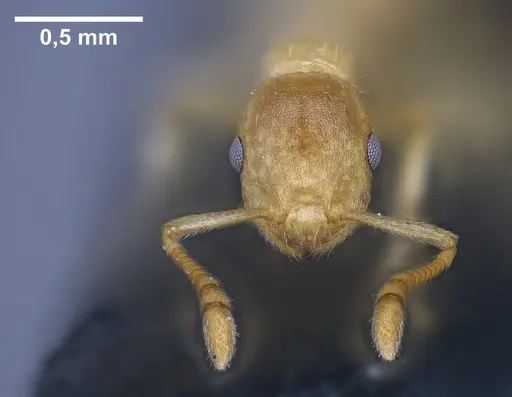
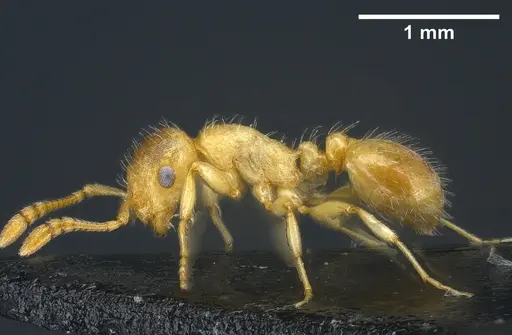
CASENT0281811
View on AntWeb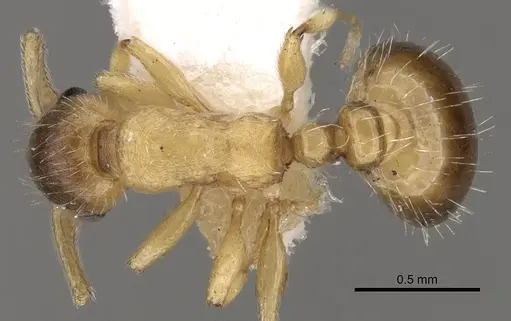
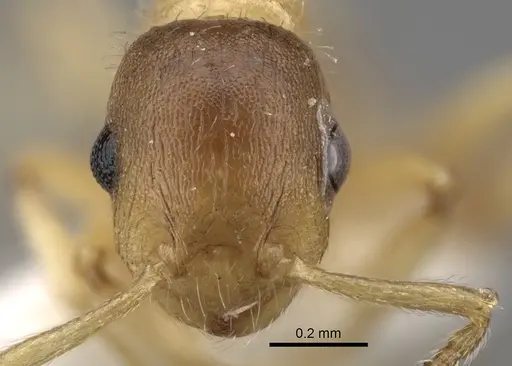
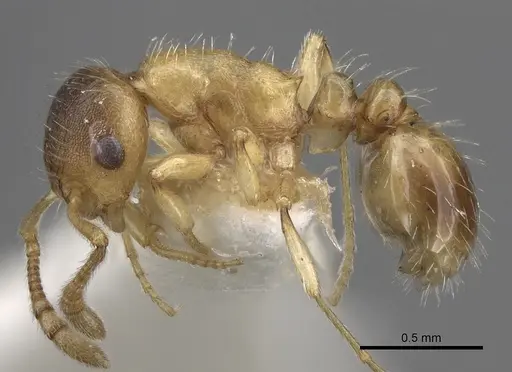
CASENT0901766
View on AntWeb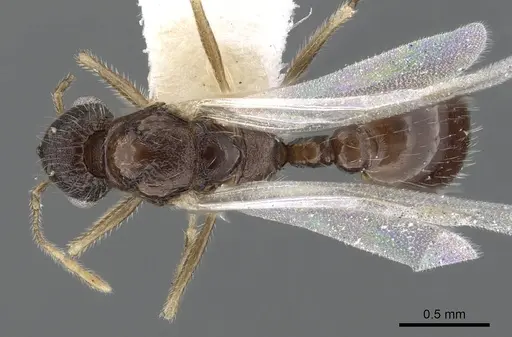
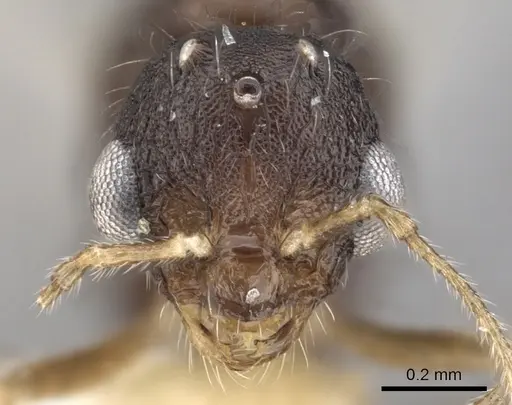
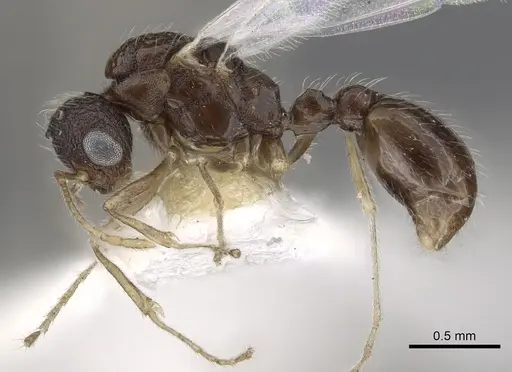
CASENT0904776
View on AntWeb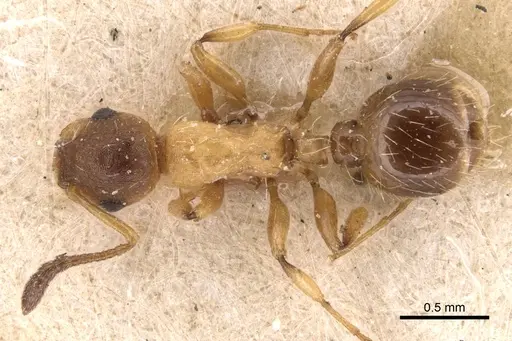
CASENT0909067
View on AntWeb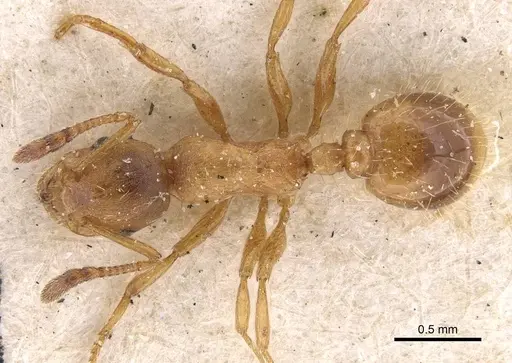
CASENT0912886
View on AntWeb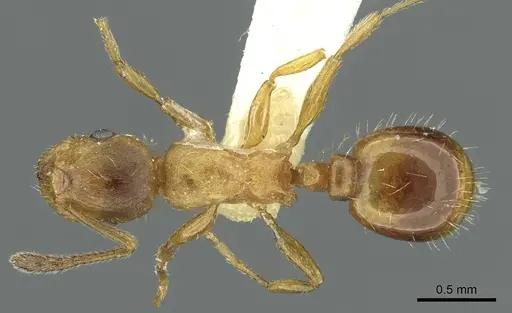
CASENT0912887
View on AntWeb
Literature
Loading...Loading products...