

Temnothorax jailensis
- Scientific Name
- Temnothorax jailensis
- Tribe
- Crematogastrini
- Subfamily
- Myrmicinae
- Author
- Arnol'di, 1977
- Distribution
- Found in 3 countries
Temnothorax jailensis Overview
Temnothorax jailensis is an ant species of the genus Temnothorax. It is primarily documented in 3 countries , including Slovenia, Czechia, Austria. Detailed taxonomic data and occurrence records can be further explored via authoritative databases such as AntWeb or the Global Biodiversity Information Facility (GBIF).
Temnothorax jailensis
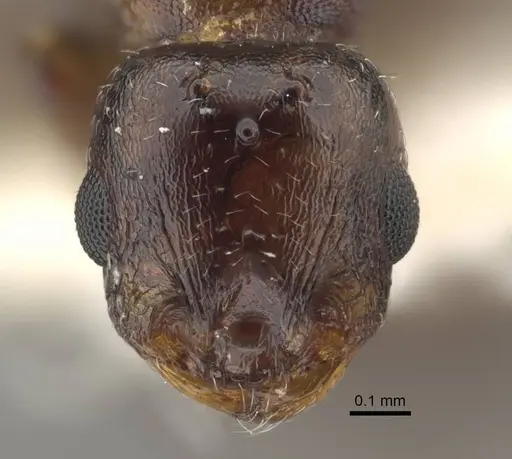
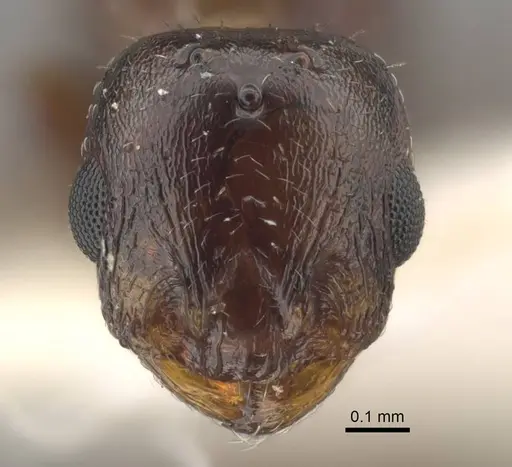
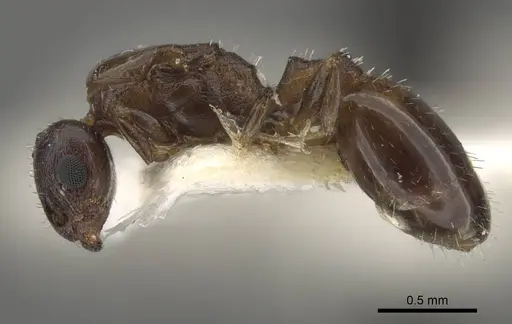
Temnothorax jailensis is a tiny, yellowish arboreal ant belonging to the Temnothorax corticalis species group. Workers measure just 2.5-4mm and have distinctive yellow antennae and body with a dark band across the gaster. The head is typically darker than the rest of the body, and the species has very short propodeal spines. This ant is native to the Palaearctic region, originally described from Crimea, with scattered populations across Central Europe including Austria, Hungary, Czech Republic, Slovakia, Slovenia, and southern Ukraine [1][2]. It is a strictly tree-dwelling species that nests in old, dead wood of deciduous trees, particularly oak species, typically at heights of 1.5-2 meters above ground [2]. The species is considered a relict with very limited distribution and is threatened by habitat loss from the decline of old, freestanding trees [3].
Quick Summary
- Difficulty: Medium
- Origin & Habitat: Native to the Palaearctic region, originally described from Crimea (Ukraine). Current known range includes Austria, Hungary, Czech Republic (southern Moravia), Slovakia, Slovenia, and Russia (European/Crimea). This is a warmth-loving, tree-dwelling ant found in thermophilic deciduous forests on warm, rocky slopes. It nests in old, dead wood of deciduous trees, particularly pubescent oak (Quercus pubescens), typically at 1.5-2m height [2][1][4].
- Colony Type: Colony structure is not well documented. The species has been found in mixed colonies with the social parasite Temnothorax ravouxi, indicating it can host social parasites. Likely single-queen colonies (monogyne) based on typical Temnothorax patterns, though this requires confirmation.
- Size & Growth:
- Queen: Approximately 4-5mm (estimated based on genus, queen described by Radchenko 1995 but measurements not specified in available data)
- Worker: 2.5-4mm [1]
- Colony: Likely small colonies of several dozen to a few hundred workers (typical for genus Temnothorax), exact maximum unknown
- Growth: Moderate, typical for small Temnothorax species
- Development: Estimated 6-10 weeks at optimal temperature based on typical Temnothorax development patterns (Direct development data not available for this species, estimates based on related Temnothorax species)
- Antkeeping:
- Temperature: Keep at 20-24°C. This is a thermophilic (warmth-loving) species requiring warmer conditions than many temperate ants. Provide a temperature gradient allowing workers to select their preferred warmth [5][4].
- Humidity: Low to moderate humidity, this is a xerothermophilous species adapted to warm, dry conditions. Keep the nest moderately dry with some moisture available. Avoid damp, stagnant conditions.
- Diapause: Likely requires a winter rest period (diapause) of 2-3 months at 5-10°C, consistent with other Central European Temnothorax species. Reduce feeding and keep cool during winter months.
- Nesting: Arboreal nester, in nature they inhabit small cavities in dead wood, under bark, or in hollow twigs of deciduous trees. In captivity, a small Y-tong (AAC) nest or plaster nest with tight chambers works well. Provide small dead wood pieces or twigs inside the nest to simulate their natural arboreal habitat. Avoid large, open spaces, they prefer tight, enclosed chambers.
- Behavior: Generally peaceful and non-aggressive. Like other Temnothorax, they are small and timid, typically fleeing rather than fighting when threatened. Workers are active foragers that search for small prey and honeydew. They are excellent climbers and will readily traverse vertical surfaces. Escape prevention is important due to their small size, use fine mesh barriers and ensure any connections are secure. They may form small satellite colonies and are known to host social parasites (Temnothorax ravouxi) in the wild [6].
- Common Issues: tiny size makes escape likely without fine mesh barriers, declining old tree habitat means wild colonies are rare and difficult to find, as a relict species with limited range, captive colonies may be challenging to establish, requires warm, dry conditions, too much humidity can be harmful, may be difficult to source as a species, not commonly available in ant trade
Housing and Nest Setup
Temnothorax jailensis requires an arboreal-style setup that mimics their natural habitat in dead wood cavities. A small Y-tong (AAC) nest or plaster formicarium with tight chambers works well. The chambers should be appropriately sized for their tiny 2.5-4mm workers, too large and they may feel insecure. Include small pieces of dead wood, twigs, or bark chips inside the nest to provide natural textures. Since they are tree-dwelling, they prefer nests that are elevated rather than ground-level. A small outworld with climbing structures (twigs, cork bark) allows them to forage naturally. Ensure all connections and barriers are secure, their small size means they can escape through surprisingly tiny gaps [2][1].
Temperature and Heating
This is a thermophilic species requiring warmer conditions than many temperate ants. Maintain temperatures between 20-24°C in the nest area. A heating cable or mat on one side of the nest creates a temperature gradient, allowing ants to self-regulate. They are found in warm, thermophilic forests in the wild, so avoid cool conditions. However, avoid overheating, temperatures above 28°C may be harmful. Room temperature within this range is acceptable, but supplemental heating may be needed in cooler environments. The species has been recorded in Austria, Hungary, and other Central European locations with warm summer temperatures [5][4].
Feeding and Diet
Like other Temnothorax species, T. jailensis is omnivorous with a preference for small protein sources and sugar. Offer small insects (fruit flies, small mealworms, pinhead crickets) as protein. They will also accept honeydew, sugar water, or honey as sugar sources. Due to their tiny size, prey items should be appropriately sized, very small insects or pre-killed portions. Feed small amounts 2-3 times per week, removing uneaten food to prevent mold. They are arboreal foragers in nature, hunting small prey and collecting honeydew from aphids on trees [1].
Humidity and Water
This is a xerothermophilous species adapted to warm, dry conditions. Keep humidity low to moderate, the nest should not be damp. Provide a small water source (test tube with cotton) but avoid high moisture levels. Good ventilation is important to prevent stagnant, moist air that can lead to mold. In the wild, they inhabit warm, rocky slopes with deciduous forests where conditions are relatively dry. The substrate or nest material should be allowed to dry between waterings [5][7].
Seasonal Care and Overwintering
Like other Central European Temnothorax species, T. jailensis likely requires a winter rest period (diapause). Reduce temperatures to 5-10°C for 2-3 months during winter, typically from late autumn through early spring. During this time, reduce feeding significantly or stop feeding entirely. Do not freeze the colony, cool but above freezing is appropriate. The species has been found in regions with cold winters (Austria, Czech Republic, Slovakia), so they are adapted to seasonal temperature changes. Resume normal temperatures and feeding in spring when the colony becomes active again [3][4].
Colony Dynamics and Social Parasites
Temnothorax jailensis is known to be host to the social parasite Temnothorax ravouxi, which has been found in mixed colonies with T. jailensis near Pécs, Hungary [6]. This means the species can be parasitized by other ants that infiltrate their colonies. In captivity, watch for signs of social parasites and ensure colony introductions are carefully monitored. The species is considered a relict with very limited distribution, making it particularly vulnerable. Its populations in Central Europe represent the western edge of its range, and it is threatened by habitat loss from declining old, freestanding trees [3][7].
Frequently Asked Questions
How long does it take for Temnothorax jailensis to produce first workers?
Exact development time is not documented, but based on typical Temnothorax patterns, expect 6-10 weeks from egg to first worker at optimal temperature (20-24°C). The first workers (nanitics) will be smaller than mature workers.
Can I keep multiple queens of Temnothorax jailensis together?
Not recommended, combining unrelated queens of this species has not been documented. Based on typical Temnothorax behavior, they are likely single-queen (monogyne) species. Multiple foundresses would likely result in aggression.
Do Temnothorax jailensis ants sting?
Temnothorax ants have a small stinger but rarely use it. This species is small and timid, they will more likely flee than sting when threatened. Any sting would be very mild.
What is the best nest type for Temnothorax jailensis?
A small Y-tong (AAC) nest or plaster formicarium with tight chambers scaled to their tiny 2.5-4mm size. Include small wood pieces or twigs to simulate their natural arboreal habitat in dead wood cavities.
Are Temnothorax jailensis good for beginners?
This species is rated as medium difficulty. While smaller than some beginner species, they are relatively hardy once established. However, they are rarely available in the ant trade due to their limited distribution and relict status. They require warm, dry conditions and proper escape prevention.
Do Temnothorax jailensis need hibernation?
Yes, they likely require a winter rest period (diapause) of 2-3 months at 5-10°C, consistent with other Central European Temnothorax species. Reduce feeding during this period and keep temperatures cool but above freezing.
Why are my Temnothorax jailensis dying?
Common causes include: too high humidity (they prefer dry conditions), temperatures outside their 20-24°C range, escape through tiny gaps due to their small size, or poor nutrition. Also check for parasites, they can host social parasites in the wild.
How big do Temnothorax jailensis colonies get?
Exact maximum is unknown, but based on typical Temnothorax genus, colonies likely reach several dozen to a few hundred workers. They are small colonies compared to many common ant species.
References

This caresheet is licensed under CC BY-SA 4.0 .
ANTWEB1041376
View on AntWeb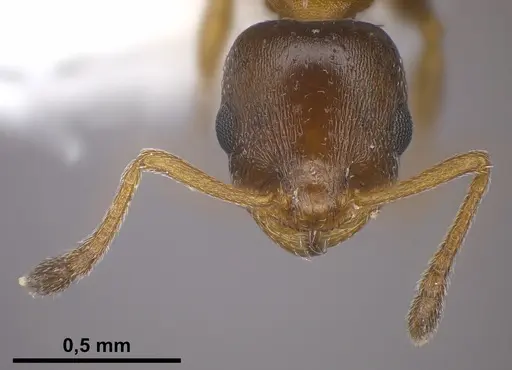
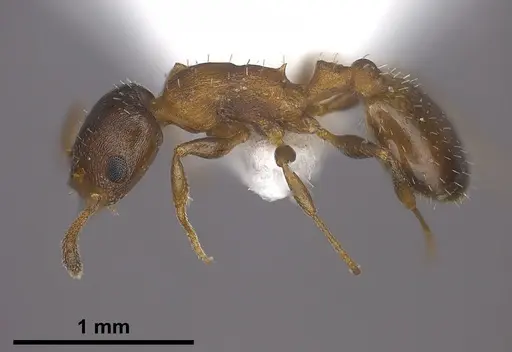
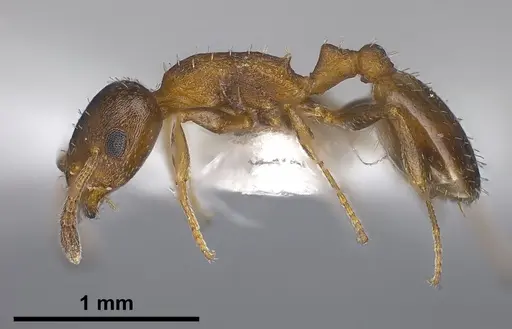
CASENT0917453
View on AntWeb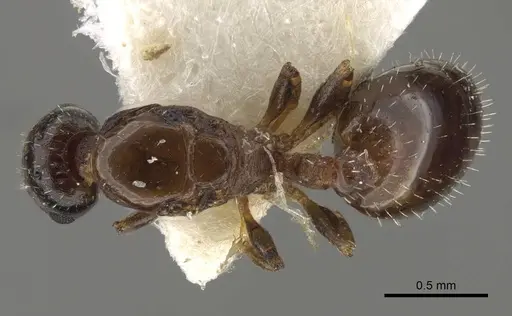
Literature
Loading...Loading products...