

Temnothorax hispidus
- Scientific Name
- Temnothorax hispidus
- Tribe
- Crematogastrini
- Subfamily
- Myrmicinae
- Author
- Cole, 1957
- Distribution
- Found in 1 countries
Temnothorax hispidus Overview
Temnothorax hispidus is an ant species of the genus Temnothorax. It is primarily documented in 1 countries , including United States of America. Detailed taxonomic data and occurrence records can be further explored via authoritative databases such as AntWeb or the Global Biodiversity Information Facility (GBIF).
Temnothorax hispidus
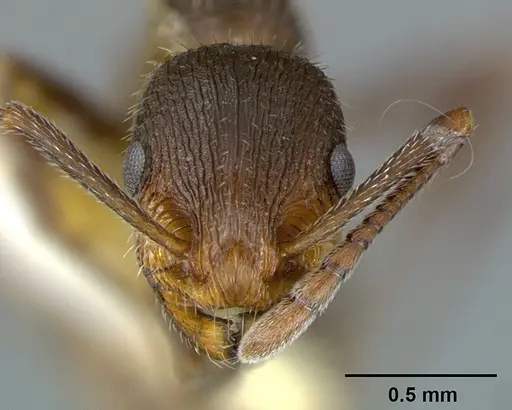
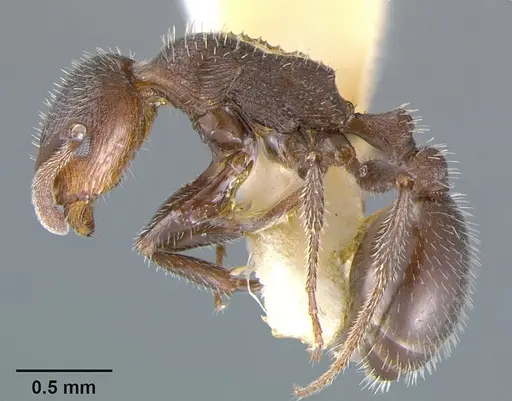
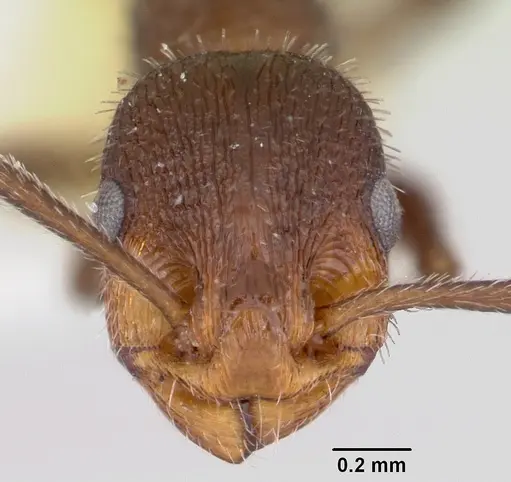
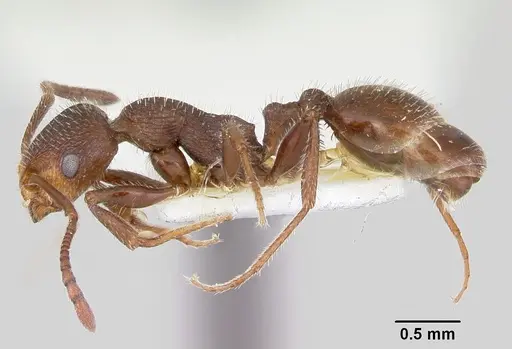
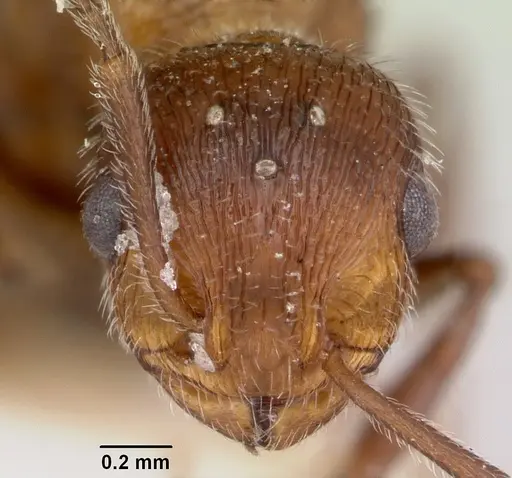
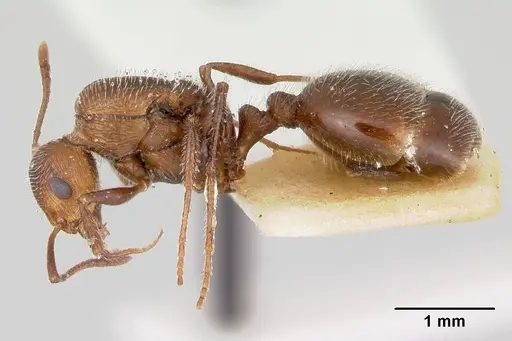
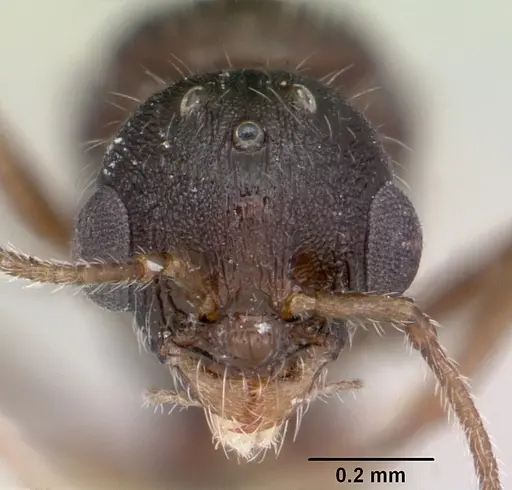
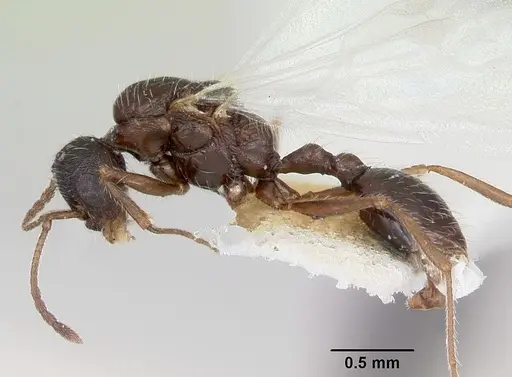
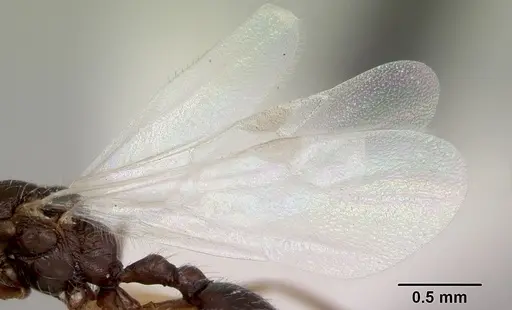
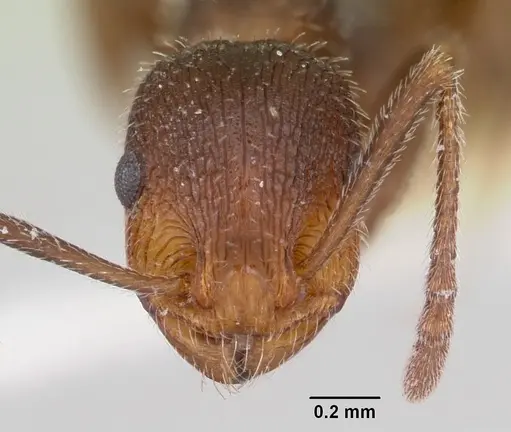
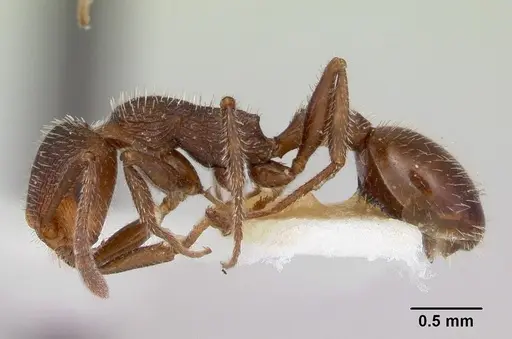
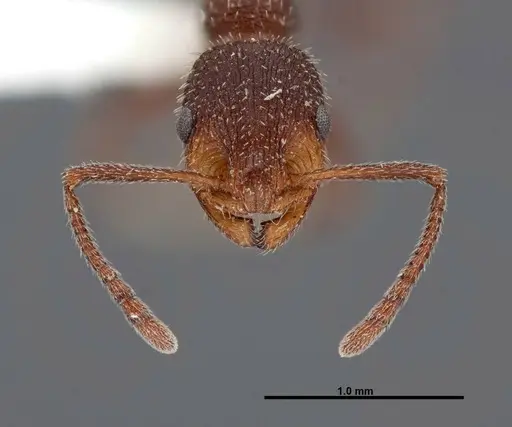
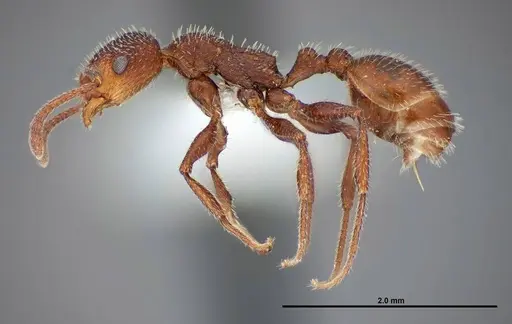
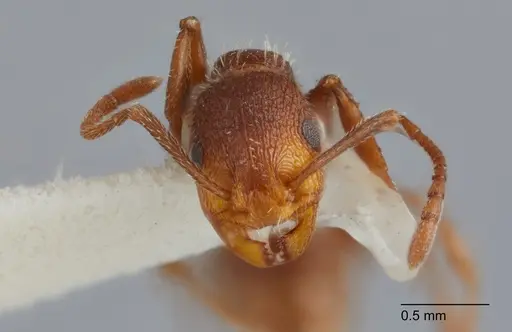
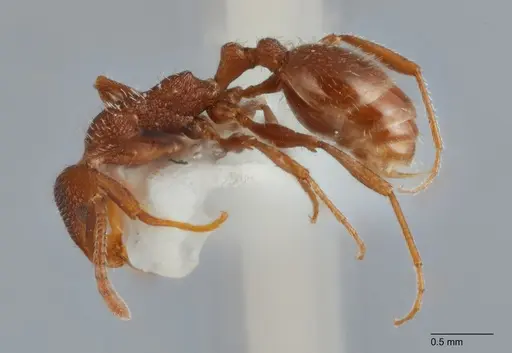
Temnothorax hispidus is a small, dark brown ant native to the southwestern United States and northern Mexico. Workers measure 3-4mm in total length, making them relatively large for the genus, with a robust build featuring coarse reticulated rugae (wrinkled sculpture) covering the head and mesosoma. The species has 12-segmented antennae, short propodeal spines appearing as small bumps, and a distinctive low, truncate petiole node. Queens are significantly larger at approximately 6mm. This species inhabits higher elevation areas in the Davis Mountains and Chiso Mountains of Texas, as well as mountainous regions in Coahuila, Nuevo León, and Zacatecas, Mexico, where it nests in moist, loamy soil beneath stones in shaded, grassy areas. The species is rarely collected and appears to have rather specific habitat requirements, being found only in small, moist pockets surrounded by arid terrain.
Quick Summary
- Difficulty: Medium
- Origin & Habitat: Southwestern United States (Texas) and northern Mexico (Coahuila, Nuevo León, Zacatecas). Found at elevations around 5,400 ft in the Davis Mountains, nesting in moist, loamy soil beneath stones in shaded, grassy, sparsely wooded areas[1]. Also found under rocks or in soil at higher elevations in the Chiso Mountains.
- Colony Type: Monogyne (single-queen colonies) based on typical Temnothorax patterns. No specific data on colony structure for this species.
- Colony: Monogyne
- Founding: Claustral
- Size & Growth:
- Queen: Approximately 6mm, direct measurement from paratype queen
- Worker: 3-4mm total length, with detailed measurement of 4.30mm for holotype worker
- Colony: Unknown for this species, typical Temnothorax colonies reach 50-500 workers
- Growth: Moderate, based on typical genus development patterns
- Development: Estimated 6-10 weeks at optimal temperature based on related Temnothorax species (Development time is inferred from typical Temnothorax genus patterns, as specific development data is not available for this species)
- Antkeeping:
- Temperature: Keep at room temperature (20-24°C) with a slight gradient. This species comes from higher elevation, cooler areas of Texas and Mexico, so avoid overheating. A gentle gradient allows workers to self-regulate
- Humidity: Requires moderate to high humidity, natural nesting sites are in moist, loamy soil beneath stones in shaded areas. Keep the nest substrate consistently damp but not waterlogged, with some drier areas available
- Diapause: Likely requires a winter rest period (diapause) given its temperate distribution. Reduce temperature to around 10-15°C for 2-3 months during winter, mimicking natural seasonal cycles
- Nesting: Prefers tight, enclosed spaces. In captivity, Y-tong (AAC) nests or test tube setups work well. Provide moist substrate (like soil or sand) that can hold humidity. The species naturally nests under stones in soil, so a naturalistic setup with a damp substrate layer and flat stone or ceramic tile on top mimics their natural chambers
- Behavior: Generally peaceful and non-aggressive. Like most Temnothorax, they are not known for stinging, their primary defense is escape rather than confrontation. Workers are active foragers, likely recruiting nestmates through tandem running (leading each other to food sources) as is typical for the genus. They have moderate escape risk due to their small size, ensure enclosures have tight-fitting lids and consider using fluon on edges. They are diurnal and actively forage during daylight hours.
- Common Issues: colonies are rarely available and may be difficult to acquire since the species is not commonly kept, higher elevation origin means they are sensitive to overheating, keep away from direct heat sources, moisture requirements are specific, too dry and colonies will fail, but too wet can cause mold issues, small colony size means slow growth, keepers need patience during the founding phase, wild-caught colonies may have parasites or health issues from their specific habitat requirements
Housing and Nest Setup
Temnothorax hispidus does well in compact nest setups that hold humidity well. A Y-tong (AAC) formicarium works excellently, the narrow chambers mimic their natural preference for tight spaces under stones. Alternatively, a test tube setup with a water reservoir can work, though you'll need to monitor moisture levels carefully. If using a naturalistic setup, fill a container with moist soil or sand mixture, then place a flat stone or ceramic tile on top to create an artificial chamber. The key is maintaining moist substrate without flooding, the soil should feel damp but you should not see standing water. These ants are not climbers and spend most of their time in the nest chamber, so you don't need tall setups. The outworld should be simple with easy access to food and water. Use escape prevention at all times, while not the smallest ants, they can still squeeze through small gaps. [1]
Feeding and Diet
Like other Temnothorax species, T. hispidus is omnivorous with a preference for protein sources. Offer small live or frozen prey such as fruit flies, pinhead crickets, small mealworms, or other appropriately-sized insects. They will also accept sugar sources, a small drop of honey water or sugar water can be offered occasionally, though protein should form the bulk of their diet. In the wild, they likely forage for small insects and tend aphids for honeydew. Feed small amounts 2-3 times per week, removing any uneaten prey after 24 hours to prevent mold. A constant water source should be available in the outworld. Since colonies start small, be conservative with portion sizes, a single fruit fly is enough for a founding colony
Temperature and Seasonal Care
Keep your colony at room temperature, ideally between 20-24°C. This species originates from higher elevation habitats in Texas and Mexico, so they prefer cooler conditions than many ant species. Avoid placing the nest near heating elements or in direct sunlight, as overheating can be fatal. A slight temperature gradient across the nest allows workers to choose their preferred zone. During winter, reduce temperatures to approximately 10-15°C for 2-3 months to provide a proper diapause (winter rest). This mimics their natural seasonal cycle and helps maintain colony health long-term. Do not feed during diapause, the colony will be largely inactive and the queen will stop laying. Resume normal feeding and temperatures gradually in spring. [1]
Colony Founding
In captivity, a single claustral queen will seal herself into a small chamber and raise her first brood without leaving to forage. She relies on stored fat reserves to survive and feed the larvae until the first workers (nanitics) emerge. This founding phase typically takes 1-2 months, though it can vary with temperature. Do not disturb a founding queen during this time, excessive vibration or light can cause her to abandon or consume her brood. Once the first workers emerge, you can begin offering tiny amounts of food, but the colony will continue to be fragile for several months. Founding colonies should be kept in dark, quiet locations with stable humidity. After the first workers appear, you can slowly introduce the colony to normal keeping conditions.
Behavior and Observation
Temnothorax hispidus is a peaceful species that is enjoyable to observe. Workers are active and will readily explore the outworld in search of food. Like other members of the genus, they likely use tandem running recruitment, one worker leads one or more nestmates to a food discovery rather than the entire colony swarming at once. This makes for interesting observation as you watch workers communicate and coordinate. They are not aggressive and will flee rather than fight when threatened. Their small size and dark coloration make them somewhat easy to overlook, but their activity level makes them engaging pets. The species is rarely kept in captivity, so observing any behaviors specific to T. hispidus would be a valuable contribution to our knowledge.
Frequently Asked Questions
How long does it take for Temnothorax hispidus to produce first workers?
Expect first workers (nanitics) to emerge in approximately 6-10 weeks after the queen lays her first eggs, assuming temperatures around 22-24°C. This is an estimate based on typical Temnothorax development, as specific timing has not been documented for this species. The founding queen will remain sealed in her chamber until the first workers emerge.
Can I keep multiple queens together?
Not recommended. While some Temnothorax species can found colonies pleometrotically (multiple queens together), there is no data on whether T. hispidus tolerates this. Combining unrelated queens risks fighting and colony failure. Start with a single queen for best success rates.
Do Temnothorax hispidus ants sting?
No, this species does not have a functional stinger. Like most Myrmicinae, they may bite if threatened, but their primary defense is escape rather than chemical defense. They are not dangerous to humans and make safe pets.
What is the best nest type for Temnothorax hispidus?
Y-tong (AAC) nests work very well because they hold humidity well and provide appropriately-sized chambers. Test tube setups can also work if you maintain proper moisture levels. The key is providing a tight, enclosed space with damp substrate, they naturally nest under stones in moist soil, so avoid dry, airy setups.
How big do Temnothorax hispidus colonies get?
Based on typical Temnothorax colony sizes, expect colonies to reach 50-500 workers at maturity. This species appears to be rarely collected and may naturally form smaller colonies than some relatives. Growth is moderate, expect several months to a year to reach 20-30 workers, then steady growth thereafter.
Do they need hibernation?
Yes, likely required. Since this species comes from temperate regions at higher elevations, they likely need a winter rest period (diapause). Reduce temperatures to 10-15°C for 2-3 months during winter. Do not feed during this period. This helps maintain colony health and mimics natural seasonal cycles.
Are Temnothorax hispidus good for beginners?
Moderate difficulty, not the easiest species but manageable for intermediate antkeepers. The main challenges are their specific humidity requirements (moist but not wet), sensitivity to heat, and the fact that they are rarely available in the antkeeping hobby. If you can maintain stable, moderate humidity and provide proper winter cooling, they can be rewarding pets.
Why are my founding colony's workers dying?
Common causes include: too dry conditions (they need moist soil), too cold temperatures (below 18°C slows development significantly), disturbance during founding (queen may eat brood), or mold from overfeeding. Ensure the founding chamber stays damp, maintain temperatures above 20°C, and minimize disturbances for the first 2-3 months. Founding colonies are fragile and require stable conditions.
References

This caresheet is licensed under CC BY-SA 4.0 .
CASENT0105861
View on AntWeb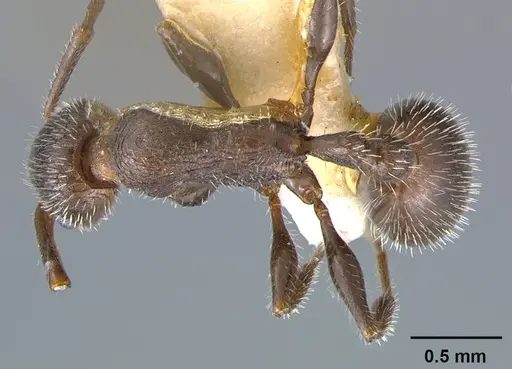
CASENT0172594
View on AntWeb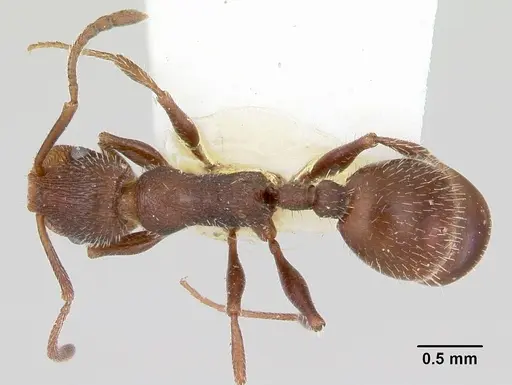
CASENT0172595
View on AntWeb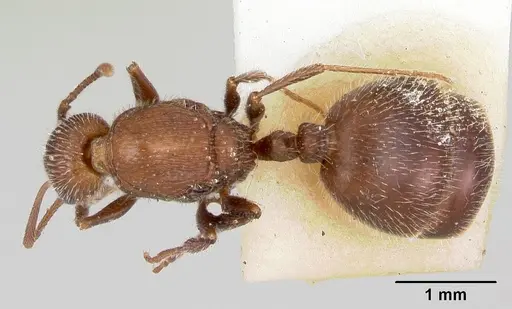
CASENT0172596
View on AntWeb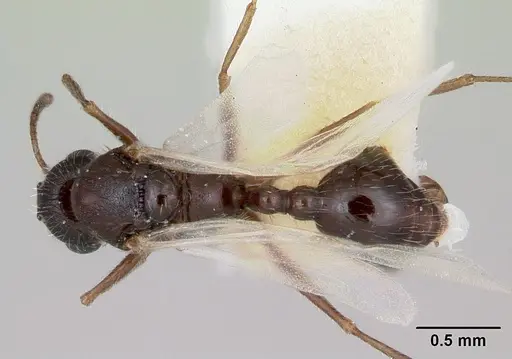
CASENT0172597
View on AntWeb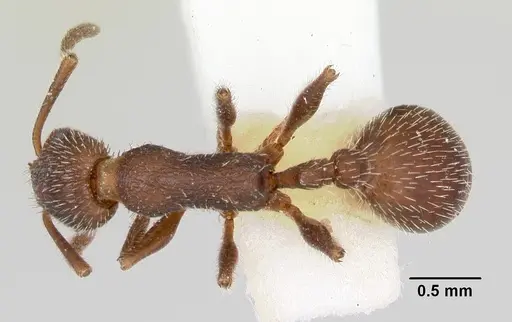
FMNHINS0000062737
View on AntWeb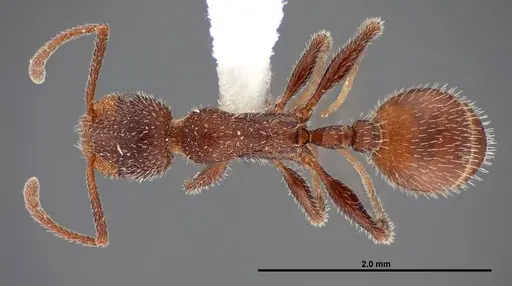
UTEPENTO60005
View on AntWeb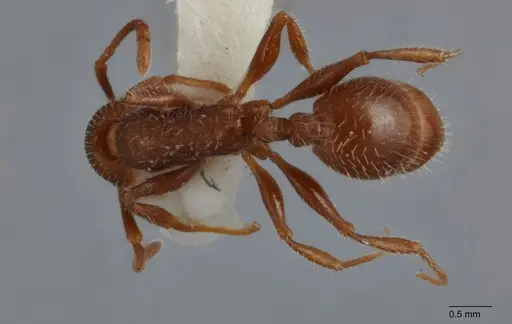
Literature
Loading...Loading products...