

Temnothorax himachalensis
- Scientific Name
- Temnothorax himachalensis
- Tribe
- Crematogastrini
- Subfamily
- Myrmicinae
- Author
- Bharti <i>et al.</i>, 2012
- Distribution
- Found in 1 countries
Temnothorax himachalensis Overview
Temnothorax himachalensis is an ant species of the genus Temnothorax. It is primarily documented in 1 countries , including India. Detailed taxonomic data and occurrence records can be further explored via authoritative databases such as AntWeb or the Global Biodiversity Information Facility (GBIF).
Temnothorax himachalensis
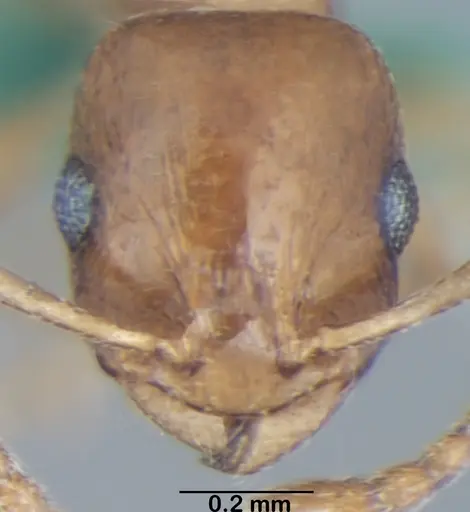
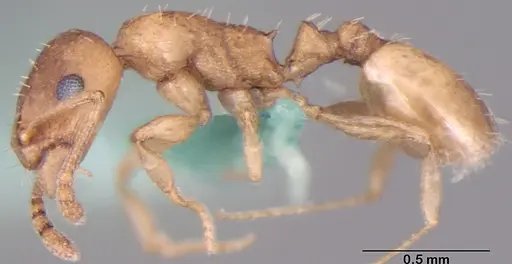
Temnothorax himachalensis is a tiny yellow ant endemic to the high altitudes of the Indian Himalayas. Workers measure just 2.35-2.79mm, making them one of the smaller ant species you'll encounter [1]. They have a distinctive appearance with a yellow to dark yellow body often showing a brownish patch on the gaster, an angular petiole, and relatively long propodeal spines [1]. This species was only described in 2012 and is named after its type locality in Himachal Pradesh [1].
What makes T. himachalensis special is its adaptation to high-altitude Himalayan environments. Found at elevations around 2800m, these ants nest under stones in mountainous areas near rivers [1]. They differ from similar yellow species like T. pallidus by having a visible metanotal groove and distinctly angular petiole shape [1]. This is a rare species in the antkeeping hobby, making it an interesting choice for collectors seeking something unusual.
Quick Summary
- Difficulty: Medium
- Origin & Habitat: Endemic to the Indian Himalayas, specifically found in Jammu & Kashmir and Himachal Pradesh at elevations around 2800m [1][2]. Natural habitats include sandy soil on open hill slopes with scattered vegetation, and mountainous areas beside rivers where they nest under stones [1].
- Colony Type: Likely single-queen colonies based on typical Temnothorax genus patterns. Colony size likely reaches several hundred workers at maturity.
- Colony: Monogyne
- Founding: Claustral
- Size & Growth:
- Queen: Unknown, not yet described in scientific literature [1]
- Worker: 2.35-2.79mm [1]
- Colony: Estimated 100-500 workers based on typical Temnothorax colony sizes
- Growth: Moderate, typical for small Myrmicinae ants
- Development: Estimated 6-10 weeks based on related Temnothorax species (Development time inferred from genus-level data, specific timing for this species unconfirmed)
- Antkeeping:
- Temperature: Keep cool compared to most ants, aim for 18-22°C. This species comes from high-altitude Himalayan regions where temperatures are moderate year-round [1]. Avoid overheating.
- Humidity: Moderate humidity around 50-70%. Their natural habitat includes areas near rivers, so they appreciate some moisture but not saturated conditions. Provide a water tube and occasional misting.
- Diapause: Yes, as a Himalayan species, they likely require a winter dormancy period. Reduce temperature to around 10-15°C for 2-3 months during winter.
- Nesting: Prefers tight, narrow chambers typical of small cavity-nesting ants. Y-tong (AAC) nests or small acrylic setups work well. They naturally nest under stones in the wild, so provide a naturalistic option with flat stones if desired [1].
- Behavior: Generally peaceful and non-aggressive. Like most Temnothorax, they are shy and will flee rather than engage. Workers are small but active foragers. Escape prevention is critical due to their tiny 2.35mm size, they can squeeze through standard barrier gaps. Use fine mesh and tight-fitting lids.
- Common Issues: escape prevention is critical, their tiny 2.35mm size means they can slip through standard barriers easily, high-altitude origin means they tolerate cool temperatures but suffer in heat above 25°C, limited availability in the antkeeping hobby makes founding colonies challenging, wild-caught colonies may struggle with captivity if not properly acclimated
Housing and Nest Setup
Temnothorax himachalensis requires tight, appropriately-sized housing due to their tiny 2.35-2.79mm worker size [1]. A Y-tong (AAC) nest with narrow chambers works excellently, or a small acrylic formicarium with tight tunnels. The chambers should be scaled to their small size, avoid tall, open spaces that can make them feel insecure.
In the wild, they nest under stones in mountainous areas, so you could also provide a naturalistic setup with flat stones placed on moist substrate [1]. This mimics their natural environment in the Himalayas near rivers. Whatever nest type you choose, ensure excellent escape prevention, these tiny ants can squeeze through gaps that seem insignificant.
The outworld should be simple and easy to maintain. A small plastic container works well for the foraging area. Use a test tube for water and a small dish for protein foods.
Temperature and Seasonal Care
As a high-altitude Himalayan species, T. himachalensis prefers cooler temperatures than most tropical ant species. Keep the nest at 18-22°C, this mimics their natural environment at around 2800m elevation where temperatures remain moderate [1].
During summer months, ensure the colony doesn't overheat. Temperatures above 25°C can be stressful. If your room is warm, consider using a small cooling method or placing the nest in a cooler area.
Winter care is important, this species likely requires a dormancy period. Reduce temperatures to 10-15°C for 2-3 months during winter, simulating the Himalayan cold season. During this time, reduce feeding but keep a water source available. This diapause period is essential for colony health and reproduction.
Feeding and Diet
Temnothorax himachalensis is an omnivorous species typical of the genus. Offer a varied diet including sugar sources (honey water, sugar water) and protein (small insects like fruit flies, pinhead crickets, or mealworms).
Feed small amounts of sugar water every few days, a tiny droplet on a cotton ball or small dish works well. For protein, offer small prey items once or twice weekly. Remove any uneaten prey after 24 hours to prevent mold.
Given their tiny size, prey items should be appropriately scaled. Fruit flies and small springtails are ideal, avoid offering prey that is larger than the workers themselves. They will also likely accept honeydew if you keep aphids, though this is optional.
Humidity and Water
Maintain moderate humidity around 50-70%. These ants come from areas near rivers in the Himalayas, so they appreciate some moisture but not saturated conditions [1]. A water tube connected to the nest provides constant access to water.
Monitor the nest substrate, it should feel slightly damp but never waterlogged. If you see condensation constantly pooling, reduce humidity. If the nest appears dry with ants clustering around the water tube, increase moisture slightly.
Good ventilation is important to prevent mold while maintaining humidity. Avoid both stagnant air (causes mold) and excessive airflow (causes drying). A small ventilation hole or mesh top on the outworld usually provides adequate airflow.
Colony Development
Colony founding is claustral, the queen seals herself in a small chamber and raises the first workers alone on her stored fat reserves [1]. This is typical for the Temnothorax genus. Expect the first nanitic (first-generation) workers to emerge smaller than normal workers.
Development from egg to worker likely takes 6-10 weeks based on related Temnothorax species, though specific timing for T. himachalensis has not been documented. The colony will grow gradually, these are small colonies that max out around a few hundred workers.
Be patient during the founding stage. The queen may seal herself in completely and not emerge until her first workers hatch. Disturb the nest as little as possible during this critical period.
Handling and Temperament
Temnothorax himachalensis is a peaceful, non-aggressive species. Workers are shy and will typically flee rather than defend the colony. They pose no threat to keepers, they cannot sting and are too small to bite effectively.
When observing your colony, you'll see active foragers exploring the outworld. They use chemical trails to recruit nestmates to food sources. Despite their small size, they are fascinating to watch due to their complex social behaviors.
Always use excellent escape prevention. Their tiny 2.35mm size means they can escape through gaps that seem insignificant. Apply Fluon or similar barriers to the rim of the outworld and use fine mesh if using any ventilation. [1]
Frequently Asked Questions
How long does it take for Temnothorax himachalensis to have first workers?
Based on related Temnothorax species, expect 6-10 weeks from egg to first worker at optimal temperatures (around 20°C). The exact timing for this species has not been documented, so this is an estimate.
What temperature do Temnothorax himachalensis ants need?
Keep them cool at 18-22°C. This high-altitude Himalayan species prefers moderate temperatures and can suffer if kept above 25°C. Avoid heat sources that would overwarm the nest.
Do Temnothorax himachalensis ants sting?
No, this species cannot sting. They are completely harmless to keepers. As tiny Myrmicinae ants, they lack a functional stinger and are too small to bite effectively.
How big do Temnothorax himachalensis colonies get?
Based on typical Temnothorax colony sizes, expect 100-500 workers at maturity. This is a small colony species compared to many common ant species.
Can I keep Temnothorax himachalensis in a test tube?
Yes, test tubes work well for founding colonies. The queen will seal herself in and raise her first workers in the tube. For established colonies, consider moving to a small Y-tong or acrylic nest with appropriately sized chambers.
Do Temnothorax himachalensis need hibernation?
Yes, as a Himalayan high-altitude species, they require a winter dormancy period. Reduce temperatures to 10-15°C for 2-3 months during winter to simulate their natural seasonal cycle.
What do Temnothorax himachalensis eat?
They are omnivorous, offer sugar water or honey water as a constant energy source, and small protein items like fruit flies, pinhead crickets, or small mealworms once or twice weekly.
Are Temnothorax himachalensis good for beginners?
This species is rated as medium difficulty. While peaceful and manageable, their tiny size makes escape prevention critical, and they require specific cool temperature conditions. They are also rarely available in the hobby.
Where is Temnothorax himachalensis found?
This species is endemic to the Indian Himalayas, specifically found in Jammu & Kashmir and Himachal Pradesh at elevations around 2800m [1][2].
Why are my Temnothorax himachalensis dying?
Common causes include: temperatures above 25°C (they prefer cool conditions), poor escape prevention allowing escapes, mold from overwatering, or stress from disturbance during founding. Check temperature first, then review your humidity and setup.
References

This caresheet is licensed under CC BY-SA 4.0 .
ANTWEB1008014
View on AntWeb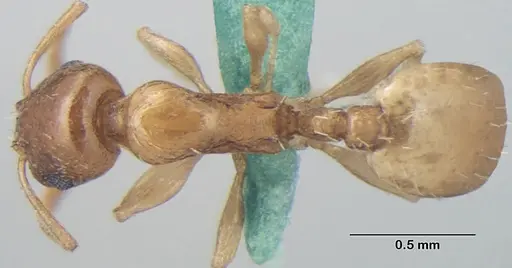
Literature
Loading...Loading products...