

Temnothorax grouvellei
- Scientific Name
- Temnothorax grouvellei
- Tribe
- Crematogastrini
- Subfamily
- Myrmicinae
- Author
- Bondroit, 1918
- Distribution
- Found in 2 countries
Temnothorax grouvellei Overview
Temnothorax grouvellei is an ant species of the genus Temnothorax. It is primarily documented in 2 countries , including Spain, France. Detailed taxonomic data and occurrence records can be further explored via authoritative databases such as AntWeb or the Global Biodiversity Information Facility (GBIF).
Temnothorax grouvellei
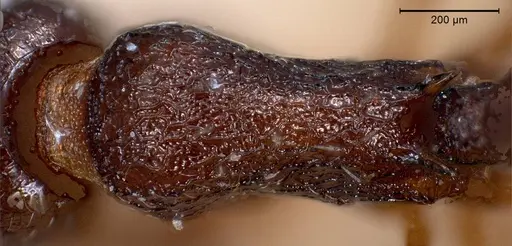
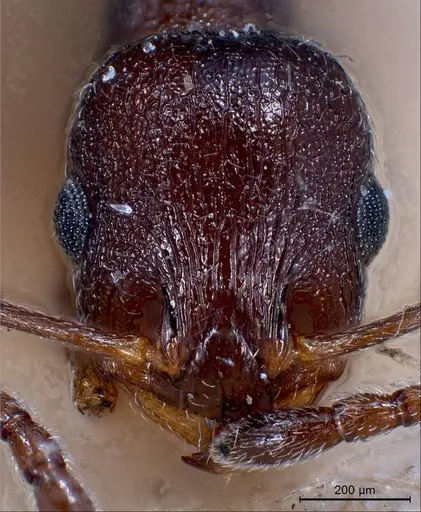
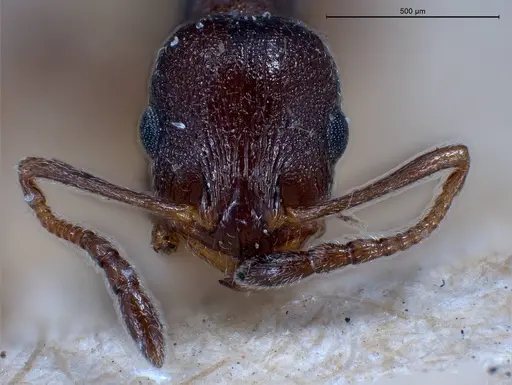
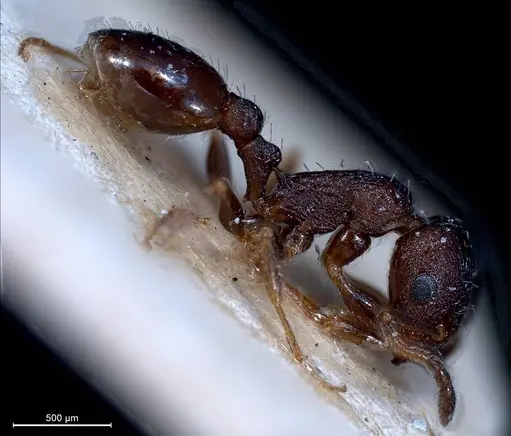
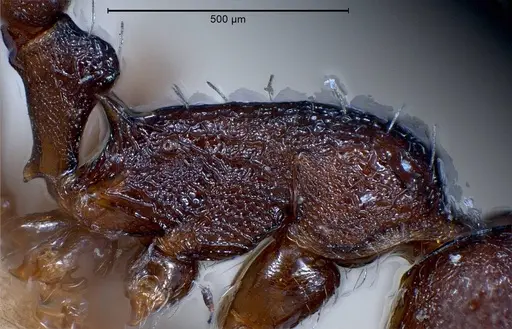
Temnothorax grouvellei is a small Mediterranean ant species native to France and the Iberian Peninsula. Workers are tiny, typically measuring 3-4mm, with a dark body and relatively long spines and scapes that help distinguish them from similar species [1]. This species inhabits warm, rocky Mediterranean environments including cliffs, scrubland, and open mountain slopes at elevations between 654 and 1,318 meters [2][3]. Colonies are small, which is typical for the genus, and they prefer nesting in pre-existing cavities under stones or in rotting wood rather than excavating their own nests.
Quick Summary
- Difficulty: Easy
- Origin & Habitat: Native to France (Pyrenees, Mediterranean coast) and the Iberian Peninsula. This is a Mediterranean mountain species found in warm, rocky habitats including cliffs, scrubland, and open forest edges at elevations up to 1,318m [2][3][4].
- Colony Type: Likely single-queen colonies (monogyne) based on typical Temnothorax patterns. Small colony size with likely under 100 workers at maturity.
- Colony: Monogyne
- Founding: Claustral
- Size & Growth:
- Queen: Estimated 5-6mm based on genus typical size range
- Worker: Estimated 3-4mm based on genus patterns
- Colony: Small colonies, likely under 100 workers at maturity [2]
- Growth: Moderate
- Development: Estimated 6-10 weeks at optimal temperature based on typical Temnothorax development (Development time inferred from genus patterns, specific data for this species unavailable)
- Antkeeping:
- Temperature: Keep at room temperature (18-24°C), with a slight warm bias reflecting their Mediterranean mountain habitat. A gentle gradient allows workers to choose their preferred temperature.
- Humidity: Moderate humidity (50-70%). These are not moisture-dependent ants, they come from relatively dry Mediterranean rocky habitats. Provide a damp section but allow drying between water additions.
- Diapause: Yes, a winter rest period is recommended. Reduce temperature to 10-15°C for 2-3 months during winter, mimicking their natural cold-season dormancy at higher elevations.
- Nesting: Provide tight chambers and narrow passages scaled to their tiny size. Y-tong (AAC) nests or small acrylic setups work well. They prefer pre-existing cavities and will readily adopt test tube setups with suitable cover.
- Behavior: Generally peaceful and non-aggressive. Workers are small but active foragers, searching for honeydew and small insects. They are not known to sting and pose no danger to keepers. Escape prevention is important due to their tiny size, use fine mesh barriers and tight-fitting lids. They are evening swarmer species, with nuptial flights occurring in July-August [2][5].
- Common Issues: tiny size means escapes are likely without fine mesh barriers, small colony size makes them vulnerable to disturbance, handle gently, winter diapause is essential for colony health, skipping hibernation may weaken colonies, wild-caught colonies may have parasites that can decimate small colonies, slow growth can test keeper patience, resist overfeeding
Housing and Nest Setup
Temnothorax grouvellei does well in small, compact nests that match their tiny size. Y-tong (AAC) nests with narrow chambers work excellently, as do small acrylic formicariums. Test tube setups with cotton plugs and dark coverings are also readily accepted, particularly for founding colonies. The key is providing appropriately scaled passages, passages too wide will stress the ants as they cannot patrol effectively. Include a small water reservoir for humidity but avoid oversaturation. These ants prefer dark, quiet locations and should be kept away from vibrations and direct sunlight. [2][3]
Feeding and Diet
Like most Temnothorax species, T. grouvellei is omnivorous with a preference for small soft-bodied prey and honeydew. Offer small insects like fruit flies, pinhead crickets, or small mealworms as protein sources. Sugar water, honey diluted with water, or commercial ant sweets provide carbohydrates. Feed small amounts 2-3 times per week for established colonies, removing uneaten food promptly to prevent mold. Foundress queens can survive on stored fat reserves alone (claustral founding), but you may offer a tiny drop of honey occasionally.
Temperature and Seasonal Care
Maintain temperatures in the 18-24°C range, with 20-22°C being ideal for brood development. These Mediterranean mountain ants appreciate a warm side in their enclosure but do not require intense heating. During winter (roughly November-February in the Northern Hemisphere), provide a diapause period by reducing temperatures to 10-15°C. This mimics their natural seasonal cycle at higher elevations and is important for colony health and triggering reproductive behavior. Do not skip hibernation, it weakens colonies and may prevent future nuptial flights. [2]
Colony Founding
Newly mated queens of T. grouvellei are likely claustral, meaning they seal themselves in a small chamber and raise their first workers without leaving to forage. The queen uses stored fat reserves to survive and feed her brood. Provide a quiet, dark location and do not disturb the founding chamber for at least 4-6 weeks. Once the first workers (nanitics) emerge, they will begin foraging. At this point, you can offer tiny food items near the nest entrance. Colony growth is slow initially but accelerates once the first dozen workers are established.
Behavior and Observation
Workers of T. grouvellei are active foragers that search for small prey and honeydew. They are not aggressive and will flee rather than engage threats. The species is known to swarm in the evening during July-August, when winged reproductives leave the colony for mating flights [2][5]. Their small size makes them excellent escape artists, ensure all barriers are secure and consider using fluon on enclosure edges. Observation is rewarding as they display typical Temnothorax behaviors including tandem running (leading nestmates to food sources) and careful brood care.
Frequently Asked Questions
How long does it take for Temnothorax grouvellei to raise first workers?
Expect first workers (nanitics) to emerge 6-10 weeks after the queen lays eggs, assuming temperatures around 20-22°C. This is typical for the genus, growth is slow initially but accelerates once the colony reaches 10-20 workers.
Do Temnothorax grouvellei ants sting?
No, these ants are not known to sting and pose no danger to keepers. They are small and peaceful, relying on escape rather than defense.
Can I keep multiple queens together?
This species is likely monogyne (single-queen colonies). Combining unrelated foundresses is not recommended as they would likely fight. If you obtain a polygynous colony from the wild, they may tolerate multiple queens but this is not typical for the species.
What size colony do Temnothorax grouvellei reach?
Colonies remain small, typically under 100 workers at maturity. This is typical for the genus and reflects their preference for nesting in small pre-existing cavities.
Do Temnothorax grouvellei need hibernation?
Yes, a winter diapause is recommended. Reduce temperatures to 10-15°C for 2-3 months during winter. This mimics their natural cycle at Mediterranean mountain elevations and helps maintain colony health.
What do Temnothorax grouvellei eat?
They are omnivorous. Offer small soft-bodied insects as protein and sugar sources (honey water, sugar water, or commercial ant sweets). They forage actively and will collect honeydew from aphids if available.
Are Temnothorax grouvellei good for beginners?
Yes, they are considered easy to keep. Their small size and modest requirements make them suitable for beginners. The main challenges are escape prevention due to their tiny size and providing appropriate winter diapause.
When do Temnothorax grouvellei have nuptial flights?
Nuptial flights occur in July-August, typically in the evening [2][5]. If you have a mature colony, you may observe winged reproductives developing in summer.
Why is my colony growing slowly?
Slow growth is normal for this genus. Temnothorax colonies focus on quality over quantity, they invest heavily in each brood. Ensure temperatures are warm enough (18-24°C), provide appropriate protein, and avoid disturbing the nest. Growth accelerates once you have 10-20 workers.
References

This caresheet is licensed under CC BY-SA 4.0 .
ANTWEB1008440
View on AntWeb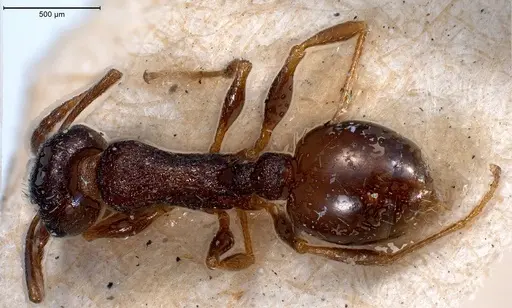
Literature
Loading...Loading products...