

Temnothorax gentilis
- Scientific Name
- Temnothorax gentilis
- Tribe
- Crematogastrini
- Subfamily
- Myrmicinae
- Author
- Santschi, 1923
- Distribution
- Found in 1 countries
Temnothorax gentilis Overview
Temnothorax gentilis is an ant species of the genus Temnothorax. It is primarily documented in 1 countries , including Algeria. Detailed taxonomic data and occurrence records can be further explored via authoritative databases such as AntWeb or the Global Biodiversity Information Facility (GBIF).
Temnothorax gentilis
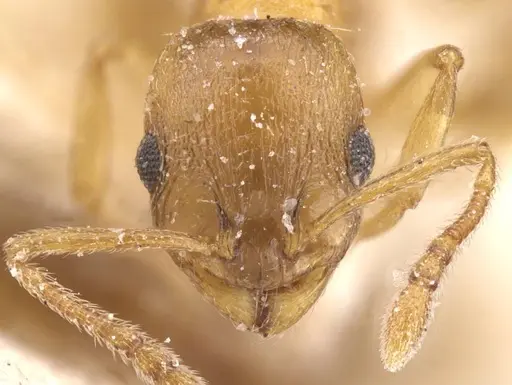
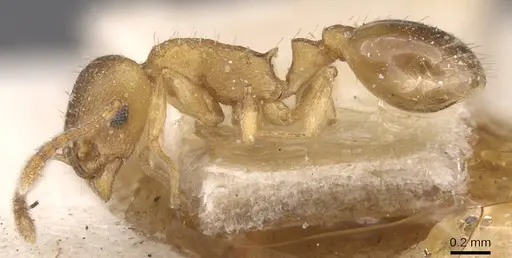
Temnothorax gentilis is a small ant species belonging to the tebessae superespecies group [1]. Workers are typical of the genus, small, measuring around 3-4mm, with a generally dark coloration. This species is found in the Iberian Peninsula region, where it inhabits dry to moderately humid habitats. Like other Temnothorax species, they nest in pre-existing cavities such as hollow twigs, under stones, or in small rock crevices. Colonies remain relatively small, typically under a few hundred workers. They are peaceful ants that don't show aggressive swarming behavior, making them suitable for observation-focused antkeeping.
Quick Summary
- Difficulty: Medium
- Origin & Habitat: Iberian Peninsula region, dry to moderately humid habitats with access to small cavities for nesting
- Colony Type: Likely monogyne (single queen) based on typical genus patterns, colonies typically have one founding queen that establishes the nest
- Colony: Monogyne
- Founding: Claustral
- Size & Growth:
- Queen: Estimated 5-6mm based on genus typical size
- Worker: Estimated 3-4mm based on genus typical size
- Colony: Likely under 500 workers based on typical genus patterns
- Growth: Moderate
- Development: Estimated 6-10 weeks based on typical Temnothorax development at room temperature (Development time is estimated from genus-level data, specific timing for this species has not been documented)
- Antkeeping:
- Temperature: Keep at room temperature (18-24°C). They tolerate a range from cool to moderately warm conditions. A slight temperature gradient allows ants to choose their preferred zone.
- Humidity: Moderate humidity (50-70%). They prefer dry to slightly damp nesting conditions, avoid overly wet substrates that can cause mold issues.
- Diapause: Likely requires a winter rest period (diapause) of 2-3 months at cooler temperatures (5-10°C), typical of temperate European Temnothorax species.
- Nesting: Provide small cavities, test tubes with cotton, small acrylic nests, or natural setups with twigs and small stones work well. They prefer tight-fitting chambers scaled to their tiny size.
- Behavior: Peaceful and non-aggressive. Workers are small and not particularly defensive, they will flee rather than engage. They are active foragers that search for small prey and honeydew. Escape prevention is important due to their tiny size, they can squeeze through small gaps. They are not known to sting and pose no danger to keepers.
- Common Issues: tiny size makes escape prevention critical, use fine mesh and tight-fitting lids, limited species-specific care information means using genus-typical husbandry, slow colony growth can test beginner patience, wild-caught colonies may carry parasites that can cause colony failure, overheating or overly humid conditions can be fatal, they prefer dry, stable environments
Housing and Nest Preferences
Temnothorax gentilis thrives in small, enclosed spaces that mimic their natural nesting sites in hollow twigs, under stones, and in rock crevices. For captive care, test tube setups work excellently, use a small test tube with a water reservoir sealed with cotton, providing a humidity gradient the ants can move along. Alternatively, small acrylic nests (Y-tong style) with narrow chambers scaled to their tiny size work well. Avoid large, open spaces that can stress these small ants. A naturalistic setup with small stones, twigs, and a thin layer of substrate can also work, but ensure escape prevention is excellent due to their small size. The nest should be kept in a quiet area with minimal vibration, they startle easily and may abandon brood if disturbed frequently. [1]
Feeding and Diet
Like other Temnothorax species, these ants are opportunistic feeders that accept both sugar sources and protein. Offer sugar water, honey, or diluted maple syrup as a constant carbohydrate source. For protein, provide small live prey such as fruit flies, pinhead crickets, or small mealworms. They are not aggressive hunters, so prey should be small and easy to handle. In the wild, they likely forage for small insects and tend aphids for honeydew. Feed small amounts 2-3 times per week, removing uneaten prey after 24 hours to prevent mold. A constant sugar source should always be available.
Temperature and Seasonal Care
Temnothorax gentilis does well at standard room temperatures ranging from 18-24°C. They can tolerate brief periods cooler or warmer, but avoid extremes. A heating cable on one side of the nest can create a temperature gradient, allowing ants to regulate their own temperature by moving between zones. As a temperate species, they require a winter diapause period of 2-3 months. During autumn, gradually reduce temperatures to around 5-10°C and reduce feeding. Keep them in a cool location like an unheated garage or refrigerator (not freezer) during this period. Resume normal temperatures and feeding in spring. This rest period is important for colony health and triggering reproductive behavior.
Behavior and Colony Dynamics
This species forms small, peaceful colonies centered around a single queen. Workers are not aggressive and typically flee from threats rather than defend. They are active foragers that search for food throughout their territory. Colonies grow slowly, a well-established colony after a year might reach 50-100 workers. Unlike some ants, they do not have a functional stinger and pose no danger to keepers. Their small size means they are excellent escape artists, always use fluon or similar barriers on housing edges and ensure lids fit tightly. Watch for claustral founding behavior: the queen will seal herself into a small chamber and not leave until the first workers (nanitics) emerge.
Frequently Asked Questions
How long does it take for Temnothorax gentilis to raise their first workers?
Based on typical Temnothorax development, expect 6-10 weeks from egg to first worker (nanitic) at room temperature. This is an estimate based on genus patterns, specific development timing for this species has not been documented.
Can I keep Temnothorax gentilis in a test tube?
Yes, test tubes are ideal for this species. Use a small test tube with a water reservoir sealed with cotton. The small diameter matches their natural nesting preferences in hollow twigs and crevices.
Do Temnothorax gentilis ants sting?
No, they do not sting. These are peaceful ants that rely on flight rather than defense. They pose no danger to keepers.
How big do Temnothorax gentilis colonies get?
Colonies likely reach under 500 workers at maturity, which is typical for the genus. Growth is slow, expect several months to a year to reach 50-100 workers.
Do Temnothorax gentilis need hibernation?
Yes, as a temperate species they require a winter rest period (diapause) of 2-3 months at cooler temperatures (5-10°C). Reduce temperatures gradually in autumn and resume normal care in spring.
Are Temnothorax gentilis good for beginners?
They are suitable for intermediate keepers due to limited species-specific care information available. They are peaceful and small, but require excellent escape prevention and proper winter diapause.
What do Temnothorax gentilis eat?
They accept sugar sources (honey, sugar water, maple syrup) and small protein prey (fruit flies, small crickets, mealworms). Offer a constant sugar source and small protein feedings 2-3 times weekly.
When should I move Temnothorax gentilis to a formicarium?
Wait until the colony has at least 50-100 workers before considering a larger setup. Test tubes work well for small colonies, only upgrade when the colony clearly outgrows the tube or produces alates (reproductives).
Why are my Temnothorax gentilis dying?
Common causes include: escape due to inadequate barriers, overheating, excessive humidity causing mold, disturbance during founding, or parasites from wild-caught colonies. Ensure stable temperatures, moderate humidity, and minimal disturbance.
Can I keep multiple queens together?
Not recommended. This species is likely monogyne (single queen). Combining unrelated queens has not been studied and typically results in fighting.
References

This caresheet is licensed under CC BY-SA 4.0 .
CASENT0912923
View on AntWeb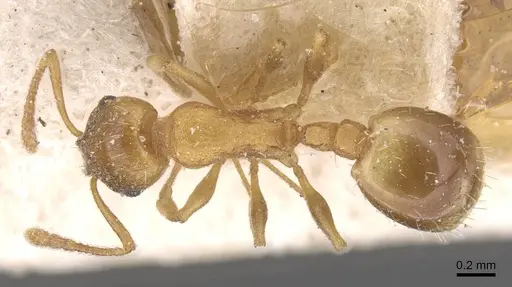
Literature
Loading...Loading products...