

Temnothorax furunculus
- Scientific Name
- Temnothorax furunculus
- Tribe
- Crematogastrini
- Subfamily
- Myrmicinae
- Author
- Wheeler, 1909
- Distribution
- Found in 1 countries
Temnothorax furunculus Overview
Temnothorax furunculus is an ant species of the genus Temnothorax. It is primarily documented in 1 countries , including United States of America. Detailed taxonomic data and occurrence records can be further explored via authoritative databases such as AntWeb or the Global Biodiversity Information Facility (GBIF).
Temnothorax furunculus
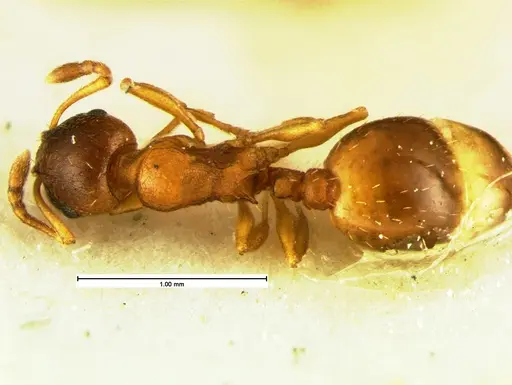
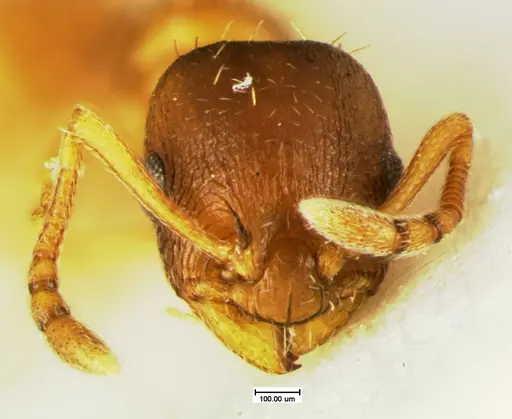
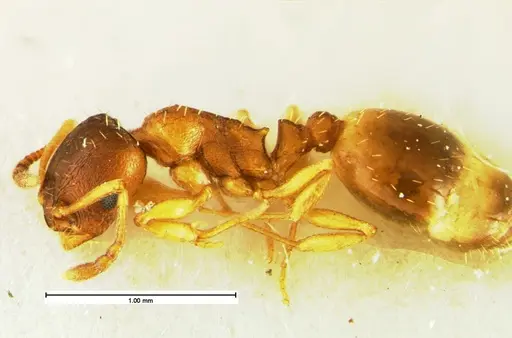
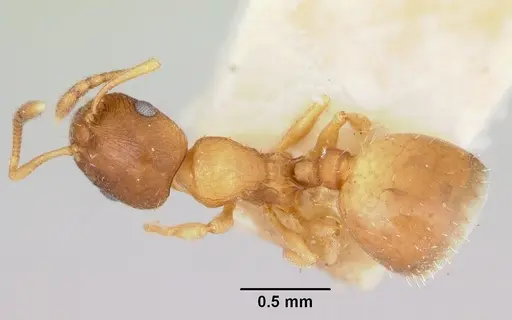
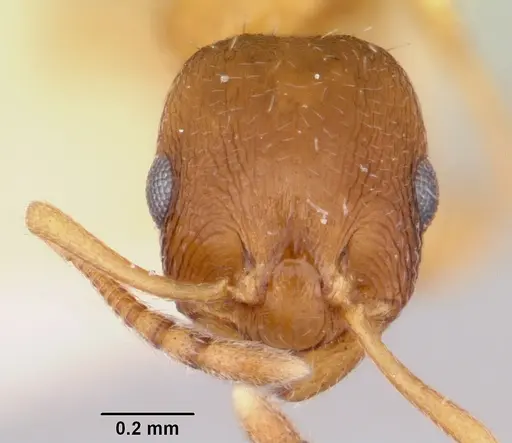
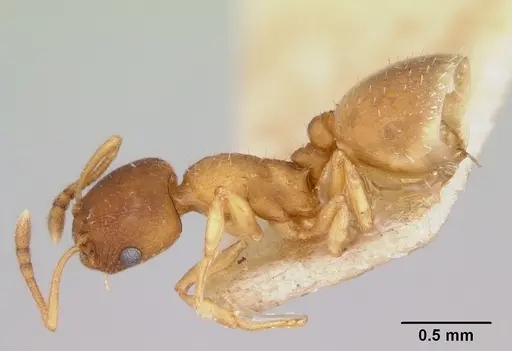
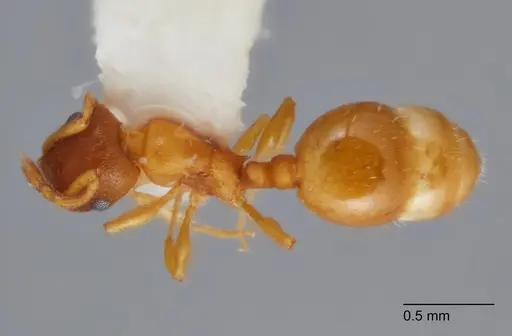
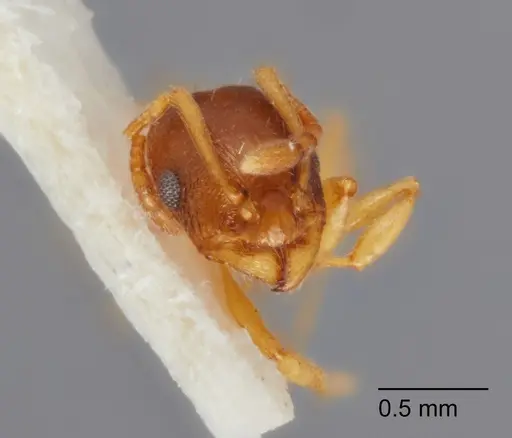
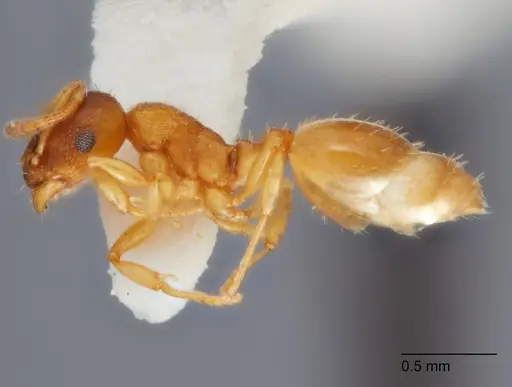
Temnothorax furunculus is a small, slender ant native to the mountainous regions of Colorado and Wyoming in the United States. Workers measure around 3-4mm with queens reaching approximately 5-6mm. They have the typical Temnothorax body shape, a relatively large head compared to their thorax, and a smooth, glossy appearance. The coloration varies but generally features a darker head and gaster with a lighter mesosoma. These ants are part of the Leptothorax genus group and were historically classified as Temnothorax furunculus before being reclassified to Temnothorax [1][2].
In the wild, these ants inhabit rocky mountain environments where they nest in small cavities under stones or in decaying wood. They are a temperate species adapted to cooler conditions with distinct seasonal cycles. Like other Temnothorax species, they are relatively peaceful and form colonies that remain modest in size compared to many other ant species.
Quick Summary
- Difficulty: Easy
- Origin & Habitat: Native to the Rocky Mountain region of the United States, specifically documented in Colorado (Manitou) and Wyoming. They inhabit rocky, mountainous areas and nest in small cavities under stones or in rotting wood [1][2].
- Colony Type: Likely single-queen colonies (monogyne), which is typical for most Temnothorax species. Colonies remain relatively small, typically under a few hundred workers.
- Colony: Monogyne
- Founding: Claustral
- Size & Growth:
- Queen: Approximately 5-6mm, typical for the genus
- Worker: Approximately 3-4mm
- Colony: Likely up to 200-500 workers at maturity based on typical Temnothorax colony sizes
- Growth: Moderate
- Development: Estimated 6-10 weeks at optimal temperature based on typical Temnothorax development patterns (Development time varies with temperature, warmer conditions within acceptable range speed up development, cooler conditions slow it down)
- Antkeeping:
- Temperature: Keep nest area at 20-24°C. These temperate ants prefer cooler conditions than many tropical species and do not require high heat. A slight temperature gradient allows ants to regulate their own conditions.
- Humidity: Moderate humidity preferred. Keep the nest substrate lightly moist but not waterlogged. These ants naturally inhabit areas with moderate moisture, think damp forest floor with good drainage rather than saturated conditions.
- Diapause: Yes, as a temperate species from Colorado and Wyoming, they require a winter dormancy period. Reduce temperature to around 10-15°C for 2-3 months during winter, mimicking natural seasonal cycles.
- Nesting: Best kept in test tubes for founding colonies, transitioning to small formicariums with tight chambers. They prefer narrow passages and small chambers scaled to their tiny size. Y-tong (AAC) nests or small acrylic setups work well. Naturalistic setups with stones and small cavities also suit them.
- Behavior: Generally peaceful and non-aggressive. Workers are small but active foragers that search for small prey and honeydew. They are not known for stinging and pose no danger to keepers. Their small size means escape prevention is important, they can squeeze through tiny gaps. Workers are moderately active and will readily explore their environment. They do not form large colonies that would pose swarm defense concerns.
- Common Issues: escape prevention is critical due to their tiny size, use fine mesh and tight-fitting lids, colonies grow slowly which can frustrate beginners, patience is key, winter dormancy is required for long-term colony health, skipping hibernation can weaken colonies, test tube setups can dry out quickly, monitor water reservoirs regularly, wild-caught colonies may contain parasites that can devastate captive populations
Housing and Nest Setup
For founding colonies, a simple test tube setup works excellently. Fill the tube with water reservoir behind a cotton plug, place the queen in the open end, and let her seal herself into a dark corner. Keep the tube horizontal with the water end slightly elevated so the queen can access humidity without drowning. Once the colony reaches 20-30 workers, you can transition to a small formicarium. Y-tong (AAC) nests are ideal because they provide the tight chambers and passages these small ants prefer. Avoid large, open spaces that can stress them. If using a naturalistic setup, provide small stones or decorations that create natural-looking cavities. Always use excellent escape prevention, these tiny ants can squeeze through gaps that seem impossible. [1][2]
Feeding and Diet
Temnothorax furunculus accepts a varied diet similar to other small ants. Offer sugar sources regularly, a drop of honey or sugar water every few days provides essential energy. For protein, small prey items work best: fruit flies, small mealworms, pinhead crickets, or other appropriately-sized insects. They are not aggressive hunters but will readily scavenge dead prey. In the wild, they likely forage for honeydew from aphids and small insects. Feed them small portions that can be consumed within a day or two to prevent mold issues. Remove uneaten prey to maintain colony health. A varied diet supports faster colony growth and queen egg production.
Temperature and Seasonal Care
These temperate ants prefer cooler conditions than many common ant species. Maintain nest temperatures between 20-24°C during the active season. They can tolerate brief periods slightly above or below this range but perform best in stable, moderate conditions. During summer, room temperature is often suitable without additional heating. In winter, they require a diapause (hibernation) period of 2-3 months. Reduce temperatures to 10-15°C and reduce feeding to once monthly or less. This mimics their natural seasonal cycle in the Rocky Mountains. Do not skip hibernation, it is essential for colony health and triggers reproductive cycles in the spring. Return to normal temperatures gradually in spring. [1][2]
Colony Development and Growth
Colony growth is moderate and follows typical Temnothorax patterns. After the claustral queen seals herself in, she will lay eggs and tend to the brood without leaving the nest. First workers (nanitics) emerge smaller than mature workers but will immediately begin helping with colony tasks. A healthy founding colony should produce nanitics within 6-10 weeks under optimal conditions. Growth rate depends heavily on temperature and feeding, warmer conditions within range and regular protein feeding accelerate development. Colonies remain modest in size, typically reaching a few hundred workers at maturity. The queen has a relatively long lifespan for an ant, potentially living 10-15 years with proper care.
Behavior and Temperament
These ants are peaceful and suitable for observation without special precautions. Workers are active foragers that will explore their outworld searching for food. They are not defensive and rarely bite, making them safe for handling if necessary. Their small size means they are best observed through the nest walls rather than interacting directly. Workers communicate through chemical trails and will recruit nestmates to good food sources. Unlike some ants, they do not exhibit aggressive swarming behavior. The main behavioral concern is their small size making them prone to escaping, always use barriers and fine mesh. They are diurnal with peak activity during daylight hours.
Frequently Asked Questions
How long does it take for Temnothorax furunculus to produce first workers?
First workers (nanitics) typically appear within 6-10 weeks after the queen lays eggs, assuming temperatures around 20-24°C. This timeline varies based on temperature, warmer conditions within the acceptable range speed development while cooler conditions slow it down. The queen raises the first brood alone, sealed inside her founding chamber.
Do Temnothorax furunculus ants need hibernation?
Yes, they require a winter dormancy period. As a temperate species from Colorado and Wyoming, they are adapted to seasonal cycles. Reduce temperatures to 10-15°C for 2-3 months during winter and reduce feeding significantly. Skipping hibernation can weaken the colony and prevent spring reproduction.
What do Temnothorax furunculus eat?
They accept a varied diet: sugar sources like honey or sugar water for energy, and small protein sources like fruit flies, small mealworms, or pinhead crickets. They are not aggressive predators but will readily scavenge dead insects. Offer small portions that can be consumed within a day or two.
Are Temnothorax furunculus good for beginners?
Yes, they are generally beginner-friendly. They are peaceful, do not require special equipment, and tolerate a range of conditions. The main challenges are their small size requiring good escape prevention and their relatively slow growth compared to faster-growing species like Lasius. Patience is key.
How big do Temnothorax furunculus colonies get?
Colonies typically reach 200-500 workers at maturity. This is smaller than many common ant species, which is typical for the Temnothorax genus. Their modest colony size makes them suitable for small enclosures.
Can I keep multiple Temnothorax furunculus queens together?
This species is likely monogyne (single queen per colony). Combining unrelated queens is not recommended as they will likely fight. In the wild, colonies establish with one founding queen. If you obtain a wild colony, it will typically have just one queen.
Do Temnothorax furunculus ants sting?
No, they are not known for stinging and pose no danger to keepers. Their small size and peaceful nature make them safe to handle if necessary. They may bite if threatened but the bite is negligible.
What temperature is ideal for Temnothorax furunculus?
Keep nest temperatures between 20-24°C. These temperate ants prefer cooler conditions than tropical species and do not require additional heating in most home environments. A slight temperature gradient allows ants to self-regulate.
When should I move my colony to a formicarium?
Transition from test tube to formicarium once the colony reaches 20-30 workers. Earlier transfers can stress the colony, while waiting too long can lead to test tube mold issues. Make the transition gradual by connecting the test tube to the formicarium and allowing workers to explore before moving the queen.
Why are my Temnothorax furunculus dying?
Common causes include: escape due to inadequate barriers, test tube drying out, mold from overfeeding or poor hygiene, stress from too-large enclosures, or skipping hibernation. Check water supply first, then review feeding amounts and enclosure size. Wild-caught colonies may also carry parasites.
References

This caresheet is licensed under CC BY-SA 4.0 .
Literature
Loading...Loading products...