

Temnothorax emmae
- Scientific Name
- Temnothorax emmae
- Tribe
- Crematogastrini
- Subfamily
- Myrmicinae
- Author
- Mackay, 2000
- Distribution
- Found in 2 countries
Temnothorax emmae Overview
Temnothorax emmae is an ant species of the genus Temnothorax. It is primarily documented in 2 countries , including Mexico, United States of America. Detailed taxonomic data and occurrence records can be further explored via authoritative databases such as AntWeb or the Global Biodiversity Information Facility (GBIF).
Temnothorax emmae
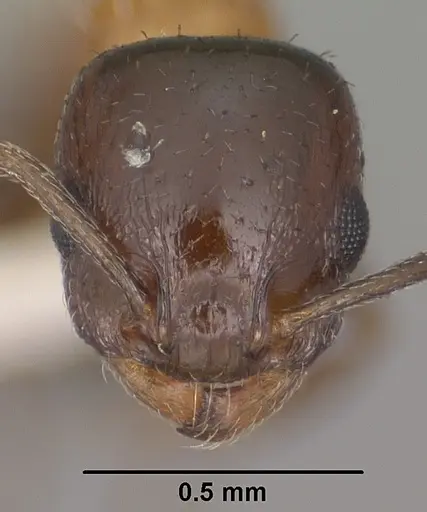
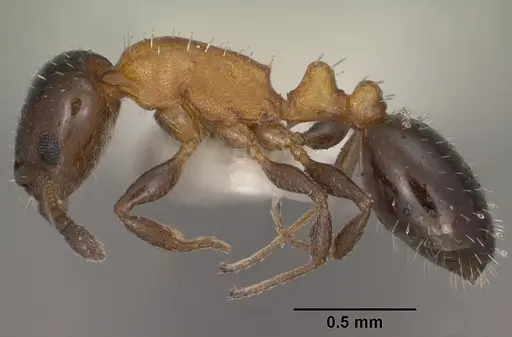
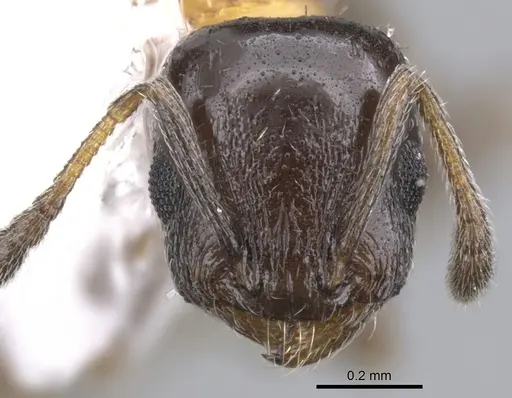
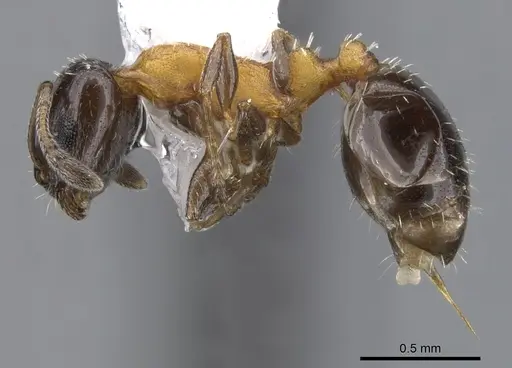
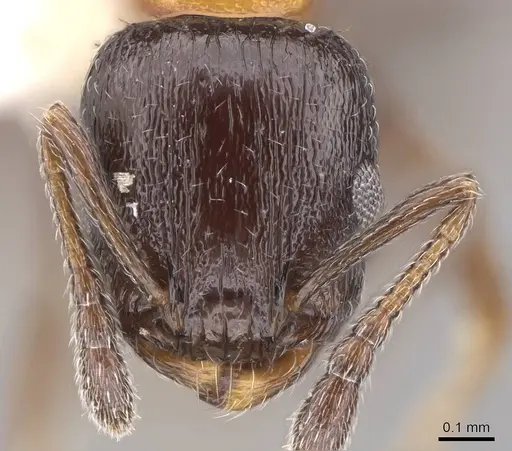
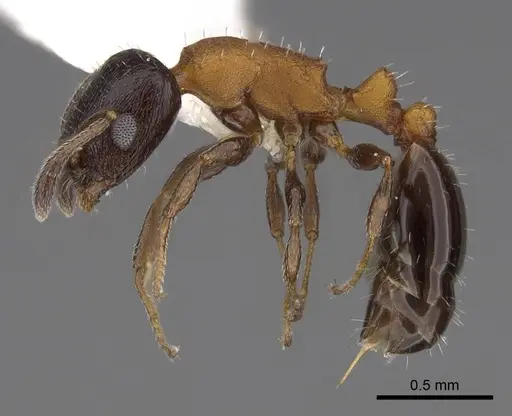
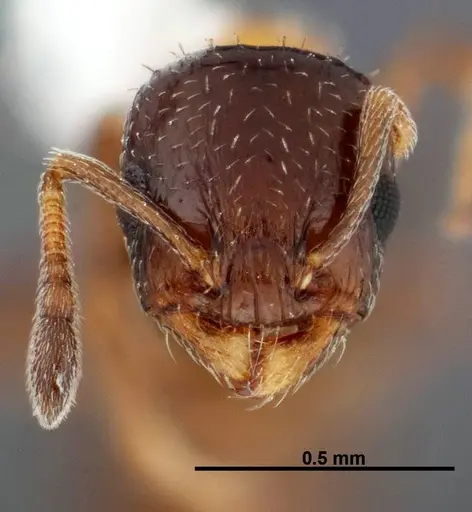
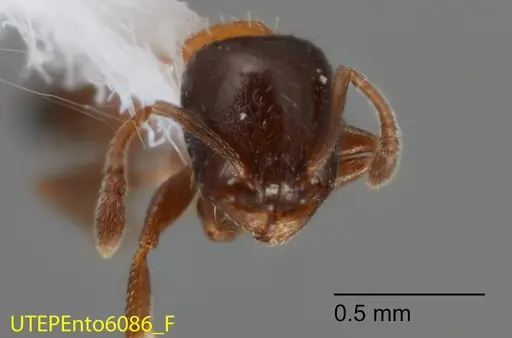
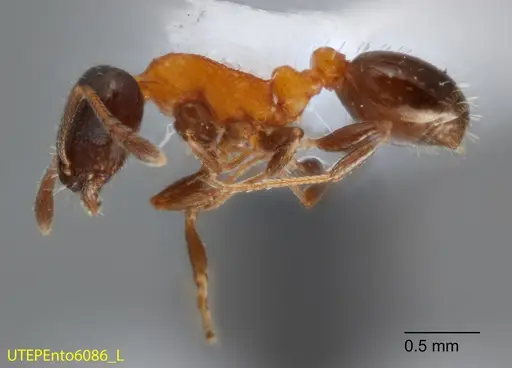
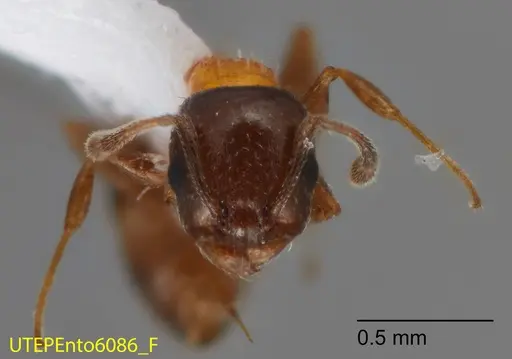
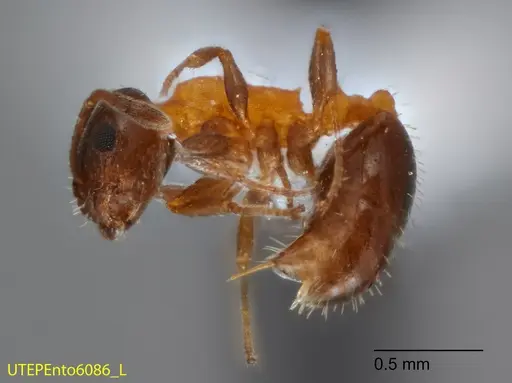
Temnothorax emmae is a tiny ant species native to the American Southwest and northern Mexico. Workers are small at just 3-4mm total length, with a dark brown head and gaster contrasting against a yellow-red mesosoma, petiole, and postpetiole. This species belongs to the emmae-group within the obturator-clade of Temnothorax, making it the namesake for its species group [1]. Queens measure around 6-7mm and are slightly larger than workers. The species was named after Emma Mackay in honor of the collector who discovered it [2].
These ants nest in small cavities within dead branches of live oak trees, typically found in oak-juniper grassland or riparian woodland areas with sandy, moist soils [2]. They are known only from a few collections in New Mexico, Arizona, and Sonora, Mexico, making them a rare and seldom-kept species in the antkeeping hobby.
Quick Summary
- Difficulty: Medium
- Origin & Habitat: Native to the American Southwest (New Mexico, Arizona) and northern Mexico (Sonora). Found in oak-juniper grassland and riparian oak-pine-juniper woodland at elevations around 1491m. Nests in dead branches of live oak trees in areas with light brown, sandy loam soils and high moisture [2][3][4].
- Colony Type: Presumably single-queen (monogyne) colonies based on typical Temnothorax patterns. Only known from a few collections with colony sizes around 116 workers in observed nests [2].
- Colony: Monogyne
- Founding: Claustral
- Size & Growth:
- Queen: ~6-7mm (HL 0.68mm, HW 0.62mm)
- Worker: ~3-4mm (HL 0.60-0.62mm, HW 0.53-0.54mm)
- Colony: Up to around 100-200 workers based on observed collections, typical for small cavity-nesting Temnothorax [2]
- Growth: Moderate, typical for temperate cavity-nesting ants
- Development: Estimated 6-10 weeks at optimal temperature based on related Temnothorax species (Development time is inferred from genus-level data since species-specific timing has not been documented)
- Antkeeping:
- Temperature: Keep at 20-24°C (room temperature). They can tolerate cooler conditions down to 15-18°C given their temperate mountain habitat. Avoid temperatures above 28°C. A gentle temperature gradient allows ants to self-regulate [2].
- Humidity: Moderate to high humidity (50-70%). Their natural habitat has moist soils in riparian areas. Keep the nest substrate damp but not waterlogged, with some drier areas available for choice.
- Diapause: Yes, require hibernation in winter. Given their mountain habitat in New Mexico/Arizona, provide a cold period around 5-10°C for 2-3 months during winter months (roughly November-February in the Northern Hemisphere).
- Nesting: Small cavity nests, in nature they use dead branches and twigs. In captivity, Y-tong (AAC) nests with small chambers, small acrylic nests, or test tube setups work well. They prefer tight-fitting chambers scaled to their tiny size. Avoid large open spaces.
- Behavior: Generally peaceful and non-aggressive. Like most Temnothorax, they are shy and tend to flee rather than fight. Workers are small and may have moderate escape risk due to their tiny size, use fine mesh barriers and tight-fitting lids. They are not known to sting and pose no danger to keepers. Foraging is typical for their genus, they search for small insects and tend honeydew-producing insects.
- Common Issues: Very rare in the hobby, finding a colony may be difficult since they are not commonly available, Small size makes escape prevention critical, they can squeeze through tiny gaps, Limited natural history data means care is based on genus-level information rather than species-specific studies, Cold hibernation is likely required but specific duration and temperature needs are unconfirmed, Wild-caught colonies may have parasites or stress from collection and transport
Housing and Nest Setup
Temnothorax emmae is a tiny cavity-nesting ant, so your setup should reflect their natural nesting preferences. In the wild, they nest in small hollows within dead branches of oak trees, think tiny tunnels just big enough for a few workers to move through [2]. For captivity, Y-tong (AAC) nests with narrow chambers work exceptionally well. Small acrylic nests designed for small Myrmicinae also work, or you can use a simple test tube setup with a cotton barrier.
The key is providing appropriately scaled chambers. These ants are tiny, workers are only about 3-4mm, so they feel exposed and stressed in large, open spaces. Tight chambers that match their body size make them feel secure and encourage normal behavior. A formicarium connected to an outworld via a short tubing setup gives them space to forage while maintaining a secure nest area.
For the outworld, keep it simple, a small plastic container works fine. Add a water tube for drinking and a small foraging area where you can place food. Because they are so small, escape prevention is important. Use a tight-fitting lid and consider applying fluon or a similar barrier to the rim.
Feeding and Diet
Like other Temnothorax species, these ants are omnivorous with a preference for protein. In captivity, offer small protein sources such as fruit flies, small mealworms, pinhead crickets, or other appropriately sized live prey. Since they are so tiny, prey items should be no larger than a few millimeters, springtails and fruit fly adults or larvae are ideal.
They will also accept sugar sources. A small drop of sugar water, honey, or diluted honey water can be offered occasionally. However, protein should make up the majority of their diet for healthy colony growth. Feed them every 2-3 days, removing any uneaten prey after 24 hours to prevent mold.
In the wild, they likely forage for small insects and tend honeydew-producing aphids or scale insects, similar to other small Temnothorax. Their tiny size means they cannot take down large prey, stick to small, soft-bodied insects. [2]
Temperature and Seasonal Care
Temnothorax emmae comes from temperate mountain regions in New Mexico and Arizona, so they prefer cooler temperatures than many tropical ant species. Keep the nest at room temperature, ideally between 20-24°C. They can tolerate brief periods cooler (down to 15-18°C) without issue, and this may actually support healthier colony development.
Because they come from regions with distinct seasons, they require a winter dormancy period. In the wild, they experience cold winters in their mountain habitat. Provide a hibernation period of 2-3 months during winter, keeping the colony at roughly 5-10°C. This can be done by moving the colony to a cooler location like an unheated garage or basement, or using a small refrigerator set to appropriate temperatures.
During hibernation, reduce food offerings and keep the nest slightly moist (not dry, not wet). Return them to normal temperatures in early spring when you would normally start feeding again. This annual cycle supports healthy queen longevity and natural colony cycling. [2]
Colony Establishment
If you obtain a founding queen, she will likely follow typical claustral founding behavior, she seals herself into a small chamber and remains there while raising her first brood. The queen uses stored fat reserves to fuel her metabolism during this period, not leaving to forage. After 4-8 weeks (timing is inferred from related species), the first workers called nanitics will emerge.
These first workers are typically smaller than normal workers but will begin foraging to support the colony. From this point, colony growth depends on proper feeding and temperature. A well-fed colony can reach 50-100 workers within the first year under good conditions.
Since this species is rarely kept, established colonies may be difficult to find. If you collect from the wild, look for nests in dead oak branches in appropriate habitat. Handle gently during collection as these tiny ants are fragile. Quarantine any wild-caught colonies for a few weeks to monitor for parasites before introducing to your collection. [2]
Behavior and Temperament
Temnothorax emmae is a peaceful, non-aggressive species. Workers are small and shy, when disturbed, they are more likely to flee than to defend. They do not have a functional stinger and pose no danger to keepers. This makes them suitable for observation but less exciting for those wanting active, visible defense behavior.
Their small size means they are excellent escape artists despite not being particularly determined climbers. Use fine mesh (at least 0.5mm or smaller) on any ventilation, and ensure all connections are tight. A layer of fluon on the rim of the outworld provides an additional barrier.
In the nest, they are clean and typically maintain their chambers well. They produce modest waste, and their small colony size means cleaning requirements are minimal. They are not known for excessive digging or nest modification in captivity. [2]
Frequently Asked Questions
How long does it take for Temnothorax emmae to raise first workers?
Based on related Temnothorax species, expect 6-10 weeks from egg to first worker at room temperature (20-24°C). The exact timing for this specific species has not been documented, so monitor your queen and adjust conditions if development seems stalled.
Do Temnothorax emmae ants sting?
No, this species does not sting. Like other members of the subfamily Myrmicinae, they lack a functional stinger. They are completely harmless to keepers and pose no danger.
What temperature do Temnothorax emmae need?
Keep them at room temperature, ideally 20-24°C. They can tolerate cooler conditions down to 15-18°C and should be given a cold winter period of 2-3 months at 5-10°C for hibernation. Avoid temperatures above 28°C.
Can I keep multiple queens together?
This species is presumed to be single-queen (monogyne) based on typical Temnothorax patterns. Combining unrelated queens has not been documented and is not recommended. If you have multiple foundresses, house them separately.
How big do Temnothorax emmae colonies get?
Based on related species and the few collections known, colonies likely reach 100-300 workers at maturity. This is a small colony size typical for cavity-nesting Temnothorax.
What do Temnothorax emmae eat?
They are omnivorous with a protein focus. Feed small live prey like fruit flies, springtails, or tiny mealworms. They will also accept sugar water or honey. Remove uneaten prey after 24 hours.
Do Temnothorax emmae need hibernation?
Yes, they require a winter dormancy period. Given their mountain habitat in New Mexico and Arizona, provide 2-3 months at 5-10°C during winter (roughly November-February). This supports natural colony cycling and queen health.
Are Temnothorax emmae good for beginners?
They are moderate difficulty. Their small size and escape risk require attention to housing, and their need for hibernation adds seasonal care requirements. However, they are peaceful and require minimal space. They may be challenging to find as established colonies are rare in the hobby.
Where does Temnothorax emmae live in the wild?
They are found in the American Southwest (New Mexico, Arizona) and northern Mexico (Sonora). Their natural habitat is oak-juniper grassland and riparian oak-pine-juniper woodland. They nest in dead branches of live oak trees at elevations around 1491m [2][3][4].
References

This caresheet is licensed under CC BY-SA 4.0 .
CASENT0102836
View on AntWeb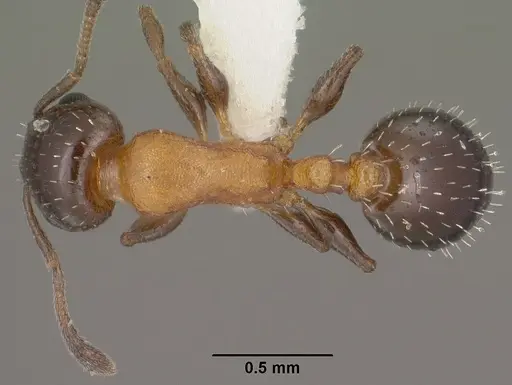
CASENT0901792
View on AntWeb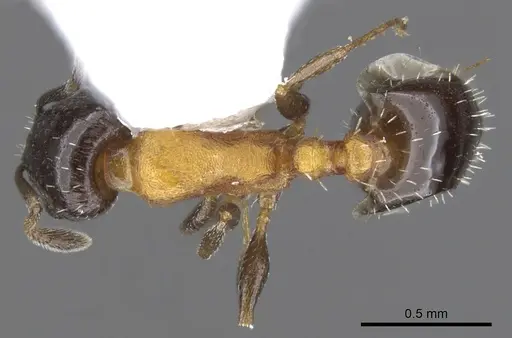
CASENT0922578
View on AntWeb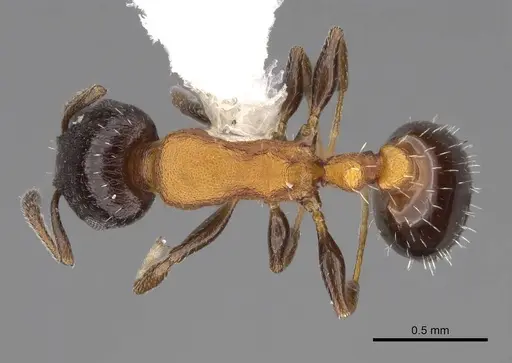
CASENT0923600
View on AntWeb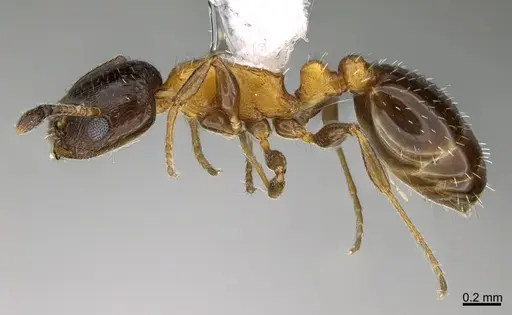
FMNHINS0000047961
View on AntWeb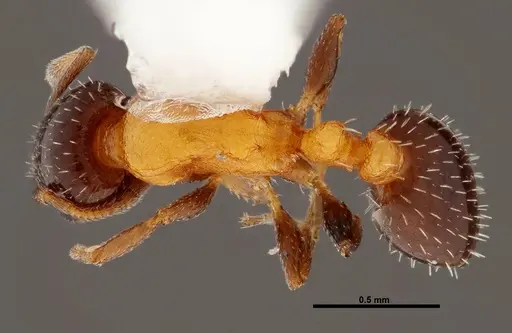
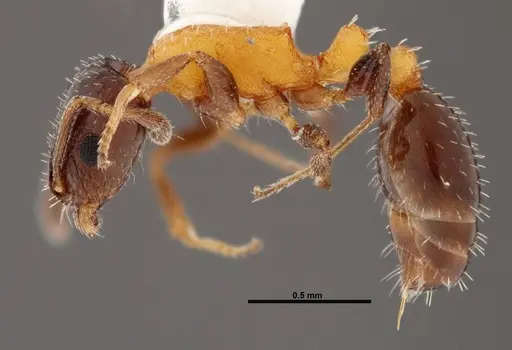
UTEPENTO6086-01
View on AntWeb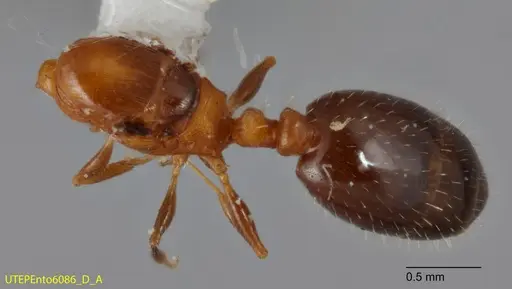
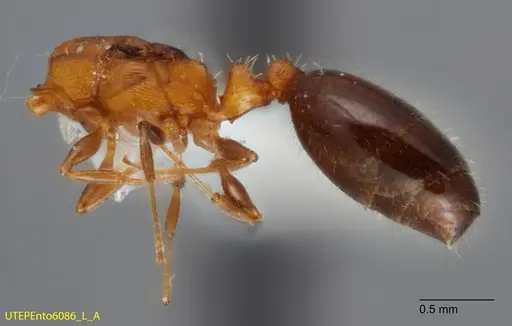
UTEPENTO6086-02
View on AntWeb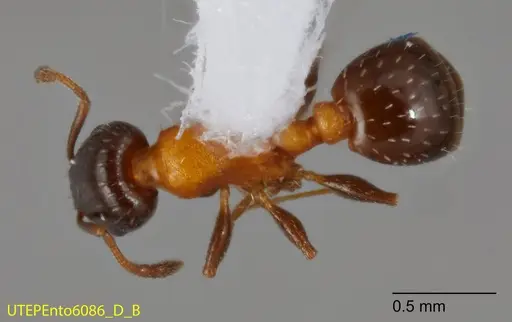
UTEPENTO6086-03
View on AntWeb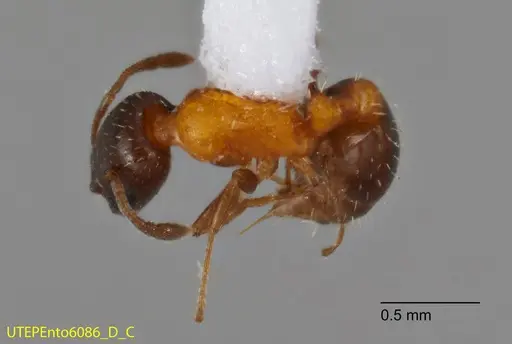
Literature
Loading...Loading products...