

Temnothorax crassistriatus
- Scientific Name
- Temnothorax crassistriatus
- Tribe
- Crematogastrini
- Subfamily
- Myrmicinae
- Author
- Salata <i>et al.</i>, 2018
- Distribution
- Found in 1 countries
Temnothorax crassistriatus Overview
Temnothorax crassistriatus is an ant species of the genus Temnothorax. It is primarily documented in 1 countries , including Greece. Detailed taxonomic data and occurrence records can be further explored via authoritative databases such as AntWeb or the Global Biodiversity Information Facility (GBIF).
Temnothorax crassistriatus
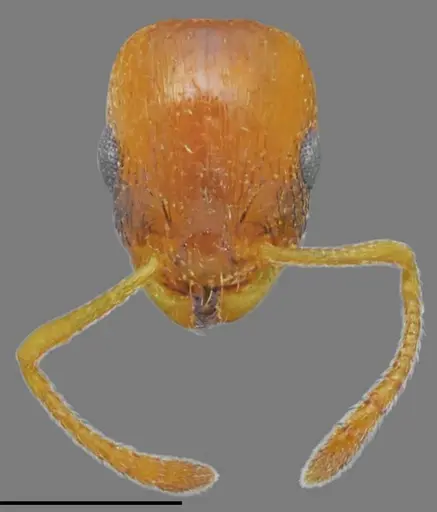
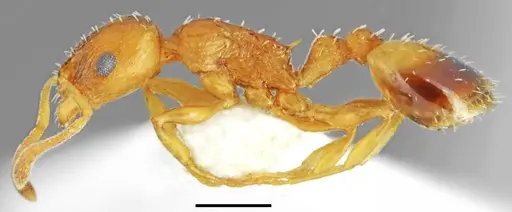
Temnothorax crassistriatus is a tiny ant species endemic to Crete, Greece. Workers measure just 2.5-3mm and have a distinctive bicolored appearance, their head and mesosoma are brick-red to orange, while the gaster is orange to dark orange with a thin black band across the tip [1]. The species gets its name from the thick striation (grooves) that covers its body, particularly visible on the head and mesosoma [1]. This diurnal species is found in deciduous bushes, forest edges, and phrygana (Mediterranean scrubland), where workers forage in leaf litter and on rocks [1][2].
As a Temnothorax species, these ants are known for their alert, active foraging behavior and sophisticated navigation abilities, they use tandem running to lead nestmates to food sources. They are a relatively new species described in 2018,so specific captive care data is limited, but they follow typical genus patterns as small, warm-climate ants native to the Mediterranean region [1][2].
Quick Summary
- Difficulty: Medium
- Origin & Habitat: Crete, Greece, endemic to this single island. They inhabit deciduous bushes, forest edges, and phrygana (Mediterranean scrubland) at elevations around 1100m [1][2].
- Colony Type: Likely single-queen colonies (monogyne) based on typical Temnothorax patterns. Colony size likely reaches a few hundred workers at most, typical for the genus.
- Colony: Monogyne
- Founding: Claustral
- Size & Growth:
- Queen: Estimated 5-7mm based on genus patterns
- Worker: 2.5-3mm (HL 0.716±0.03mm, HW 0.594±0.03mm) [1]
- Colony: Estimated 100-300 workers based on typical Temnothorax colony sizes
- Growth: Moderate
- Development: Estimated 6-10 weeks at optimal temperature based on related Temnothorax species (Development time inferred from genus-level data, specific timing for this species unconfirmed)
- Antkeeping:
- Temperature: Keep at 22-26°C. As a Mediterranean species from Crete, they prefer warm, stable conditions. A heating cable on one side of the nest can create a gentle gradient [1].
- Humidity: Low to moderate, they come from dry Mediterranean habitats. Keep the nest substrate slightly moist but allow portions to dry out. Avoid overly damp conditions.
- Diapause: Likely required. Mediterranean Temnothorax species typically need a winter rest period of 8-12 weeks at 10-15°C. Simulate their natural seasonal cycle.
- Nesting: Prefers dry to moderately humid nests. A Y-tong (AAC) nest or test tube setup works well. They nest in small cavities in nature, under rocks, in litter, or in tiny crevices [1].
- Behavior: Active diurnal foragers with alert, skittish temperaments. Workers are small but fast-moving and will readily explore their environment. They use tandem running to recruit nestmates to food. As Myrmicinae, they have a functional stinger but rarely use it, they rely more on escape than defense. Escape prevention is important due to their tiny size, they can squeeze through surprisingly small gaps. They are not aggressive toward keepers but will flee when disturbed.
- Common Issues: escape prevention is critical due to tiny 2.5-3mm worker size, Mediterranean origin means they need warm conditions, cold temperatures slow activity and may harm brood, overheating is a risk, avoid direct heat sources that can dry out the nest, slow colony growth compared to larger ant species may frustrate beginners, as an endemic species, wild collection may be limited, captive-bred colonies are preferable
Housing and Nest Setup
Temnothorax crassistriatus is a tiny ant, so your housing needs to match their small size. A test tube setup works well for founding colonies, use a small test tube with a water reservoir plugged with cotton, giving them a tight, secure chamber. For established colonies, a Y-tong (AAC) nest with narrow chambers scaled to their 2.5-3mm workers is ideal. Avoid large, open spaces in the formicarium, these ants feel safer in tight, enclosed areas that mimic the small rock crevices and litter spaces they use in nature [1]. The outworld (foraging area) should also be appropriately sized, a small container works fine since colonies stay modest in size. Escape prevention is critical: use fluon on container edges and ensure any gaps are sealed, as these tiny ants can squeeze through openings that seem impossibly small.
Temperature and Heating
As a Mediterranean species from Crete, Temnothorax crassistriatus needs warm conditions to thrive. Keep the nest area at 22-26°C, this range supports normal activity and brood development. You can achieve this with a heating cable placed on one side of the nest (never directly on the nest itself) to create a gentle temperature gradient. This allows workers to regulate their temperature by moving between warmer and cooler areas. During winter, simulate their natural Mediterranean seasonal cycle with a diapause (hibernation) period of 8-12 weeks at 10-15°C. This rest period is important for colony health and may trigger reproductive behavior in spring. Avoid temperatures below 15°C for extended periods and protect from drafts that could create cold spots. [1]
Feeding and Diet
Like most Temnothorax species, T. crassistriatus is an omnivore that accepts both sugar and protein sources. Offer sugar water, honey, or diluted maple syrup as a constant carbohydrate source, these ants will readily drink from sugar water droplets. For protein, provide small live or frozen prey items like fruit flies, pinhead crickets, small mealworms, or other tiny insects. They are diurnal foragers, so offer food during daylight hours when workers are most active [1]. Remove uneaten prey after 24-48 hours to prevent mold. A varied diet helps maintain colony health, you might experiment with small amounts of other protein sources to see what they accept. Feed small amounts frequently rather than large meals, as their tiny workers have small stomachs.
Humidity and Water
These ants come from relatively dry Mediterranean habitats, so they prefer moderate to low humidity rather than the damp conditions some ant species need. The nest substrate should be slightly moist but never waterlogged, think of a damp sponge, not a soaked one. Allow portions of the nest to dry out between waterings, giving workers the option to choose between humid and drier areas. A small water tube or cotton reservoir in the test tube setup provides drinking water and helps maintain slight humidity. Monitor for condensation, excessive moisture leads to mold, which can be fatal to small colonies. If you see persistent condensation pooling in the nest, improve ventilation or reduce water intake. [1]
Colony Development
Temnothorax crassistriatus colonies remain modest in size, typically reaching 100-300 workers at maturity. Growth is moderate, founding queens seal themselves in and raise the first workers (nanitics) alone, living off their stored fat reserves. Once the first workers emerge (typically 6-10 weeks after founding at optimal temperature), the colony enters a growth phase. Subsequent development depends on feeding quality and temperature stability. These ants are long-lived per worker, a single worker may live for several months to over a year, allowing colonies to build steadily. Patience is key with this species, they will not produce rapid growth like some larger ant species, but each worker contributes meaningfully to colony function. [1]
Behavior and Observation
This species is diurnal and active during daylight hours, making them enjoyable to observe [1][2]. Workers are alert and quick-moving, constantly patrolling their territory and foraging for food. When they discover a food source, they use tandem running, one worker leads another to the food, rather than carrying food directly back. This recruitment method is fascinating to watch and demonstrates their sophisticated communication. When threatened, their first response is typically flight rather than aggression, they are not defensive and rarely sting. Their small size and quick movements can make them challenging to photograph, but their striking orange and black coloration makes workers identifiable. They are best kept in setups that allow for observation without frequent disturbance.
Frequently Asked Questions
How long does it take for Temnothorax crassistriatus to raise first workers?
From egg to first worker (nanitic), expect approximately 6-10 weeks at optimal temperature (22-26°C). This estimate is based on typical Temnothorax development patterns since specific timing for this newly described species has not been documented. The queen seals herself in during founding and raises the first brood alone using stored fat reserves.
What size colony does Temnothorax crassistriatus reach?
Colony size reaches an estimated 100-300 workers at maturity. This is typical for Temnothorax species, they are not large colony formers like some Myrmicinae. A mature colony remains relatively small but active.
Do Temnothorax crassistriatus ants sting?
Yes, as Myrmicinae they have a functional stinger. However, they are not aggressive and rarely use it, their primary defense is escape rather than confrontation. The sting is mild for humans due to their tiny size.
What temperature do Temnothorax crassistriatus need?
Keep them at 22-26°C. As a Mediterranean species from Crete, they prefer warm conditions. A heating cable on one side of the nest can create a temperature gradient. They also need a winter diapause of 8-12 weeks at 10-15°C.
Are Temnothorax crassistriatus good for beginners?
They are intermediate in difficulty. Their small size and escape risk make them slightly challenging for complete beginners, but their straightforward diet and moderate temperature needs are manageable. Experienced antkeepers will find them rewarding.
Can I keep multiple queens together?
Not recommended. Like most Temnothorax species, they are likely monogyne (single-queen colonies). Combining unrelated queens has not been documented for this species and would likely result in fighting.
What do Temnothorax crassistriatus eat?
They are omnivores. Offer sugar water, honey, or maple syrup as a constant carbohydrate source. For protein, provide small insects like fruit flies, pinhead crickets, or small mealworms. Feed small amounts frequently and remove uneaten food.
Do they need hibernation?
Yes, a winter diapause is likely required. As a Mediterranean species, they evolved with seasonal temperature changes. Provide 8-12 weeks at 10-15°C during winter to simulate their natural cycle and support colony health.
When should I move them to a formicarium?
Wait until the colony reaches at least 20-30 workers. For this species, a test tube setup works well even for established colonies, their small size means they do well in compact spaces. Only move to a formicarium if you need better observation or the test tube becomes overcrowded.
Why are my ants escaping?
Escape prevention is critical with this species due to their tiny 2.5-3mm size. They can squeeze through gaps that seem impossibly small. Use fluon on all container edges, ensure lids fit tightly, and check for any gaps larger than 1mm. Even a small crack is an escape route for these ants.
References

This caresheet is licensed under CC BY-SA 4.0 .
CASENT0845902
View on AntWeb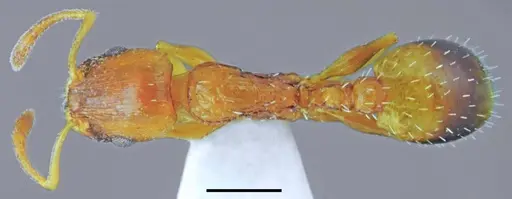
Literature
Loading...Loading products...