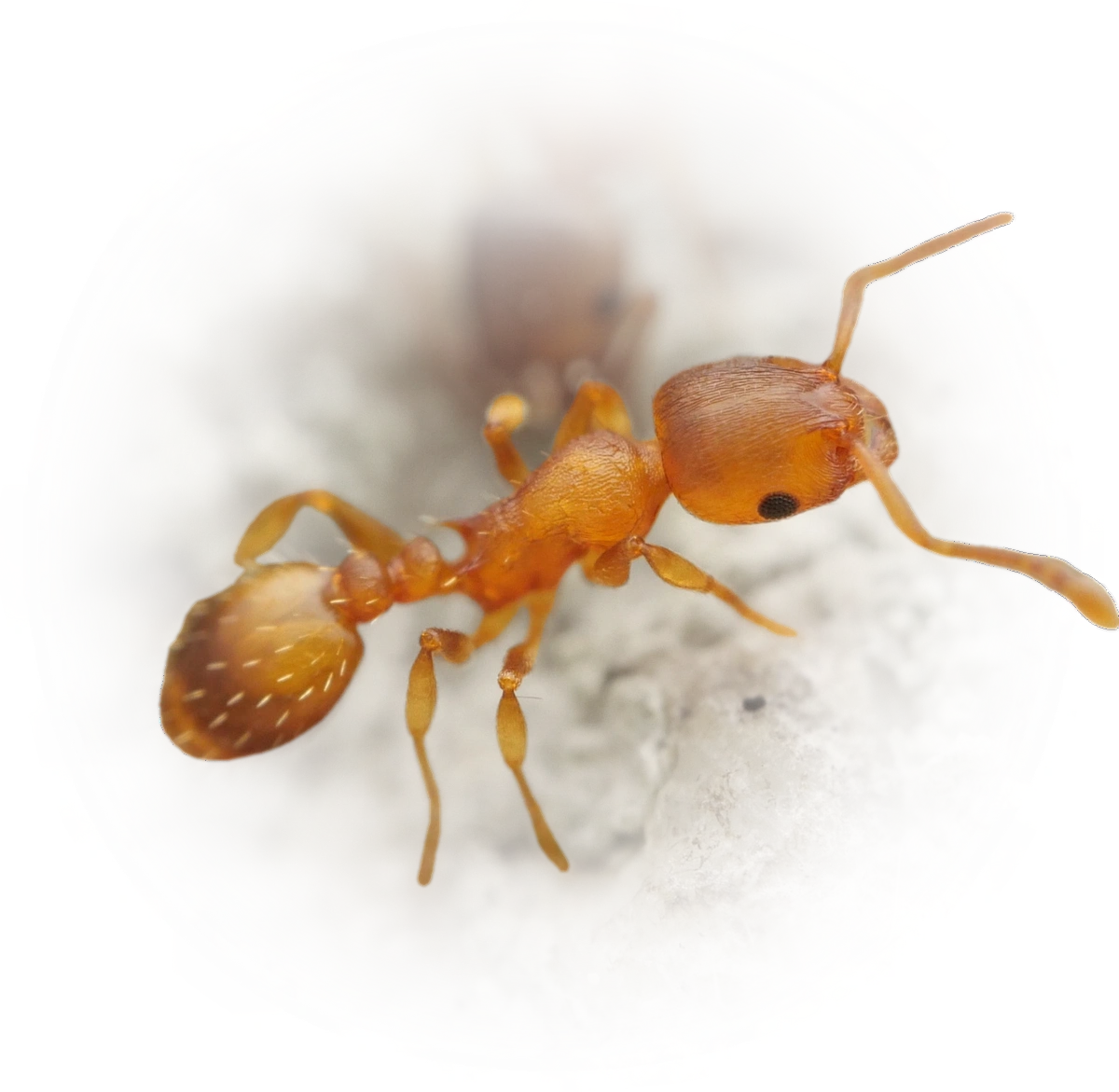

Temnothorax crassispinus
- Scientific Name
- Temnothorax crassispinus
- Tribe
- Crematogastrini
- Subfamily
- Myrmicinae
- Author
- Karavaiev, 1926
- Distribution
- Found in 12 countries
Temnothorax crassispinus Overview
Temnothorax crassispinus is an ant species of the genus Temnothorax. It is primarily documented in 12 countries , including Austria, Bulgaria, Czechia. Detailed taxonomic data and occurrence records can be further explored via authoritative databases such as AntWeb or the Global Biodiversity Information Facility (GBIF).
Temnothorax crassispinus
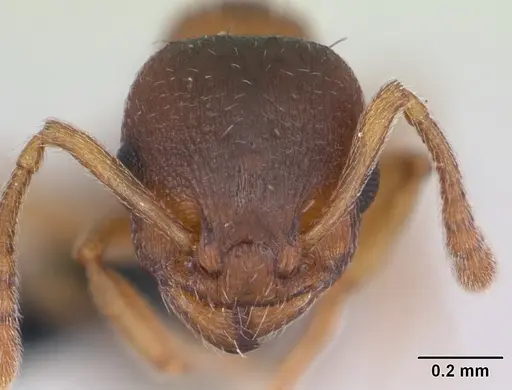
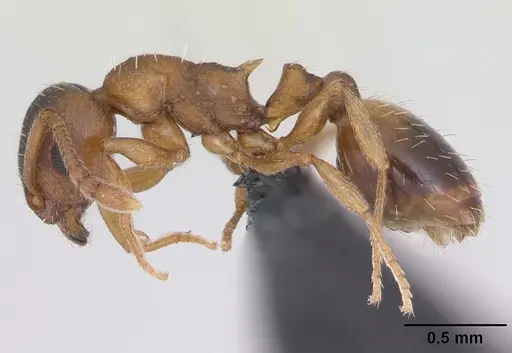
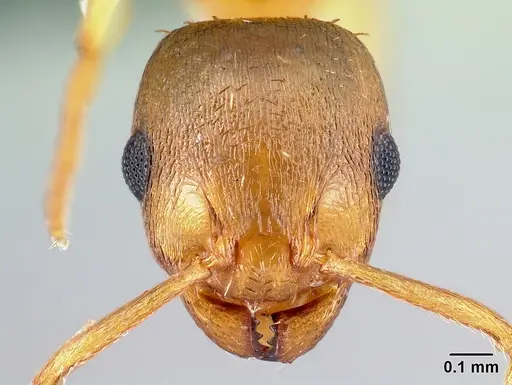
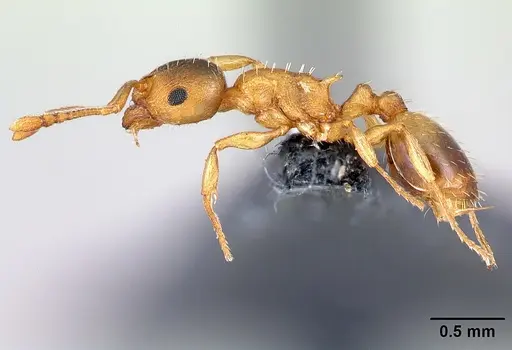
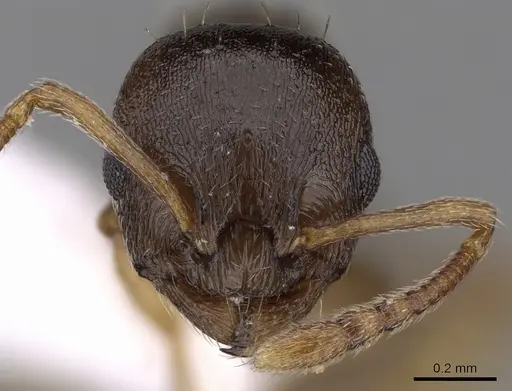
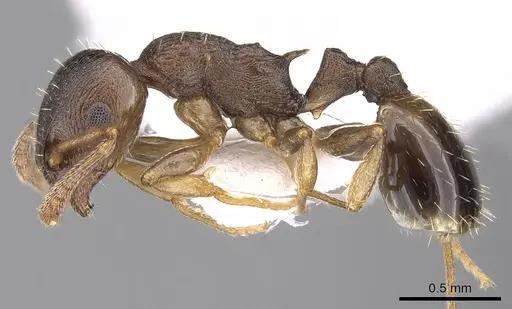
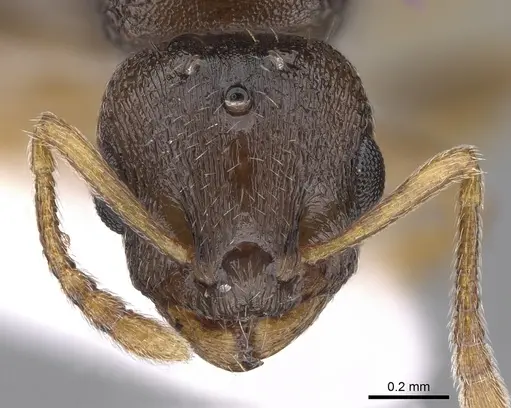
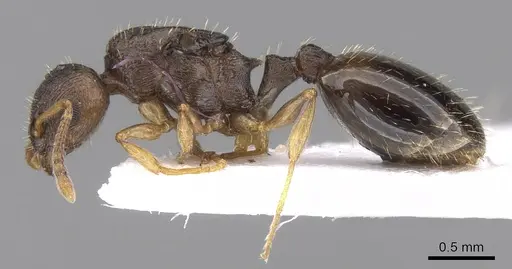
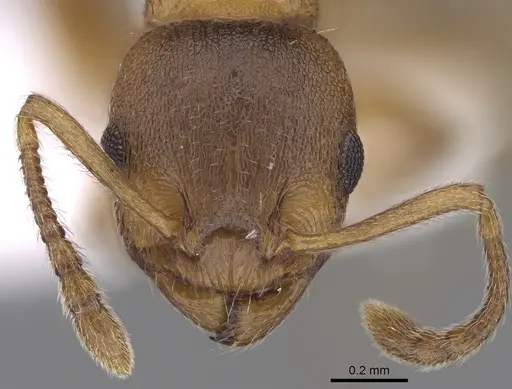
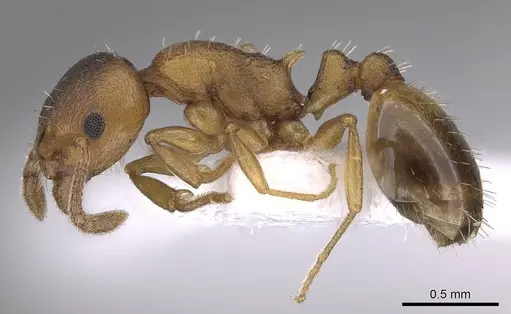
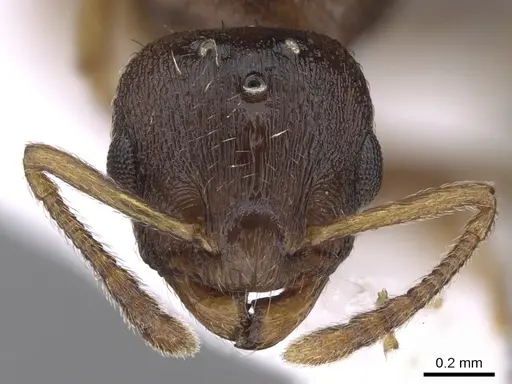
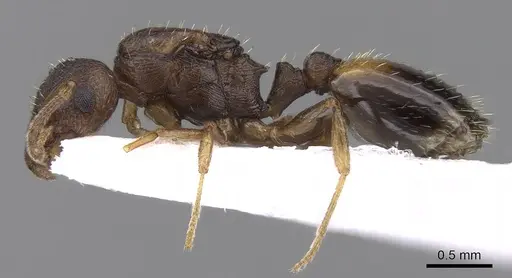
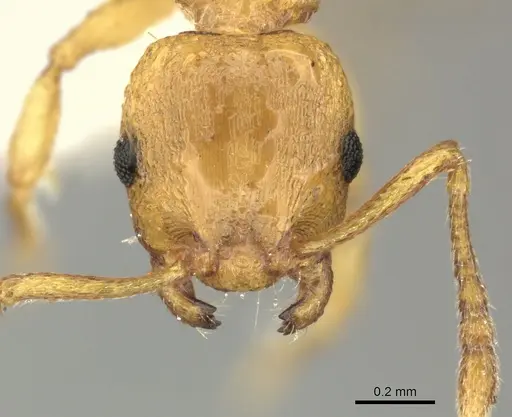
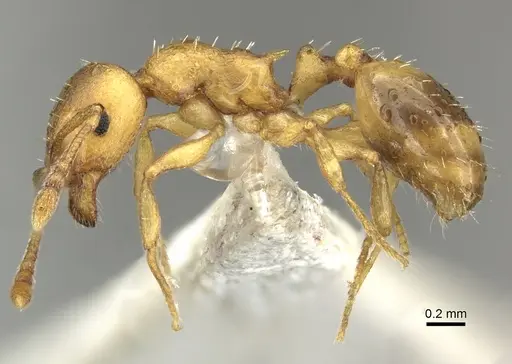
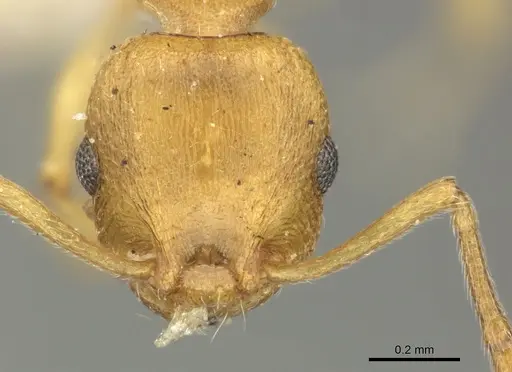
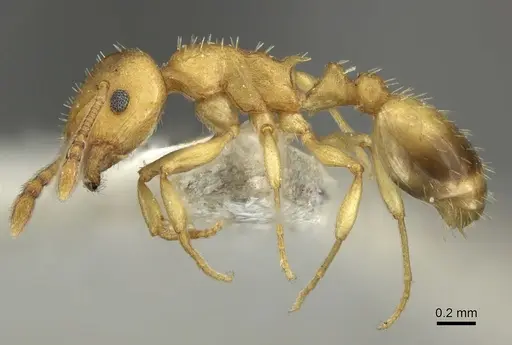
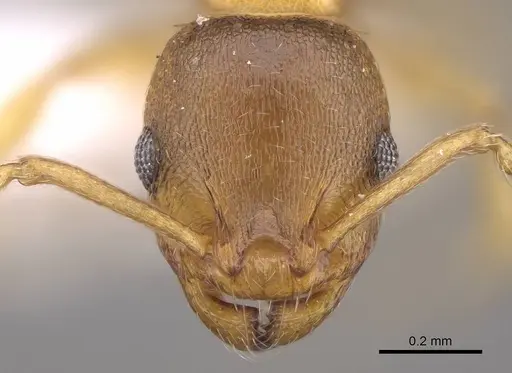
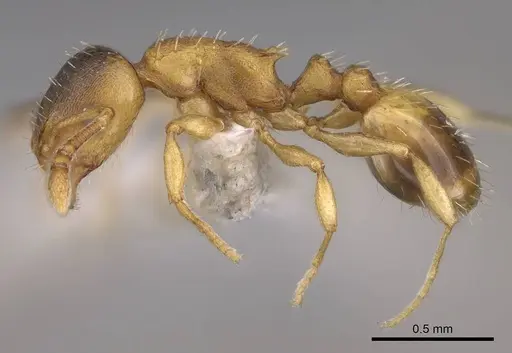
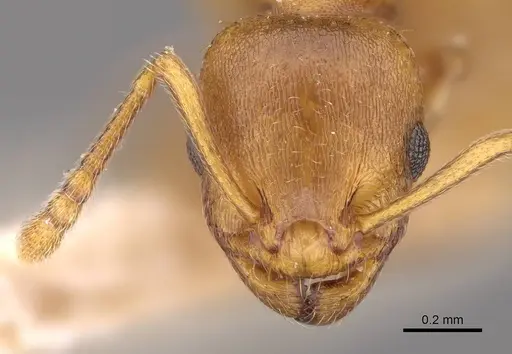
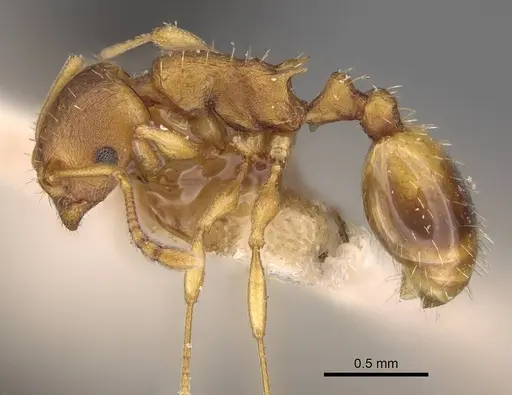
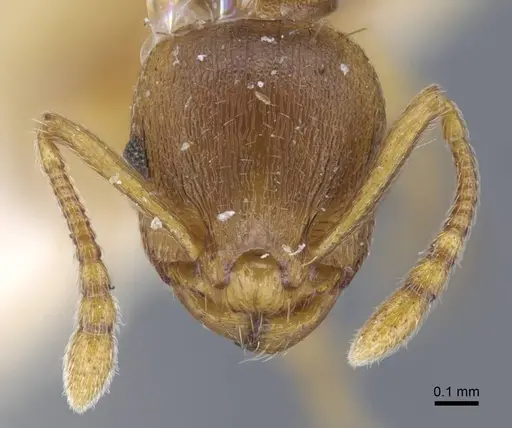
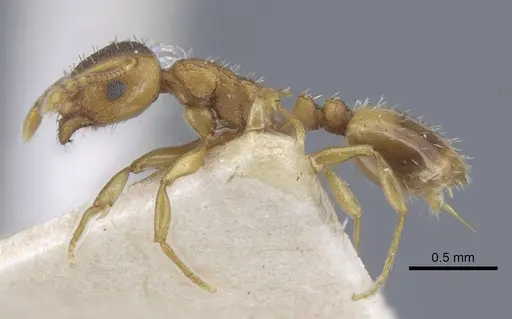
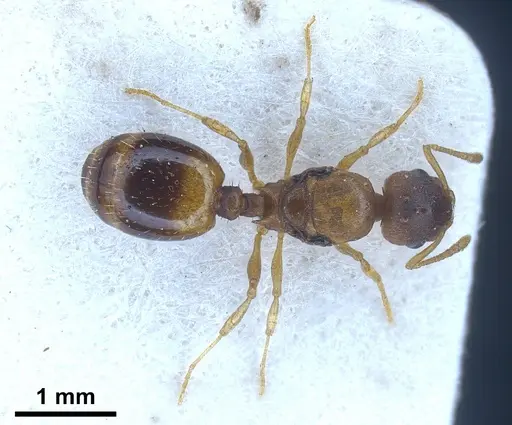
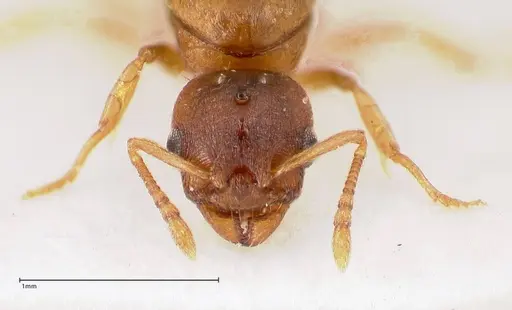
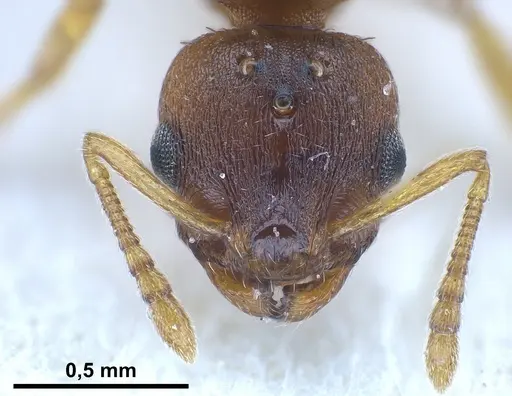
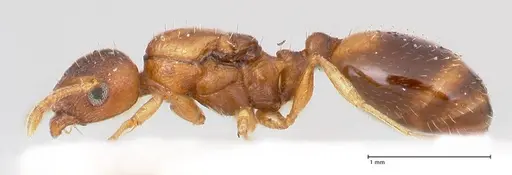
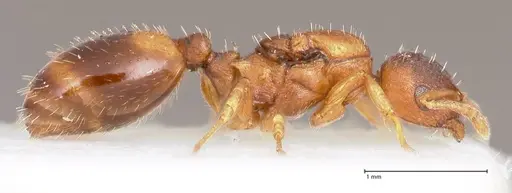
Temnothorax crassispinus is a tiny forest-dwelling ant native to Central and Eastern Europe. Workers measure just 2-4mm in length with a yellow to brown body, often featuring a darker head and a dark band on the rear of the abdomen [1][2]. This species gets its common name from its preferred nesting sites, it lives in cavities inside acorns, small twigs, and rotting branches in the leaf litter layer of coniferous and mixed forests [1][3]. Colonies are small, typically containing a few dozen to about 200 workers with a single queen [1][3]. The species was long confused with its western relative T. nylanderi before being recognized as a separate species in the 1990s [4]. These ants play an important role in forest ecosystems as seed dispersers for myrmecochorous plants [5].
Quick Summary
- Difficulty: Easy
- Origin & Habitat: Central and Eastern Europe, found throughout Poland, Czech Republic, Hungary, Romania, Bulgaria, and into the Balkans. Inhabits light coniferous and mixed forests, typically in the leaf litter layer [1][6].
- Colony Type: Monogynous (single queen) colonies with monandrous mating (queen mates with one male) [7][8]. Colonies are small, usually containing a few dozen to about 200 workers, though colonies can occasionally reach 300 [1][3][8]. Seasonal polydomy, colonies may occupy multiple nest sites in summer.
- Colony: Monogyne
- Founding: Claustral
- Size & Growth:
- Queen: Approximately 4-5mm (inferred from related T. nylanderi group species [9])
- Worker: 2-4mm [1], specifically 2.3-3.4mm [10]
- Colony: Typically a few dozen to about 200 workers, occasionally up to 300 [1][3][8]
- Growth: Moderate
- Development: 6-8 weeks (estimated based on related Temnothorax species) (Sexual larvae (new queens and males) require at least one hibernation period before emerging as adults [11])
- Antkeeping:
- Temperature: Keep at 18-22°C. This species prefers cool conditions, among the lowest temperature preferences recorded for Central European ants [1]. Avoid overheating.
- Humidity: High humidity preferred. These are forest floor ants that naturally live in damp leaf litter and rotting wood. Keep nesting area moist but not waterlogged.
- Diapause: Yes, requires winter hibernation at cool temperatures (5-10°C) for several months. Unlike most temperate ants, they can overwinter in aboveground cavities, but deeper insulation improves survival [12][13].
- Nesting: Cavity nester, naturally nests in acorns, small twigs, and hollow branches. In captivity, they readily accept artificial nests like Y-tong, acrylic nests, or wooden blocks with small cavities. They prefer nests with narrow entrances (easier to defend) and will modify entrance sizes using sand, soil, and plant material [3].
- Behavior: Generally peaceful and subordinate in ant communities. Workers are active foragers but not aggressive [14]. They readily modify their nest entrances and can create multiple exits. Colonies may split seasonally (polydomy). In captivity, workers may sometimes attack and kill queens, especially in spring, this is natural colony regulation behavior [11]. Escape risk is moderate due to their small size.
- Common Issues: queen death in captivity, workers may execute queens in spring, especially if colonies are disturbed [11], overwintering mortality, aboveground nests have higher winter death rates than underground [12], escape risk, tiny size means they can squeeze through small gaps without fine mesh barriers, colony decline over time, small colonies naturally have limited lifespans and may dwindle without new reproductive cycles, poor acceptance of artificial nests if entrances are too large, they prefer narrow entrances around 1mm [3]
Housing and Nest Setup
Temnothorax crassispinus is a cavity-nesting ant that naturally lives in tiny spaces inside acorns, small twigs, and rotting branches in forest leaf litter [1][3]. In captivity, they readily accept Y-tong nests, acrylic formicaria, or wooden blocks with narrow chambers. The key requirement is small cavity volumes, they prefer nests with entrance holes around 1mm in diameter, which they can defend more easily [3]. In laboratory experiments, they accepted artificial wooden blocks (approximately 7cm × 1.8cm × 1.8cm with a 4mm entrance hole and cavity volume around 750mm³) very readily [1]. You can also provide natural nesting materials like cleaned acorns with holes or short twig sections. They will modify their nest entrances by adding sand, soil, or plant material to narrow the opening, this is normal behavior [3]. Place the nest in a shaded area away from direct heat sources since this species prefers cool conditions.
Temperature and Seasonal Care
This species prefers cool temperatures compared to many other ants, studies show they have among the lowest temperature preferences of any Central European ant species [1]. Keep your colony at room temperature (18-22°C), avoiding temperatures above 25°C. They are adapted to forest floor conditions and do not tolerate heat well. During winter, they require a hibernation period of several months at cool temperatures (5-10°C). Unlike most temperate ants, T. crassispinus can overwinter in aboveground cavities, but research shows that workers buried at 5cm depth survive better (median 87.9%) than those on the surface (48.4%) [12]. If possible, provide some insulation during winter hibernation, snow cover or placing the nest in a cool unheated room helps. The benefit of aboveground overwintering is earlier spring activity compared to ants that winter underground [13].
Feeding and Diet
Temnothorax crassispinus is primarily predatory, with studies showing their diet consists of about 95% animal matter,2% nectar, and 3% trophobiosis (honeydew from aphids) [14]. Feed them small live prey like fruit flies, springtails, and tiny insects. They can also accept protein-based foods like small pieces of mealworm or cricket. Occasional sugar water or honey can be offered as an energy source, though they are less interested in sugary foods than some other ant species. In experiments, they showed preference for honey imitation over other bait types [15]. They are also known to disperse seeds of myrmecochorous plants, carrying the seeds to their nests where the elaiosome (fat-rich attachment) is eaten [5]. Feed small prey items 2-3 times per week, removing any uneaten food promptly to prevent mold.
Colony Behavior and Social Structure
This species forms small, single-queen colonies that are monogynous and monandrous, meaning one queen that mates with just one male [7][8]. Colonies are usually modest in size, typically containing a few dozen to about 200 workers, though they can occasionally reach 300 individuals [1][3][8]. One fascinating behavior is seasonal polydomy, colonies may occupy multiple nest sites during summer, splitting between cavities [1]. They are known to modify their nest entrances extensively, using sand, soil, and plant material to narrow openings to their preferred size of around 1mm [3]. In captivity, a notable behavior is queen execution, workers may attack and kill queens, particularly in spring when queens reactivate their ovaries. Studies found 78% of queen deaths in captivity were due to worker attacks [11]. This appears to be an adaptive strategy allowing workers to increase their direct fitness through male production. Colonies may also fuse with each other, and alien queens or workers can sometimes be adopted [8][11].
Reproduction and Nuptial Flights
Nuptial flights occur from July through mid-September, typically at sunset [16]. Males and new queens leave the nest for their mating flight. After mating, new queens seek out suitable cavities, typically acorns or twigs with pre-existing holes bored by insect larvae, where they establish new colonies. Sexual larvae (new queens and males) require at least one hibernation period before they can emerge as adults [11]. This means if you want to rear sexuals, you must provide a proper winter dormancy period. In the wild, colony reproduction is limited by the availability of suitable nest cavities, good nesting sites are a scarce resource that strongly influences colony distribution [17]. In captivity, you can encourage reproduction by maintaining healthy, well-fed colonies and providing a proper hibernation period.
Winter Care and Hibernation
Temnothorax crassispinus requires a winter hibernation period of several months. Unlike most temperate ants that move underground for winter, this species naturally overwinters in aboveground cavities like acorns and twigs [1][13]. However, research shows this comes with significant costs, workers buried at 5cm depth survived at 87.9% while those on the surface survived at only 48.4% [12]. For captive colonies, provide hibernation at 5-10°C for 3-4 months. You can place the nest in an unheated garage, basement, or refrigerator (if temperature-controlled). Insulation helps significantly, snow cover in the wild provides critical protection, and in captivity you should wrap the nest in insulating material. Studies show that even a few centimeters of insulation make a big difference, and removing snow cover during winter experiments caused temperature drops of up to 7°C, significantly increasing mortality [18]. The benefit of their aboveground nesting is earlier spring activity, they can begin foraging sooner than ants that winter underground [13].
Frequently Asked Questions
How long does it take for Temnothorax crassispinus to develop from egg to worker?
Development takes approximately 6-8 weeks from egg to first worker at room temperature, based on related Temnothorax species. However, sexual larvae (future queens and males) require at least one hibernation period before emerging as adults, so sexual production takes many months [11].
What size colony do Temnothorax crassispinus colonies reach?
Colonies typically reach 50-200 workers, with some colonies reaching up to 300 individuals. They are small colonies compared to many other ant species [1][3][8].
Do Temnothorax crassispinus ants sting?
Temnothorax ants have a stinger but it is very small and rarely used. These ants are generally peaceful and not considered dangerous to humans. Their main defense is escaping into their small cavities [19].
What temperature is best for keeping Temnothorax crassispinus?
Keep them at 18-22°C. This species prefers cool conditions, studies show they have among the lowest temperature preferences of any Central European ant species. Avoid temperatures above 25°C [1].
Do they need hibernation?
Yes, they require a winter hibernation period of 3-4 months at 5-10°C. Unlike most temperate ants, they can overwinter in aboveground cavities, but deeper insulation improves survival rates significantly [12][13].
What do Temnothorax crassispinus eat?
They are primarily predatory, eating small insects and arthropods. Their diet is about 95% animal matter, with some nectar and honeydew. Feed small live prey like fruit flies, springtails, or tiny crickets. Occasional honey or sugar water can be offered [14].
Can I keep multiple queens together?
No, this species is monogynous, colonies have a single queen. Multiple unrelated queens will fight. However, colonies may naturally fuse or adopt alien workers/queens in certain conditions [7][8].
Why did my queen die in captivity?
Queen execution by workers is common in this species. Studies show 78% of queen deaths in captivity are due to worker attacks, particularly in spring when queens reactivate their ovaries. This appears to be a natural behavior allowing workers to increase their direct fitness [11].
What nest type is best for Temnothorax crassispinus?
They are cavity nesters that prefer tiny spaces. Y-tong nests, acrylic formicaria with small chambers, or wooden blocks with narrow cavities work well. They readily accept artificial nests and will modify entrance sizes. The key is small cavity volumes and narrow entrances around 1mm [1][3].
Are Temnothorax crassispinus good for beginners?
Yes, they are considered easy to keep. They are small, peaceful, and tolerate some variation in care. The main challenges are providing proper hibernation and understanding that queen death in captivity is common. Their small colony size makes them manageable for beginners.
How often should I feed them?
Feed small prey items 2-3 times per week. Remove any uneaten food promptly to prevent mold. They are small ants with small appetites, a few fruit flies or tiny prey pieces per feeding is sufficient. Adjust based on how quickly food is consumed.
Why are my ants dying during winter?
Aboveground overwintering has high mortality. If keeping them in artificial nests, provide extra insulation or move to a cooler area with protection. Workers buried at 5cm depth survive much better than those on the surface. Consider insulating the nest material or providing deeper nesting options during hibernation [12].
References

This caresheet is licensed under CC BY-SA 4.0 .
CASENT0173198
View on AntWeb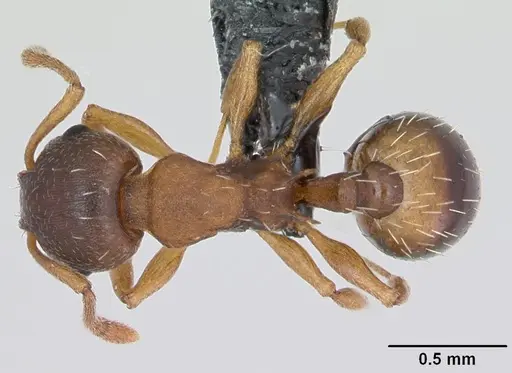
CASENT0179922
View on AntWeb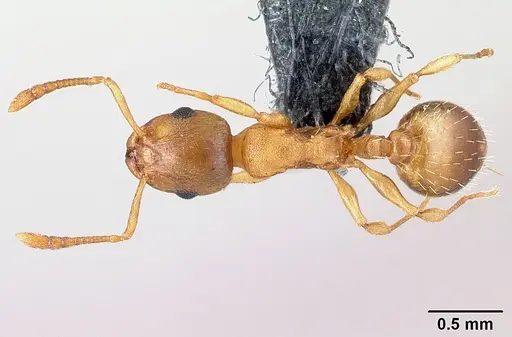
CASENT0906041
View on AntWeb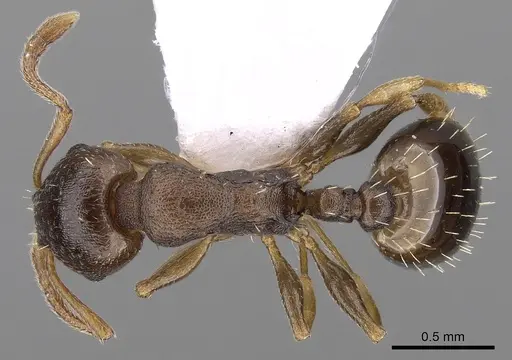
CASENT0906042
View on AntWeb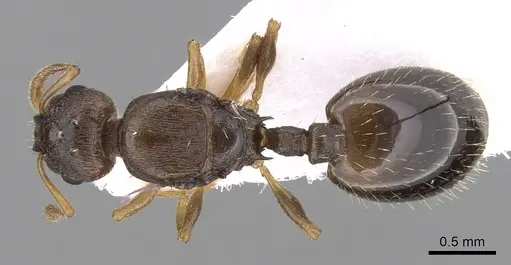
CASENT0906047
View on AntWeb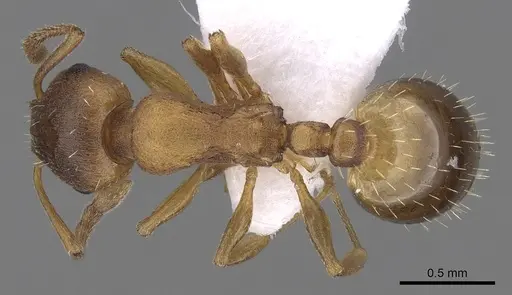
CASENT0906048
View on AntWeb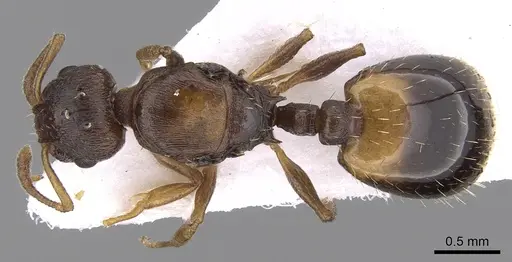
CASENT0906701
View on AntWeb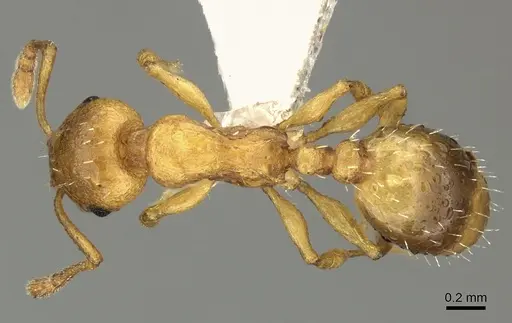
CASENT0906702
View on AntWeb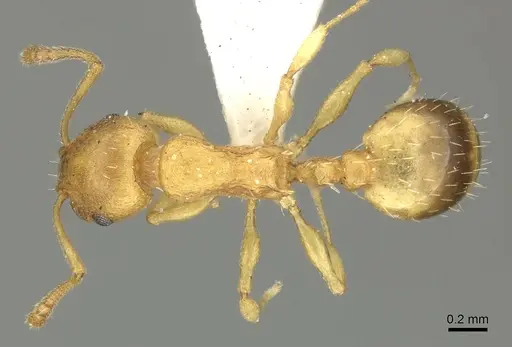
CASENT0914700
View on AntWeb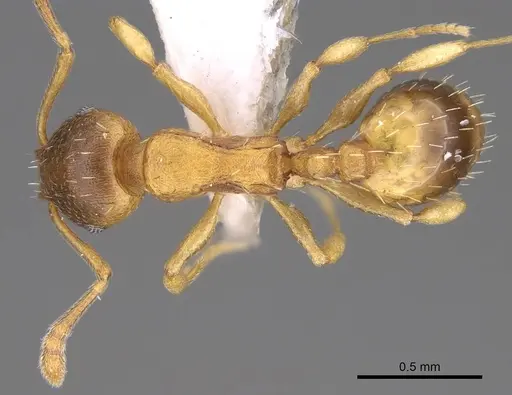
CASENT0914703
View on AntWeb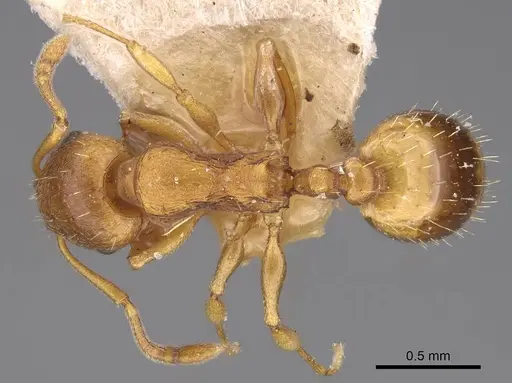
CASENT0917039
View on AntWeb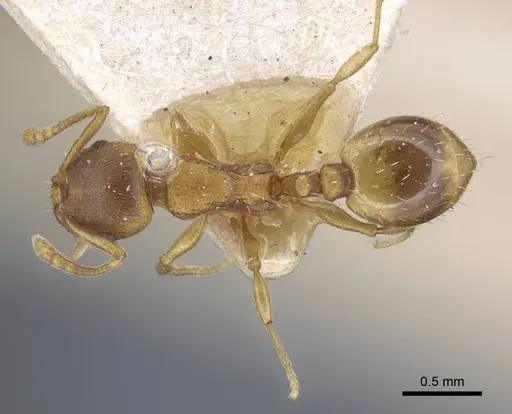
FOCOL0740
View on AntWeb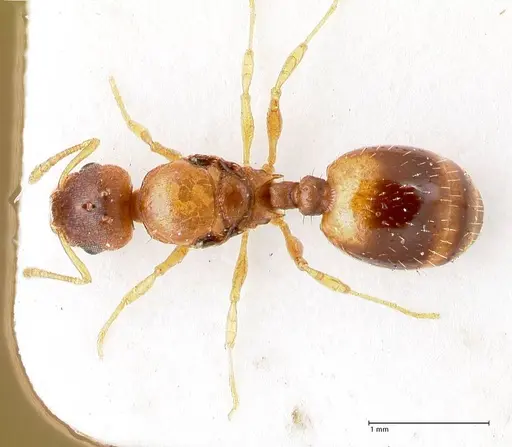
Literature
Loading...Loading products...