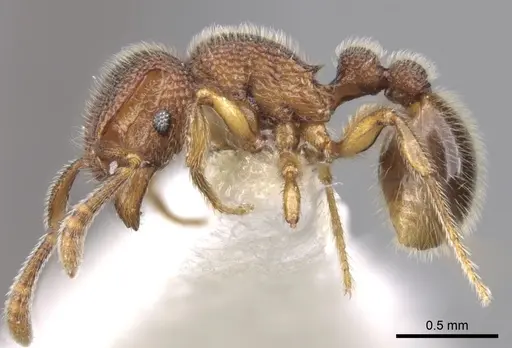
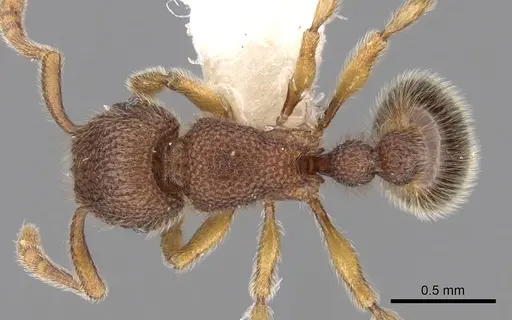
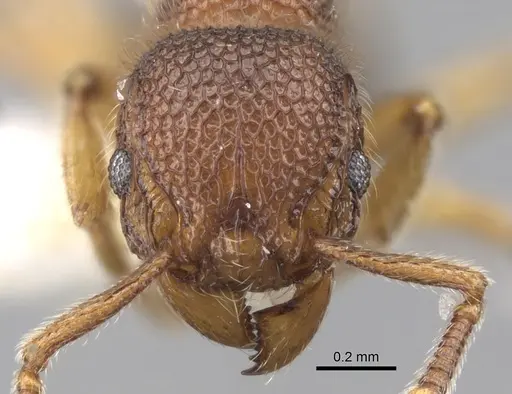
Tetramorium parvispinum - "Small-Spined Pavement Ant (common for the genus)"
Tetramorium parvispinum is a fascinating ant species belonging to the diverse Tetramorium genus, which includes over 520 known species worldwide. These ants are generally small-sized, with workers typically dark brown or black. Like many in their genus, they possess a robust morphology, featuring a two-segmented 'waist' (pedicel), propodeal spines on their thorax, and, in females, a sting. Their antennae usually have 12 segments, sometimes 11 or even 10, often ending in a three-segmented club. While 'Pavement Ant' is a common name often associated with the genus, particularly Tetramorium immigrans (formerly T. caespitum), T. parvispinum itself was originally described from Borneo. These ants are known for their ability to thrive in various habitats and can form large, active colonies, making them a captivating species for ant enthusiasts.
- Difficulty: Easy
- Origin & Habitat: Indo-Australian Region (Borneo, Indonesia, Malaysia, Philippines), Oriental Region (Taiwan, Thailand), Palaearctic Region (China). in Diverse habitats including forests and potentially urban areas..
- Colony Type: Monogyne, though some Tetramorium species can be polygyne or show pleometrosis., claustral founding.
- Size & Growth:
- Queen: 6-8mm
- Worker: 2.5-4mm
- Colony: Large (tens of thousands). Fast growth.
- Antkeeping:
- Temperature: These ants are quite adaptable to temperature changes, making them relatively easy to keep. While they can thrive at room temperature, an ideal range for optimal growth is between 21-27°C. Providing a heating cable or mat on one side of the nest allows the colony to choose their preferred temperature gradient..
- Humidity: A moderately humid nest is preferred, with a hydration gradient being key. Aim for approximately 30-40% of the nest to be moist, with the rest remaining dry. If using a natural setup, you can increase moisture by spraying water or adding moisture-retaining materials like wood or bark..
- Diapause: Required. 2-4 months at 5-10°C.
- Nesting: Tetramorium parvispinum prefers nests with tighter tunnels and can adapt well to various artificial setups. They will thrive in acrylic nests, Ytong nests, or natural setups..
- Behavior: Medium (towards other ants and prey) aggressiveness.
- Common Issues: Humidity fluctuations, Overfeeding leading to waste, Colony stalling if diapause is skipped.
One remarkable trait of Tetramorium parvispinum, and the Tetramorium genus in general, is their rapid colony growth. These colonies can explode in numbers, reaching thousands of workers relatively quickly, often within the first year if they're well-fed and kept warm. This fast development means you'll see constant activity and an impressive amount of brood, which is incredibly rewarding for any ant keeper. Queens are prolific egg-layers, constantly producing new workers and contributing to this rapid expansion.
When it comes to feeding, Tetramorium parvispinum are not particularly picky eaters. They are generalists, meaning they'll readily consume a variety of foods. For workers, liquid sugars like honey water, sugar water, or even fruit are essential energy sources. The queen and developing brood, however, require a significant amount of protein for their growth. Freshly killed insects such as crickets, mealworms, roaches, or fruit flies are excellent choices. They are also known to be semi-granivorous and enjoy grains, nuts, and seeds.
Maintaining an appropriate temperature gradient is crucial for their well-being and growth. While they can handle room temperatures, providing a warmer section in their formicarium, ideally around 21-27°C, will significantly boost their development rate. This can be achieved with a heat mat or cable placed on one side of the nest, allowing the ants to move to their preferred temperature zone. Consistent humidity, particularly a gradient within the nest, is also important to prevent drying out and promote healthy brood development.
Diapause, or a hibernation period, is essential for the long-term health and vitality of your Tetramorium parvispinum colony. Typically, a few months of diapause at cooler temperatures, between 5-10°C, from late October to early March, allows the queen to rest and ensures the colony continues to thrive year after year. While some sources suggest certain Tetramorium species might be kept active year-round without issues, providing a diapause period mimics their natural cycle and generally leads to stronger, healthier colonies in the long run.
Despite their small size, Tetramorium species, including parvispinum, can be quite aggressive, especially towards other ant species. In the wild, 'pavement ants' (a related Tetramorium species) are known for their epic ant wars. This aggressive nature extends to their foraging and territory defense, making them fascinating to observe. However, they are generally not aggressive towards their human keepers, and some keepers even report handling them without issues, though caution is always advised.
Frequently Asked Questions
What kind of nest is best for my Tetramorium parvispinum colony?
These ants are not too picky about their housing! They do well in acrylic setups, Ytong nests, or even more naturalistic setups that allow for a varied humidity gradient. The key is to provide tighter tunnels, as they seem to prefer these.
Do Tetramorium parvispinum need to hibernate?
Yes, a diapause period is highly recommended for Tetramorium parvispinum. It's crucial for the queen's health and the colony's long-term success. Typically, 2-4 months at temperatures between 5-10°C, from late October to early March, will mimic their natural cycle and keep your colony thriving.
What do I feed my Tetramorium parvispinum ants?
These ants are generalists! For energy, offer liquid sugars like honey water or sugar water. For protein, which is vital for the queen and brood, provide freshly killed insects such as crickets, mealworms, or fruit flies. They also appreciate seeds and nuts!
How fast do Tetramorium parvispinum colonies grow?
They are known for their fast growth! With proper heating and consistent feeding, a Tetramorium parvispinum colony can reach thousands of workers within the first year. The queen is a prolific layer, ensuring a steady stream of new brood.
Are Tetramorium parvispinum aggressive?
While Tetramorium parvispinum are generally not aggressive towards their keepers, they can be quite feisty with other ant species or when defending their territory. In the wild, Tetramorium species are known for their impressive battles.
What temperature should I keep my Tetramorium parvispinum at?
While they tolerate room temperature, aiming for a warmer environment between 21-27°C is ideal for faster growth and a more active colony. A heat mat or cable on one side of the nest will allow them to regulate their own temperature.
How long does it take for an egg to become a worker?
The development from egg to adult worker is relatively quick for Tetramorium parvispinum, typically taking about 4-6 weeks, depending on the temperature and nutrition provided to the colony.
Do these ants sting?
Yes, Tetramorium species do possess a small stinger. While they use it to subdue prey, it's generally not a concern for human keepers, and many handle them without issues.
What is the typical size of a Tetramorium parvispinum queen?
Queens of Tetramorium parvispinum are larger than their workers, usually measuring between 6-8mm in length.
What size are the workers?
Workers are quite small, typically ranging from 2.5-4mm.
Can I keep multiple queens together?
Tetramorium parvispinum is generally considered monogyne, meaning one queen per colony. While some Tetramorium species can be polygyne or exhibit pleometrosis, it's safer to assume a single queen setup for T. parvispinum unless specific research for this exact species indicates otherwise.