

Temnothorax cabrerae
- Scientific Name
- Temnothorax cabrerae
- Tribe
- Crematogastrini
- Subfamily
- Myrmicinae
- Author
- Forel, 1893
- Distribution
- Found in 2 countries
Temnothorax cabrerae Overview
Temnothorax cabrerae is an ant species of the genus Temnothorax. It is primarily documented in 2 countries , including Spain, Morocco. Detailed taxonomic data and occurrence records can be further explored via authoritative databases such as AntWeb or the Global Biodiversity Information Facility (GBIF).
Temnothorax cabrerae
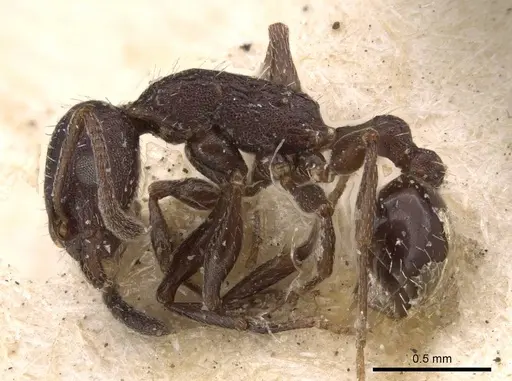
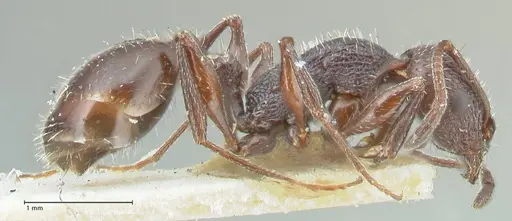
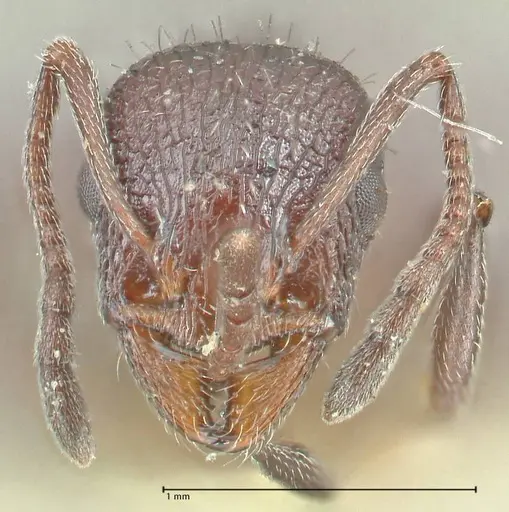
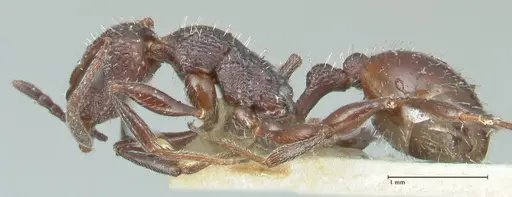
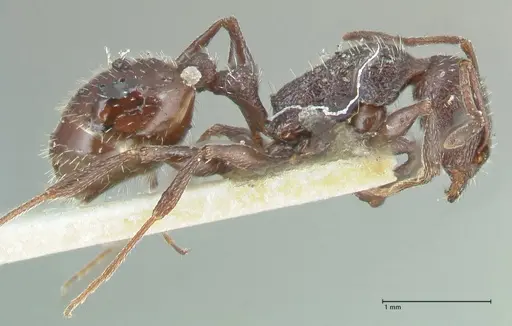
Temnothorax cabrerae is a small ant species belonging to the rottenbergii-clade, known for its remarkably short propodeal spines which help distinguish it from related species [1]. Workers are tiny, typically measuring just 2-4mm, with a distinctive narrow postpetiole and compact body shape typical of the genus. This species has a limited distribution, found only in the Canary Islands and Morocco, making it a relatively rare find in the antkeeping hobby [2]. The species was originally described from the Canary Islands and has been collected from both island and mainland locations in North Africa [2].
What makes T. cabrerae stand out from other Temnothorax species is its ground-nesting behavior, unlike many acorn ants that nest in hollow twigs and cavities, this species nests directly in sandy soil, often at the base of plants like Zygophyllum fontanesii [3]. This adaptation to beach and coastal environments makes its care requirements somewhat unique compared to typical twig-nesting Temnothorax. The species is peaceful and non-aggressive, making it suitable for observation colonies where you want to watch natural behaviors.
Quick Summary
- Difficulty: Medium
- Origin & Habitat: Native to the Canary Islands (Spain) and Morocco, found in the Mediterranean region [2][3]. This species nests in sandy soil in coastal areas, often at the base of desert plants like Zygophyllum fontanesii on beach environments [3].
- Colony Type: Single-queen colonies (monogyne), typical for the genus. The colony structure involves one reproductive queen with workers tending the brood.
- Colony: Monogyne
- Founding: Claustral
- Size & Growth:
- Queen: Estimated 4-5mm based on genus typical size
- Worker: 2-4mm [1]
- Colony: Likely 100-300 workers based on typical Temnothorax colony sizes
- Growth: Moderate
- Development: Estimated 6-8 weeks at optimal temperature based on typical Temnothorax development (Development time is typical for Mediterranean species, faster in warm conditions, slower in cooler temperatures)
- Antkeeping:
- Temperature: Keep at 22-26°C, they prefer warm Mediterranean conditions. A heating cable on one side of the nest creates a suitable temperature gradient [3].
- Humidity: Moderate humidity around 50-60%. Being a ground-nesting species from coastal areas, they tolerate drier conditions than typical forest-dwelling Temnothorax. Keep the nest substrate lightly moist but allow some drying between waterings.
- Diapause: Yes, Mediterranean species require a winter rest period. Reduce temperature to 10-15°C for 2-3 months during winter months (roughly November-February in the Northern Hemisphere).
- Nesting: Ground-nesting species, works well with naturalistic setups using sandy substrate, or Y-tong/plaster nests with chambers scaled to their small size. They will nest in soil-filled setups that mimic their natural beach habitat [3].
- Behavior: Peaceful and non-aggressive temperament. Workers are small but active foragers, typically searching for small prey and honeydew. They are not known for stinging and pose no danger to keepers. Their small size (2-4mm) means escape prevention is important, use fine mesh and tight-fitting lids. They are diurnal and actively forage during daylight hours.
- Common Issues: escape prevention is critical due to their tiny 2-4mm size, they can squeeze through remarkably small gaps, colonies are slow to establish, new keepers may lose patience during the founding phase, overheating is a risk, direct sunlight or heating mats placed under the nest can kill colonies, wild-caught colonies may carry parasites that cause colony failure in captivity, sandy nesting substrate can dry out quickly, requires regular monitoring
Housing and Nest Setup
Temnothorax cabrerae is a ground-nesting species, which means their housing needs differ from typical acorn ants that live in hollow twigs. In captivity, they do well in naturalistic setups with a sandy soil substrate that allows them to dig chambers, or in Y-tong/plaster nests designed for small species [3]. The key is providing appropriately sized chambers, too large and they feel exposed, too small and they cannot move brood around properly. A nest chamber of roughly 5-10cm wide works well for a founding colony. For the outworld (foraging area), a simple plastic container with a layer of sand or soil works fine. Always use excellent escape prevention, these tiny ants can escape through gaps you wouldn't believe possible. Apply Fluon or similar barrier to the upper edges of the outworld and use fine mesh for ventilation holes.
Feeding and Diet
Like most Temnothorax species, T. cabrerae is an omnivore that accepts a variety of foods. In captivity, offer small protein sources like fruit flies, pinhead crickets, small mealworms, or other appropriately sized insects twice weekly. They also readily accept sugar sources, a drop of honey water or sugar water should be available at all times. In the wild, they likely forage for small arthropods and tend aphids for honeydew, similar to other Mediterranean Temnothorax species. Remove uneaten prey after 24-48 hours to prevent mold issues. A varied diet helps ensure colony health, consider rotating between different protein sources and always keeping sugar water available.
Temperature and Seasonal Care
Being a Mediterranean species from the Canary Islands and Morocco, T. cabrerae prefers warm conditions around 22-26°C [3]. They can tolerate slightly higher temperatures but should never be exposed to direct sunlight or heat sources that could cause overheating. A heating cable placed on top of the nest (never underneath, which causes moisture evaporation) can create a gentle warmth gradient that ants will naturally regulate by moving brood to optimal areas. During winter, this species requires a diapause period, reduce temperatures to 10-15°C for 2-3 months, typically from late November through February. This mimics their natural seasonal cycle and is essential for long-term colony health. Do not feed during diapause and reduce water availability slightly to prevent excessive humidity.
Colony Development and Growth
Temnothorax colonies grow moderately compared to some faster-growing genera. After the queen seals herself in during claustral founding, expect 6-8 weeks until the first workers (nanitics) emerge, these initial workers are typically smaller than mature workers [1]. The colony will remain small for the first few months as the queen slowly raises successive batches of brood. Once established with 10-20 workers, growth accelerates but remains moderate, full colonies typically reach 100-300 workers over 1-2 years. Patience is key with this species. Growth rate depends heavily on temperature and feeding, warmer conditions and consistent protein availability speed development, while cool temperatures or poor nutrition slow it significantly. Mature colonies are manageable and long-lived, with queens potentially living 10-15 years.
Behavior and Observation
Temnothorax cabrerae is a peaceful species that makes an excellent subject for observation. Workers are active foragers that search the outworld for food, often carrying small prey items back to the nest. They do not form aggressive swarms or attack handlers, the worst they'll do is try to flee. Their small size makes them fascinating to watch as they navigate their environment and tend to brood. Unlike some ants that are strictly nocturnal or diurnal, these ants show activity patterns throughout the day. The colony will establish defined foraging trails once established. You may observe workers performing tandem running, one worker leads another to a food source, which is a common recruitment behavior in Temnothorax. Their ground-nesting behavior means you'll see more natural digging and chamber-building than you would with twig-nesting species.
Frequently Asked Questions
How long does it take for Temnothorax cabrerae to have first workers?
Expect 6-8 weeks from egg to first worker at optimal temperature (22-26°C). This is typical for Mediterranean Temnothorax species. The first workers, called nanitics, are usually smaller than fully-grown workers and the colony will produce normal-sized workers once established.
Can I keep Temnothorax cabrerae in a test tube?
Yes, test tubes work well for founding colonies. Use a small test tube with a water reservoir sealed with cotton, the humidity from the water chamber will keep the founding chamber moist. However, because this is a ground-nesting species, you may want to transition them to a naturalistic setup with sandy soil once the colony reaches 20-30 workers.
Do Temnothorax cabrerae ants sting?
No, this species poses no stinging threat to keepers. Temnothorax ants are generally docile and non-aggressive. Their small size and mild temperament make them safe to handle, though you should always use gentle handling to avoid stressing the colony.
What do Temnothorax cabrerae eat?
They are omnivores that accept small insects (fruit flies, pinhead crickets, small mealworms) as protein and sugar sources (honey water, sugar water). Offer protein twice weekly and keep sugar water available at all times. Remove uneaten prey after 24 hours.
Do Temnothorax cabrerae need hibernation?
Yes, as a Mediterranean species they require a winter rest period. Reduce temperatures to 10-15°C for 2-3 months during winter (roughly November-February). Stop feeding during this period and reduce moisture slightly. This diapause is essential for long-term colony health and reproduction.
How big do Temnothorax cabrerae colonies get?
Mature colonies typically reach 100-300 workers. This is typical for the genus, they are not large colony formers like some Myrmica or Formica species. The colony will grow gradually over 1-2 years from founding.
Are Temnothorax cabrerae good for beginners?
They are moderate difficulty, easier than some exotic species but requiring more patience than common beginner species like Lasius. The main challenges are escape prevention (their tiny size) and the slow establishment phase. If you're prepared for their specific needs, they make fascinating and rewarding pets.
When should I move my colony to a formicarium?
You can keep them in a test tube or simple setup through the founding phase. Once the colony reaches 20-30 workers and you see workers frequently leaving the test tube to forage, consider moving to a larger naturalistic setup. Ground-nesting species appreciate having soil or sandy substrate to dig in.
Why is my Temnothorax cabrerae colony dying?
Common causes include: overheating (direct sun or heat mat under nest), escape leading to scattered ants, parasites from wild-caught colonies, mold from overwatering or uneaten food, or stress from too much handling. Check temperature first, they prefer 22-26°C and die quickly from overheating. Ensure proper escape prevention and remove uneaten food promptly.
Can I keep multiple queens together?
No, Temnothorax cabrerae is monogyne, single queen colonies. Unlike some social insects, multiple unrelated queens will fight. Only keep one queen per colony. If you find multiple queens in the wild, they are likely from different colonies and should be housed separately.
References

This caresheet is licensed under CC BY-SA 4.0 .
CASENT0906159
View on AntWeb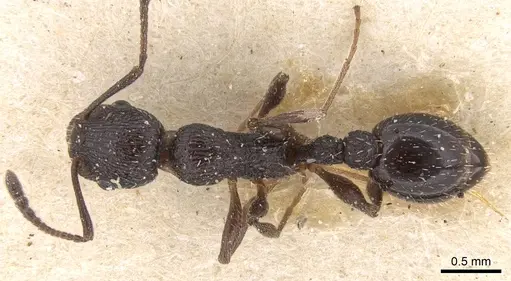
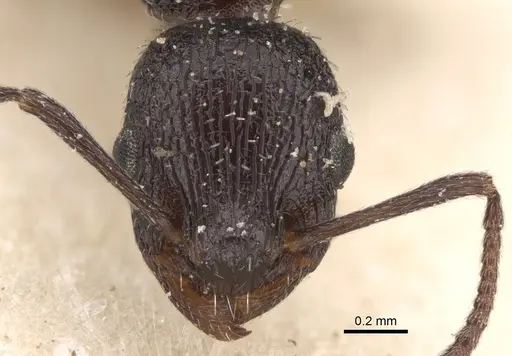
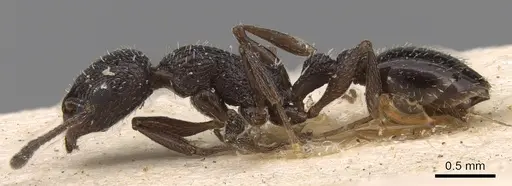
CASENT0909007
View on AntWeb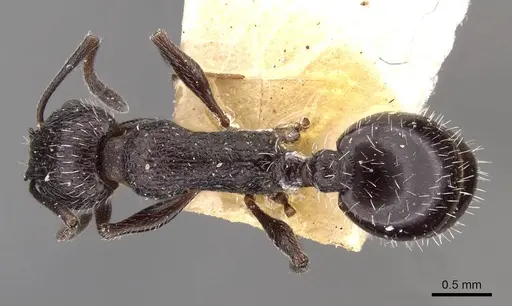
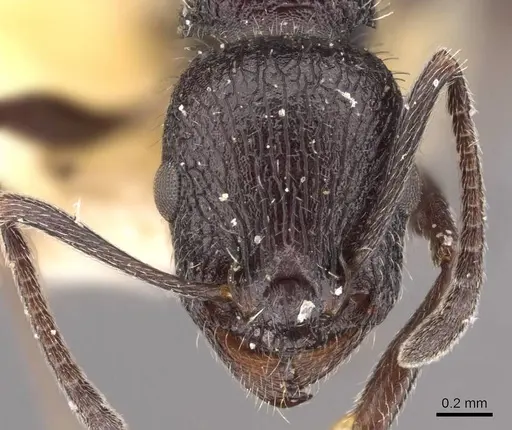
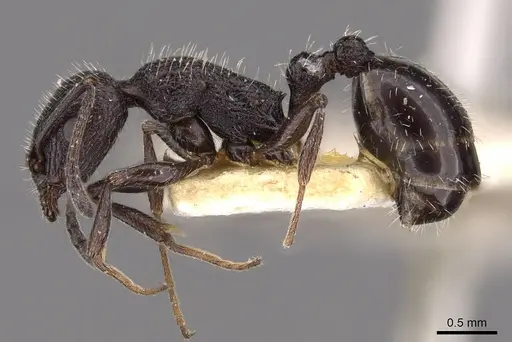
CASENT0909008
View on AntWeb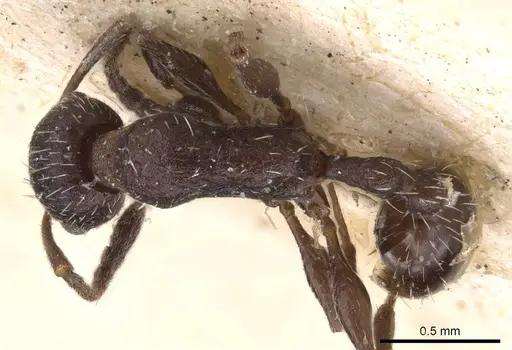
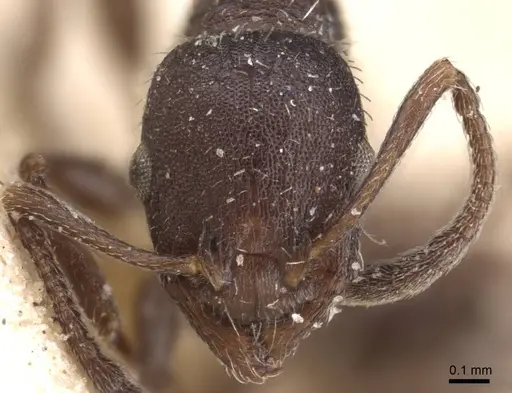
FOCOL2028
View on AntWeb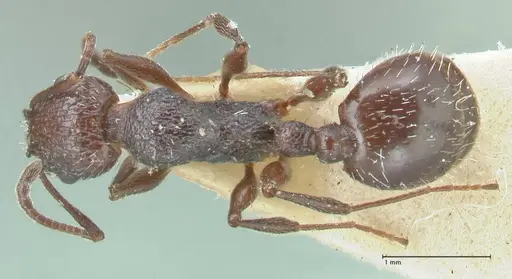
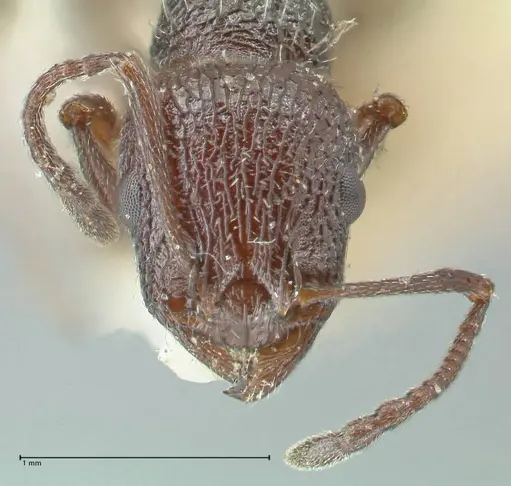
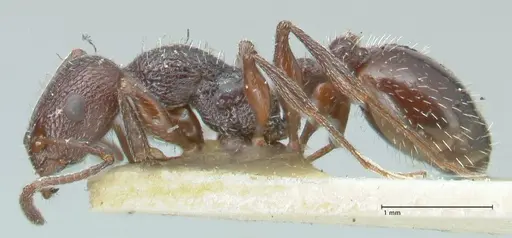
FOCOL2029
View on AntWeb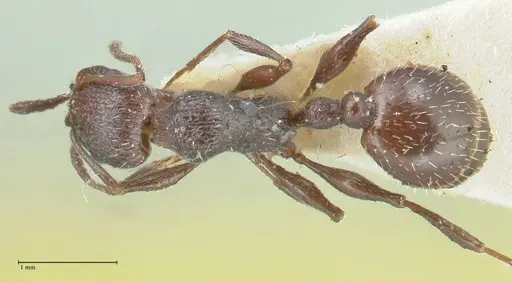
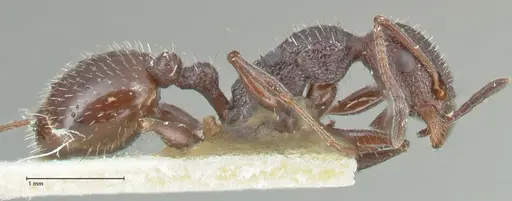
FOCOL2030
View on AntWeb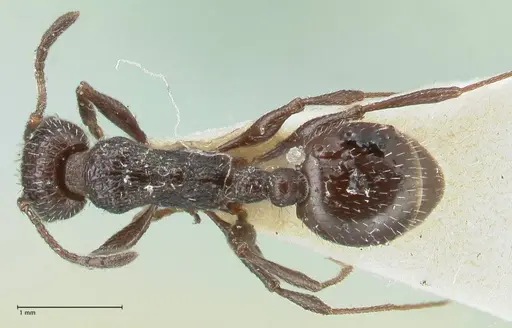
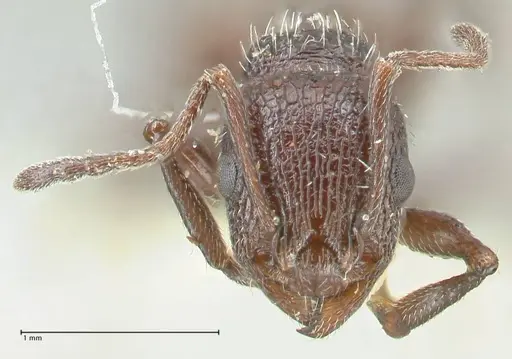
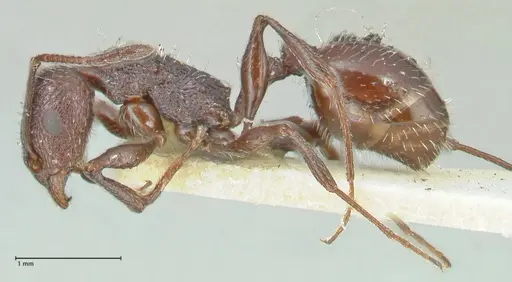
Literature
Loading...Loading products...