

Temnothorax bucheti
- Scientific Name
- Temnothorax bucheti
- Tribe
- Crematogastrini
- Subfamily
- Myrmicinae
- Author
- Santschi, 1909
- Distribution
- Found in 2 countries
Temnothorax bucheti Overview
Temnothorax bucheti is an ant species of the genus Temnothorax. It is primarily documented in 2 countries , including Algeria, Morocco. Detailed taxonomic data and occurrence records can be further explored via authoritative databases such as AntWeb or the Global Biodiversity Information Facility (GBIF).
Temnothorax bucheti
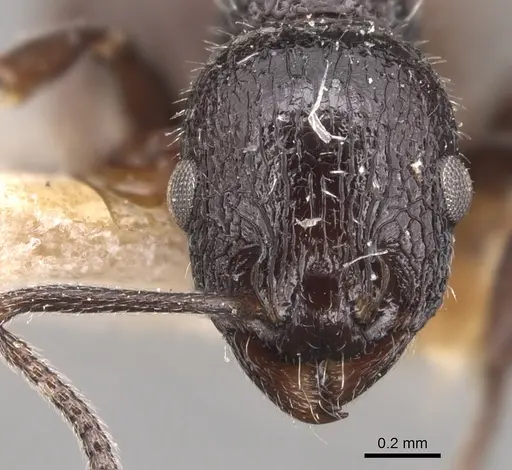
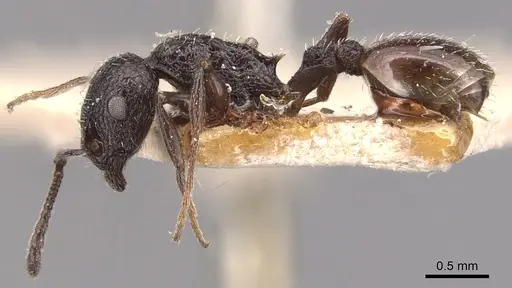
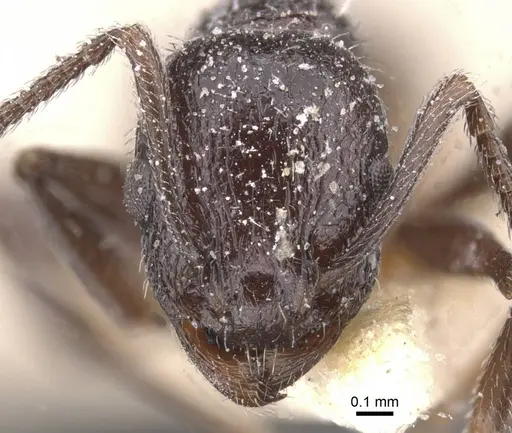
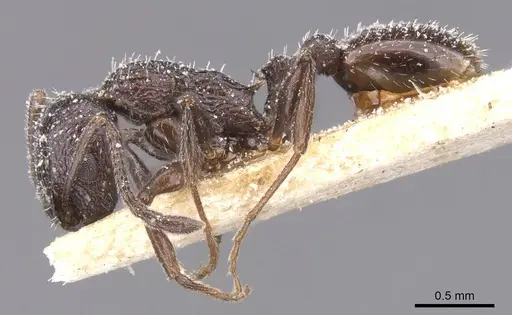
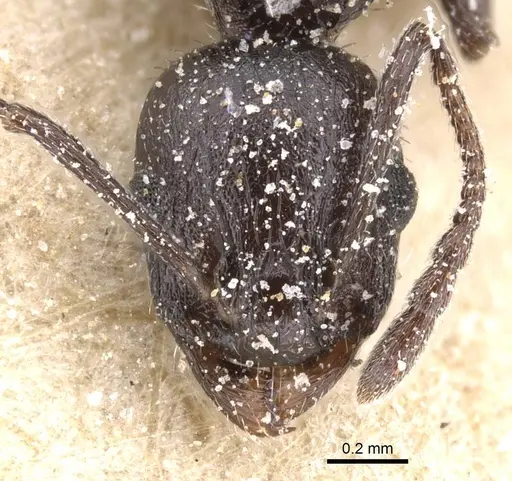
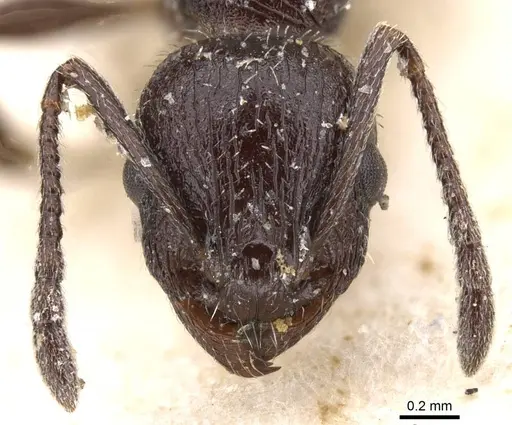
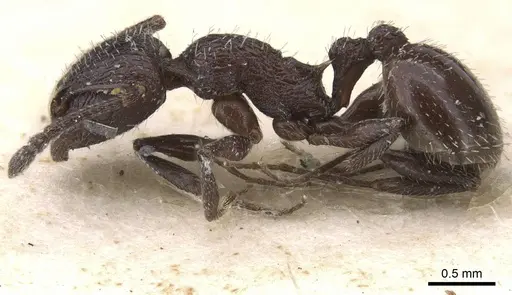
Temnothorax bucheti is a small ant species belonging to the Myrmicinae subfamily, part of the rottenbergii species group native to northwestern Africa. Workers are tiny, measuring around 3-4mm, with a characteristic medium-length propodeal spine that helps distinguish this species from related forms in North Africa and the Mediterranean region. The species has a smooth and shiny first gastral tergite, which sets it apart from similar species like T. bugnioni and T. pupseli that have an imbricate and dull appearance. These ants are found across Algeria, Morocco, Tunisia, and Libya, typically in warmer Mediterranean and North African habitats.
Like other Temnothorax species, T. bucheti forms small colonies with a single queen. They are opportunistic nesters that utilize small cavities in rotting wood, under stones, and in similar protected microhabitats. This species represents a rewarding challenge for antkeepers interested in keeping a less common Mediterranean species with relatively straightforward care requirements.
Quick Summary
- Difficulty: Easy
- Origin & Habitat: Native to northwestern Africa, specifically found in Algeria, Morocco, Tunisia, and Libya in the Palaearctic region. They inhabit Mediterranean and North African habitats, typically nesting in small cavities in rotting wood, under stones, and in similar protected microhabitats typical of the genus.
- Colony Type: Single-queen colonies (monogyne). Based on typical Temnothorax patterns, colonies likely have ergatoid replacement reproductives, wingless workers that can take over queen duties if the primary queen dies, a common trait in this genus.
- Colony: Monogyne
- Founding: Claustral
- Size & Growth:
- Queen: Estimated 5-6mm based on genus-level Temnothorax data
- Worker: Estimated 3-4mm based on genus-level Temnothorax data
- Colony: Likely small colonies of 50-200 workers typical of the genus
- Growth: Moderate, Temnothorax species typically develop at a moderate pace
- Development: Estimated 6-10 weeks at optimal temperature based on typical Temnothorax development patterns (Development time is temperature-dependent, warmer conditions within safe range accelerate development)
- Antkeeping:
- Temperature: Keep at 20-26°C. As a Mediterranean/North African species, they prefer warmer conditions but can tolerate room temperature. A gentle gradient with one side slightly warmer is ideal.
- Humidity: Moderate humidity around 50-70%. They prefer somewhat drier conditions compared to tropical species, reflecting their North African and Mediterranean origins. Keep the nest substrate lightly moist but allow some drying between waterings.
- Diapause: Yes, as a species from temperate latitudes, they benefit from a winter rest period of 8-12 weeks at 10-15°C. Reduce feeding and activity during this period.
- Nesting: Use small, tight-fitting nests. Y-tong (AAC) nests with narrow chambers work well, or small test tube setups. They prefer dark, enclosed spaces with minimal open area. Naturalistic setups with small cavities in cork or wood are also suitable.
- Behavior: Generally peaceful and non-aggressive. Workers are small but active foragers that search for honeydew, small insects, and sugary liquids. They are not known for stinging and pose no danger to keepers. Escape prevention is important due to their small size, use fine mesh and tight-fitting barriers. They are diurnal and actively forage during daylight hours.
- Common Issues: small size means escapes are likely without fine mesh barriers, colonies can stagnate if kept too cold, maintain warm temperatures, overwatering can lead to mold issues in their preferred drier conditions, wild-caught colonies may have parasites that can devastate captive colonies, slow founding phase can lead beginners to abandon colonies prematurely
Housing and Nest Setup
Temnothorax bucheti does well in small, enclosed nests that mimic their natural cavities. A Y-tong (AAC) formicarium with narrow chambers is ideal, the tight spaces make them feel secure and prevent the small workers from getting lost in overly large areas [1]. Test tube setups also work well for founding colonies, though you may need to upgrade to a proper formicarium once the colony reaches 30-40 workers. Avoid tall, open spaces that can stress these tiny ants. Provide a small outworld for foraging, a shallow dish or small container works fine. Use fine mesh on any ventilation holes, as these ants can squeeze through surprisingly small gaps.
Feeding and Diet
Like most Temnothorax species, T. bucheti is omnivorous and will accept a variety of foods. Offer sugar water or diluted honey regularly, they eagerly consume sweet liquids. For protein, provide small insects like fruit flies, pinhead crickets, or mealworm pieces. They are not aggressive hunters, so prey should be small and easy to handle. Some keepers report they also accept seeds and plant matter, though protein remains the primary focus for colony growth. Feed every 2-3 days, removing any uneaten food after 24 hours to prevent mold. A constant sugar source (honey water or sugar water) should be available between protein feedings. [1]
Temperature and Seasonal Care
These North African and Mediterranean ants prefer warmer conditions, ideally keeping them between 22-26°C. Room temperature (around 20-22°C) is acceptable if your home runs warm, but they will be more active and develop faster in the warmer end of this range. A small heating cable on one side of the nest can create a beneficial temperature gradient, place it on top of the nest, not underneath, to avoid drying out the substrate too quickly. During winter, provide an 8-12 week diapause period at 10-15°C. This simulates their natural seasonal cycle and helps maintain colony health long-term. Reduce feeding during hibernation and avoid disturbing the colony unnecessarily. [1]
Colony Development and Growth
Temnothorax colonies grow moderately fast when fed well and kept at proper temperatures. A claustral founding queen will seal herself in a small chamber and raise the first brood alone, typically producing nanitic (first) workers within 6-10 weeks under optimal conditions [1]. The first workers are smaller than mature workers but will begin foraging to support further growth. Colonies rarely exceed 200 workers in captivity, which is typical for the genus. Growth rate depends heavily on temperature and feeding, well-fed colonies at 24-26°C develop faster than those kept cool. Be patient during the founding phase, as this is when colonies are most vulnerable to loss.
Behavior and Temperament
Temnothorax bucheti is a peaceful species that poses no threat to keepers. Workers are active foragers that search for food during daylight hours. They are not aggressive and will flee rather than fight when threatened. Their small size makes them vulnerable to predation, so they prefer to stay in their nest and foraging areas rather than exploring widely. They use tandem running, one worker leads another to food sources, which is a common social behavior in this genus. They do not sting and are completely safe to handle. However, their small size means they can escape through tiny gaps, so escape prevention with fine mesh is essential. [1]
Frequently Asked Questions
How long does it take for Temnothorax bucheti to raise first workers?
Expect 6-10 weeks from egg to first worker at optimal temperature (around 24-26°C). The queen seals herself in during founding and raises the first brood alone using stored fat reserves. The first workers (nanitics) are smaller than mature workers but will begin foraging to support colony growth.
What do Temnothorax bucheti ants eat?
They are omnivorous. Offer sugar water or honey as a constant energy source, and provide small protein foods like fruit flies, pinhead crickets, or small mealworm pieces 2-3 times per week. Remove uneaten food after 24 hours to prevent mold.
Do Temnothorax bucheti ants need hibernation?
Yes, they benefit from a winter rest period. Provide 8-12 weeks at 10-15°C during winter months. Reduce feeding during this time and avoid disturbing the colony. This diapause period helps maintain long-term colony health.
Can I keep multiple Temnothorax bucheti queens together?
No, this is a single-queen (monogyne) species. Unlike some social parasites in the genus, T. bucheti does not form multi-queen colonies. Only keep one queen per colony.
Are Temnothorax bucheti ants good for beginners?
Yes, they are considered easy to keep. They are small, peaceful, and have straightforward care requirements. The main challenges are their small size (requiring good escape prevention) and the need for a winter diapause period.
What size colony do Temnothorax bucheti reach?
Colonies typically reach 50-200 workers at maturity. This is typical for the genus, they are not large colony formers. A healthy colony should reach this size within 1-2 years under good conditions.
Do Temnothorax bucheti ants sting?
No, they do not sting and pose no danger to keepers. They are completely harmless. If threatened, they will simply flee rather than engage in any defensive behavior.
What temperature is best for Temnothorax bucheti?
Keep them at 22-26°C. They prefer warmer conditions reflecting their Mediterranean and North African origins. A slight temperature gradient with one side warmer allows the ants to choose their preferred spot.
When should I move my colony to a formicarium?
You can keep them in a test tube for the founding phase. Once the colony reaches 30-40 workers and the test tube's water reservoir is depleted, consider moving to a small Y-tong or naturalistic setup. They do well in small enclosures.
Why is my Temnothorax bucheti colony not growing?
Common causes include: temperatures below 20°C (slows development significantly), insufficient feeding (they need regular protein), or stress from too much light or disturbance. Check that they have constant access to sugar and protein every few days, and ensure temperatures are in the 22-26°C range.
References

This caresheet is licensed under CC BY-SA 4.0 .
CASENT0904733
View on AntWeb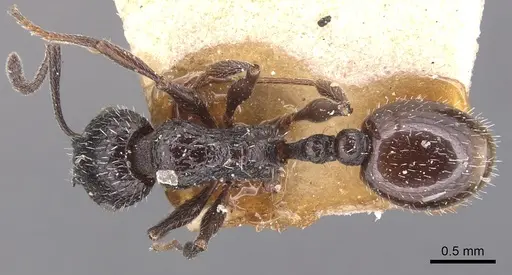
CASENT0912908
View on AntWeb
CASENT0912909
View on AntWeb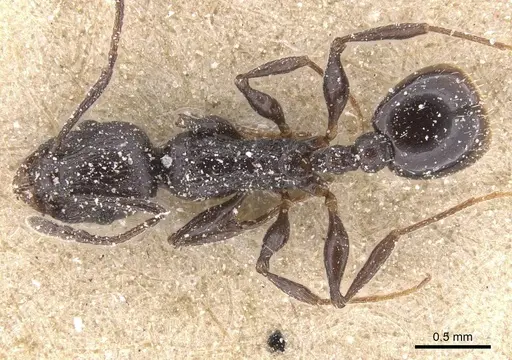
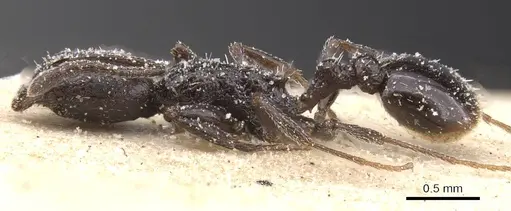
CASENT0912910
View on AntWeb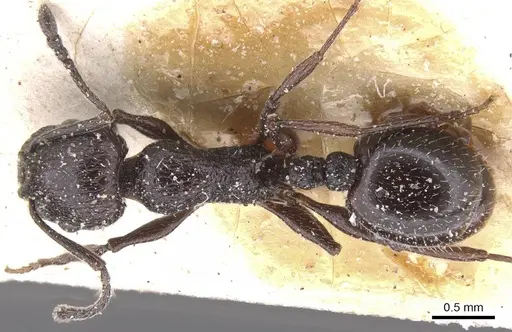
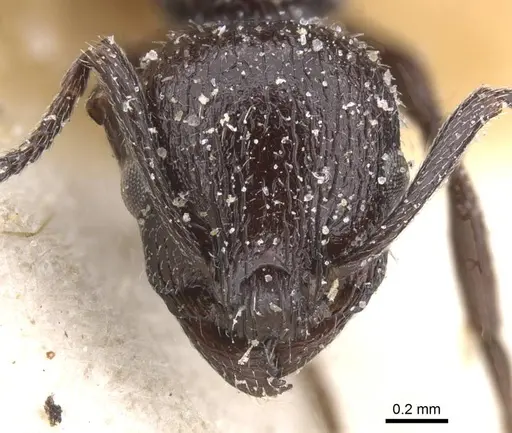
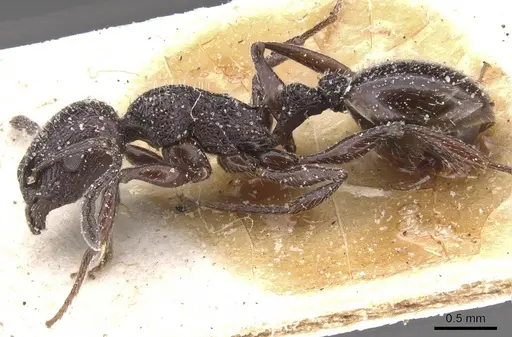
CASENT0912911
View on AntWeb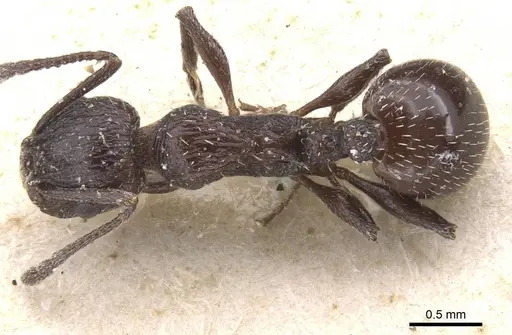
Literature
Loading...Loading products...