

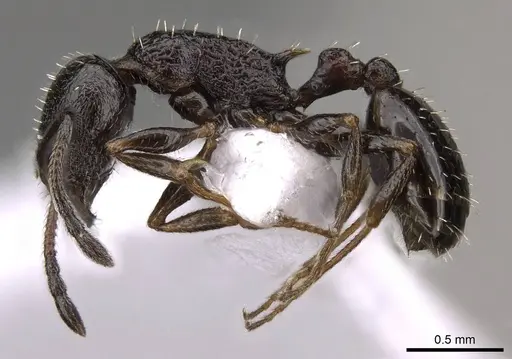
Temnothorax baeticus
- Scientific Name
- Temnothorax baeticus
- Tribe
- Crematogastrini
- Subfamily
- Myrmicinae
- Author
- Emery, 1924
- Distribution
- Found in 1 countries
Temnothorax baeticus Overview
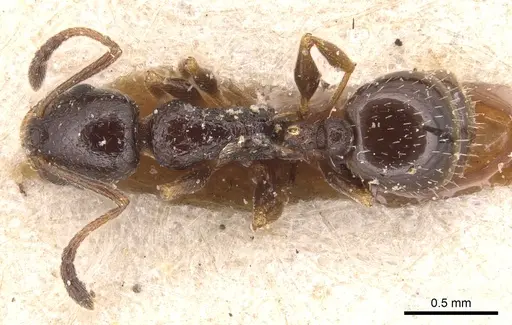
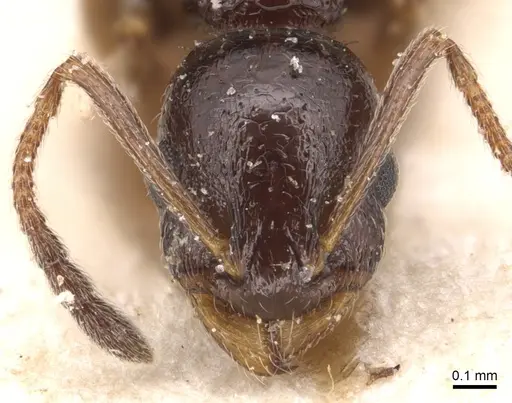
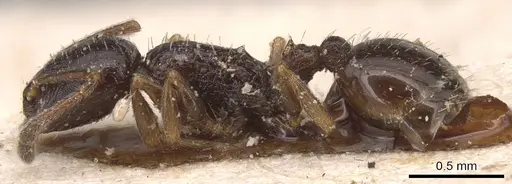
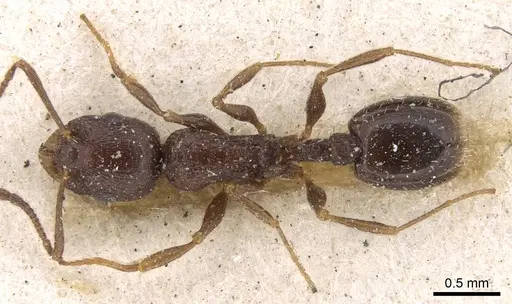
Temnothorax baeticus is an ant species of the genus Temnothorax. It is primarily documented in 1 countries , including Spain. Detailed taxonomic data and occurrence records can be further explored via authoritative databases such as AntWeb or the Global Biodiversity Information Facility (GBIF).
Temnothorax baeticus
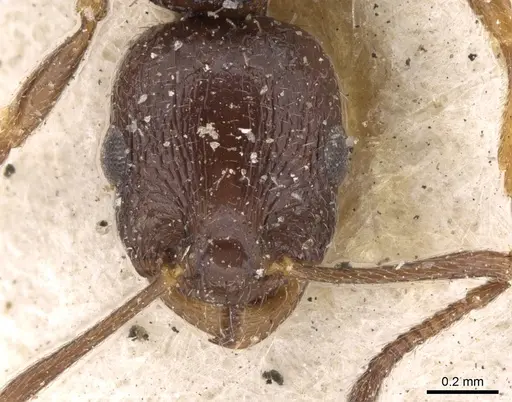
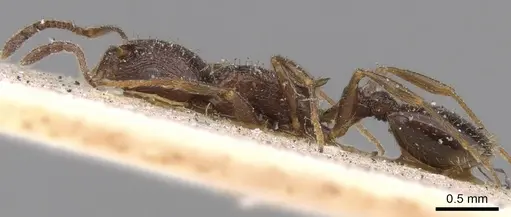
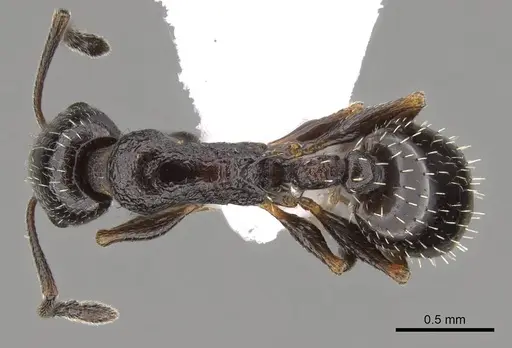
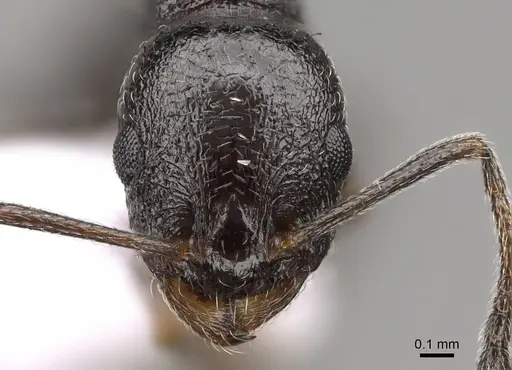
Temnothorax baeticus is a small Myrmicinae ant species native to the Iberian Peninsula and Gibraltar in the Palaearctic region [1]. Workers are tiny ants, typical of the genus Temnothorax, with the species originally described as Temnothorax baeticus by Emery in 1924 [1]. These ants are part of the Crematogastrini tribe and are known for their relatively small colony sizes and flexible social structures. As with other Temnothorax species, they likely nest in pre-existing cavities such as rotting wood, hollow plant stems, or under stones in their Mediterranean habitat. The queen was described by Santschi in 1931 and the male by Tinaut in 1989 [1].
Quick Summary
- Difficulty: Easy
- Origin & Habitat: Iberian Peninsula, Gibraltar, and southern Spain in the Palaearctic region [1]. They inhabit Mediterranean habitats with warm, dry summers and mild, wet winters.
- Colony Type: Likely single-queen colonies (monogyne) based on typical Temnothorax patterns, though colony structure for this specific species is unconfirmed.
- Colony: Monogyne
- Founding: Claustral
- Size & Growth:
- Queen: Estimated 5-7mm based on genus patterns
- Worker: Estimated 2-4mm based on typical Temnothorax worker size
- Colony: Likely small colonies of several dozen to a few hundred workers based on genus patterns
- Growth: Moderate
- Development: Estimated 6-10 weeks at optimal temperature based on related species (Development time inferred from typical Temnothorax genus patterns, specific data for this species is unavailable)
- Antkeeping:
- Temperature: Keep at 20-25°C, typical for Mediterranean-inhabiting Temnothorax species. A slight temperature gradient allows workers to regulate their conditions.
- Humidity: Moderate humidity around 50-60%. These ants prefer drier conditions compared to tropical species, reflecting their Mediterranean origin.
- Diapause: Likely requires a mild winter rest period of 2-3 months at cooler temperatures (10-15°C) similar to other temperate Temnothorax species, though specific requirements for T. baeticus are unconfirmed.
- Nesting: Provide small, tight chambers typical of their natural nesting sites in rotting wood, hollow stems, or under stones. Y-tong (AAC) nests or small test tube setups work well.
- Behavior: Temnothorax baeticus is likely an active forager with typical Temnothorax behaviors including tandem running recruitment to food sources. They are generally not aggressive and can be handled gently. Their small size means escape prevention is important, they can slip through small gaps. Workers likely show alert, quick movements when the nest is disturbed.
- Common Issues: escape prevention is critical due to their very small size, slow colony growth may cause beginners to lose patience, wild-caught colonies may have parasites that affect survival, test tube setups must have proper water reservoir management to avoid flooding, limited specific care data means keepers should monitor colony response and adjust conditions
Housing and Nest Setup
Temnothorax baeticus does well in small, compact nest setups that mimic their natural cavities in rotting wood, hollow plant stems, or under stones. A Y-tong (AAC) nest with narrow chambers works excellently for these tiny ants. Test tube setups are also suitable, especially for founding colonies, use a small water reservoir with a cotton plug, ensuring the tube stays humid but not flooded. The chambers should be tight and appropriately scaled to their 2-4mm worker size. Avoid large, open spaces that can make them feel insecure. A small outworld area connected to the nest allows for foraging and feeding. Escape prevention is critical, use fine mesh barriers and ensure all connections are secure since these small ants can squeeze through surprisingly tiny gaps [1].
Feeding and Diet
Like most Temnothorax species, T. baeticus is likely omnivorous with a preference for protein sources. Offer small live prey such as fruit flies, springtails, or tiny crickets. They will also accept sugar sources like honey water or sugar water, though protein should form the primary diet. Small pieces of mealworms or other soft-bodied insects are readily accepted. Feed small amounts every 2-3 days, removing any uneaten prey after 24 hours to prevent mold. A constant supply of sugar water can be provided, but replace it every few days to stay fresh. The small size of workers means prey items should be appropriately sized, nothing larger than they can handle. [1]
Temperature and Seasonal Care
Maintain temperatures around 20-25°C for optimal colony health and brood development. A slight temperature gradient is beneficial, allowing workers to move between warmer and cooler areas of the nest. As a Mediterranean species from Spain and Gibraltar, T. baeticus likely tolerates warmer conditions during summer but should be protected from extreme heat above 30°C. During winter, a mild hibernation period of 2-3 months at 10-15°C is recommended, mimicking their natural seasonal cycle. Reduce feeding during this period and keep the nest slightly cooler. Do not feed during deep hibernation. Gradual temperature changes are better than sudden shifts, allow 1-2 weeks in spring to warm them back up to active temperatures. [1]
Behavior and Colony Dynamics
Temnothorax baeticus exhibits typical genus behaviors including active foraging and likely tandem running recruitment, where workers lead nestmates to food sources. Colonies are relatively peaceful and not particularly aggressive toward keepers. Workers are alert and quick-moving, often patrolling the outworld in search of food. When the nest is disturbed, workers may quickly evacuate brood to deeper chambers, this is normal protective behavior. The colony will likely establish a clear division of labor with workers taking on different roles. Their small size makes them excellent escape artists, so vigilance with escape prevention is essential. Queens are likely claustral founders who seal themselves in a small chamber and raise the first brood alone on stored fat reserves. [1]
Frequently Asked Questions
How long does it take for Temnothorax baeticus to produce first workers?
Based on typical Temnothorax development patterns, expect first workers (nanitics) to emerge in approximately 6-10 weeks after the queen lays eggs, assuming optimal temperatures around 22-25°C. Development time depends on temperature, warmer conditions within safe limits speed development, while cooler temperatures slow it down.
What size colony does Temnothorax baeticus reach?
Temnothorax species typically form small to moderate colonies. Based on genus patterns, T. baeticus likely reaches several dozen to a few hundred workers at maturity. Growth is moderate, colonies expand gradually over several years.
Do Temnothorax baeticus ants sting?
Temnothorax ants have a functional stinger but their small size means any sting causes minimal discomfort to humans. They are not aggressive and will only sting if directly handled or threatened. Most keepers experience no issues with stinging.
Can I keep multiple queens together in one colony?
Based on typical Temnothorax behavior, this species likely forms single-queen colonies. Combining unrelated queens is not recommended as they may fight. If you obtain a multi-queen colony, it may be best to separate them to prevent conflict.
What temperature range is best for Temnothorax baeticus?
Keep them at 20-25°C with a slight gradient if possible. They can tolerate brief periods slightly warmer or cooler, but consistency is key. Avoid temperatures below 15°C except during winter hibernation, and avoid temperatures above 30°C.
Does Temnothorax baeticus need hibernation?
Yes, a mild winter rest period of 2-3 months at 10-15°C is recommended, reflecting their Mediterranean origin in Spain and Gibraltar. Reduce feeding during this period and allow the colony to slow down naturally. This helps maintain natural seasonal rhythms and may improve colony health long-term.
Are Temnothorax baeticus good for beginners?
Yes, they are considered a good species for beginners due to their relatively easy care requirements. They are small, peaceful, and tolerate a range of conditions. The main challenges are their small size (requiring good escape prevention) and slower growth compared to some faster-growing species.
What do Temnothorax baeticus eat?
They are omnivorous with a protein preference. Offer small live prey like fruit flies, springtails, or tiny insects. They also accept sugar sources like honey water or sugar water. Small soft-bodied insects like mealworm pieces are readily taken. Feed small amounts every 2-3 days.
When should I move my colony to a formicarium?
Move from a test tube to a proper nest setup (Y-tong or naturalistic formicarium) when the colony reaches around 30-50 workers and the test tube is becoming crowded. Make sure the new setup has appropriately sized chambers, too large can stress the colony. Always provide a test tube as a water source in the formicarium.
Why are my Temnothorax baeticus dying?
Common causes include: poor escape prevention (they're tiny and escape easily), improper humidity (too wet or too dry), temperature stress (too cold, too hot, or sudden changes), mold from overfeeding or poor ventilation, parasites from wild-caught colonies, or stress from too-large enclosures. Review each factor and adjust accordingly.
References

This caresheet is licensed under CC BY-SA 4.0 .
Literature
Loading...Loading products...