

Temnothorax artvinensis
- Scientific Name
- Temnothorax artvinensis
- Tribe
- Crematogastrini
- Subfamily
- Myrmicinae
- Author
- Seifert, 2006
- Distribution
- Found in 1 countries
Temnothorax artvinensis Overview
Temnothorax artvinensis is an ant species of the genus Temnothorax. It is primarily documented in 1 countries , including Türkiye. Detailed taxonomic data and occurrence records can be further explored via authoritative databases such as AntWeb or the Global Biodiversity Information Facility (GBIF).
Temnothorax artvinensis
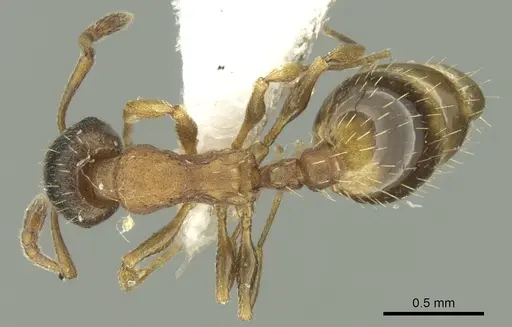
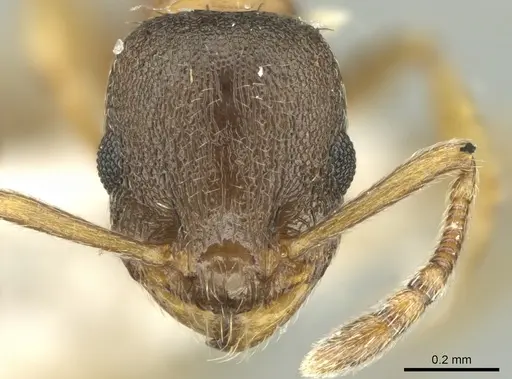
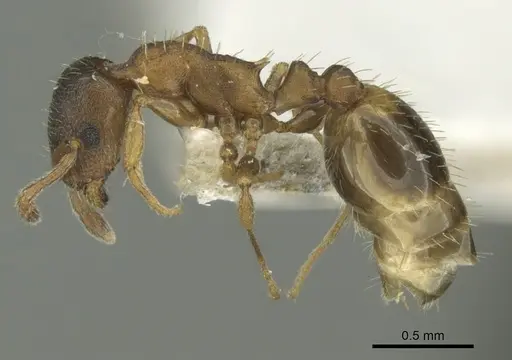
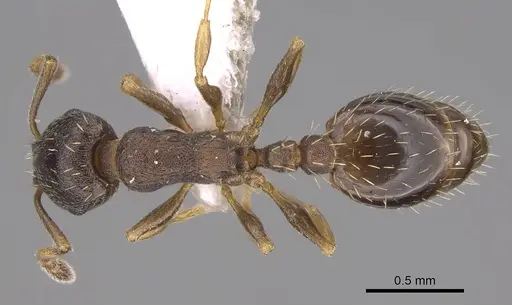
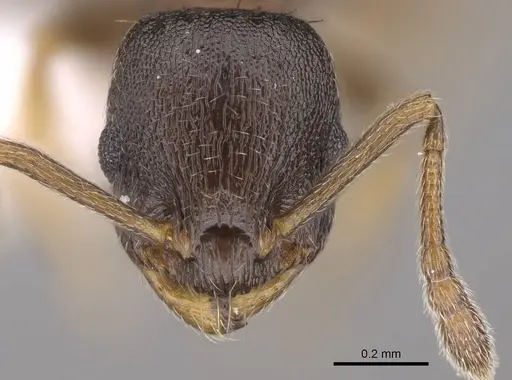
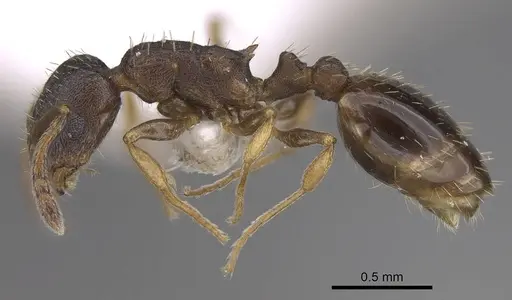
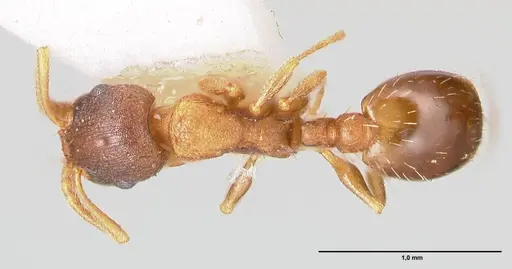
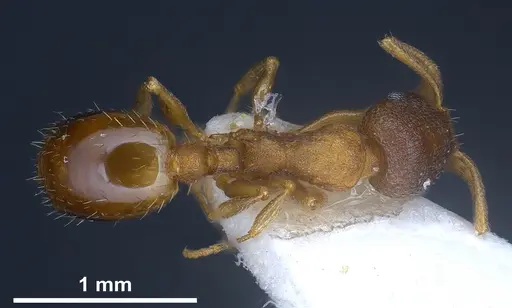
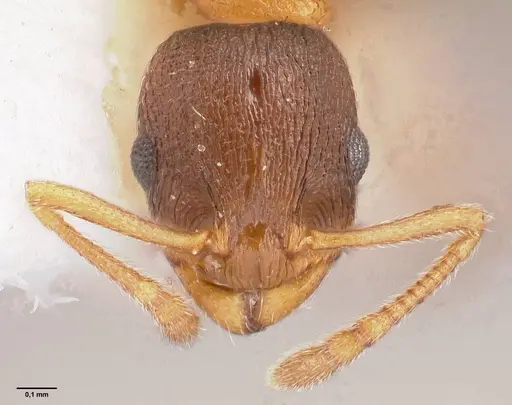
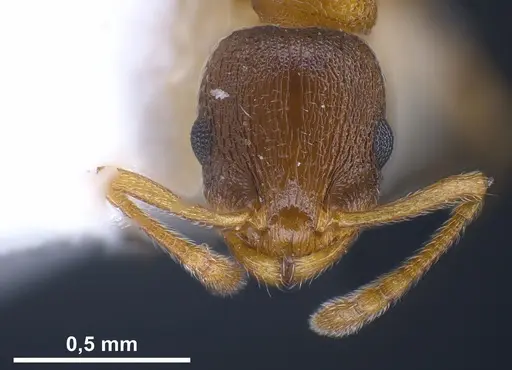
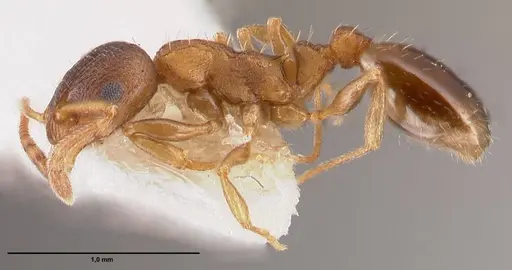
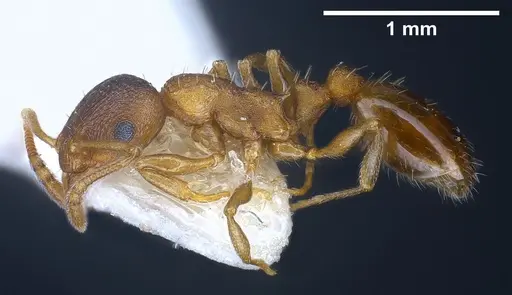
Temnothorax artvinensis is a tiny, very dark ant species native to the high mountains of North-East Turkey. Workers measure only about 2-3mm in total body length, with heads averaging 0.58mm in size [1]. They belong to the nylanderi species-group and the sordidulus species-complex, making them close relatives of other Mediterranean Temnothorax ants. The species is easily identified by its distinctive dark coloration, brown to black body with the head, mesosoma, waist, and front of the gaster slightly lighter than the antennae, legs, and rear of the gaster [1]. This species has only been recorded from a restricted area in the Artvin and Giresun provinces of Turkey, typically at elevations around 1000m [1][2].
Despite being described in 2006,the biology of this species remains completely unstudied in the scientific literature [3]. All care recommendations must be inferred from what we know about related Temnothorax species in the same species-group. Based on typical genus patterns, these are likely peaceful colony-nesting ants that prefer cool, stable conditions matching their mountain habitat. Their tiny size and dark coloration suggest they may be adapted to shaded microhabitats under stones or within rotting wood cavities.
Quick Summary
- Difficulty: Medium
- Origin & Habitat: Restricted to North-East Turkish high mountains in Artvin and Giresun provinces at approximately 1000m elevation [1][2]. The type locality was collected from a mountainous area near Artvin city. Based on the elevation and region, they likely inhabit cool, shaded forest edge habitats.
- Colony Type: Likely single-queen colonies (monogyne) based on typical Temnothorax patterns. Colony size is unknown but likely small, similar species in the nylanderi-group typically reach 100-500 workers.
- Colony: Monogyne
- Founding: Claustral
- Size & Growth:
- Queen: Unknown for this specific species, estimated 4-5mm based on related Temnothorax species in the sordidulus complex
- Worker: Approximately 2-3mm total body length (head 0.54-0.63mm) [1]
- Colony: Unknown, estimated 100-500 workers based on similar species in the species-group
- Growth: Moderate, inferred from related species
- Development: Estimated 6-10 weeks at optimal temperature based on typical Temnothorax development patterns (Development time is unconfirmed for this species. Related species in the nylanderi-group typically develop from egg to worker in 6-10 weeks at room temperature.)
- Antkeeping:
- Temperature: Keep cool, aim for 18-22°C. This species comes from high-elevation Turkish mountains and likely prefers temperatures cooler than typical room temperature. Avoid overheating.
- Humidity: Moderate humidity around 60-70%. Keep the nest substrate slightly moist but allow some drying between waterings. These are not humidity-demanding ants.
- Diapause: Yes, likely required. Based on their origin in temperate high mountains, a winter rest period of 2-3 months at 5-10°C is probably necessary for colony health.
- Nesting: Small cavities are essential. In nature they likely nest under stones or in small rotting wood cavities. For captivity, a Y-tong (AAC) nest with narrow chambers or a small naturalistic setup with flat stones works well. Avoid large, open spaces.
- Behavior: Peaceful and non-aggressive, typical of the genus. Workers are small but active foragers. They likely form small, stable colonies with moderate activity levels. Escape prevention is critical due to their tiny size, they can squeeze through standard mesh barriers.
- Common Issues: tiny size means escapes are likely without fine mesh barriers, lack of biological data means care is based on genus inference, results may vary, colonies are slow to grow, which can frustrate beginners, overheating is a serious risk, they come from cool mountain habitats, wild-caught colonies may carry parasites that are difficult to treat
Temperature and Care
Temnothorax artvinensis requires cool, stable temperatures that reflect its mountain habitat in North-East Turkey. Keep the nest area at 18-22°C, this is cooler than most ant species and matches what they'd experience at 1000m elevation in the Turkish mountains [1]. A heating cable on one side of the nest can create a gentle gradient, but never let temperatures exceed 25°C. These ants are sensitive to overheating and may abandon brood or die if kept too warm. Room temperature (20-22°C) is often ideal for this species. During summer, ensure good ventilation to prevent heat buildup. In winter, they will benefit from a natural diapause period at cooler temperatures.
Nesting Preferences
In captivity, these tiny ants need appropriately scaled nesting spaces. A Y-tong (AAC) nest with narrow chambers works well, or you can use a small plaster nest. The chambers should be tight-fitting, these ants feel secure in small cavities. If using a naturalistic setup, flat stones placed on moist substrate create ideal conditions. The nest should be placed in a shaded area away from direct sunlight and heat sources. Unlike some Temnothorax that prefer dry conditions, this species likely benefits from moderate substrate moisture. Keep the nest material damp but not waterlogged. [1][2]
Feeding and Diet
Like other Temnothorax, these ants are likely omnivorous with a preference for small protein sources. Offer small live prey such as fruit flies, pinhead crickets, or small mealworms. They will also accept sugar water, honey, or diluted jam. Feed small amounts twice weekly, remove any uneaten prey after 24 hours to prevent mold. Because of their tiny size, even small prey items are substantial meals. A constant sugar source is recommended once workers are active. Avoid large prey items that the ants cannot subdue.
Colony Development
Colony growth is expected to be slow but steady. Queens likely lay eggs in spring after diapause, with the first workers (nanitics) emerging 6-10 weeks later based on typical Temnothorax development [3]. These first workers are smaller than mature workers and will help expand the colony. A mature colony may reach 100-500 workers over several years. The key to successful colony development is maintaining stable, cool temperatures and avoiding the temptation to overfeed. Less is more with this species, consistent minor feeding produces better results than heavy feeding.
Diapause and Winter Care
A winter diapause period is likely essential for this species. From approximately October through March (or for 2-3 months), reduce temperatures to 5-10°C. This can be achieved by moving the colony to a cool basement, unheated room, or refrigerator (for small colonies in test tubes). During diapause, reduce feeding to once monthly or not at all. Do not feed heavily before diapause, ensure the colony enters winter with a moderate amount of brood but not excessive stores. A proper diapause helps trigger reproductive behavior in spring and extends colony lifespan.
Escape Prevention
Excellent escape prevention is non-negotiable due to the extremely small size of these ants. Standard test tube cotton can allow escapes, use fluon barriers on rim edges. If using formicariums, ensure all connections are sealed with silicone or fluon. Even tiny gaps in tubing or lid seals will be exploited. Check barriers daily, especially in the first weeks of housing a colony. A thin layer of fluon around the rim of test tubes and formicarium openings is highly effective for these tiny ants.
Frequently Asked Questions
How long does it take for Temnothorax artvinensis to raise their first workers?
The exact timeline is unconfirmed for this species, but based on typical Temnothorax development patterns, expect 6-10 weeks from egg to first worker at optimal temperature (around 20°C). The first workers (nanitics) will be smaller than mature workers.
What temperature do Temnothorax artvinensis ants need?
Keep them cool at 18-22°C. This species comes from high-elevation Turkish mountains and prefers temperatures cooler than typical room temperature. Avoid exceeding 25°C, overheating can be fatal.
Do Temnothorax artvinensis ants need hibernation?
Yes, a winter diapause of 2-3 months at 5-10°C is likely necessary. This matches their natural cycle in the cool mountain habitats of North-East Turkey. Skip diapause only if keeping the colony at consistently cool temperatures year-round.
How big do Temnothorax artvinensis colonies get?
Colony size is unconfirmed but estimated at 100-500 workers based on similar species in the nylanderi-group. Growth is slow, expect several years to reach maximum size.
Can I keep multiple Temnothorax artvinensis queens together?
This is not recommended. Based on typical Temnothorax patterns, this species likely forms single-queen colonies. Combining unrelated queens has not been studied and risks fatal aggression.
What do Temnothorax artvinensis ants eat?
They likely accept small live prey (fruit flies, small crickets) and sugar sources (honey water, sugar water). Feed small amounts twice weekly. Remove uneaten prey after 24 hours.
Are Temnothorax artvinensis good for beginners?
This is a moderate-difficulty species. The lack of species-specific biological data means care is based on genus inference. Their tiny size and escape risk make them more challenging than common species like Lasius or Camponotus. Experienced antkeepers will have better success.
Do Temnothorax artvinensis ants sting?
Temnothorax ants have a functional stinger but are not aggressive and rarely sting. Their small size means any sting would be very mild. They are not considered dangerous to humans.
What size nest do I need for Temnothorax artvinensis?
Use a small nest with tight chambers, Y-tong (AAC) nests work well, or small plaster nests. Avoid large, open spaces. Chambers should be appropriately scaled to their tiny 2-3mm worker size.
Why is my Temnothorax artvinensis colony dying?
Common causes include: overheating (keep below 25°C), poor escape prevention, overfeeding leading to mold, or stress from frequent disturbance. Their mountain origin means they are sensitive to warm conditions. Ensure cool, stable temperatures and minimal handling.
References

This caresheet is licensed under CC BY-SA 4.0 .
Literature
Loading...Loading products...