

Temnothorax ariadnae
- Scientific Name
- Temnothorax ariadnae
- Tribe
- Crematogastrini
- Subfamily
- Myrmicinae
- Author
- Csősz <i>et al.</i>, 2015
- Distribution
- Found in 1 countries
Temnothorax ariadnae Overview
Temnothorax ariadnae is an ant species of the genus Temnothorax. It is primarily documented in 1 countries , including Greece. Detailed taxonomic data and occurrence records can be further explored via authoritative databases such as AntWeb or the Global Biodiversity Information Facility (GBIF).
Temnothorax ariadnae
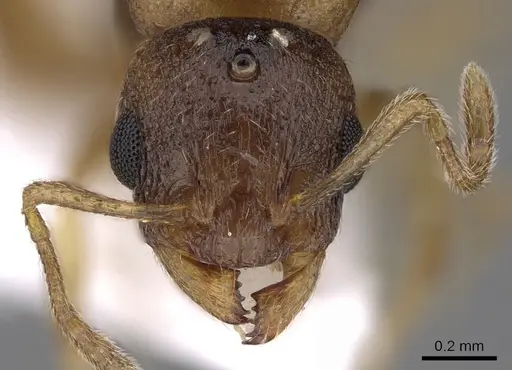
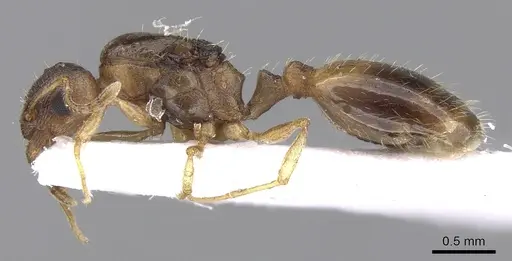
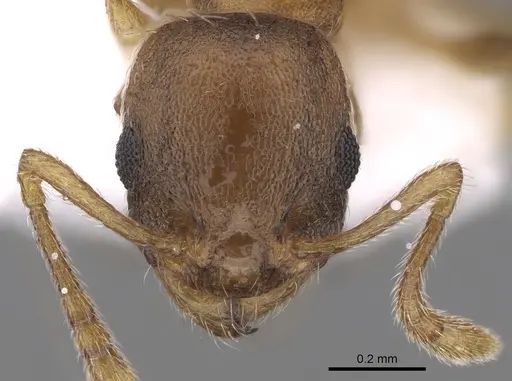
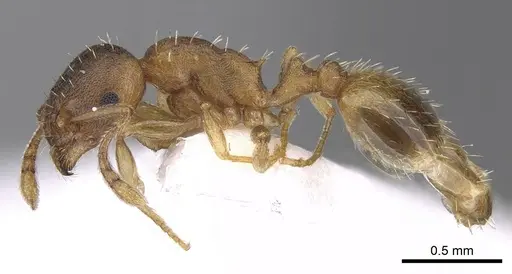
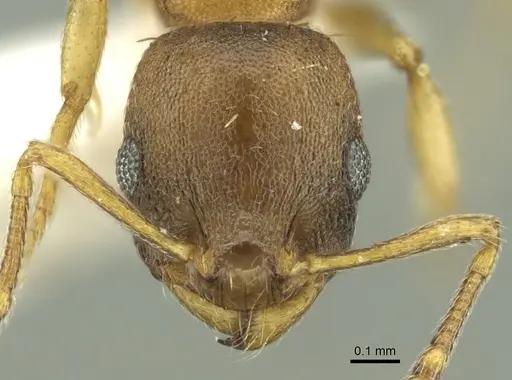
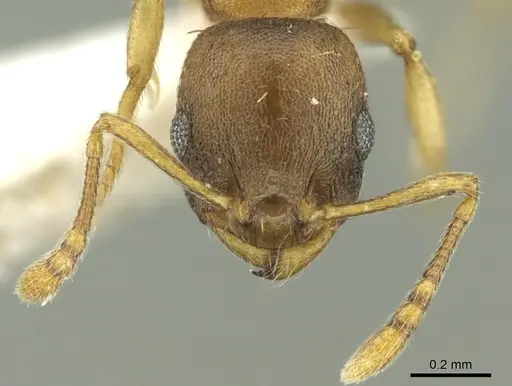
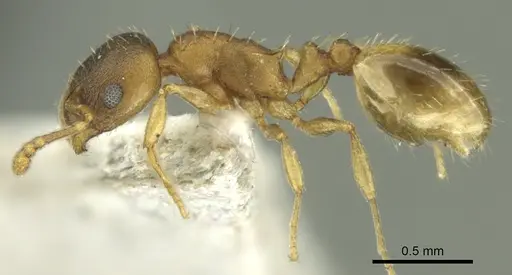
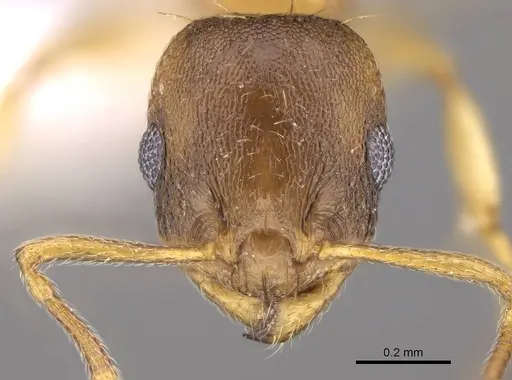
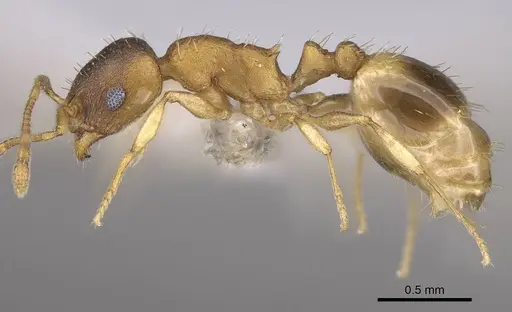
Temnothorax ariadnae is a tiny ant species endemic to the island of Crete, Greece. Workers measure just 2-3mm and display a brown to yellow coloration with completely yellow antennae. Their body has well-developed sculpture with a distinctive rugoso-reticulate pattern on the head. This species belongs to the Temnothorax nylanderi species group and is named after Ariadne, the legendary Cretan princess [1][2]. These ants are diurnal, meaning they are active during the day, and form single-queen colonies [2][3]. They are commonly found in deciduous forests dominated by oak trees, nesting under stones or within leaf litter in shady, humid locations near streams [2][3].
Quick Summary
- Difficulty: Easy
- Origin & Habitat: Endemic to Crete, Greece, found in deciduous oak forests in shady, humid areas near streams [2][3]
- Colony Type: Monogyne, single-queen colonies [2][3]
- Colony: Monogyne
- Founding: Claustral
- Size & Growth:
- Queen: Approximately 4-5mm (estimated based on genus patterns)
- Worker: 2-3mm (HL ~0.72mm, HW ~0.59mm) [2]
- Colony: Likely under 500 workers (typical for small Temnothorax)
- Growth: Moderate
- Development: 6-10 weeks (estimated based on related Temnothorax species) (Development time estimated from genus-level data for Mediterranean Temnothorax)
- Antkeeping:
- Temperature: Keep at 20-26°C, they prefer warm Mediterranean conditions but avoid extreme heat. Room temperature is often suitable [2].
- Humidity: High humidity preferred, they naturally live in shady, humid spots near streams. Keep nest substrate moist but not waterlogged [2][3].
- Diapause: Yes, being a Mediterranean species, they likely benefit from a mild winter rest period around 10-15°C for 2-3 months, though this is not fully documented [2].
- Nesting: They naturally nest under stones or in leaf litter. In captivity, a small test tube setup or Y-tong nest works well. They prefer tight chambers scaled to their tiny size [2].
- Behavior: These are peaceful, small ants that are active during the day. They are not aggressive and rarely sting. Due to their tiny size, escape prevention is important, use fine mesh barriers. They forage for honeydew and small insects [2][3].
- Common Issues: escape prevention is critical, they are very small and can squeeze through tiny gaps, colonies are small and grow slowly, so patience is needed, wild-caught colonies may have parasites that kill them in captivity, overheating can be fatal, keep away from direct sunlight or heat sources, dry conditions will kill them, maintain humidity
Housing and Nest Setup
Temnothorax ariadnae is a tiny ant, so you need to account for their small size when setting up their home. A small test tube setup works well for founding colonies, the tube should have a tight water reservoir but not flood the chamber. Once the colony grows to 20+ workers, you can move them to a small Y-tong (AAC) nest or a naturalistic setup with stones and soil. They naturally nest under stones in the wild, so adding small flat stones to a naturalistic formicarium gives them familiar shelter options. Whatever nest type you choose, make sure the chambers are small and tight-fitting, these ants feel safest in snug spaces [2][3].
Feeding and Diet
Like most Temnothorax species, T. ariadnae likely feeds on honeydew from aphids and small insects. In captivity, you can offer them a drop of sugar water or honey regularly, along with small protein sources like fruit flies, pinhead crickets, or mealworm pieces. They are small hunters, so prey items should be appropriately sized, think tiny insects, not large crickets. Feed them a few times per week, removing any uneaten food after 24 hours to prevent mold. A constant sugar source (honey or sugar water) is appreciated but replace it every few days [2].
Temperature and Seasonal Care
Being from Crete, these ants prefer warm conditions but not extreme heat. Keep their nest area at roughly 22-26°C during the active season. They can tolerate slightly cooler room temperatures, but activity will slow down. During winter, a mild hibernation period helps, reduce temperature to around 10-15°C for 2-3 months. This mimics their natural Mediterranean cycle. Do not let them overheat or dry out. A heating cable on one side of the nest can create a temperature gradient if your room is cool, but always provide cooler areas they can move to if needed [2][3].
Humidity and Water Needs
Temnothorax ariadnae comes from humid habitats near streams in Crete, so they need consistent moisture. Keep the nest substrate damp but not soaking wet, the substrate should feel moist to the touch. In test tube setups, the water reservoir provides humidity. In formicariums, mist the area occasionally and monitor for condensation. They will drink from water droplets in the nest, so always have a small water source available. However, avoid constant standing water which can drown small colonies [2][3].
Colony Development
This species forms single-queen colonies, so you will start with one founding queen. She will seal herself in a chamber and lay eggs, raising the first workers (called nanitics) on her own. The founding process takes several months, expect 6-10 weeks before first workers appear, then several more months before the colony reaches 20-30 workers. Growth is moderate but slow compared to larger ant species. Once established, colonies may reach several hundred workers over several years. Be patient with founding colonies, disturbing them during this critical period can cause queen abandonment [2].
Behavior and Temperament
Temnothorax ariadnae is a peaceful, diurnal species. Workers are active during the day, foraging for honeydew and small prey. They are not aggressive and rarely attempt to sting. However, their tiny size means they can easily escape through the smallest gaps. Excellent escape prevention is essential, use fine mesh on any openings and check connections regularly. They are not dominant ants and should be kept away from larger, more aggressive species if you keep multiple colonies. Their small size also means they are vulnerable to predators in the outworld [2][3].
Frequently Asked Questions
How long does it take for Temnothorax ariadnae to get first workers?
Expect 6-10 weeks from egg to first worker at room temperature. The queen seals herself in during founding and raises the first brood alone. This is a slow process compared to larger ant species, so patience is key.
Can I keep multiple Temnothorax ariadnae queens together?
No, this species is monogyne, meaning colonies have only one queen. Combining unrelated queens is not recommended and will likely result in fighting.
What do Temnothorax ariadnae ants eat?
They eat honeydew and small insects. Offer sugar water or honey as a constant food source, along with tiny prey like fruit flies or small mealworm pieces a few times per week.
Do Temnothorax ariadnae ants sting?
They are too small to effectively sting humans and are considered non-aggressive. Their tiny size makes them harmless to keepers.
Do Temnothorax ariadnae need hibernation?
Yes, a mild winter rest is recommended. Reduce temperatures to around 10-15°C for 2-3 months during winter to mimic their natural Mediterranean climate cycle.
Are Temnothorax ariadnae good for beginners?
Yes, they are relatively easy to care for, requiring moderate humidity and typical room temperatures. The main challenges are their slow growth and the need for excellent escape prevention due to their tiny size.
How big do Temnothorax ariadnae colonies get?
Colonies typically reach several hundred workers over several years. They are not large colony builders like some other ant species.
Why are my Temnothorax ariadnae escaping?
Their tiny size allows them to squeeze through gaps you might not notice. Use fine mesh (0.5mm or smaller), check all connections, and apply barrier gel or fluon around openings.
What temperature is best for Temnothorax ariadnae?
Keep them at 22-26°C during the active season. They prefer warm conditions but can tolerate room temperature. Avoid temperatures above 30°C or direct sunlight.
Where is Temnothorax ariadnae found in the wild?
This species is endemic to Crete, Greece. It lives in deciduous oak forests in shady, humid areas near streams, nesting under stones or in leaf litter.
When do Temnothorax ariadnae have nuptial flights?
Nuptial flight timing is not specifically documented, but being a Mediterranean species, they likely fly during the warm summer months. In captivity, you do not need to worry about this for colony care.
References

This caresheet is licensed under CC BY-SA 4.0 .
CASENT0746041
View on AntWeb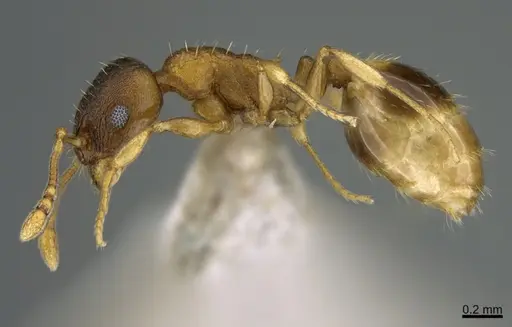
CASENT0906019
View on AntWeb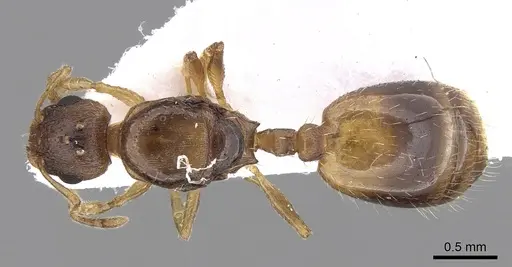
CASENT0906020
View on AntWeb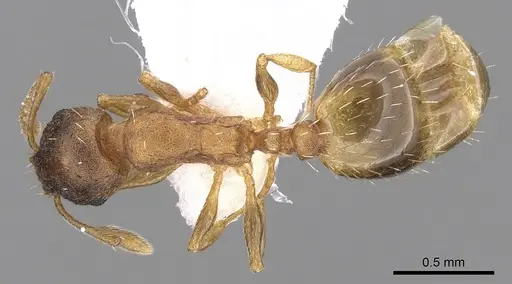
CASENT0906678
View on AntWeb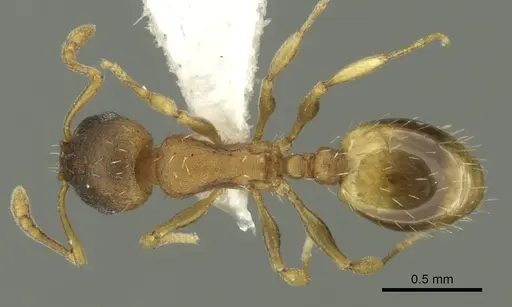
CASENT0914694
View on AntWeb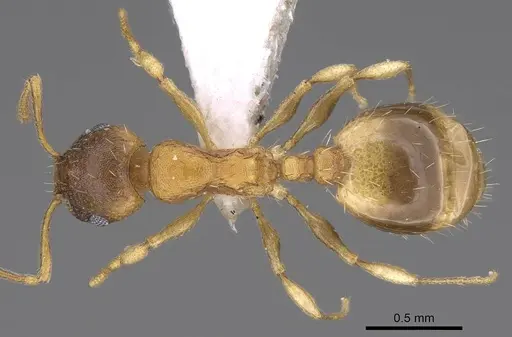
Literature
Loading...Loading products...