

Temnothorax andersoni
- Scientific Name
- Temnothorax andersoni
- Tribe
- Crematogastrini
- Subfamily
- Myrmicinae
- Author
- Mackay, 2000
- Distribution
- Found in 1 countries
Temnothorax andersoni Overview
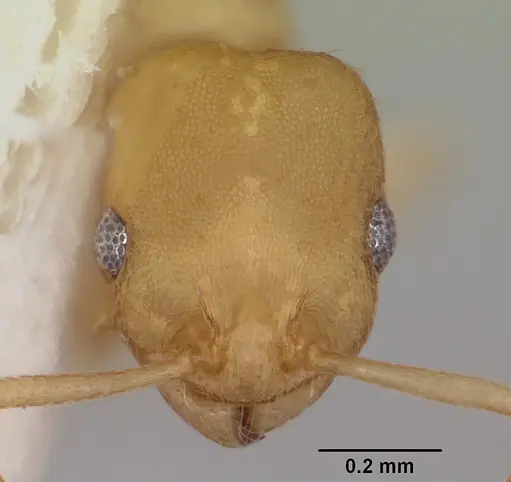
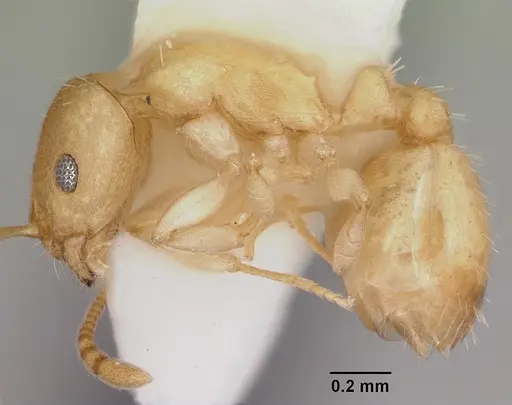
Temnothorax andersoni is an ant species of the genus Temnothorax. It is primarily documented in 1 countries , including United States of America. Detailed taxonomic data and occurrence records can be further explored via authoritative databases such as AntWeb or the Global Biodiversity Information Facility (GBIF).
Temnothorax andersoni
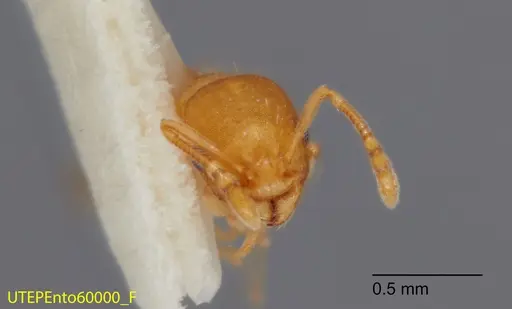
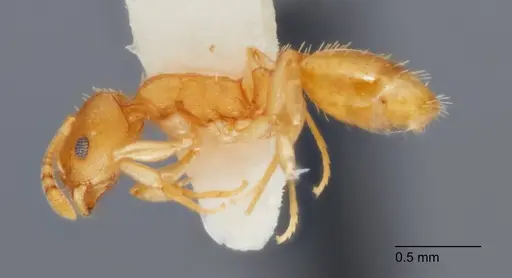
Temnothorax andersoni is a small ant species native to Mexico. Workers are tiny at just 2-4mm, with queens slightly larger at 4-5mm. These ants have the typical Temnothorax appearance: slender bodies with a distinct petiole (the narrow waist segment) and a smooth, glossy surface. They come in dark brown to black coloration. In the wild, they nest in small cavities under stones, in rotting wood, or in abandoned beetle burrows, anywhere with a protected microhabitat. This species is part of the Formicinae subfamily, meaning they defend themselves by spraying formic acid rather than stinging.
Quick Summary
- Difficulty: Medium
- Origin & Habitat: Mexico, specific locality unconfirmed [1]. Temnothorax species typically inhabit forest edges, meadows, and rocky areas where they can find small nesting cavities.
- Colony Type: Likely monogyne (single queen) based on typical genus patterns. Ergatoid (wingless) replacement queens may be present for colony continuity.
- Colony: Monogyne
- Founding: Claustral
- Size & Growth:
- Queen: Estimated 4-5mm based on genus Temnothorax morphology
- Worker: Estimated 2-4mm based on genus patterns
- Colony: Likely reaches several hundred workers, typical for the genus
- Growth: Moderate, related Temnothorax species take 6-10 weeks from egg to first worker
- Development: Estimated 6-10 weeks at optimal temperature based on genus-level data (Temperature dependent, warmer conditions within safe range speeds development, cooler slows it)
- Antkeeping:
- Temperature: Keep around 20-24°C. They tolerate a range but prefer moderate, stable temperatures. A gentle gradient allows workers to choose their preferred zone.
- Humidity: Moderate humidity around 50-70%. They prefer slightly damp nest substrate but not waterlogged conditions. Provide a water tube for drinking.
- Diapause: Yes, Temnothorax species require a winter rest period. Reduce temperature to 10-15°C for 2-3 months during winter.
- Nesting: Y-tong (AAC) nests work well due to their small size. They also accept test tube setups and naturalistic setups with small cavities. They prefer narrow chambers scaled to their tiny size.
- Behavior: Generally peaceful and non-aggressive. They are active foragers but due to their small size, they pose minimal escape risk compared to larger ants. Workers are quick-moving and will explore their outworld for food. They accept sugar water, honey, and small protein sources like fruit flies or springtails.
- Common Issues: colonies can fail if humidity is too high or too low, aim for consistently damp substrate, not wet, winter diapause is essential, skipping hibernation weakens colonies over time, tiny workers can escape through standard mesh, use fine mesh barriers or fluon, slow initial growth causes keepers to overfeed, resist the urge, excess food molds and kills colonies, wild-caught colonies may carry parasites, quarantine and observe before introducing to established colonies
Housing and Nest Setup
Temnothorax andersoni does well in small nests scaled to their tiny size. A Y-tong (AAC) formicarium with narrow chambers works excellently, these ants prefer tight spaces that make them feel secure. Test tube setups are also suitable, especially for founding colonies. The nest material should hold moisture well but not become waterlogged. A small water tube attached to the nest provides drinking water. For the outworld, a simple plastic container works fine, these ants don't need much space. Escape prevention is important: use fine mesh or fluon on edges since workers can slip through gaps that seem too small for them.
Feeding and Diet
Like most Temnothorax species, T. andersoni accepts a varied diet. Offer sugar water or diluted honey as a constant energy source, they'll readily take it. For protein, small live prey works best: fruit flies, pinhead crickets, or springtails are all appropriate. You can also offer small pieces of insects like mealworms. Feed protein 2-3 times per week, and keep sugar water available at all times. Remove any uneaten prey after 24 hours to prevent mold. These tiny ants don't need much food, a few drops of sugar water and one small prey item every few days is plenty for a growing colony.
Temperature and Seasonal Care
Keep your colony at room temperature, ideally 20-24°C. They can tolerate brief temperature fluctuations, but stable conditions promote healthy brood development. During summer, room temperature is usually sufficient. In winter, Temnothorax requires a diapause (hibernation) period. Reduce temperatures to 10-15°C for 2-3 months, typically from late autumn through winter. You can accomplish this by moving the colony to a cool basement, garage, or refrigerator (not freezer). Reduce feeding during this time but keep water available. Skipping hibernation weakens colonies and shortens queen lifespan.
Colony Development and Growth
Temnothorax andersoni starts slowly like most ants. A newly mated queen will seal herself in a small chamber and lay eggs after 1-2 weeks. She tends the eggs herself, and the first workers (nanitics) emerge 6-10 weeks later, depending on temperature. These first workers are smaller than normal workers but immediately begin foraging to support the colony. Growth is moderate, expect the colony to reach 20-30 workers by the end of the first year. Once established, colonies grow steadily and can eventually reach several hundred workers. Patience is key with this species, they won't explode in numbers like some faster-growing ants.
Behavior and Temperament
These ants are peaceful and won't bother you during maintenance. They are active foragers but not aggressive toward the keeper. As Formicinae ants, they defend by spraying formic acid, this can irritate sensitive skin but isn't dangerous. Workers are quick and curious, exploring their outworld regularly. They don't have a powerful sting, so they're safe to handle gently. Their small size means they're not destructive and won't damage enclosures. They communicate through chemical trails and will quickly discover food sources in their outworld.
Frequently Asked Questions
How long does it take for Temnothorax andersoni to get their first workers?
Expect 6-10 weeks from egg to first worker at optimal temperature (around 22°C). This depends on how warm you keep the colony, warmer within safe range speeds development, cooler slows it down.
Do Temnothorax andersoni ants sting?
No, they're in the Formicinae subfamily, so they spray formic acid for defense instead of stinging. The spray can irritate sensitive skin but isn't dangerous.
Can I keep multiple queens together?
Not recommended for this species. While some Temnothorax can found colonies together temporarily, combining unrelated queens typically results in fighting. Start with one queen per colony.
What do Temnothorax andersoni eat?
They accept sugar water or honey for energy, and small live prey like fruit flies, springtails, or tiny crickets for protein. Offer protein 2-3 times weekly and keep sugar water available constantly.
Do they need hibernation?
Yes, Temnothorax species require a winter diapause. Reduce temperature to 10-15°C for 2-3 months during winter. This is essential for colony health and queen longevity.
Are Temnothorax andersoni good for beginners?
They're moderate difficulty, smaller than many beginner species and require attention to humidity and escape prevention, but their peaceful nature makes them manageable. They're not the easiest choice but not overly demanding.
How big do Temnothorax andersoni colonies get?
Based on typical genus size, they likely reach several hundred workers. Growth is moderate, expect a few dozen workers in the first year and gradual growth afterward.
What temperature do they need?
Keep them at 20-24°C. Room temperature is usually fine. They prefer stable conditions rather than major temperature swings.
Why are my ants escaping?
Their small size means they can slip through tiny gaps. Use fine mesh on any ventilation, apply fluon to container edges, and ensure lids fit tightly. Even gaps that seem too small for escape aren't foolproof.
When should I move them to a formicarium?
You can keep them in a test tube for the first year or two. Move to a formicarium when the colony reaches 30-50 workers and the test tube becomes crowded. Y-tong nests work well for this species.
My colony stopped growing - what's wrong?
Check temperature (should be 20-24°C), humidity (damp but not wet), and food quality. Also ensure they're getting enough protein. If they're healthy otherwise, slow growth may just be normal for this species, they grow moderately, not quickly.
References

This caresheet is licensed under CC BY-SA 4.0 .
CASENT0103161
View on AntWeb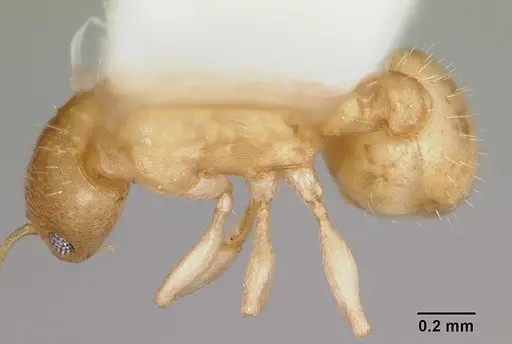
UTEPENTO60000
View on AntWeb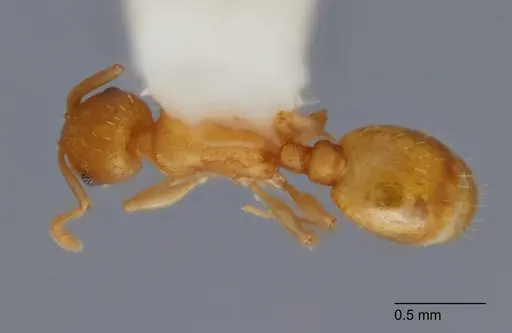
Literature
Loading...Loading products...