

Temnothorax allardycei
- Scientific Name
- Temnothorax allardycei
- Tribe
- Crematogastrini
- Subfamily
- Myrmicinae
- Author
- Mann, 1920
- Distribution
- Found in 2 countries
Temnothorax allardycei Overview
Temnothorax allardycei is an ant species of the genus Temnothorax. It is primarily documented in 2 countries , including Bahamas, United States of America. Detailed taxonomic data and occurrence records can be further explored via authoritative databases such as AntWeb or the Global Biodiversity Information Facility (GBIF).
Temnothorax allardycei
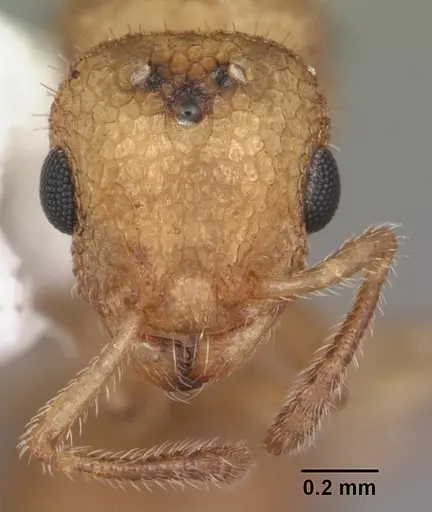
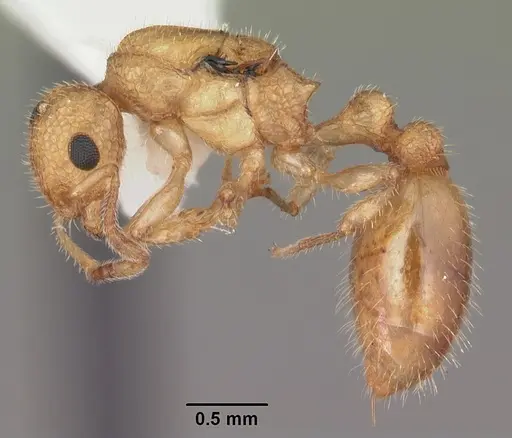
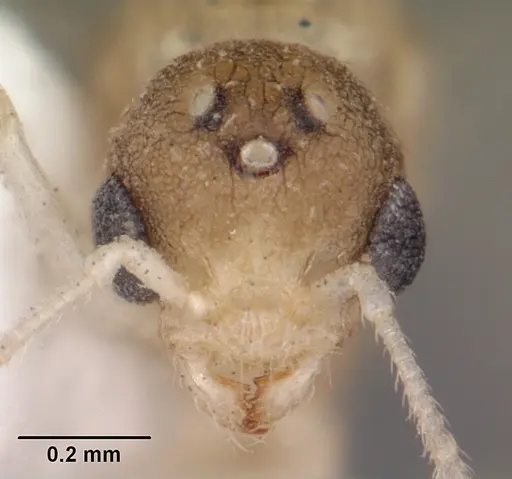
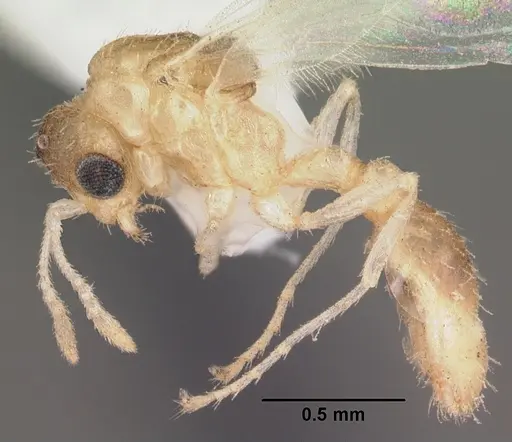
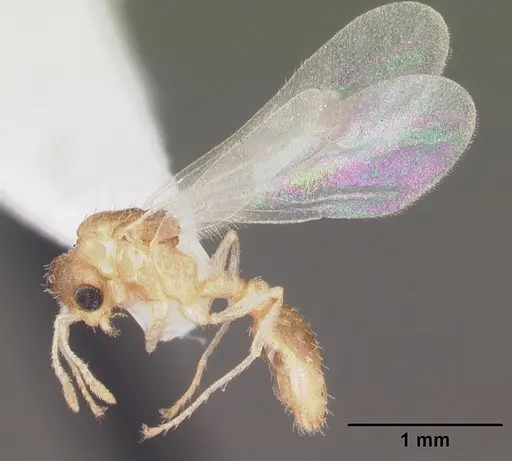
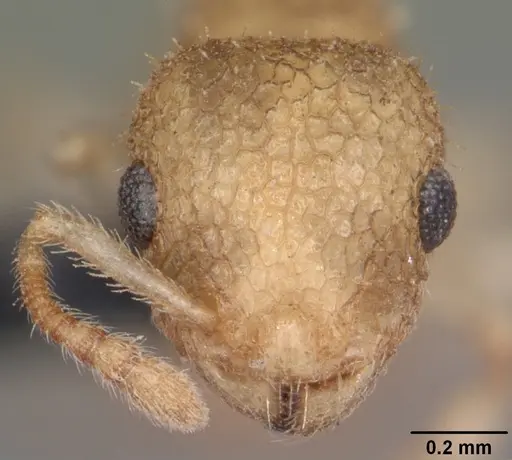
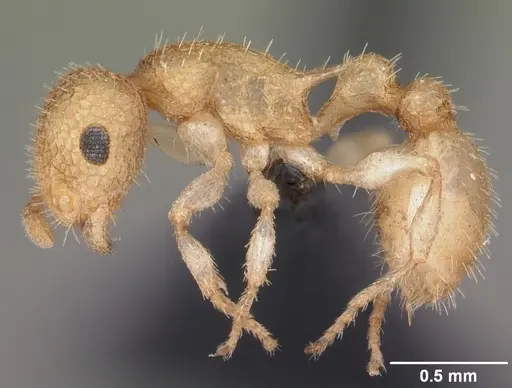
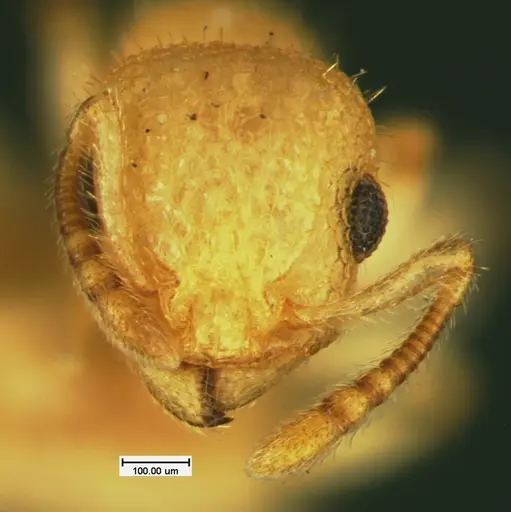
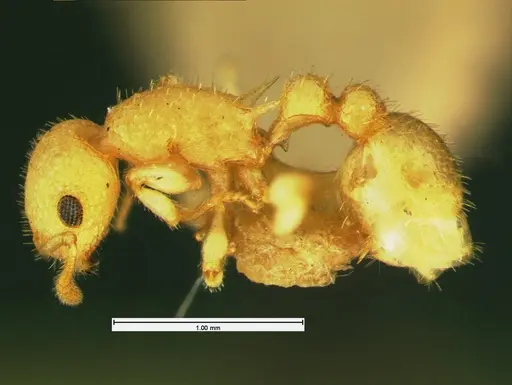
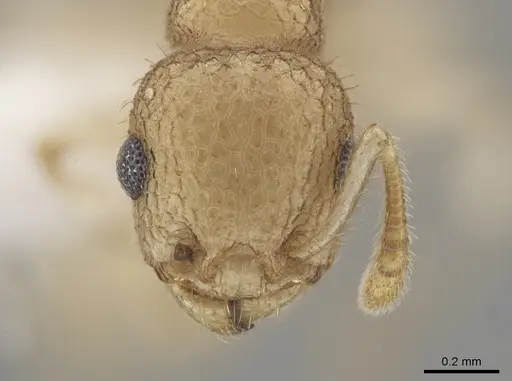
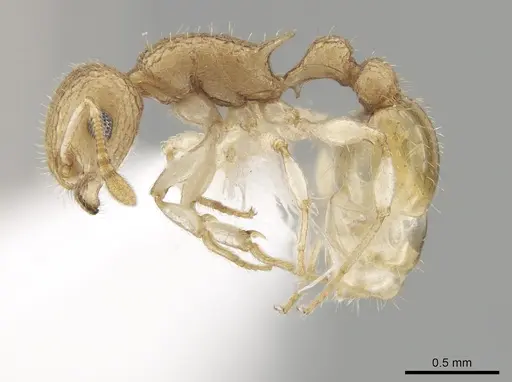
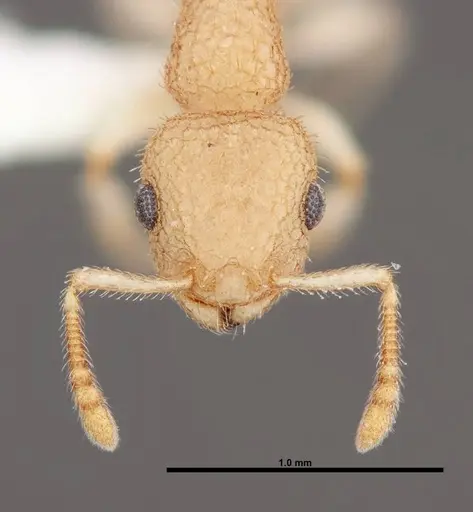
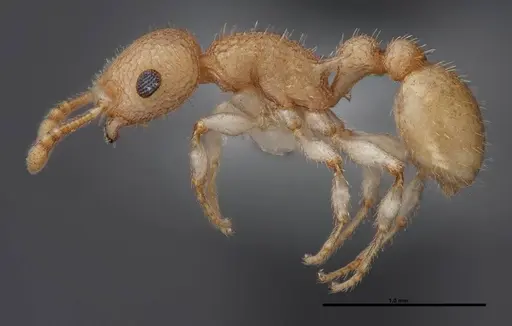
Temnothorax allardycei is a small, brightly colored ant native to the Bahamas, southern Florida, and possibly Cuba. Workers are typically pale yellow to brownish yellow with distinctive features including short robust antennae, large convex eyes, and sickle-shaped spines on the propodeum. This species belongs to the sallei-clade of Temnothorax and was once classified in the genus Macromischa. Colonies are relatively small, averaging around 50-60 workers, and show fascinating social behaviors including dominance hierarchies among workers where higher-ranking individuals receive more food and develop larger ovaries [1][2].
Quick Summary
- Difficulty: Medium
- Origin & Habitat: Southern Florida, Bahamas, and possibly Cuba. This species lives in swamps and areas that flood periodically, nesting in sawgrass culms, hollow twigs, and vines on living trees [3].
- Colony Type: Oligogyne, colonies can have multiple queens working together. About 20% of wild colonies contain no queen, while the remaining 80% have one or more reproductive queens [2].
- Colony: Optionally polygyne, Oligogyne
- Founding: Claustral
- Size & Growth:
- Queen: Estimated 4-5mm based on genus typical sizes
- Worker: Estimated 2-3mm based on genus typical sizes
- Colony: Up to 60 workers in established colonies, with averages around 50-53 workers per colony [3].
- Growth: Moderate, typical for small tropical Temnothorax species
- Development: Estimated 6-10 weeks at optimal temperature based on related species (Development time is estimated from genus-level data since species-specific timing has not been documented)
- Antkeeping:
- Temperature: Keep at 24-28°C, these are tropical ants from southern Florida and the Caribbean that prefer warm conditions [1].
- Humidity: High humidity required, they naturally live in swamp habitats. Keep the nest substrate consistently moist but not waterlogged, with some drier areas available.
- Diapause: No, as a tropical species from Florida and the Caribbean, they do not require hibernation. Maintain warm temperatures year-round.
- Nesting: Twig-nesting species. In captivity, they do well in small acrylic nests, Y-tong nests, or test tube setups with narrow chambers. Provide small twigs or hollow stems in naturalistic setups if possible.
- Behavior: These ants are relatively docile but can deliver a surprisingly powerful sting for their small size [1]. They are active and show fascinating social organization with dominance hierarchies, workers compete for status, with dominant individuals receiving more food and developing larger ovaries. Colonies exhibit synchronized activity cycles with oscillations of 15-30 minutes. They are small but not particularly prone to escaping if given proper containment.
- Common Issues: small size means escapes are likely without fine mesh barriers, tropical species cannot tolerate cold temperatures, keep warm year-round, colonies are small and grow slowly, which can frustrate beginners, high humidity requirements can lead to mold if ventilation is poor, 20% of wild colonies are queenless, ensure you have a functional queen when acquiring
Housing and Nest Setup
Temnothorax allardycei is a twig-nesting species, so they do well in setups that mimic their natural hollow stem habitat. Small acrylic nests, Y-tong nests, or test tube setups all work well. The key is providing appropriately scaled chambers, these are tiny ants, so narrow passages and small rooms work better than large open spaces. If you want to get creative, you can add small hollow twigs or bamboo sections to naturalistic setups. Because they come from humid swamp habitats, your setup should retain moisture well while still allowing some airflow to prevent mold. A thin layer of substrate at the bottom of the outworld helps maintain humidity. Escape prevention is important, use fine mesh on any openings since these small ants can squeeze through surprisingly small gaps [3].
Feeding and Diet
Like most Temnothorax species, these ants are omnivorous and will accept a variety of foods. Offer sugar water or honey regularly as an energy source. For protein, provide small insects like fruit flies, pinhead crickets, or other tiny arthropods. They likely also eat honeydew from aphids if kept in a naturalistic setup. Feed them small prey items a few times per week, adjusting based on how quickly the colony consumes them. Remove any uneaten prey after 24-48 hours to prevent mold. Since colonies are small, be careful not to overfeed, a few small insects per week is usually sufficient for a colony of 20-40 workers. [3]
Temperature and Seasonal Care
As a tropical species from southern Florida and the Caribbean, Temnothorax allardycei needs warm temperatures year-round. Keep the nest area at 24-28°C (75-82°F). They do not require any hibernation or cooling period, in fact, cold temperatures can slow their metabolism and stunt colony growth. You can use a heating cable on one side of the nest to create a gentle temperature gradient if your room temperature falls below their preferred range. Just be careful not to overheat, direct heat on the nest can dry it out too quickly. Since they naturally live in humid swamp environments, they appreciate a moisture gradient in their nest so they can move between damper and drier areas as needed [1].
Social Behavior and Colony Dynamics
This species has been extensively studied by researcher Blaine Cole, revealing fascinating social dynamics. Unlike most ant species where all workers are essentially equal, T. allardycei colonies exhibit clear dominance hierarchies. Higher-ranking workers (called alpha, beta, gamma) get more food from their nestmates, have larger ovaries, and even produce some of the colony's eggs, researchers found dominant workers produce about 22% of male eggs. Interestingly, the amount of time workers spend on dominance behaviors is negatively correlated with time spent caring for brood. This means dominant workers do less brood care, they busily assert their status while subordinates handle the nursery duties. In queenless colonies, these hierarchies become even more pronounced. This is one of the few ant species where such complex worker hierarchies have been documented [2].
Frequently Asked Questions
How long does it take for Temnothorax allardycei to raise their first workers?
Based on related Temnothorax species, expect roughly 6-10 weeks from egg to first worker at optimal temperature (around 24-28°C). The exact timing for this specific species hasn't been documented, so this is an estimate from genus-level data.
Can I keep multiple queens together in one colony?
Yes, this species is oligogyne, colonies naturally can have multiple queens working together. However, if you're combining unrelated foundresses, introduce them carefully and monitor for aggression. About 80% of wild colonies have queens, so a single-queen setup is also perfectly natural.
Do Temnothorax allardycei ants sting?
Yes, despite their small size, they are capable of delivering a surprisingly powerful sting. The sting is functional, though the pain level is mild compared to larger stinging ants. Handle with care, especially if you're sensitive to ant stings.
How big do Temnothorax allardycei colonies get?
Colonies are relatively small compared to many common ant species. Wild colonies average 50-60 workers, with documented colonies ranging from under 20 to around 60 workers. They are not a large colony species, don't expect thousands of workers.
Are Temnothorax allardycei good for beginners?
They are moderate in difficulty. The main challenges are maintaining proper humidity and temperature (they need it warm and humid year-round), and their small colony sizes grow slowly which can be less satisfying for keepers wanting rapid growth. Their interesting social behavior makes up for the slower pace.
What temperature do Temnothorax allardycei need?
Keep them warm at 24-28°C (75-82°F). As tropical ants from Florida and the Caribbean, they do not tolerate cold well. Room temperature in most homes is acceptable if kept in the warmer end of that range.
Do they need hibernation or diapause?
No, they do not require hibernation. As a tropical species, they need warm temperatures year-round. Cooling them down significantly can stress them or slow their colony development.
Why are my ants dying outside the nest?
This can indicate stress from improper conditions, check temperature (too cold?), humidity (too dry?), or overcrowding. Some worker death is normal, but mass die-offs usually mean something is wrong with the environment. Also ensure they have adequate food, starvation can cause workers to wander erratically.
What do Temnothorax allardycei eat?
They are omnivorous. Offer sugar water or honey as an energy source, and small protein sources like fruit flies, tiny crickets, or other small insects. Feed protein 2-3 times per week and keep sugar water available.
When should I move them to a formicarium?
You can keep them in a test tube setup indefinitely since colonies stay small. If you want to move them, wait until the colony has at least 20-30 workers. They do well in small acrylic nests or Y-tong setups scaled to their tiny size.
References

This caresheet is licensed under CC BY-SA 4.0 .
CASENT0104005
View on AntWeb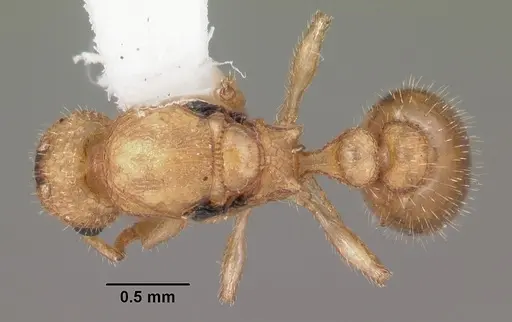
CASENT0104008
View on AntWeb
CASENT0104009
View on AntWeb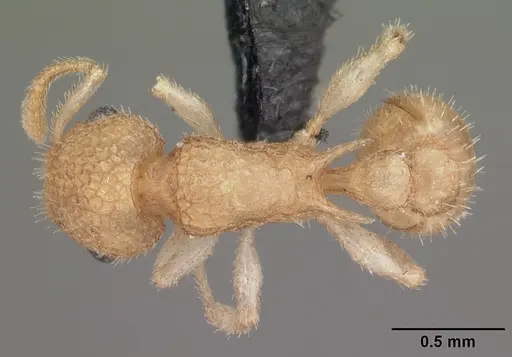
CASENT0105614
View on AntWeb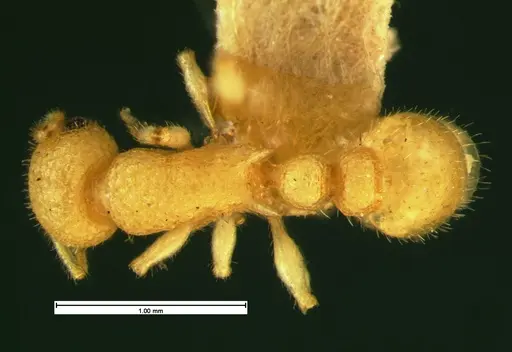
CASENT0651968
View on AntWeb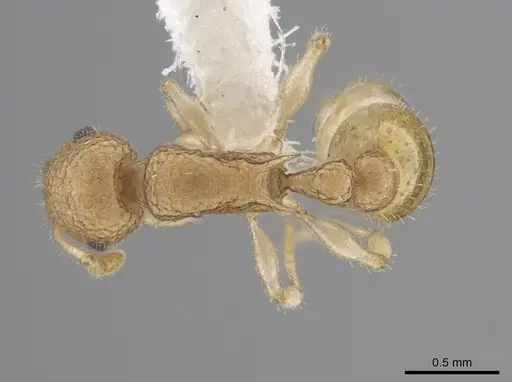
FMNHINS0000088652
View on AntWeb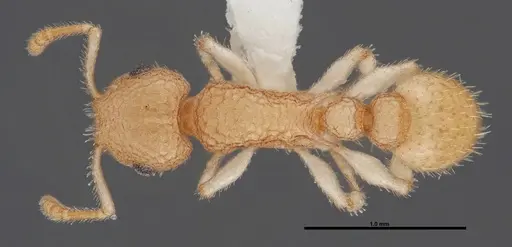
Literature
Loading...Loading products...