

Temnothorax alienus
- Scientific Name
- Temnothorax alienus
- Tribe
- Crematogastrini
- Subfamily
- Myrmicinae
- Author
- Schulz <i>et al.</i>, 2007
- Distribution
- Found in 1 countries
Temnothorax alienus Overview
Temnothorax alienus is an ant species of the genus Temnothorax. It is primarily documented in 1 countries , including Italy. Detailed taxonomic data and occurrence records can be further explored via authoritative databases such as AntWeb or the Global Biodiversity Information Facility (GBIF).
Temnothorax alienus
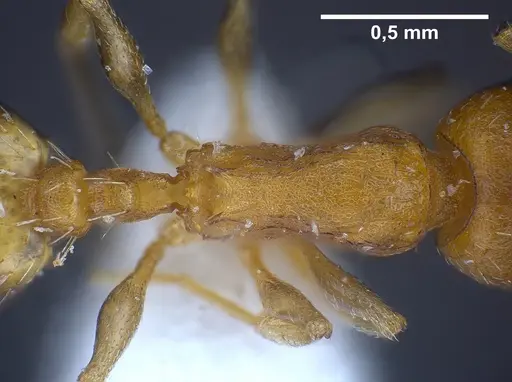
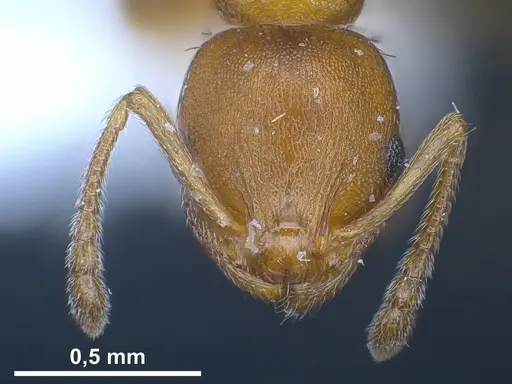
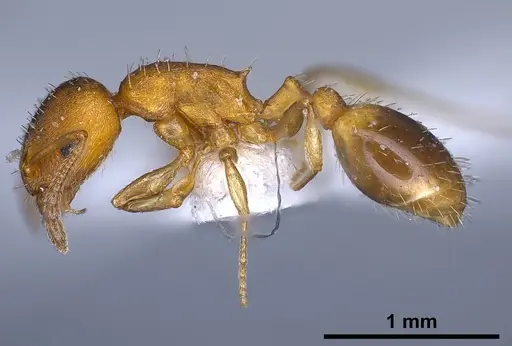
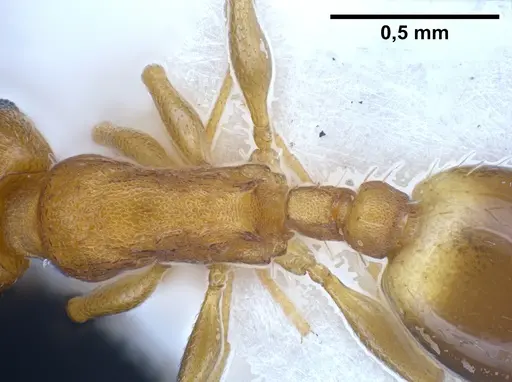
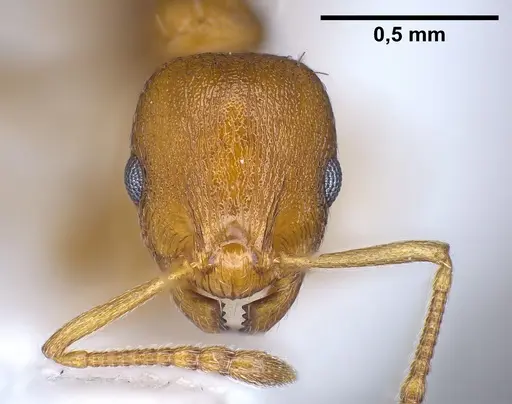
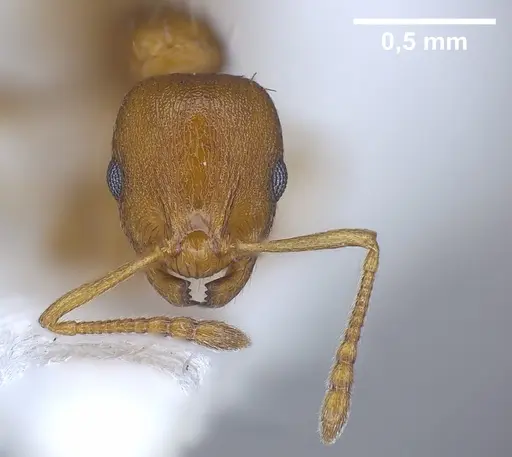
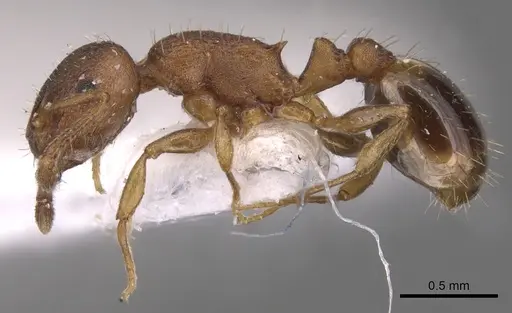
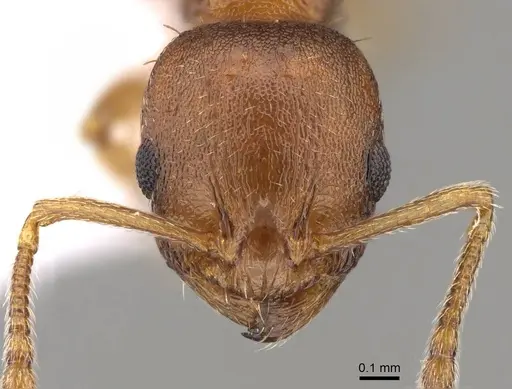
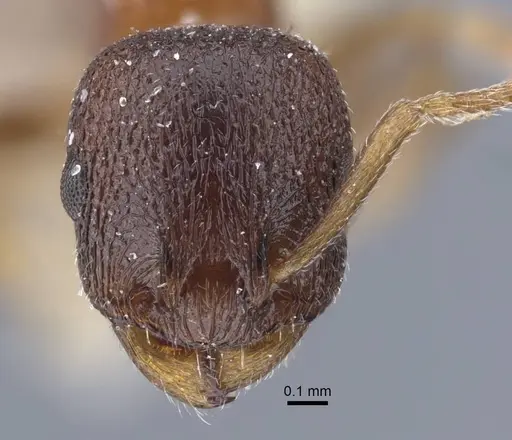
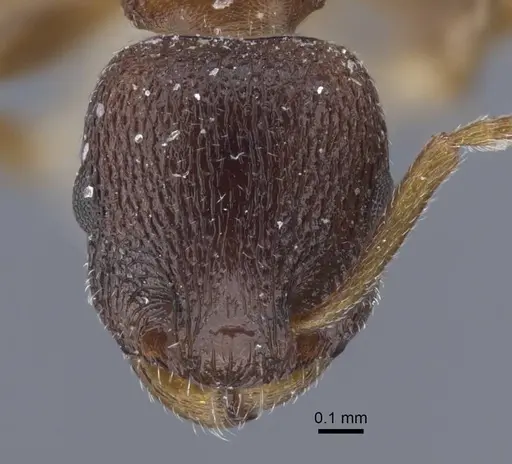
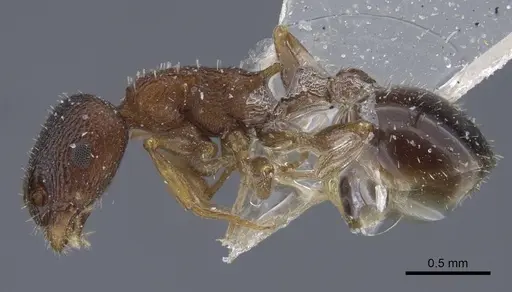
Temnothorax alienus is a tiny yellow-orange ant endemic to southern and central Italy. Workers measure just 2-3mm in total length, making them one of the smaller ant species you'll encounter in the hobby [1]. Queens are slightly larger at around 4-5mm and share the same yellowish-orange coloration, with a subtle darker band on the rear portion of the abdomen [1]. This species was only described scientifically in 2007,making it a relatively new discovery in the antkeeping world [1]. The workers have a distinctive appearance: uniformly light yellow-orange without the darker antennal clubs seen in many other Temnothorax species, and they lack the metanotal groove (a small groove on the back) that helps distinguish them from similar species like T. nylanderi [1][2]. In the wild, these ants nest in dead sticks and twigs lying on the ground in forested areas with oak and laurel trees [1][3].
Quick Summary
- Difficulty: Medium
- Origin & Habitat: This species is endemic to middle and southern Italy, specifically found in the Campania region including the Parco Nazionale del Cilento area [1][2]. Nests have been collected in forests with Quercus (oak) and Laurus (laurel) trees at the base of hills, where the ground is covered with rocks and ivy [1]. A second collection site had sparse vegetation with scattered chestnut and hazel trees [1]. The elevation ranges from about 630-730 meters above sea level [1].
- Colony Type: Single-queen colonies (monogyne). The colony structure of this specific species has not been extensively studied, but based on related Temnothorax species, they likely form small colonies with one founding queen that establishes a nest alone [1].
- Colony: Monogyne
- Founding: Claustral
- Size & Growth:
- Queen: Queens measure approximately 4-5mm total length, with head measurements of HL 0.74±0.03mm [1]. This is estimated from the measured morphological data.
- Worker: Workers are very small at approximately 2-3mm total length, with head measurements of HL 0.67±0.03mm and HW 0.58±0.03mm [1][3].
- Colony: Based on related Temnothorax species, colonies likely reach 100-500 workers at maturity. This is an estimate as specific colony size data is not available for this species.
- Growth: Moderate, based on typical Temnothorax development patterns.
- Development: 6-10 weeks at optimal temperature, based on genus-level data for related species. This is an estimate as specific development timing has not been documented for T. alienus. (Development time is inferred from typical Temnothorax patterns. Small colony size suggests moderate growth rates.)
- Antkeeping:
- Temperature: Keep nest areas at 20-24°C. This range is based on typical Mediterranean forest ant requirements and related Temnothorax species preferences. Avoid temperatures above 28°C or below 16°C. Room temperature within this range is acceptable.
- Humidity: Moderate humidity around 50-60%. These ants nest in dead wood on the forest floor, so they prefer slightly damp nest materials but not saturated conditions. Allow the nest substrate to dry partially between water additions.
- Diapause: Yes, as a temperate species from central-southern Italy, they likely require a winter rest period of 2-3 months at 10-15°C. This is inferred from related Mediterranean Temnothorax species.
- Nesting: In captivity, they do well in small wooden nests, Y-tong (AAC) nests, or test tube setups. The key is providing small chambers scaled to their tiny size. They naturally nest in dead sticks, so wood-based or acrylic nests with narrow passages work well. Avoid large, open spaces.
- Behavior: These are peaceful, non-aggressive ants that are active foragers. Workers are small but not particularly prone to escaping, however, their tiny size means they can slip through standard barriers, so use fine mesh or fluon on any openings. They are not known to sting and pose no danger to keepers. Workers likely forage individually for small prey and honeydew. Based on related species, they probably show typical Temnothorax behaviors including tandem-running recruitment to food sources [1].
- Common Issues: tiny size means escapes are likely without fine mesh barriers, they can squeeze through gaps that larger ants cannot, slow founding phase, claustral queens seal themselves in and may not produce workers for several months, small colony size makes them vulnerable to stress, avoid disturbing founding queens, limited availability since this is a newly described species with restricted range, wild-caught colonies may have parasites or health issues from collection stress
Housing and Nest Setup
Temnothorax alienus is a tiny ant that needs appropriately scaled housing. A test tube setup works well for founding colonies, use a small test tube with a cotton ball separating the water reservoir from the ants. For established colonies, Y-tong (AAC) nests with narrow chambers or small wooden/formicarium nests are ideal [1]. The key is tight chambers and passages scaled to their 2-3mm worker size. They naturally nest in dead sticks on the ground, so wood-based nests mimic their natural environment well. Avoid large, open spaces in the formicarium as these can stress small colonies. A small outworld area for foraging is sufficient, they don't need extensive space.
Feeding and Diet
Like most Temnothorax species, T. alienus likely accepts a varied diet including small insects (fruit flies, pinhead crickets, small mealworms), honeydew or sugar water, and occasionally seeds or other plant matter. Feed small prey items appropriate to their tiny size, fruit flies and springtails are ideal. Offer a drop of sugar water or honey diluted with water regularly. Feed protein prey 2-3 times per week, removing any uneaten prey after 24 hours. Freshly killed insects are usually more readily accepted than live prey for these small ants.
Temperature and Seasonal Care
Maintain nest temperatures between 20-24°C. This Mediterranean species prefers warmth but not extreme heat. A heating cable on one side of the nest can create a gentle gradient if your room temperature runs cool. Avoid temperatures above 28°C as this can stress colonies. During winter, provide a diapause period of 2-3 months at 10-15°C, this mimics their natural seasonal cycle in central-southern Italy and helps promote healthy colony development. Reduce feeding during diapause and keep the nest slightly cooler but not cold. [1]
Colony Founding
Queens are claustral, meaning they seal themselves in a small chamber and raise their first workers without leaving to forage. The queen uses stored fat reserves to produce eggs and feed the developing larvae. Expect 6-10 weeks from founding to first workers (nanitics), though this timeline is based on related species rather than documented specifically for T. alienus. Founding colonies should be kept in a quiet, dark location with minimal disturbance. Do not check on the queen frequently as this can cause stress and abandonment. A small test tube with a dark cover works perfectly for founding. [1]
Behavior and Observation
These are peaceful, docile ants that are a pleasure to observe. Workers are small but active, foraging individually or in small groups. They are not aggressive and do not sting, making them safe for handling if needed. Their tiny size means they are best observed with good lighting and a magnifying glass or macro lens for photography. Watch for tandem-running behavior where one worker leads another to food sources, this is common in the genus. Colonies remain relatively small even at maturity, so you can observe interesting social behaviors without needing a massive setup. [1]
Escape Prevention
Despite their small size, these ants are capable of escaping through tiny gaps. Use excellent escape prevention: apply fluon (insect barrier) to all rim edges, use fine mesh (at least 0.5mm) on any ventilation holes, and ensure all connections between the nest and outworld are tight. Check seals regularly. Because they are so small, even seemingly sealed containers may have gaps invisible to the human eye. A thin layer of petroleum jelly or fluon around the rim of the outworld container provides an effective barrier.
Frequently Asked Questions
How long does it take for Temnothorax alienus to go from egg to first worker?
Based on related Temnothorax species, expect approximately 6-10 weeks from egg to first worker at optimal temperatures (around 22-24°C). This timeline is an estimate since specific development data for T. alienus has not been documented. The first workers (nanitics) will be smaller than mature workers and may take several weeks after eclosing to reach full size.
What do Temnothorax alienus ants eat?
They likely accept small insects like fruit flies, pinhead crickets, and small mealworms, plus sugar sources like honey water or sugar water. Feed small prey items appropriate to their tiny 2-3mm worker size. Remove uneaten prey after 24 hours to prevent mold. Offer sugar water continuously as a carbohydrate source.
Do Temnothorax alienus ants sting?
No, these ants do not sting. They are completely harmless to humans and pose no danger. Their small size and docile nature make them safe for antkeepers of all experience levels.
Are Temnothorax alienus good for beginners?
They are rated as medium difficulty. While small and peaceful, their tiny size requires attention to escape prevention, and their limited availability (endemic to Italy, described in 2007) makes them harder to acquire than common species. They are best suited for keepers who have some experience with small Myrmicinae ants and can provide appropriate housing.
What temperature do Temnothorax alienus need?
Keep nest areas at 20-24°C. They prefer warm conditions but not extreme heat. Room temperature within this range is acceptable. Avoid temperatures above 28°C or below 16°C. A gentle heat gradient using a heating cable on one side of the nest can help if your room runs cool.
Do Temnothorax alienus need hibernation?
Yes, as a temperate species from central-southern Italy, they require a winter rest period. Provide 2-3 months of diapause at 10-15°C during winter months. Reduce feeding during this period and keep the nest slightly cooler. This mimics their natural seasonal cycle and helps promote healthy colony development.
How big do Temnothorax alienus colonies get?
Based on related species, colonies likely reach 100-500 workers at maturity. They remain relatively small compared to many ant species, which makes observation easier and housing requirements more modest. Specific colony size data for T. alienus has not been documented.
Can I keep multiple Temnothorax alienus queens together?
This species is likely monogyne (single-queen). Combining unrelated queens is not recommended as they would likely fight. In the wild, colonies are established by a single claustral queen that seals herself in to raise first workers alone. If you obtain multiple foundress queens, house them separately.
References

This caresheet is licensed under CC BY-SA 4.0 .
ANTWEB1041296
View on AntWeb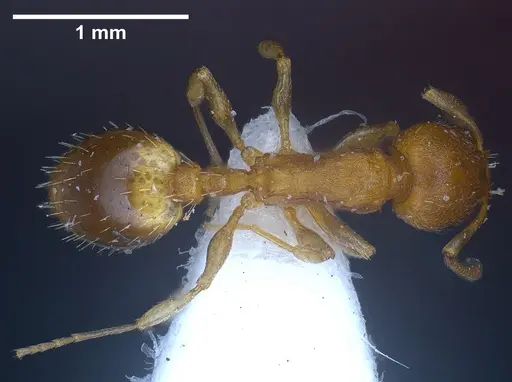
ANTWEB1041297
View on AntWeb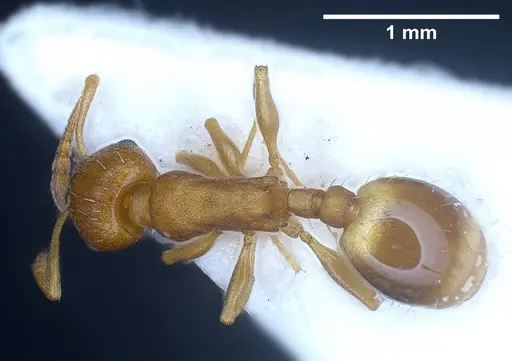
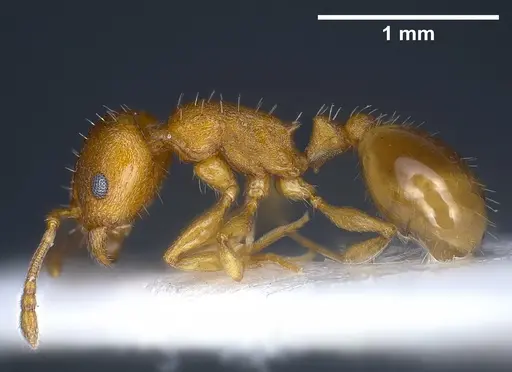
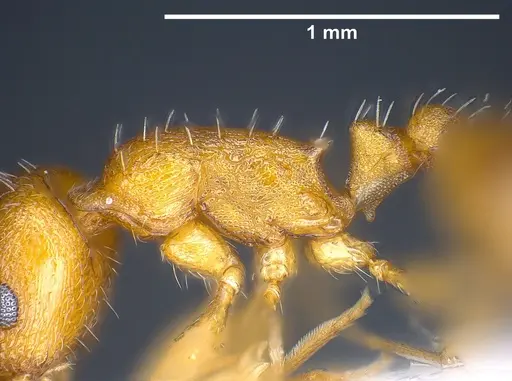
CASENT0904557
View on AntWeb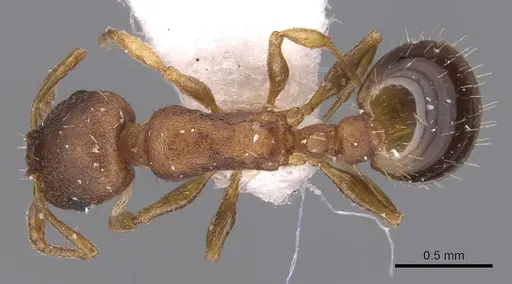
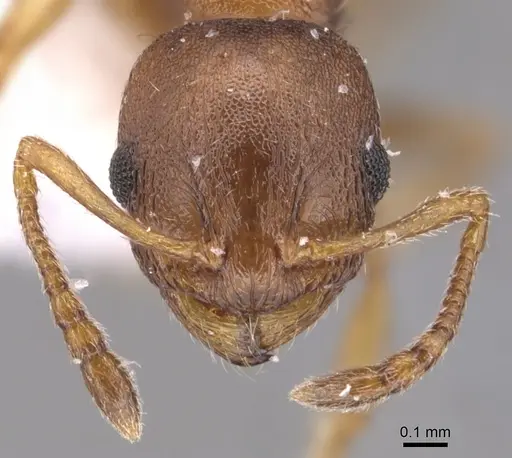
CASENT0914420
View on AntWeb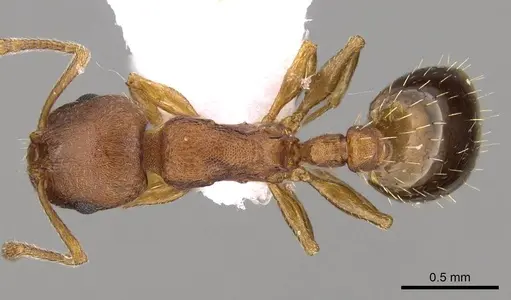
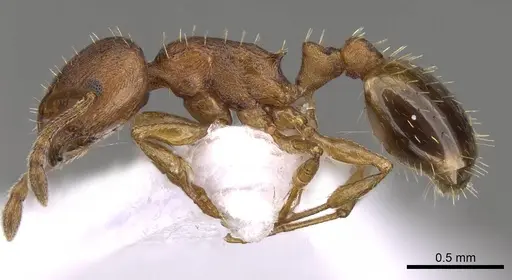
CASENT0917439
View on AntWeb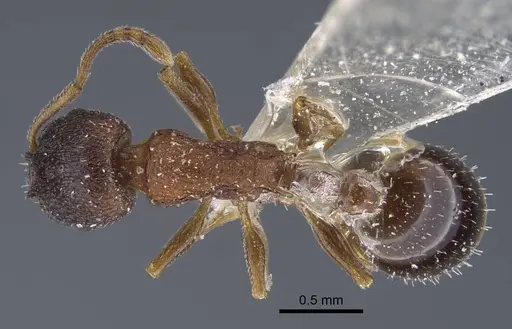
Literature
Loading...Loading products...