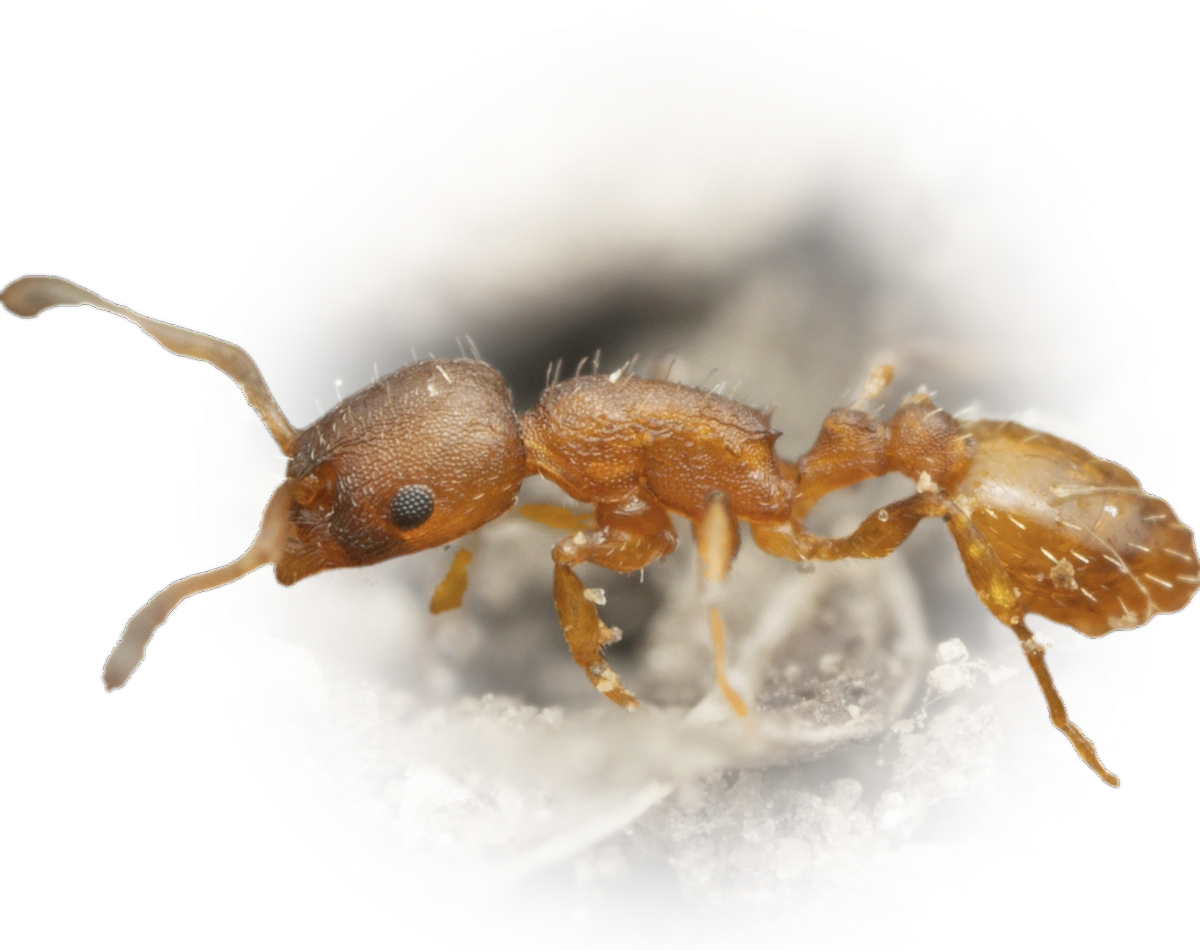

Temnothorax albipennis
- Scientific Name
- Temnothorax albipennis
- Tribe
- Crematogastrini
- Subfamily
- Myrmicinae
- Author
- Curtis, 1854
- Distribution
- Found in 10 countries
Temnothorax albipennis Overview
Temnothorax albipennis is an ant species of the genus Temnothorax. It is primarily documented in 10 countries , including Belgium, Switzerland, Spain. Detailed taxonomic data and occurrence records can be further explored via authoritative databases such as AntWeb or the Global Biodiversity Information Facility (GBIF).
Temnothorax albipennis - "Rock Ant"
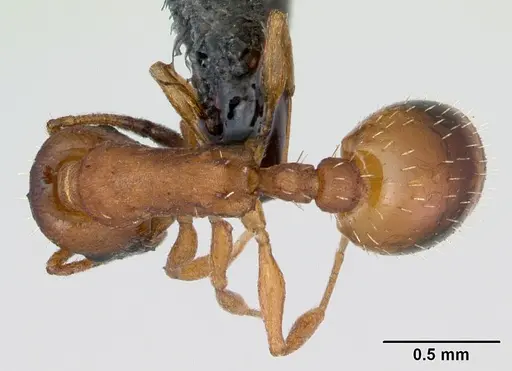
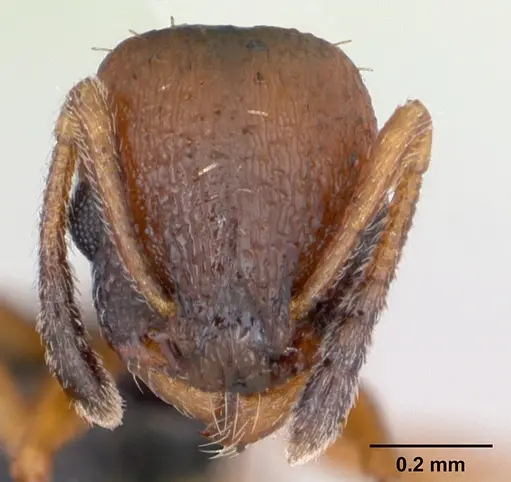
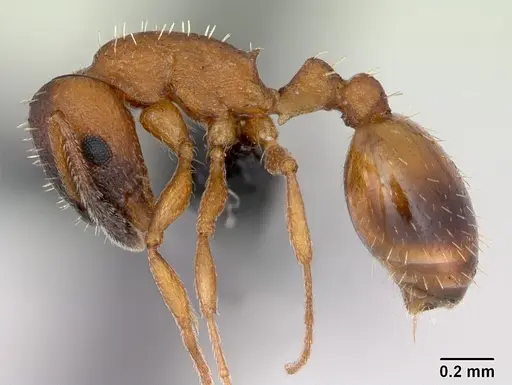
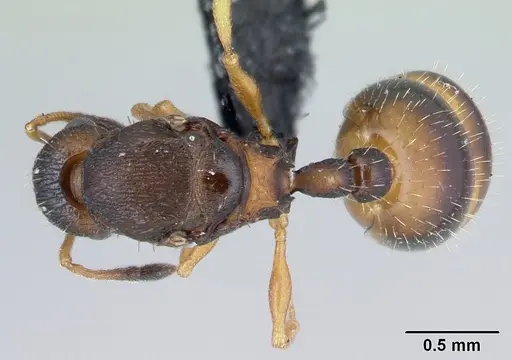
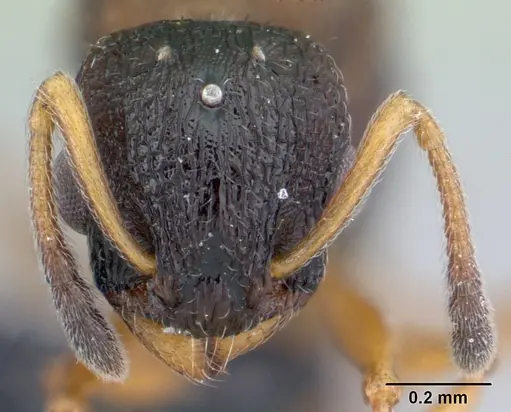
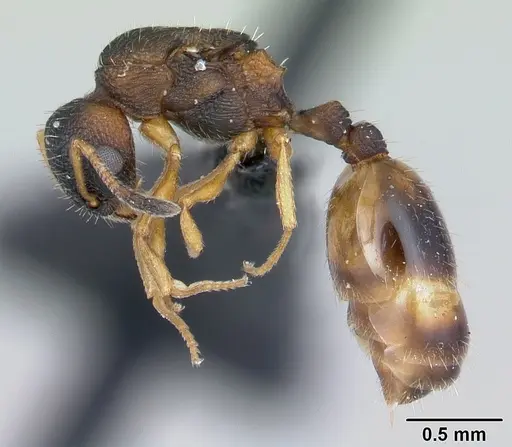
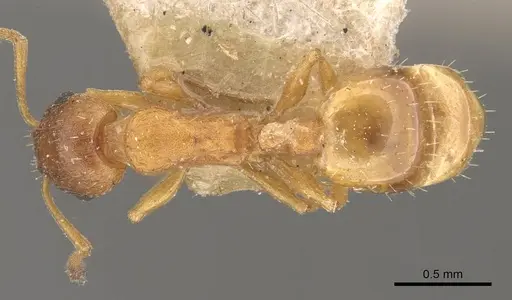
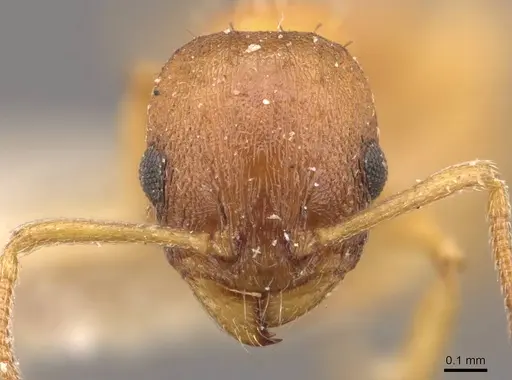
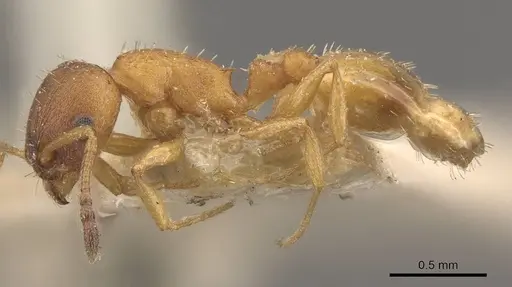
Temnothorax albipennis, often referred to as the Rock Ant, is a small, light brown ant species with a distinct body pattern of head, mesosoma, and metasoma, and a clear waist. They are known for building simple nests in rock crevices and rubble, or sometimes in tree stumps and dry fallen branches. These ants are particularly well-studied for their collective decision-making abilities, especially when finding new nest sites, and their unique 'tandem running' recruitment behavior. Workers are typically small, with individuals from the Temnothorax genus generally measuring less than four millimeters.
- Difficulty: Medium
- Origin & Habitat: Europe, particularly southern England, Wales, The Netherlands, southern France, northern Spain, south and central Germany, central Italy, Slovenia, Belgium, Hungary, Austria, Slovakia, and Ukraine. in Grasslands, light scrub, especially on lime subsoil, dunes, coastal cliffs, screes, undercliffs, slumped cliff slopes, and old quarries. They nest in rock crevices, rubble, tree stumps, dry fallen branches, under mat-forming plants, or under stones..
- Colony Type: Monogyne, claustral founding.
- Size & Growth:
- Queen: 3.5-4.5mm
- Worker: 2.5-3.5mm
- Colony: Small (hundreds). Slow growth.
- Antkeeping:
- Temperature: Room temperature, generally around 20-25°C is suitable. They are found in warm, south-facing rocky areas in their natural habitat..
- Humidity: Moderate humidity. While specific percentages are not widely documented for this species, general ant care suggests providing a gradient, with eggs typically requiring above 55% RH to hatch successfully, with highest survival between 90-95% RH..
- Diapause: Required. 5-5 months at 5-8°C.
- Nesting: Artificial nests mimicking rock crevices or small cavities are ideal. Test tubes, acrylic nests, or natural setups with small rocks, pebbles, or hollowed wood are good options..
- Behavior: Low (towards handler, food or other ants) aggressiveness.
- Common Issues: Colony stalling due to improper diapause, Overfeeding leading to waste and mold, Humidity fluctuations in small setups.
Temnothorax albipennis colonies are quite modest in size, typically housing up to 200 workers, though some sources mention up to 350. This makes them an excellent choice for antkeepers with limited space or those looking for a species that won't quickly outgrow its setup. It’s important to note that while they are monogynous (single queen), some studies suggest they can form temporary polydomous systems in the wild, meaning they might use multiple nest sites for different colony functions.
One of the most fascinating aspects of Temnothorax albipennis is their remarkable collective intelligence, particularly during nest emigration. They employ a unique behavior called 'tandem running,' where an experienced worker leads a nest-mate to a new resource, like a better nest site or food source. The leader only moves forward when the follower maintains contact, effectively teaching the route. This intricate form of communication is a joy to observe and highlights their complex social dynamics.
When setting up a nest for these tiny ants, consider their natural preference for small, enclosed spaces. They are known to nest in narrow rock crevices, small cavities, and even hollow nuts. Providing a formicarium with tight-fitting chambers, perhaps with a transparent roof for easy viewing, will make them feel secure and encourage natural behaviors. They also have a peculiar habit of using smaller sand grains for nest construction, even if larger ones would be more efficient, which is an interesting quirk to observe.
Their diet primarily consists of small arthropods and sugary solutions. In the wild, they've been observed on umbellifer flowers, suggesting they take nectar. In captivity, offering a varied diet of crushed insects like fruit flies or small roaches, along with honey or sugar water, should keep them well-nourished. Given their shy nature, it’s best to provide sterile, pre-killed insects to avoid stressing the colony.
Temnothorax albipennis is a hibernating species, requiring a diapause period from late October to late March at a cooler temperature of 5-8°C. This mimics their natural winter conditions and is crucial for the long-term health and success of the colony. During this period, keep them in a dark, undisturbed location. Proper hibernation ensures the queen can continue laying healthy brood in the following spring.
Frequently Asked Questions
What kind of formicarium is best for Temnothorax albipennis?
For Rock Ants, a nest that mimics their natural tight, rocky crevices is ideal. Think small acrylic nests with narrow chambers, or natural setups incorporating small stones, pebbles, or even hollowed-out nuts. They appreciate transparent covers so you can observe their fascinating activities without disturbing them.
How large do Temnothorax albipennis colonies get?
These colonies remain relatively small, typically maxing out at around 200 workers, though some can reach up to 350. This makes them a manageable species for beginners or those with limited space, as they won't overrun your setup too quickly.
Do Temnothorax albipennis sting?
No, Temnothorax albipennis do not possess a functional sting that would be a threat to humans. They are generally timid ants.
What do Rock Ants eat?
Rock Ants are omnivorous. In captivity, they thrive on a diet of small, crushed insects like fruit flies or small roaches for protein, and sugary solutions such as honey water or sugar water for carbohydrates. Always provide sterile food to keep your colony healthy.
Do Temnothorax albipennis need to hibernate?
Yes, Temnothorax albipennis are a hibernating species. It's crucial for their long-term health to provide a diapause period. This typically runs from late October to late March at temperatures between 5-8°C.
How do Temnothorax albipennis find new nests or food?
They use a unique and intriguing method called 'tandem running'. An experienced forager will lead a nest-mate to a newly discovered resource, maintaining physical contact. This allows the follower to learn the route directly, a true demonstration of ant communication!
Are Temnothorax albipennis aggressive?
These ants are considered to have low aggressiveness. They are quite shy and tend to retreat when faced with more aggressive species.
Can I keep multiple Temnothorax albipennis queens together?
Temnothorax albipennis colonies are typically monogynous, meaning they have a single queen. While some Temnothorax species show facultative polygyny, for T. albipennis, it's best to stick with one queen per colony for successful long-term keeping.
What are common issues when keeping Rock Ants?
Common challenges include ensuring proper humidity levels in smaller setups, preventing mold from overfeeding or excess moisture, and ensuring they get their essential diapause period. Colony stalling can occur if diapause is neglected.
What is the typical worker size for Temnothorax albipennis?
Workers are quite small, generally ranging from 2.5 to 3.5 millimeters. This diminutive size is characteristic of many Temnothorax species, allowing them to inhabit tiny crevices and pre-formed cavities.
What unique building habits do Temnothorax albipennis have?
They are known for building walls from small soil particles and rock fragments to enclose their nests in rock crevices. Interestingly, they often prefer smaller sand grains for construction, even when larger, more 'efficient' ones are available!

This caresheet is licensed under CC BY-SA 4.0 .
Literature
Loading...Loading products...