

Technomyrmex vitiensis
- Scientific Name
- Technomyrmex vitiensis
- Tribe
- Tapinomini
- Subfamily
- Dolichoderinae
- Author
- Mann, 1921
- Common Name
- Ant
- Distribution
- Found in 17 countries
Technomyrmex vitiensis Overview
Technomyrmex vitiensis (commonly known as the Ant) is an ant species of the genus Technomyrmex. It is primarily documented in 17 countries , including Belgium, Germany, Finland. Detailed taxonomic data and occurrence records can be further explored via authoritative databases such as AntWeb or the Global Biodiversity Information Facility (GBIF).
Technomyrmex vitiensis - "Ant"
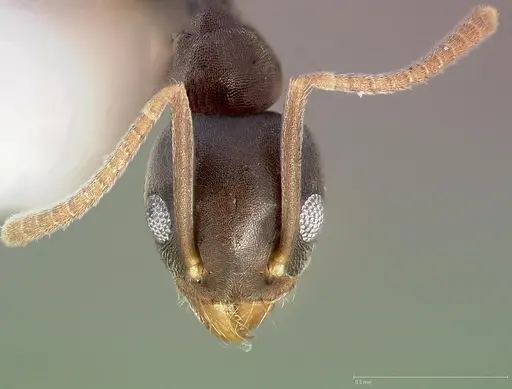
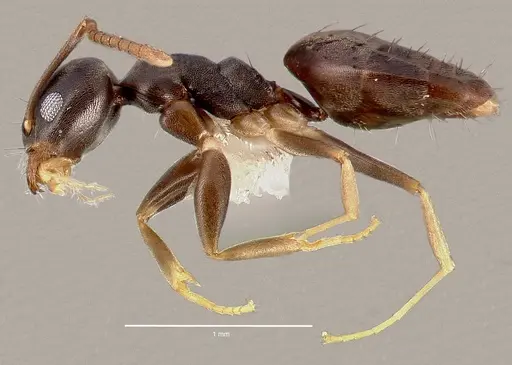
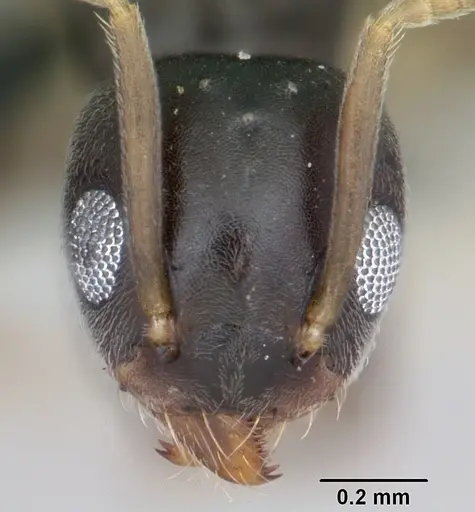
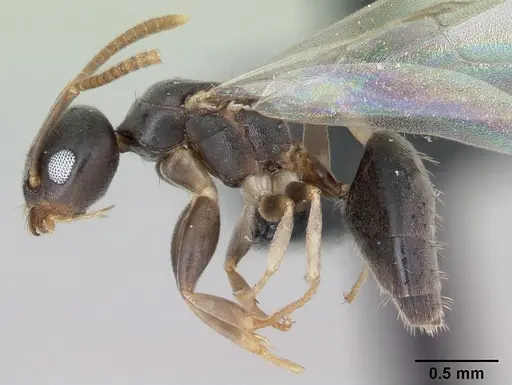
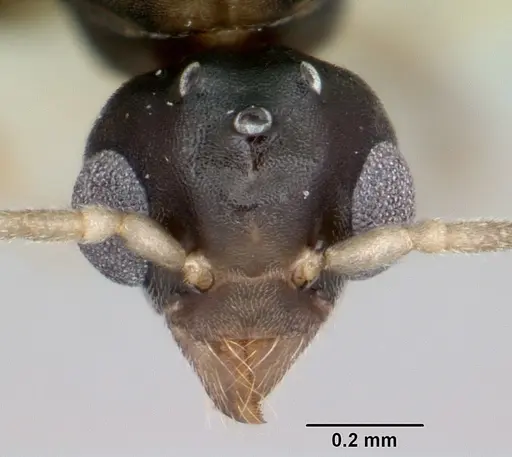
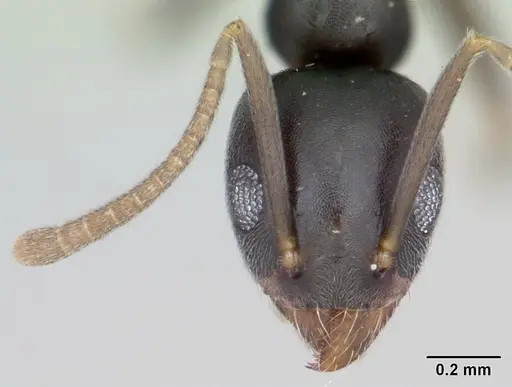
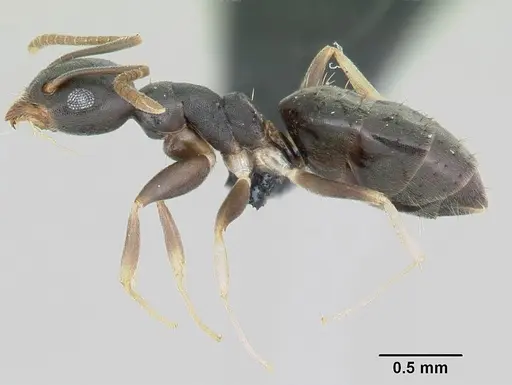
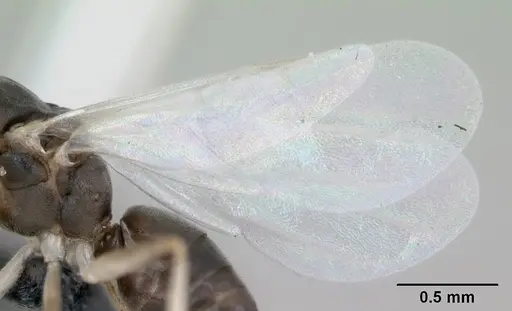
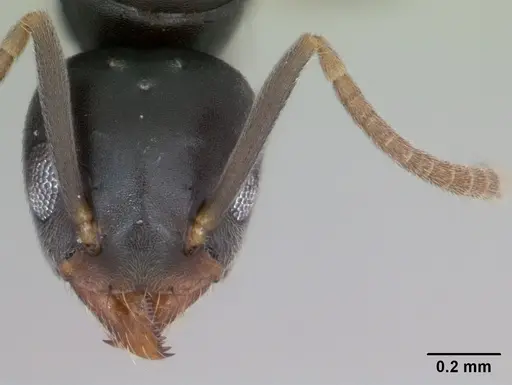
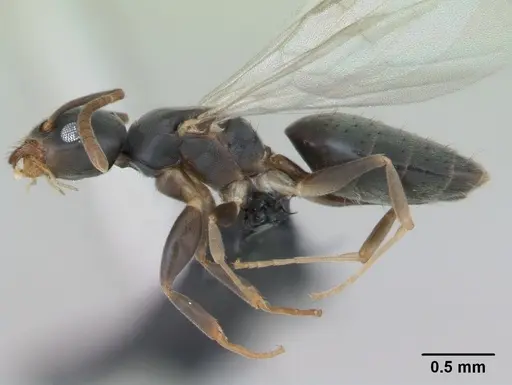
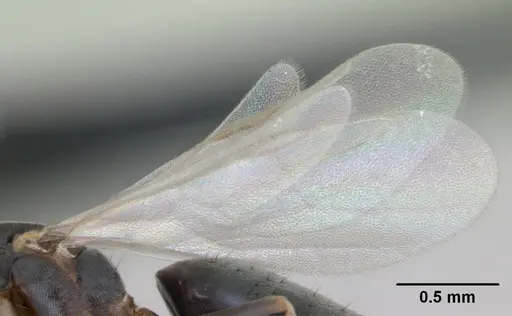
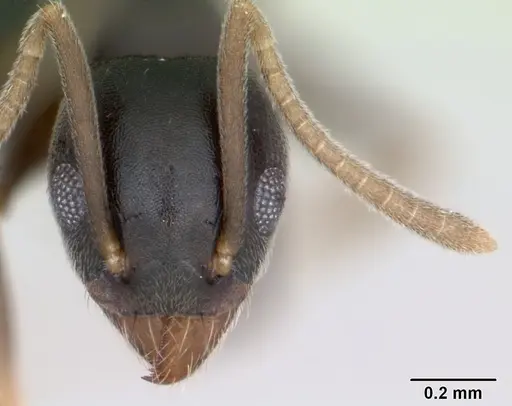
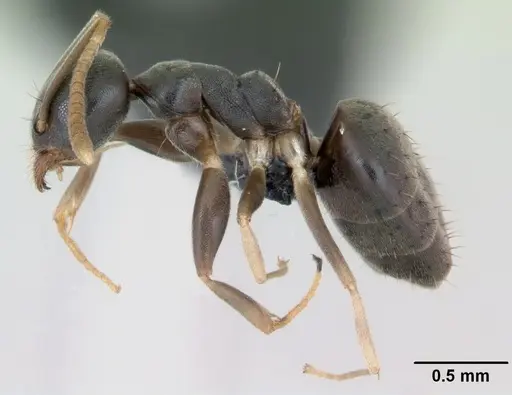
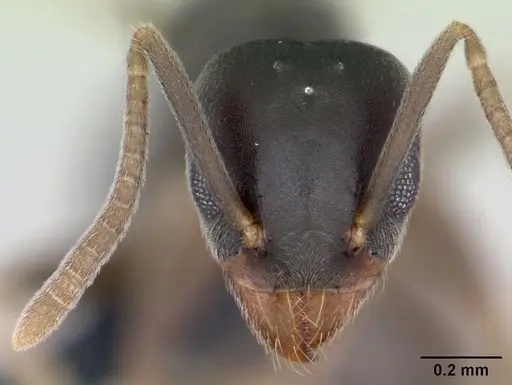
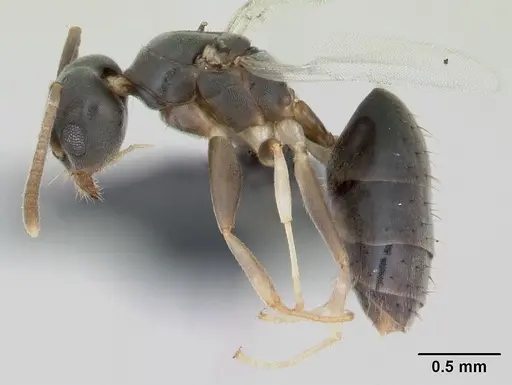
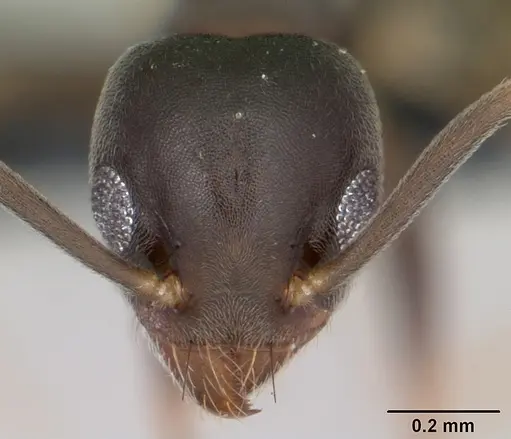
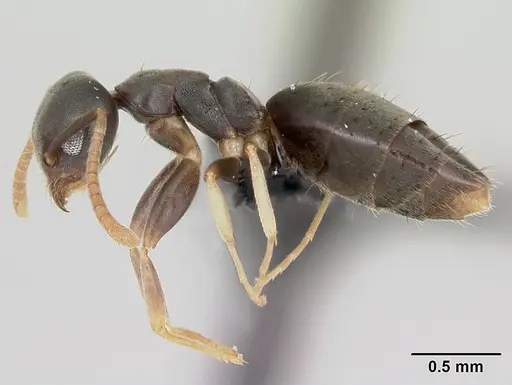
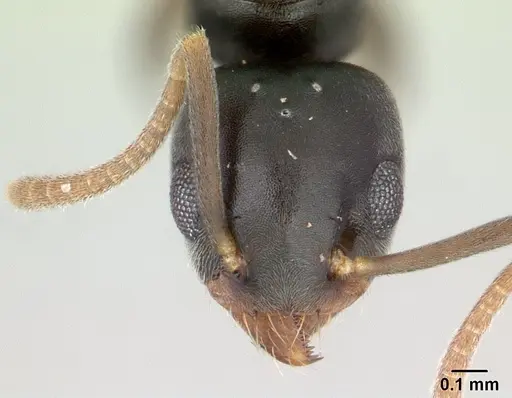
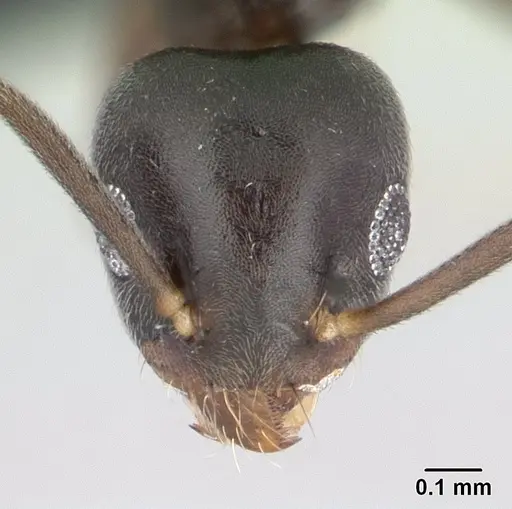
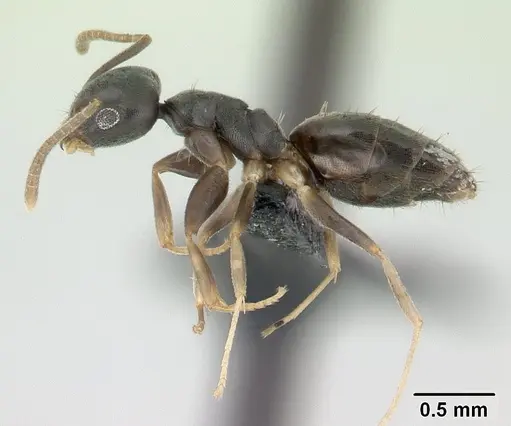
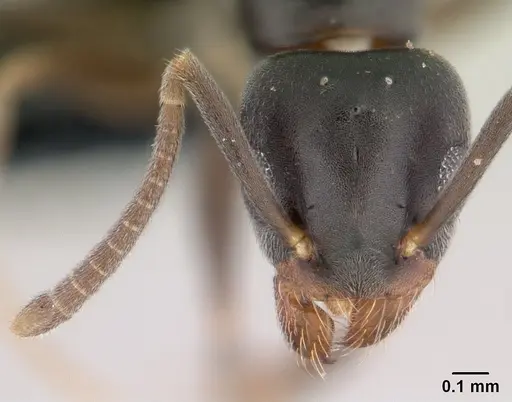
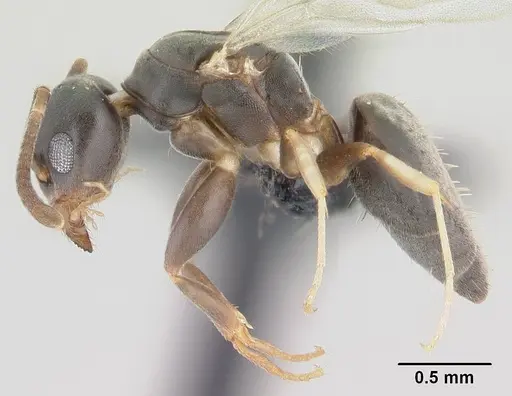
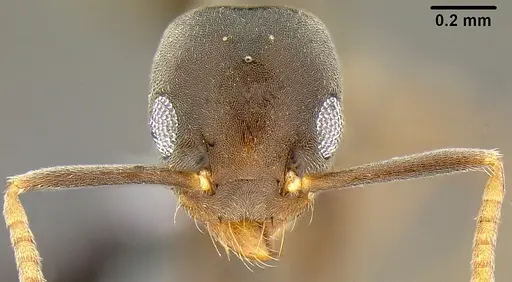
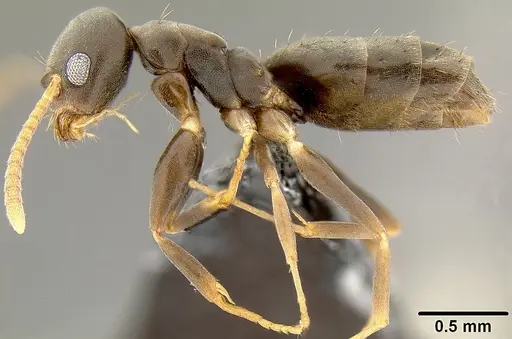
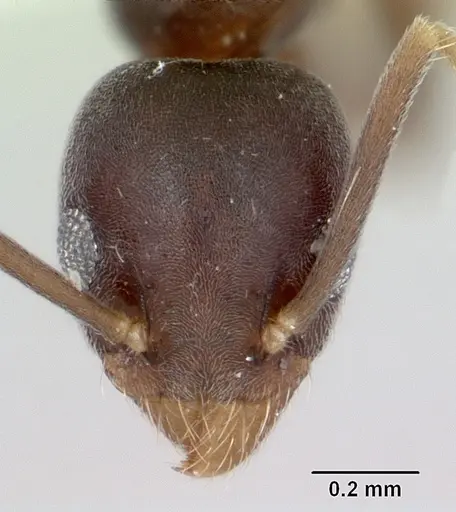
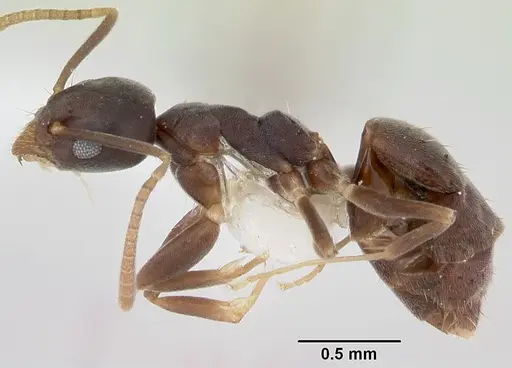
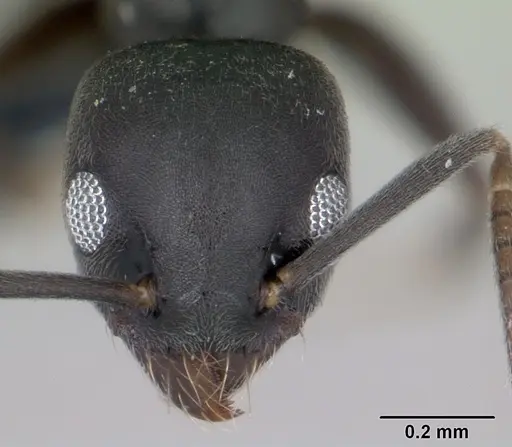
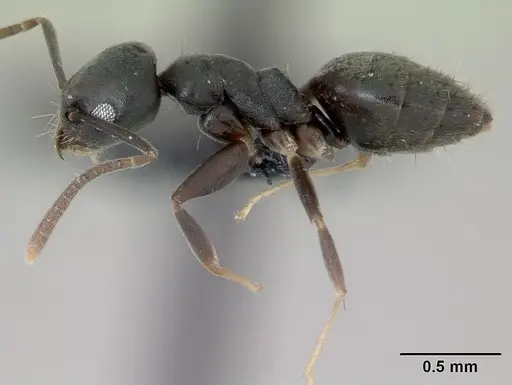
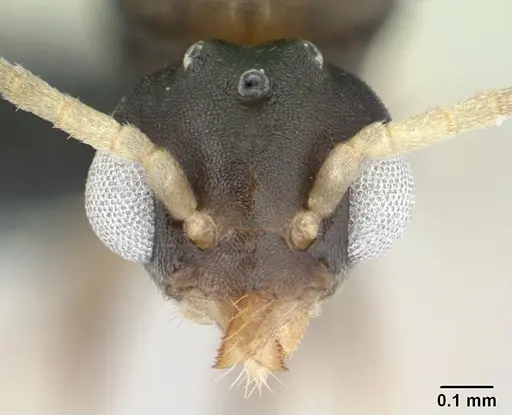
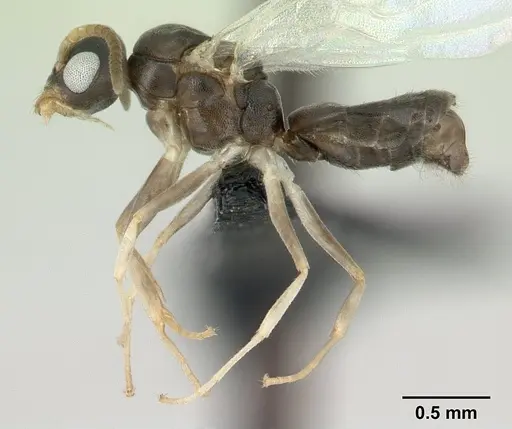
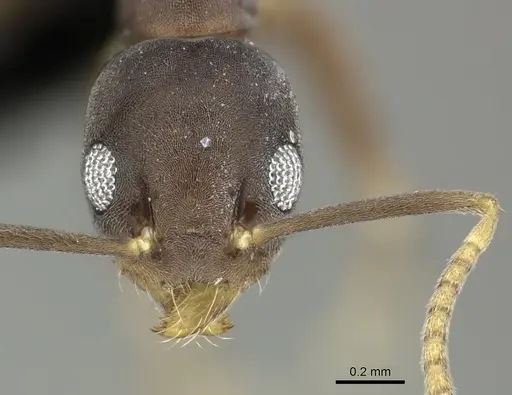
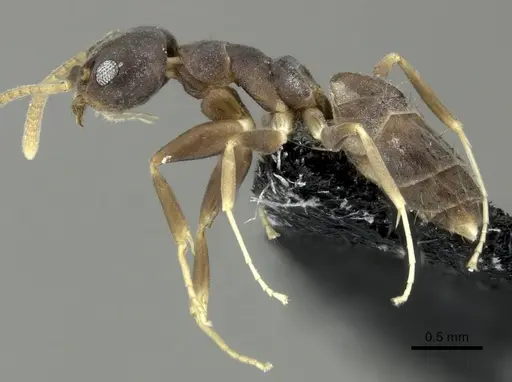
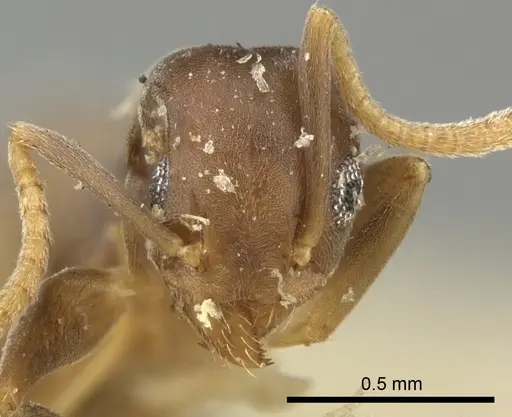
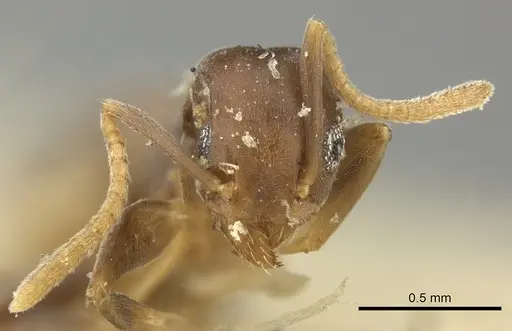
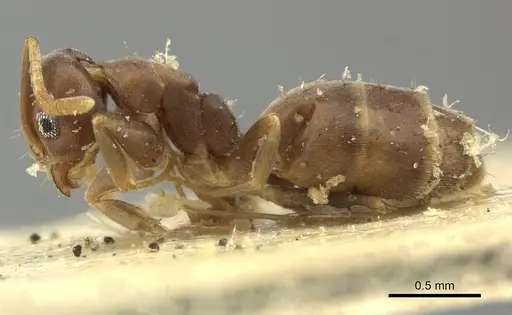
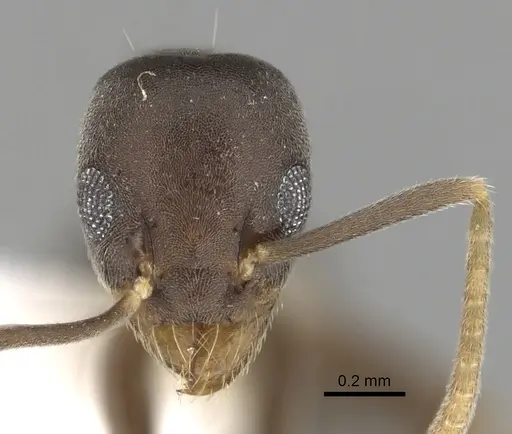
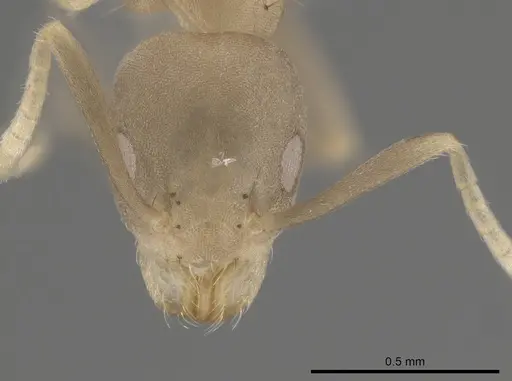
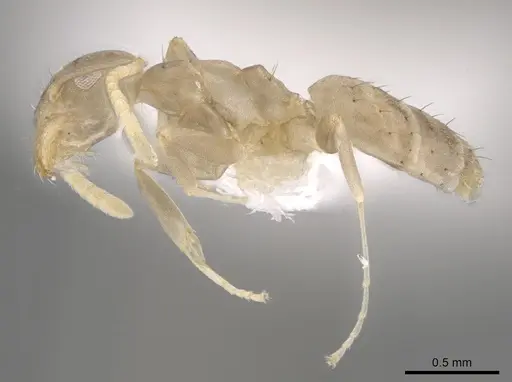
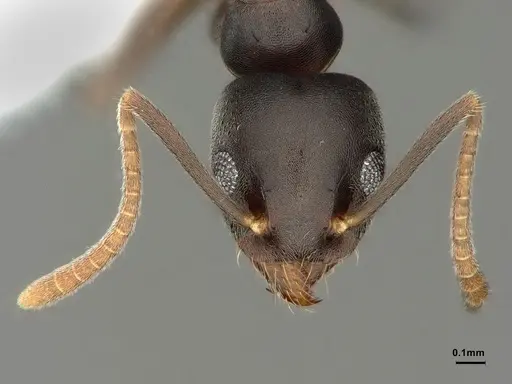
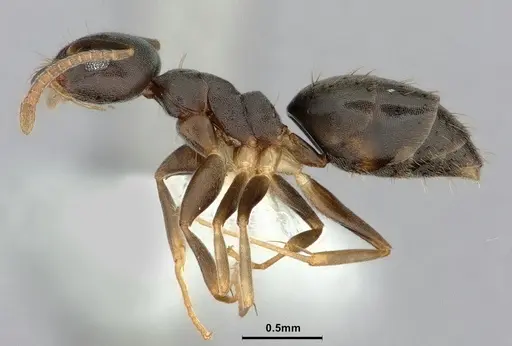
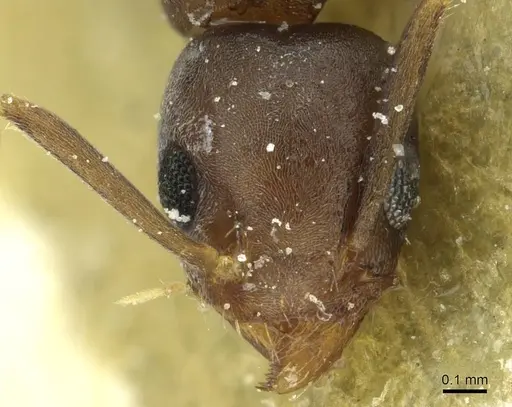
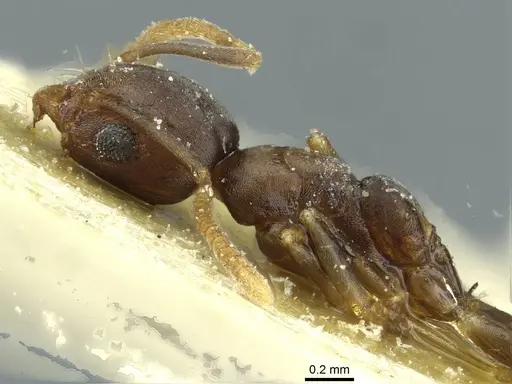
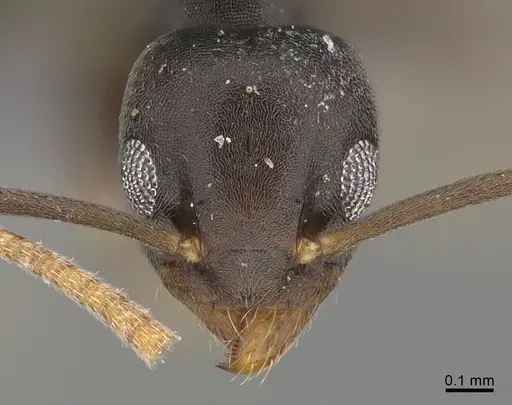
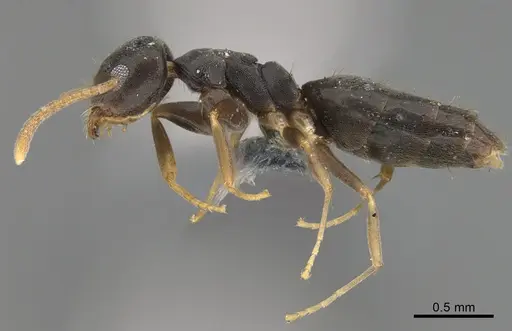
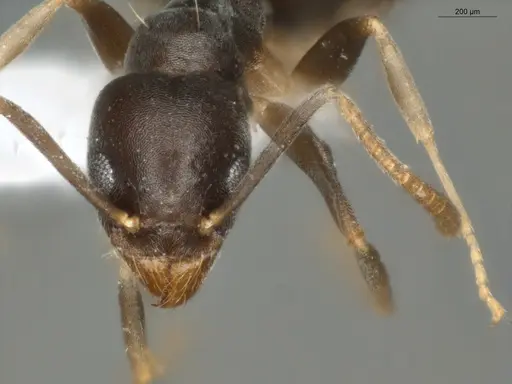
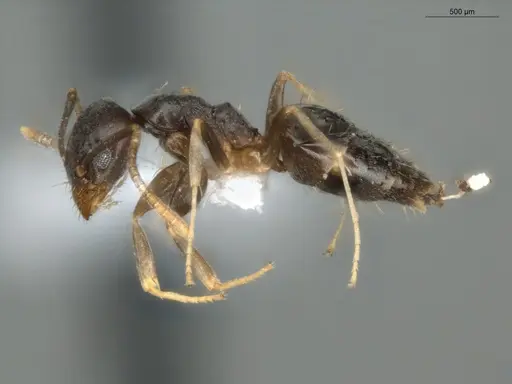
Technomyrmex vitiensis is a small dark ant measuring 2.4-3.1mm for workers, with a distinctive appearance featuring dark brown to black body coloration and strikingly pale, almost white tarsi (feet) that give it the common name 'white-footed ant' [1][2]. Originally described from Fiji, this species belongs to the Dolichoderinae subfamily, which means they lack a functional sting and instead use chemical defenses [3]. Workers have relatively large eyes and long antennal scapes compared to their close relative T. albipes, and carry numerous erect hairs on their gaster [2]. This tramp species has spread worldwide through the plant trade and is now established in tropical greenhouses across Europe, North America, and elsewhere [4][5].
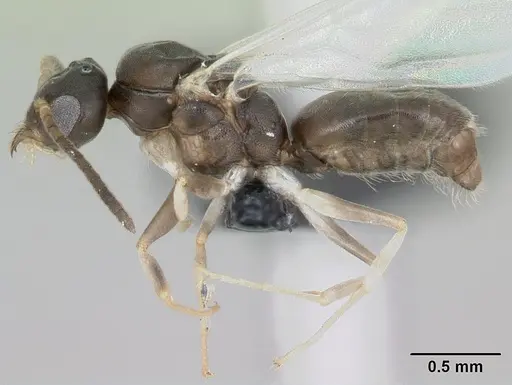
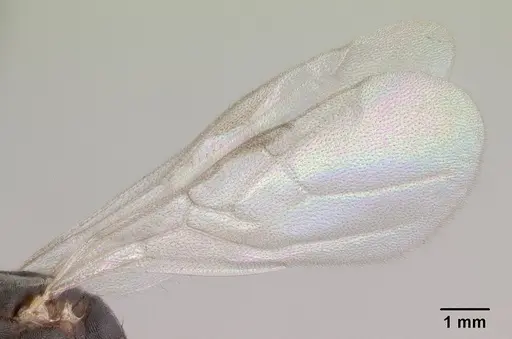
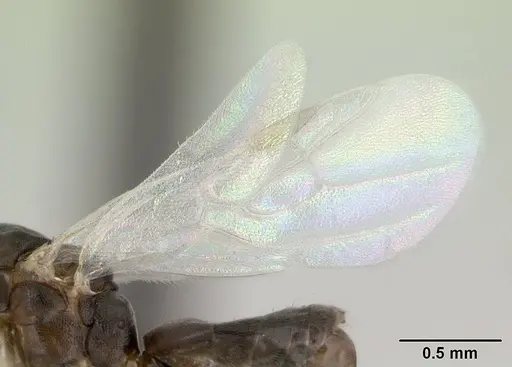
What makes T. vitiensis particularly fascinating is its complex social structure. Colonies contain not just queens and workers, but also 'intercastes', wingless females that possess functional reproductive organs (spermatheca) and can lay fertilized eggs [3][6]. This means colonies can reproduce through 'budding' where intercastes leave with workers to establish new nests, rather than relying solely on winged queens [3]. Additionally, this species produces wingless males, a rare trait among ants that appears in more than 10% of the adult population in some colonies [7].
Quick Summary
- Difficulty: Medium
- Origin & Habitat: Native to Fiji, South East Asia, and Polynesia. Found across Indomalaya region (India, Bangladesh, Myanmar, Thailand, Malaysia, Indonesia, Singapore, Philippines), Australasian region (New Caledonia, New Guinea), and Oceania (Fiji, Samoa, French Polynesia, Vanuatu) [2][8]. In temperate regions, only found in heated tropical greenhouses. Nests in leaf litter, under stones, in rotten wood, and in vegetation including twigs, rot holes, and tree cavities [1][2].
- Colony Type: Polydomous (multiple connected nests) colonies with complex social structure. Contains three female types: winged queens, intercastes (wingless reproductive females), and workers. Intercastes comprise 3.6-32% of colony population and can establish new colonies through budding [4][3]. Colonies can reach 8,000 to 3,000,000 workers [3].
- Colony: Optionally polygyne, Supercolonial
- Founding: Claustral
- Size & Growth:
- Queen: 3.63-3.70mm [2]
- Worker: 2.4-3.1mm [2][9]
- Colony: Up to 3,000,000 workers in established colonies [3]
- Growth: Fast
- Development: 6-8 weeks (estimated based on related tramp species and tropical ant development patterns) (Development is rapid in warm conditions. Intercastes develop from worker-like individuals with gradual appearance of queen-like features including ocelli and expanded mesosoma [6].)
- Antkeeping:
- Temperature: Keep at 24-28°C. This is a tropical species adapted to warm, humid conditions. In greenhouses, they thrive year-round in heated environments. Avoid temperatures below 20°C for extended periods [4][10].
- Humidity: High humidity preferred (60-80%). Native to tropical forests where humidity is consistently high. Keep substrate moderately moist but not waterlogged. Provide a water source [1][2].
- Diapause: No. This species does not hibernate. In heated greenhouses, they remain active year-round. Maintain consistent warm temperatures throughout the year [4].
- Nesting: Prefers nesting in pre-existing cavities. In captivity, they readily use test tubes, acrylic nests, or naturalistic setups with multiple chambers. They do not dig much and prefer to move into ready-made cavities [1]. Provide twigs or small hollow spaces as they would use in nature. Y-tong or plaster nests work well.
- Behavior: Generally non-aggressive toward humans, workers do not sting or bite [4]. They are highly active foragers that form dense trails when recruiting nestmates to food sources. They raise their abdomen while moving and lay trail pheromones to direct traffic [3]. Strongly attracted to sweet foods (honeydew, sugar water, honey) and will also scavenge on dead insects. They tend homopterous insects (aphids, mealybugs) for honeydew. Workers are small (under 4mm) so escape prevention should include fine mesh barriers. They are rapid runners and will quickly exploit any gaps [3].
- Common Issues: colonies can grow extremely large, a single colony may reach hundreds of thousands of workers, requiring significant space and resources, tending honeydew-producing insects can cause sooty mold in nests if not cleaned, polydomous nesting means they may establish secondary nests in multiple locations within your setup, rapid reproduction through intercastes means colonies can explode in size quickly once established, small size means escapes are likely without fine mesh barriers on all openings
Housing and Nest Setup
Technomyrmex vitiensis does not dig nests, they prefer to move into pre-existing cavities, making them ideal for Y-tong (AAC), acrylic, or plaster nests [1]. Provide chambers scaled to their small size (2-3mm workers). Because they are polydomous, they appreciate having multiple connected chambers or the ability to expand into additional spaces. A test tube setup works well for founding colonies, but established colonies do better in formicarium-style nests where they can create trailing networks. Ensure all connections between outworld and nest are secure, these ants are small and agile. Use fluon or petroleum jelly barriers on edges to prevent escapes. They do well in naturalistic setups with soil, leaf litter, and small twigs that mimic their natural nesting in vegetation cavities [1][8]. Keep nest humidity moderate, damp but not wet substrate.
Feeding and Diet
Like most tramp ants, T. vitiensis is highly opportunistic. They strongly prefer sweet foods: offer sugar water, honey, or diluted maple syrup constantly, they will readily consume these and form feeding trails [3]. They also need protein, offer small insects like fruit flies, pinhead crickets, or mealworms. In nature, they avidly tend homopterous insects (aphids, mealybugs, scales) for honeydew and will also kill and consume small arthropods [1][2]. They are scavengers and will accept most protein sources. Feed protein 2-3 times per week and keep sugar sources available at all times. Remove uneaten prey after 24-48 hours to prevent mold. Their attraction to sweets means they can become pests in kitchens if colonies escape, this is something to monitor for.
Temperature and Seasonal Care
As a tropical species, T. vitiensis needs warm conditions year-round. Keep the nest area at 24-28°C, this mimics their native tropical climate and the heated greenhouses where they thrive in temperate regions [4][10]. A slight temperature gradient is beneficial but not required. They do not undergo diapause and should never be exposed to cold temperatures for extended periods. In fact, in European greenhouses they remain active year-round [4]. If your room temperature is below 20°C, use a heating cable on one side of the nest to maintain warmth. Avoid sudden temperature drops. These ants are adapted to stable tropical conditions, so consistency is more important than extremes.
Colony Structure and Reproduction
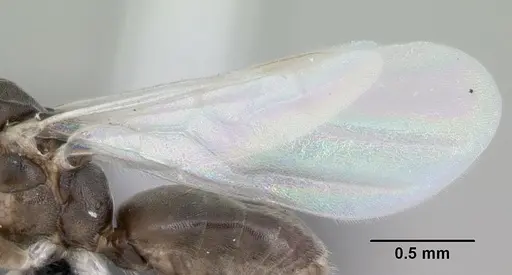
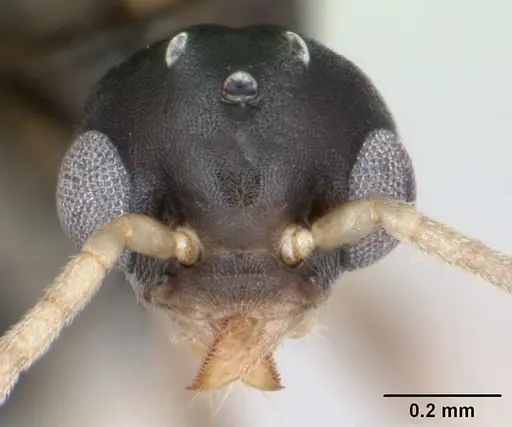
This species has one of the most complex social structures among tramp ants. Colonies contain three female types: winged queens (alate females), intercastes (wingless but sexually mature females with spermatheca), and regular workers [3][6]. Intercastes comprise 3.6-32% of colony population and are the key to their success as a tramp species, they can leave the parent colony with workers and brood to establish new nests through budding [4]. This explains why they form massive polydomous colonies in greenhouses. Additionally, this species produces wingless males (ergatomorph males), which is rare, they make up more than 10% of adult population in some colonies and live year-round [7]. Winged males only appear in fall. This flexible reproductive system allows colonies to grow explosively and adapt quickly to new environments.
Behavior and Foraging
T. vitiensis is an active forager that uses chemical trails to recruit nestmates. Workers raise their abdomen while walking and deposit pheromone trails to guide others to food sources [3]. When they find resources, they form dense, organized trails rather than scattered foraging. They are highly adaptable foragers, working both on the ground and in vegetation (arboreal foraging) [8]. They are not aggressive toward humans, they lack a functional sting and their bite is negligible [4]. However, they can become a nuisance in homes due to their attraction to sweets and tendency to nest in wall voids where they follow electrical cables [3]. In captivity, they will quickly exploit any food source and can become very tame. Their small size and rapid movement mean they are entertaining to watch but require secure enclosures.
Common Problems and Solutions
The biggest challenge with T. vitiensis is their potential to become pests. Their attraction to honeydew-producing insects can lead to sooty mold in nests, clean regularly if you're providing live aphids or mealybugs. Colonies can grow enormous (up to 3 million workers), so be prepared for space requirements [3]. Their polydomous nature means they may establish satellite nests in multiple locations within your setup, this is normal but can make them harder to contain. Escape prevention is critical due to their small size, use fine mesh (0.5mm or smaller) on all ventilation and ensure lid seals are tight. If colonies escape in temperate climates, they cannot survive outdoors but could become established in other heated buildings. Finally, their rapid reproduction through intercastes means populations can explode quickly, monitor and manage colony size before it becomes unmanageable.
Frequently Asked Questions
Can I keep Technomyrmex vitiensis in a test tube setup?
Yes, test tubes work well for founding colonies. However, established colonies will do better in a formicarium or acrylic nest where they have more space to expand and can create trailing networks. They prefer pre-existing cavities over digging, so Y-tong or plaster nests are suitable choices [1].
How long does it take for Technomyrmex vitiensis to produce first workers?
Expect first workers in 6-8 weeks after the queen lays eggs, assuming temperatures around 24-28°C. Development is relatively fast for a tropical species. The claustral queen will seal herself in and survive on stored fat reserves until the first workers emerge [6].
How big do Technomyrmex vitiensis colonies get?
Colonies can reach enormous sizes, from 8,000 up to 3,000,000 workers in established colonies [3]. In heated greenhouses, they often form massive polydomous supercolonies spanning multiple nest sites. Be prepared for significant space and resource requirements as the colony matures.
What do Technomyrmex vitiensis eat?
They are highly opportunistic feeders with a strong preference for sweet foods. Offer sugar water, honey, or diluted maple syrup constantly. For protein, provide small insects like fruit flies, pinhead crickets, or mealworms 2-3 times per week. They will also scavenge on dead insects and tend homopterous insects for honeydew [1][3].
Are Technomyrmex vitiensis good for beginners?
They are rated as Medium difficulty. While they are hardy and adaptable, their potential to become pests and their need for warm temperatures year-round make them better suited for intermediate antkeepers. Their small size and escape risk require good enclosure security, and their massive colony growth requires planning [4][3].
Do Technomyrmex vitiensis need hibernation?
No. This is a tropical species that does not undergo diapause. In heated greenhouses, they remain active year-round. Keep them warm (24-28°C) throughout the year and never expose them to cold temperatures [4].
Why are my Technomyrmex vitiensis dying?
Common causes include: temperatures below 20°C (they need warmth), low humidity (they prefer humid conditions), mold from overwatering or uneaten food, or escape-related losses. Check that your setup maintains proper warmth and humidity, remove uneaten prey promptly, and verify all escape barriers are secure. Their small size makes them prone to escaping through tiny gaps [4][1].
Can I keep multiple queens together?
Yes, this species is naturally polygynous (multiple queens per colony) and forms polydomous colonies. Intercastes (wingless reproductive females) can also establish new colonies through budding. However, if combining unrelated foundresses, monitor for initial aggression. Their natural colony structure supports multiple reproductive females [3][4].
When should I move Technomyrmex vitiensis to a formicarium?
Move from test tube to formicarium when the colony reaches 30-50 workers or the test tube becomes cramped. They prefer nests with multiple connected chambers and will readily expand. Ensure the formicarium has proper humidity control and escape prevention, their small size requires fine mesh barriers [1].
What makes Technomyrmex vitiensis different from Technomyrmex albipes?
T. vitiensis can be distinguished by larger eyes (OI 29-32 vs 24-27), longer antennal scapes (SL 0.58-0.64 vs 0.48-0.58), and whitish middle and hind coxae (dark in T. albipes). T. vitiensis also has only one pair of setae on the pronotum while T. albipes typically has two pairs [2][3].
References

This caresheet is licensed under CC BY-SA 4.0 .
CASENT0005326
View on AntWeb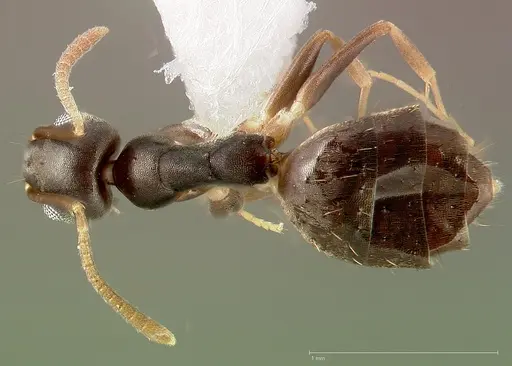
CASENT0055890
View on AntWeb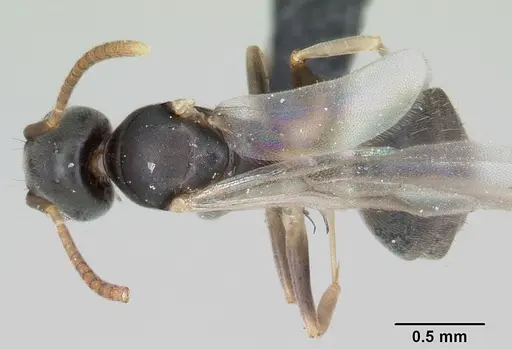
CASENT0059644
View on AntWeb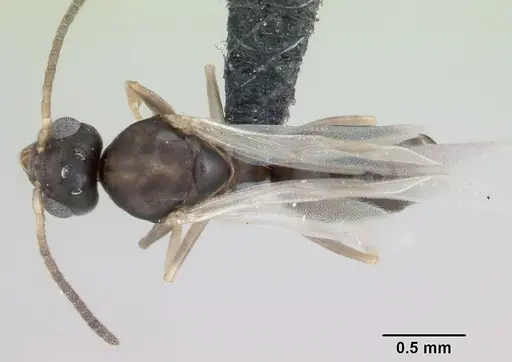
CASENT0103244
View on AntWeb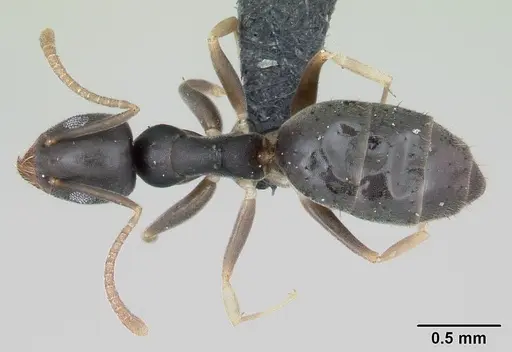
CASENT0103331
View on AntWeb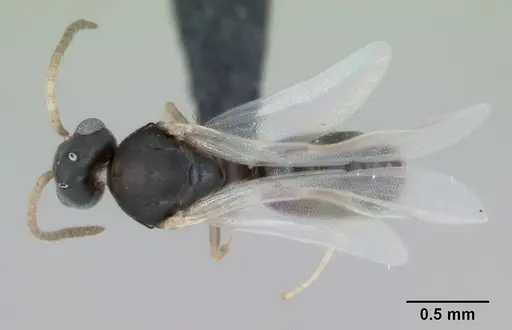
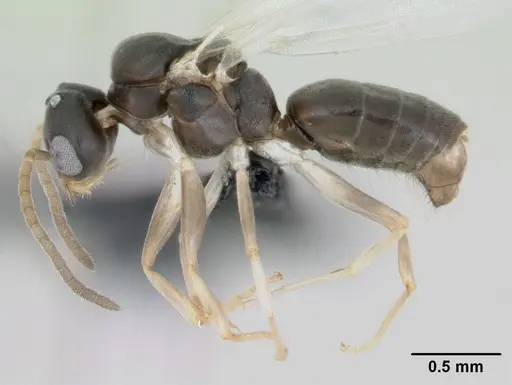
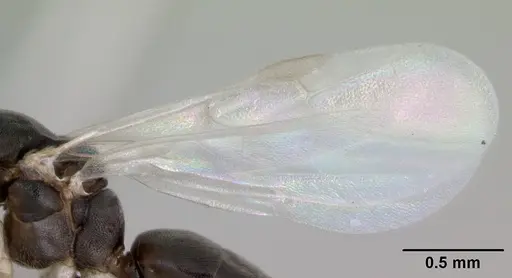
CASENT0120917
View on AntWeb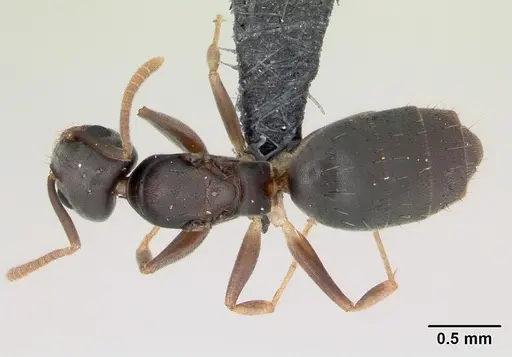
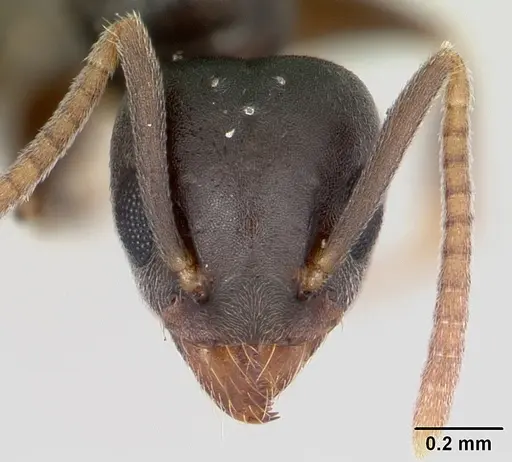
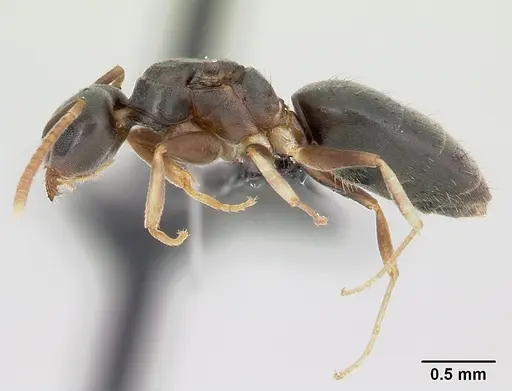
CASENT0125149
View on AntWeb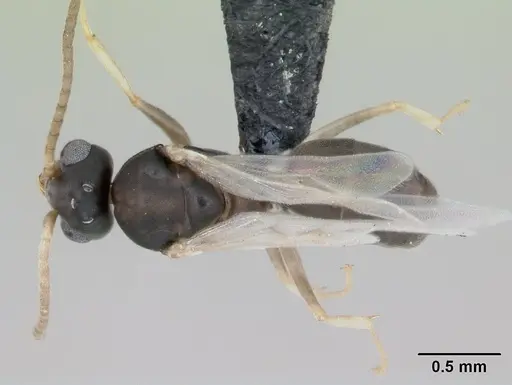
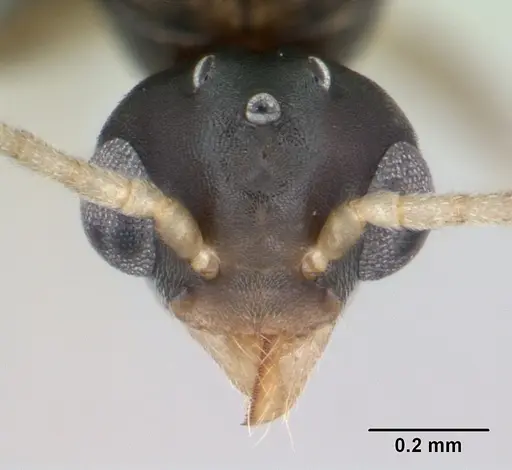
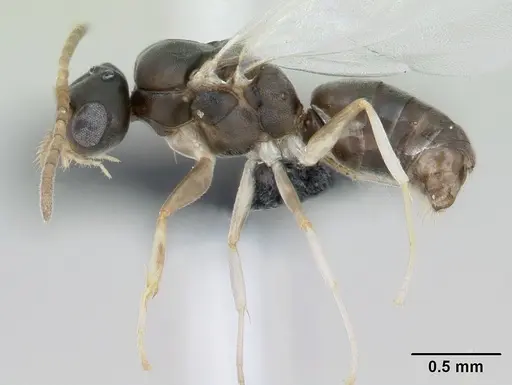
CASENT0125200
View on AntWeb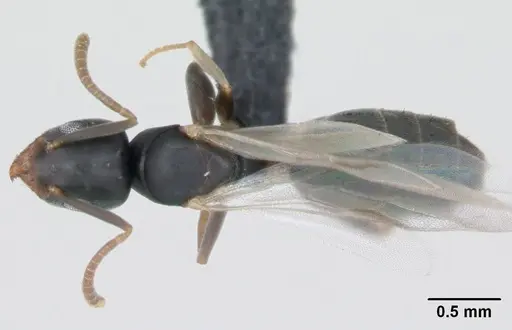
CASENT0125349
View on AntWeb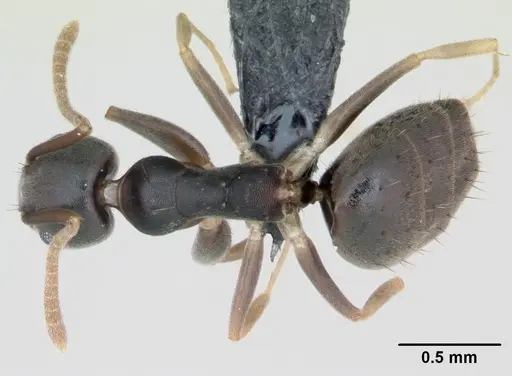
CASENT0125350
View on AntWeb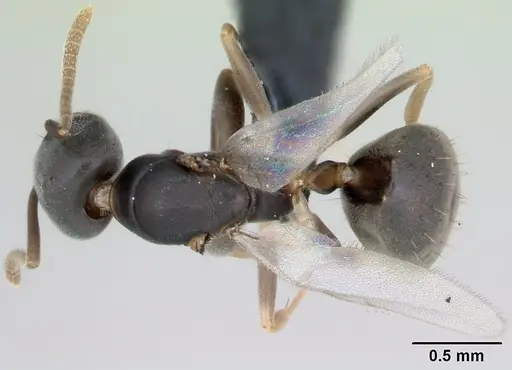
CASENT0125609
View on AntWeb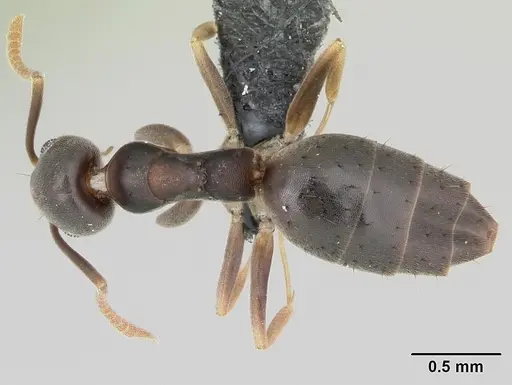
CASENT0136862
View on AntWeb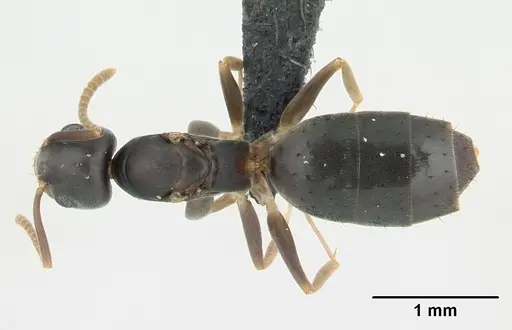
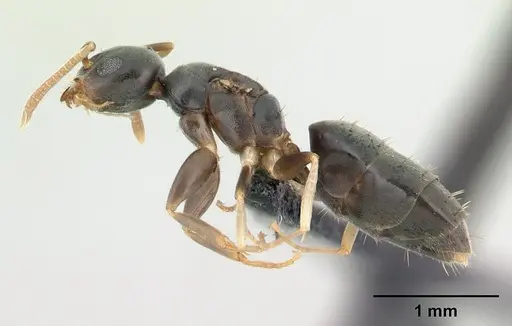
CASENT0137344
View on AntWeb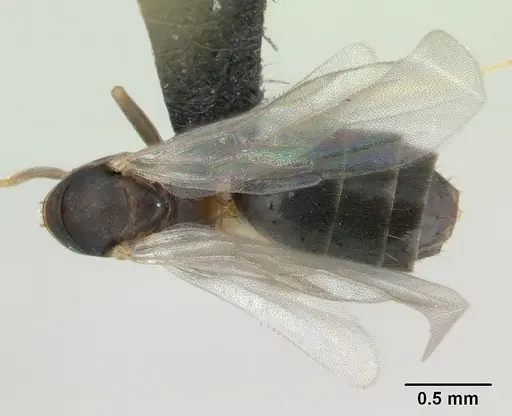
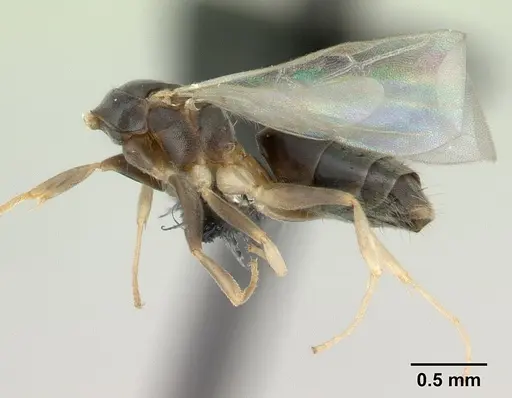
CASENT0137369
View on AntWeb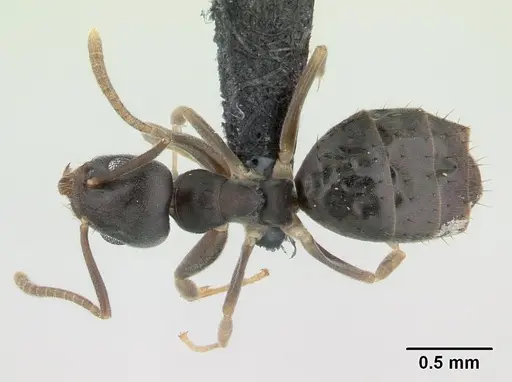
CASENT0146473
View on AntWeb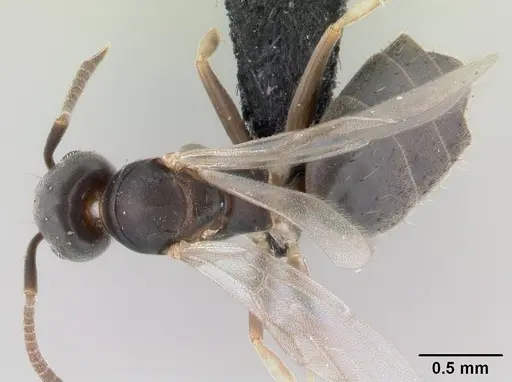
CASENT0171057
View on AntWeb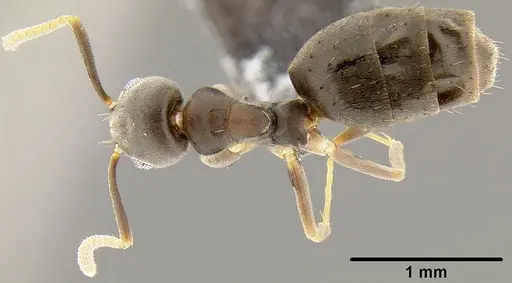
CASENT0172776
View on AntWeb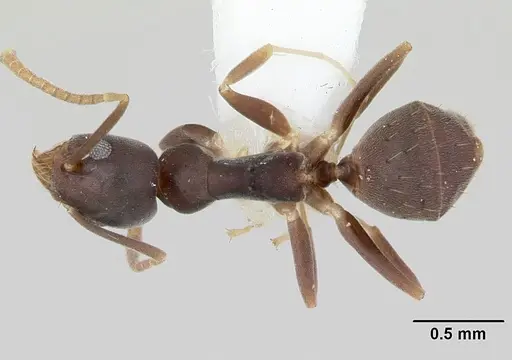
CASENT0173864
View on AntWeb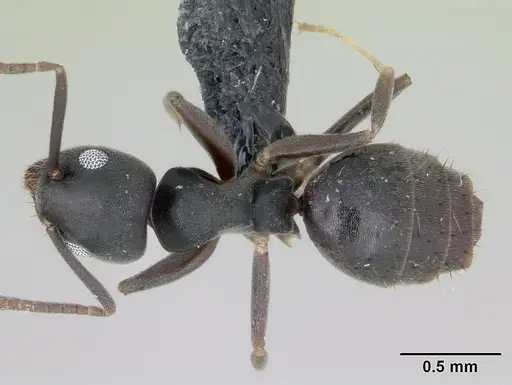
CASENT0178897
View on AntWeb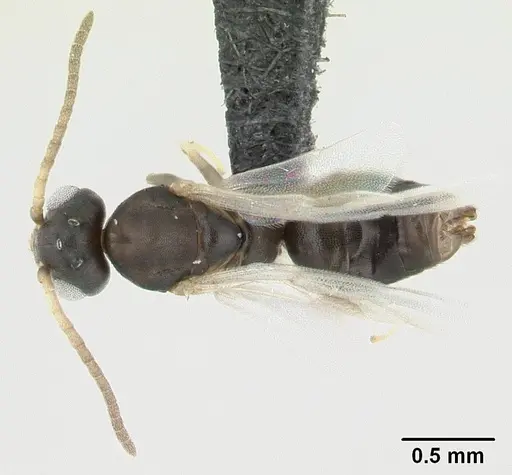
CASENT0219903
View on AntWeb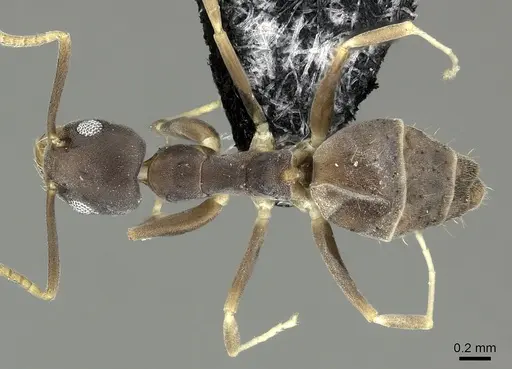
CASENT0249090
View on AntWeb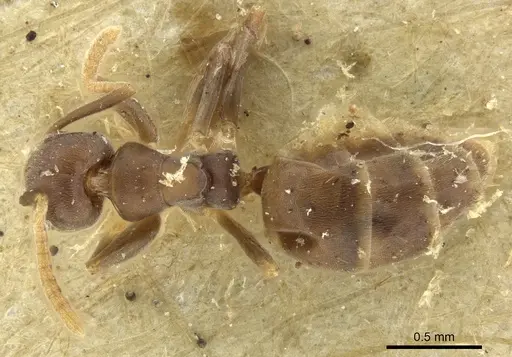
CASENT0249805
View on AntWeb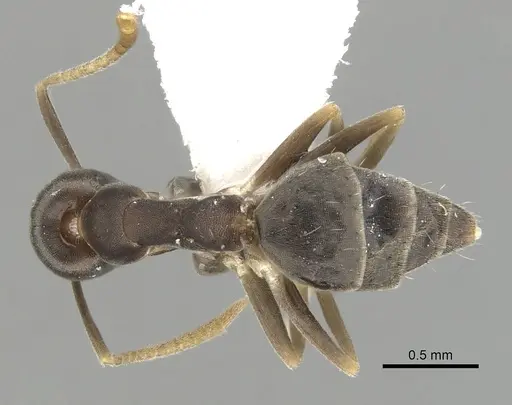
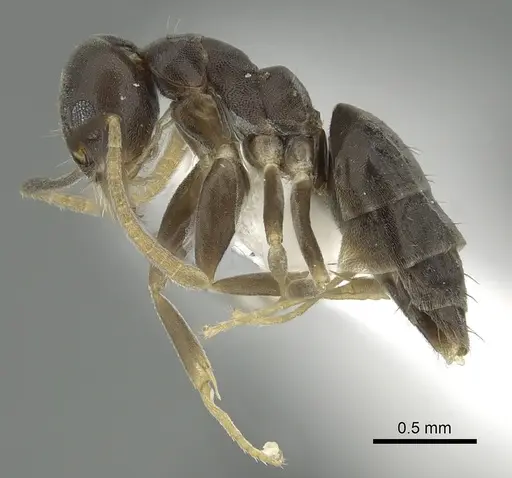
CASENT0272281
View on AntWeb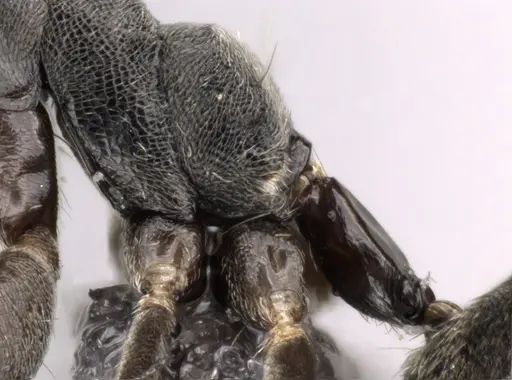
CASENT0272311
View on AntWeb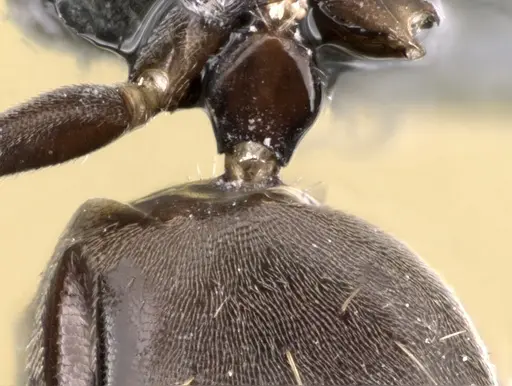
CASENT0345060
View on AntWeb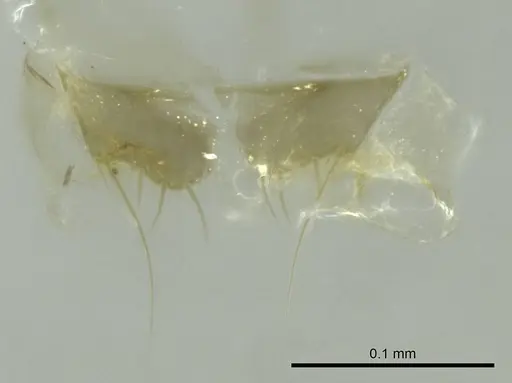
CASENT0345061
View on AntWeb
CASENT0345062
View on AntWeb
CASENT0345063
View on AntWeb
CASENT0345064
View on AntWeb
CASENT0653552
View on AntWeb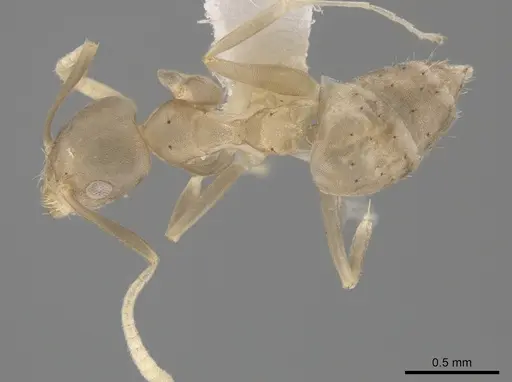
CASENT0886034
View on AntWeb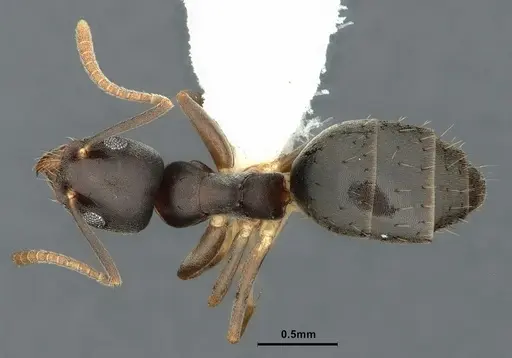
CASENT0911581
View on AntWeb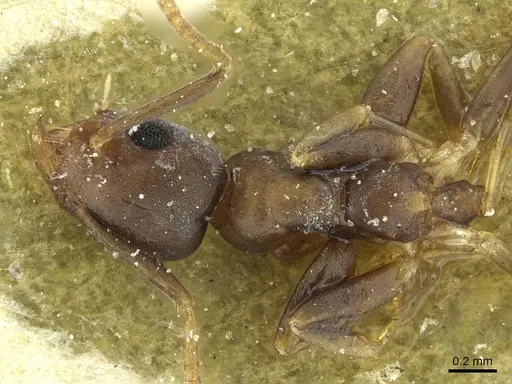
CASENT4024483
View on AntWeb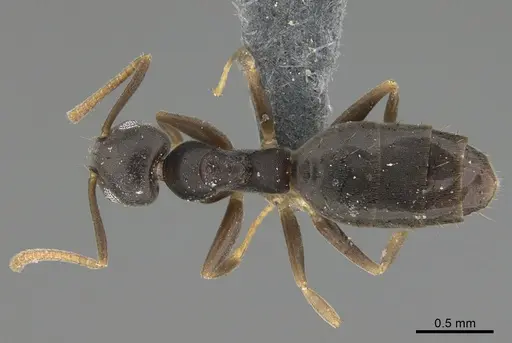
ECOFOG-KR17-0072-10
View on AntWeb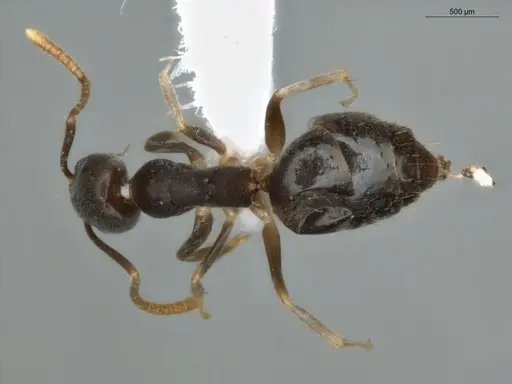
Literature
Loading...Loading products...