

Technomyrmex schoutedeni
- Scientific Name
- Technomyrmex schoutedeni
- Tribe
- Tapinomini
- Subfamily
- Dolichoderinae
- Author
- Forel, 1910
- Distribution
- Found in 1 countries
Technomyrmex schoutedeni Overview
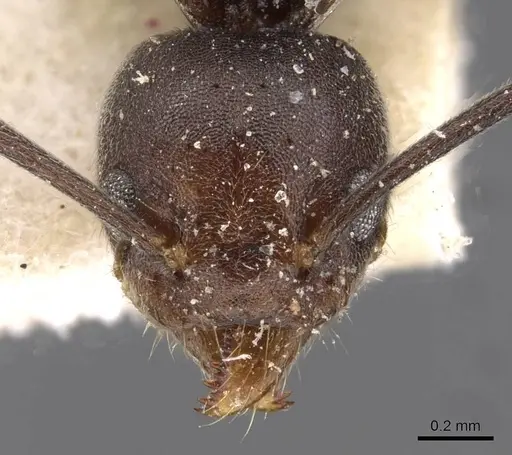
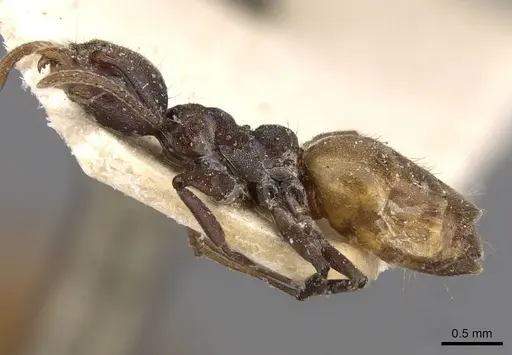
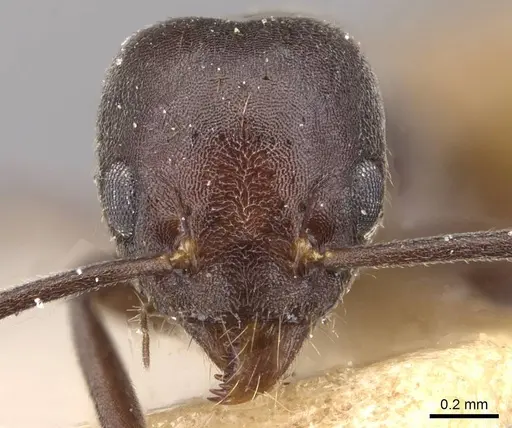
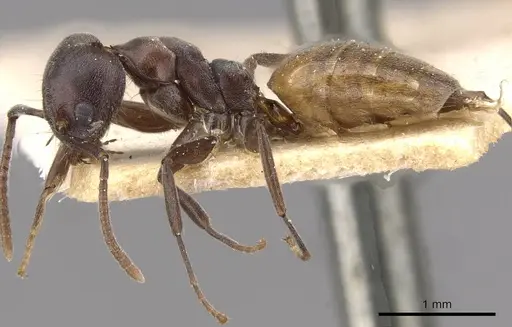
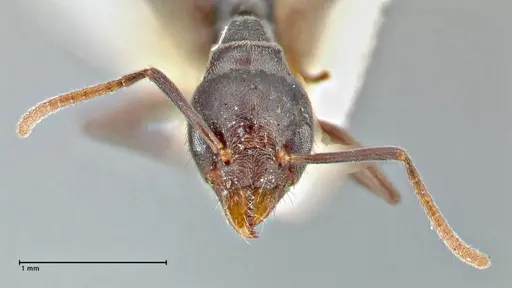
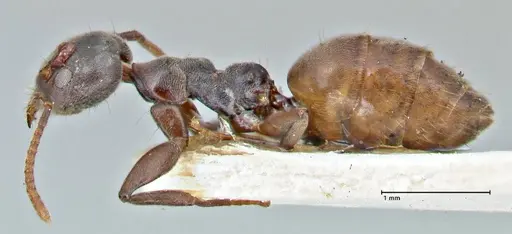
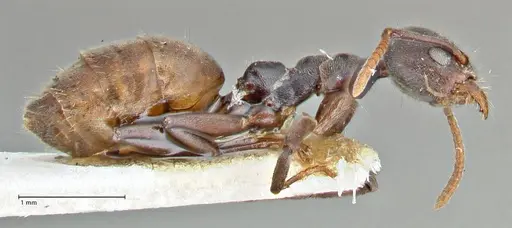
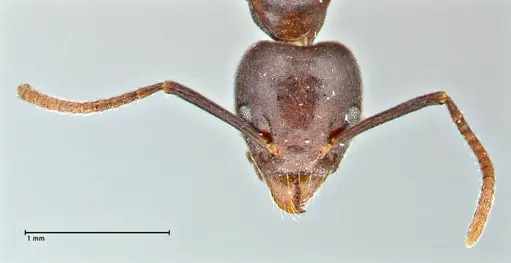
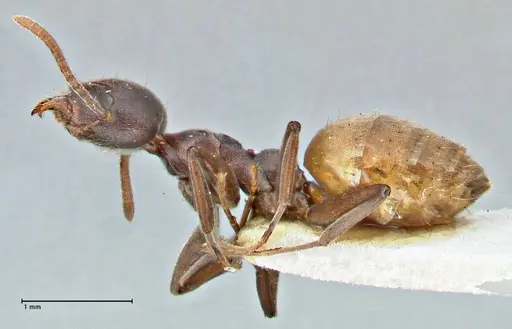
Technomyrmex schoutedeni is an ant species of the genus Technomyrmex. It is primarily documented in 1 countries , including Congo, Democratic Republic of the. Detailed taxonomic data and occurrence records can be further explored via authoritative databases such as AntWeb or the Global Biodiversity Information Facility (GBIF).
Technomyrmex schoutedeni
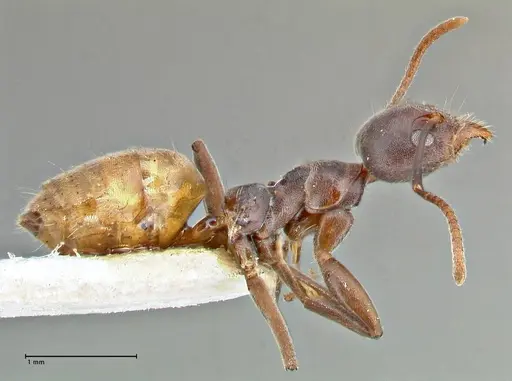
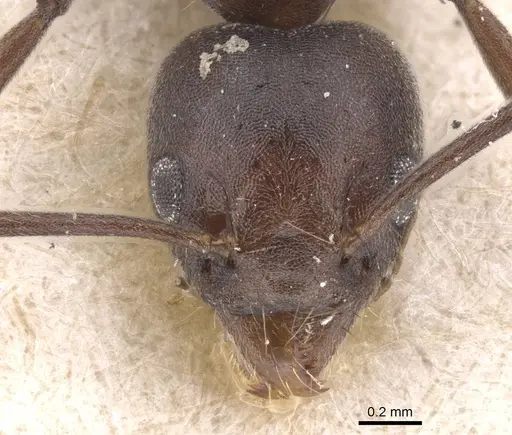
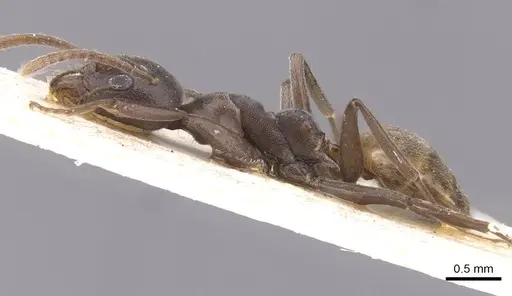
Technomyrmex schoutedeni is a medium-sized arboreal ant species native to the Afrotropical region, specifically found in Cameroon and the Democratic Republic of Congo [1]. Workers measure 3.9-4.7mm in total length, with a robust build typical of the genus [2]. The species belongs to the Dolichoderinae subfamily, which means they lack a functional stinger and instead defend themselves by spraying formic acid, this makes them less dangerous to handle than some other ant families. They are closely related to Technomyrmex zimmeri and Technomyrmex pilipes, with which they share similar morphology and arboreal lifestyle [2].
As an arboreal species, T. schoutedeni naturally nests above ground level in tree hollows, under bark, or in elevated locations rather than in soil nests. This makes them quite different from typical ground-nesting ants and influences how you should set up their captive environment. The genus Technomyrmex is known for being relatively docile compared to some other ants, making them an interesting choice for antkeepers interested in tree-dwelling species.
Quick Summary
- Difficulty: Medium
- Origin & Habitat: Cameroon and Democratic Republic of Congo in the Afrotropical region. As an arboreal species, they nest in elevated locations such as tree hollows and under bark in tropical forest environments [1][2].
- Colony Type: Colony structure is not well documented in scientific literature. Based on typical Technomyrmex patterns, colonies likely have a single queen (monogyne), though some related species can form multi-queen colonies. More research needed to confirm exact colony structure.
- Size & Growth:
- Queen: Not specifically documented for this species, but Technomyrmex queens are typically larger than workers, likely 6-8mm based on genus patterns [2].
- Worker: 3.9-4.7mm total length [2].
- Colony: Estimated at several hundred workers based on typical Technomyrmex colony sizes [2].
- Growth: Moderate, estimated based on related species patterns.
- Development: Estimated 6-8 weeks at tropical temperatures based on typical Dolichoderinae development [2]. (Development time is estimated from related species, specific data for T. schoutedeni is not available.)
- Antkeeping:
- Temperature: Keep at 24-28°C (warm tropical conditions). As a species from Central Africa, they require warm temperatures similar to room temperature in heated homes [2].
- Humidity: Moderate to high humidity (60-80%). Arboreal ants typically prefer humid conditions but not saturated. Provide a water source and occasional misting of the outworld [2].
- Diapause: Likely minimal or no true diapause. As a tropical species from Central Africa, they probably do not require hibernation. However, a slight reduction in temperature during cooler months may be beneficial [2].
- Nesting: Arboreal setup required. These ants prefer vertical or elevated nest spaces. Y-tong (AAC) nests work well, or you can create a naturalistic arboreal setup with cork bark or wooden platforms. They do not need soil substrate and often prefer having their nest elevated [2].
- Behavior: Technomyrmex ants are generally docile and not aggressive toward keepers. They are arboreal foragers, actively searching for food on plants and surfaces rather than ground-foraging. Workers are moderate-sized at 3.9-4.7mm, making them visible but not large. They have good climbing ability and may escape if given the chance, so ensure your setup has tight barriers. As Dolichoderinae, they can spray formic acid when threatened, though they are not considered dangerous to humans [2].
- Common Issues: arboreal setup is essential, they will not thrive in ground-based test tube setups, escape prevention matters, they are good climbers and will find gaps in equipment, limited availability in the antkeeping hobby due to their specialized arboreal nature, tropical temperature requirements mean they need heated setups in cooler climates, limited documented care information means you may need to experiment with setups
Housing and Nest Setup
Technomyrmex schoutedeni requires an arboreal-style setup rather than traditional ground nests. These ants naturally live above ground in tree hollows and under bark, so your setup should reflect this. Y-tong (AAC) nests work well for this species because they provide proper vertical space and humidity control. You can also create naturalistic setups using cork bark, wooden platforms, or artificial plant stems. The key is having the nest area elevated rather than sitting on a flat substrate. Provide plenty of climbing structures like twigs, fake plants, or mesh in the outworld so workers can forage naturally. A small water test tube should always be available, and you can lightly mist the outworld occasionally to maintain humidity without creating standing water [2].
Temperature and Heating
As a tropical species from Central Africa, Technomyrmex schoutedeni needs warm conditions to thrive. Keep the nest area at 24-28°C, which is typical room temperature in many heated homes. If your room temperature falls below this range, use a heating cable or heating mat placed on one side of the nest to create a warm gradient. Avoid placing heating directly under water reservoirs as it can cause excessive condensation. These ants are adapted to stable tropical temperatures, so try to avoid major temperature fluctuations. A simple way to achieve this is using a thermostat-controlled heater in the room where you keep the colony. Room temperature in the low-to-mid 20s°C is ideal without additional heating in most homes [2].
Feeding and Diet
Technomyrmex ants are omnivorous and will accept a variety of foods. In captivity, offer sugar sources such as sugar water, honey, or diluted honey water, these ants have a sweet tooth and will readily consume carbohydrates. For protein, provide small insects like fruit flies, small crickets, or mealworms. Since they are arboreal foragers, they may prefer food items placed on elevated surfaces rather than on the ground. Feed small amounts every few days and remove any uneaten food to prevent mold. A constant sugar source (like a cotton ball soaked in sugar water) is recommended, with protein offered 2-3 times per week. Fresh water should always be available [2].
Behavior and Colony Dynamics
This species is relatively docile and manageable in captivity. Workers are active foragers that will explore their environment, making them interesting to watch. As Dolichoderinae ants, they do not have a functional stinger but can spray formic acid as a defense mechanism, this is generally harmless to humans but can be irritating to eyes. The colony will likely grow gradually, starting with a claustral founding queen (though this is inferred from genus patterns rather than directly observed). Workers are medium-sized at 3.9-4.7mm and should be clearly visible. Expect the colony to reach several hundred workers over time based on typical Technomyrmex growth patterns. The ants are good climbers, so ensure your outworld has secure barriers to prevent escapes [2].
Acquiring and Establishing a Colony
Technomyrmex schoutedeni is not commonly available in the antkeeping hobby, so you may need to seek specialized suppliers or breeders. If you obtain a founding queen, she will need a quiet, humid, and warm environment to establish her colony. Use a small test tube setup for the founding phase, but plan to transition to an arboreal-style nest once the colony reaches 20-30 workers. The queen should be claustral (sealing herself in) based on typical Dolichoderinae behavior, meaning she does not need to leave the nest to forage, she will live off her stored fat reserves until her first workers (nanitics) emerge. Be patient during founding, as this process can take 6-10 weeks depending on temperature [2].
Frequently Asked Questions
Can I keep Technomyrmex schoutedeni in a test tube setup?
You can start a founding queen in a test tube, but this species is arboreal and will do much better in an elevated nest setup like a Y-tong or cork bark arrangement. Once the colony grows beyond 20-30 workers, transition to an arboreal-style formicarium with climbing structures [2].
What temperature do Technomyrmex schoutedeni need?
Keep them warm at 24-28°C. This is a tropical species from Central Africa, so they need warm conditions similar to typical room temperature in heated homes. A heating cable may be needed in cooler climates [2].
How long does it take for Technomyrmex schoutedeni to raise first workers?
Estimated 6-10 weeks from egg to first worker at optimal tropical temperatures (around 26°C). This is based on typical Dolichoderinae development patterns, as specific development data for this species is not available [2].
Are Technomyrmex schoutedeni good for beginners?
They are rated as medium difficulty. While not aggressive, they have specific arboreal housing requirements that differ from typical ground-nesting ants. If you are interested in arboreal species and can provide the right setup, they can be a rewarding species to keep [2].
What do Technomyrmex schoutedeni eat?
They are omnivorous. Offer sugar water, honey, or diluted honey regularly as a carbohydrate source. For protein, provide small insects like fruit flies, small crickets, or mealworms. Place food on elevated surfaces since they are arboreal foragers [2].
Do Technomyrmex schoutedeni need hibernation?
Probably not. As a tropical species from Central Africa, they likely do not require a true diapause period. You may reduce feeding slightly during winter months if the room temperature drops, but hibernation is not necessary [2].
How big do Technomyrmex schoutedeni colonies get?
Based on typical Technomyrmex species, colonies likely reach several hundred workers over time. Specific colony size data for this species is not documented, but related species in the genus show moderate colony growth [2].
Can I keep multiple Technomyrmex schoutedeni queens together?
This is not recommended. While some Technomyrmex species can be polygynous, there is no documented evidence that T. schoutedeni accepts multiple queens. It is safest to keep one queen per colony [2].
Why are my Technomyrmex schoutedeni escaping?
They are good climbers and may escape if your setup has gaps. Ensure all connections are tight and use barrier tape or fluon on edges. Arboreal ants are naturally more active and exploratory, so escape prevention is important [2].
References

This caresheet is licensed under CC BY-SA 4.0 .
CASENT0905069
View on AntWeb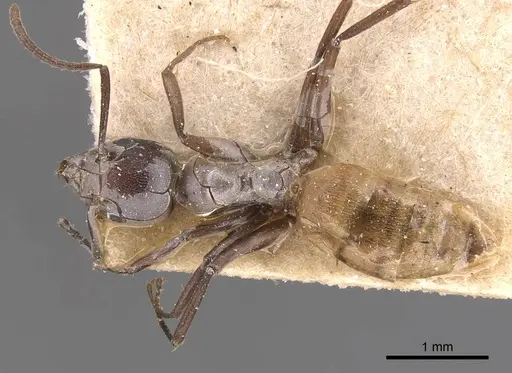
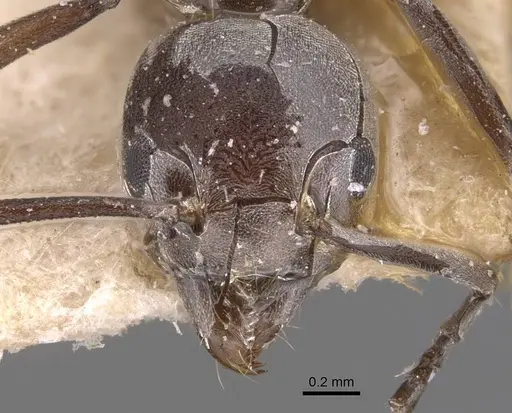
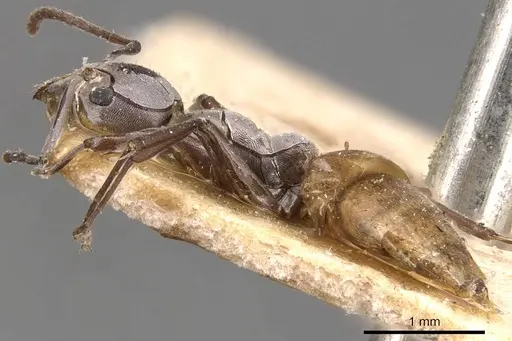
CASENT0909759
View on AntWeb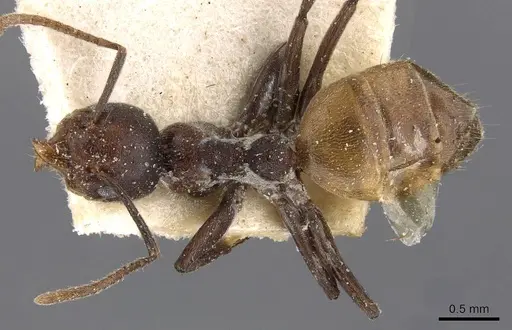
CASENT0909807
View on AntWeb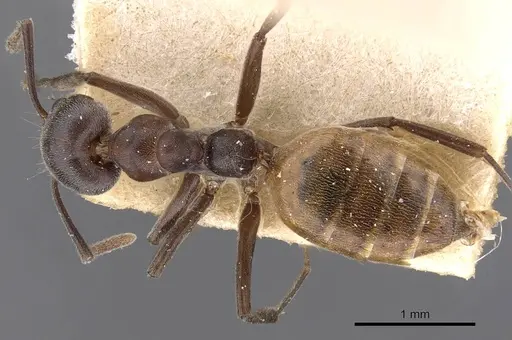
FOCOL2853
View on AntWeb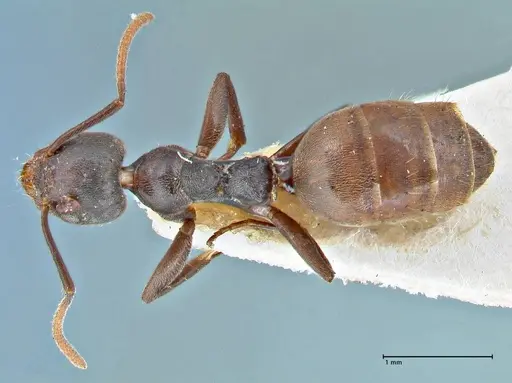
FOCOL2854
View on AntWeb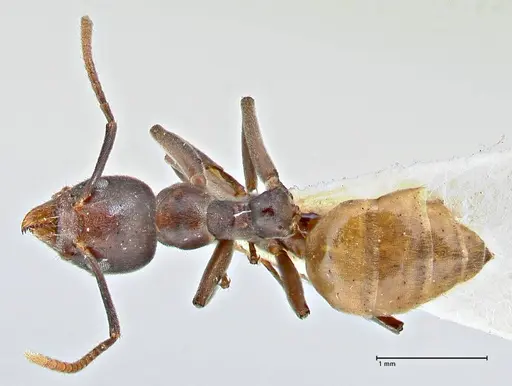
RMCAENT000017799
View on AntWeb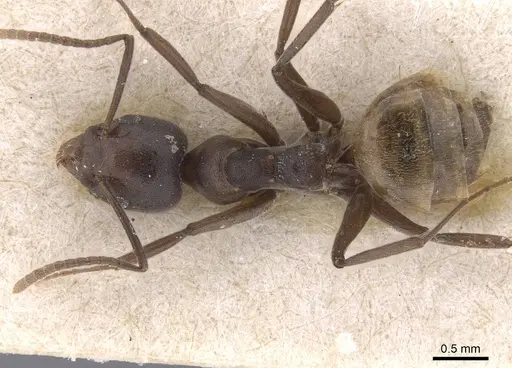
Literature
Loading...Loading products...