

Technomyrmex schimmeri
- Scientific Name
- Technomyrmex schimmeri
- Tribe
- Tapinomini
- Subfamily
- Dolichoderinae
- Author
- Viehmeyer, 1916
- Distribution
- Found in 1 countries
Technomyrmex schimmeri Overview
Technomyrmex schimmeri is an ant species of the genus Technomyrmex. It is primarily documented in 1 countries , including Singapore. Detailed taxonomic data and occurrence records can be further explored via authoritative databases such as AntWeb or the Global Biodiversity Information Facility (GBIF).
Technomyrmex schimmeri
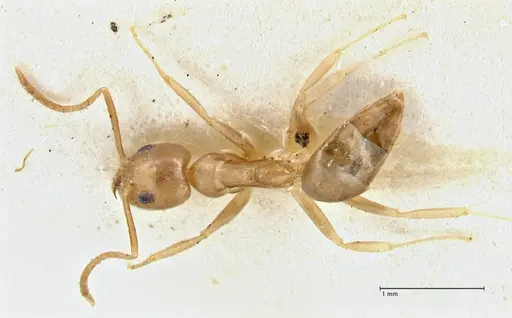
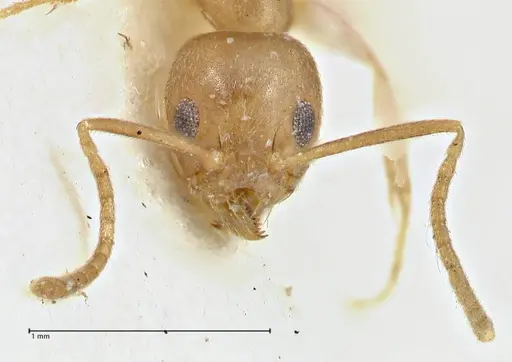
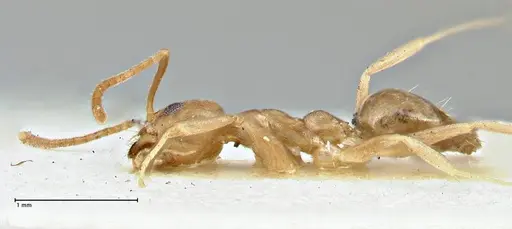
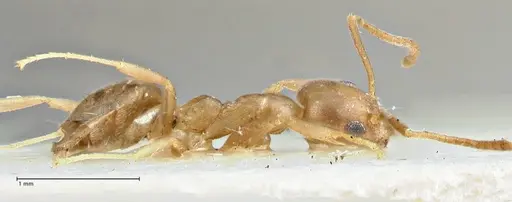
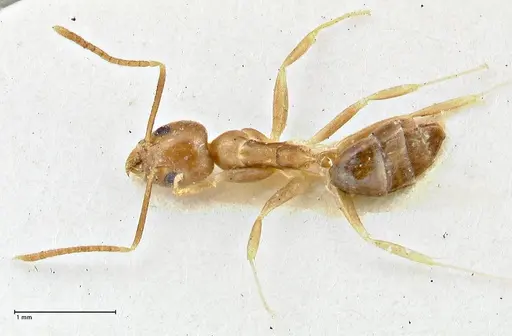
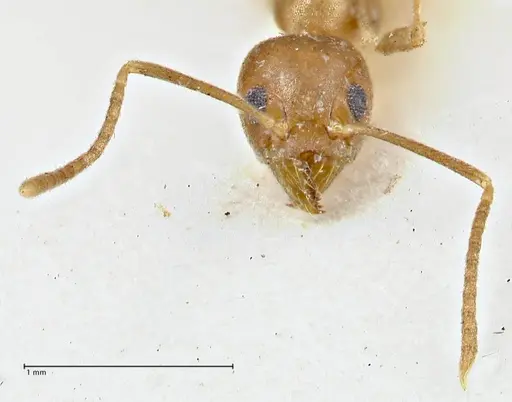
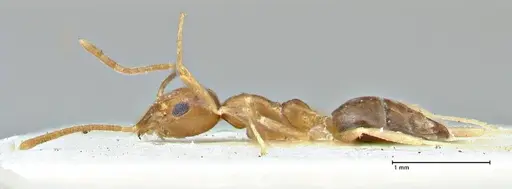
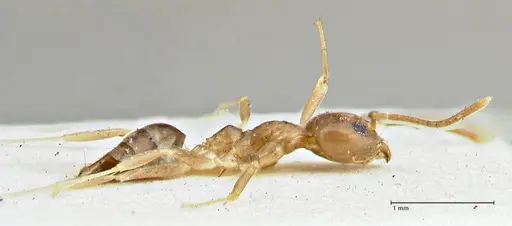
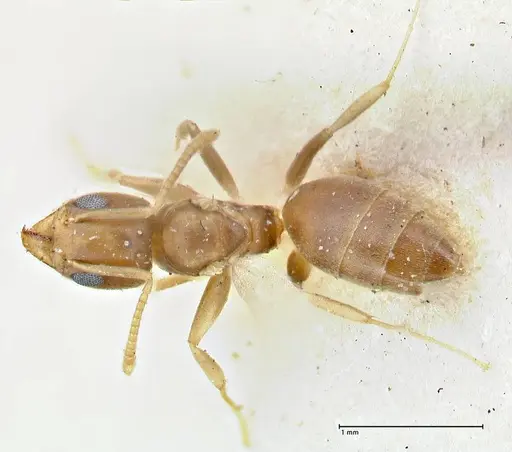
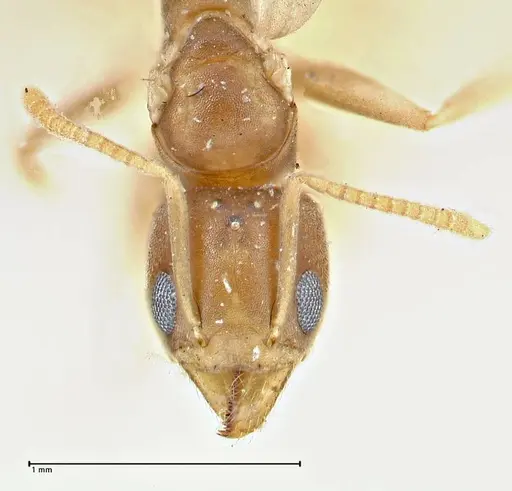
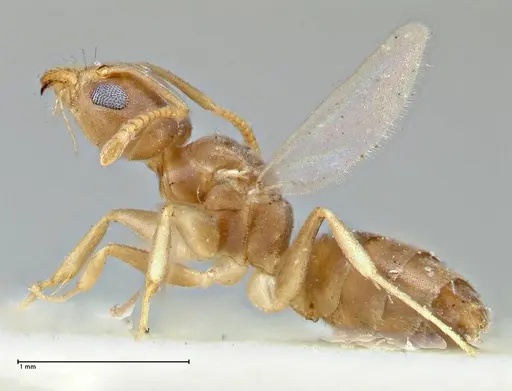
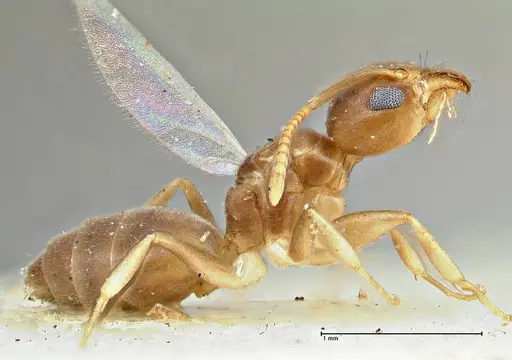
Technomyrmex schimmeri is a small, pale-colored ant species native to Southeast Asia, found across Singapore, Borneo, Indonesia, Malaysia, and Thailand. Workers measure 3.3-4.1mm and have a distinctive appearance with yellow to dirty yellow head, mesosoma, and petiole, while the abdomen (gaster) is typically pale brown and often darker than the rest of the body. They belong to the Technomyrmex bicolor group and can be identified by the long stiff hairs on their abdominal segments. This species is typically found in disturbed forest areas and nests in rotten wood, dead twigs, or leaf litter on the forest floor. As a Dolichoderinae ant, they defend themselves by spraying formic acid rather than using a stinger.
Quick Summary
- Difficulty: Medium
- Origin & Habitat: Southeast Asia, found in Singapore, Borneo, Indonesia, Malaysia, and Thailand. Inhabits disturbed forests and nests in rotten wood, dead twigs, or leaf litter [1]. Also recorded nesting in withered bamboo [2][3].
- Colony Type: Colony structure is unconfirmed, the species has not been studied in detail regarding queen number. Based on typical Technomyrmex patterns, likely forms single-queen colonies, but this needs confirmation.
- Size & Growth:
- Queen: 5.12mm [1], queen measured from type specimen
- Worker: 3.3-4.1mm [1], workers are small and slender
- Colony: Unknown, no colony size data available for this species
- Growth: Unknown, growth rate has not been studied
- Development: Unconfirmed, development timeline has not been documented. Based on similar tropical Dolichoderinae, expect 4-8 weeks at optimal temperature. (Development time is estimated from related species, direct observations are needed for this species.)
- Antkeeping:
- Temperature: Keep at 24-28°C, these are tropical ants from Southeast Asia and prefer warm conditions. A slight temperature gradient allows workers to regulate their own exposure.
- Humidity: Maintain moderate to high humidity (60-80%). They naturally live in rotting wood and leaf litter, so the nest substrate should remain damp but not waterlogged.
- Diapause: No, as a tropical species, they do not require hibernation. Keep them at stable warm temperatures year-round.
- Nesting: In captivity, they do well in nests that mimic their natural habitat, Y-tong (AAC) nests, plaster nests, or naturalistic setups with rotting wood pieces and moist substrate. They prefer tight, enclosed chambers that retain humidity.
- Behavior: These ants are generally calm and not aggressive. As Dolichoderinae, they can spray formic acid as a defense when threatened, but they are not particularly defensive under normal conditions. Workers are active foragers and will search for honeydew and small prey. Their small size (under 4mm) means escape prevention is important, use fine mesh barriers and ensure any gaps in the enclosure are sealed.
- Common Issues: escape prevention is critical due to their very small size, they can squeeze through standard mesh, wild-caught colonies may carry parasites that can devastate captive colonies, maintaining consistent humidity without mold can be challenging in closed nests, slow colony growth may lead to overfeeding and mold problems from uneaten food, lack of documented care information means you may need to experiment with conditions
Housing and Nest Setup
Technomyrmex schimmeri does well in nests that replicate their natural rotting wood habitat. Y-tong (AAC) nests work well because they provide good humidity control and dark chambers. Plaster nests are another good option, keep the plaster moist but not saturated. If using a naturalistic setup, include pieces of rotting wood or cork bark buried in moist substrate. The nest should have chambers tight enough that workers can touch the ceiling, these are small ants that feel exposed in large open spaces. The outworld can be simple since they are not aggressive climbers, but a barrier like fluon is still recommended due to their small size. [1]
Feeding and Diet
Like most Dolichoderinae ants, Technomyrmex schimmeri likely has a varied diet including honeydew from aphids and scale insects, and small insects. In captivity, offer sugar water or honey diluted with water as a constant energy source. For protein, provide small insects like fruit flies, small crickets, or mealworm pieces. They are small ants, so prey items should be appropriately sized, tiny fruit flies are ideal. Remove any uneaten prey within 24-48 hours to prevent mold. Observe whether your colony accepts different foods and adjust accordingly.
Temperature and Seasonal Care
Keep your colony at 24-28°C year-round. These tropical ants do not tolerate cool temperatures well and should be kept warm consistently. A heating cable or mat on one side of the nest can create a temperature gradient, allowing workers to move between warmer and cooler areas. Do not let temperatures drop below 20°C for extended periods. Since they come from tropical Southeast Asia, no hibernation or diapause is needed. Stable warmth is key, avoid placing the nest near air conditioning vents or drafty windows. [1]
Humidity Management
Maintain humidity around 60-80% in the nest area. These ants naturally live in rotting wood and leaf litter on the forest floor, so they are adapted to consistently damp conditions. The nest substrate should feel moist to the touch but water should not be pooling. Check the nest regularly and rehydrate when the surface begins drying. A water reservoir in the nest (like a test tube setup) helps maintain humidity through evaporation. Good ventilation is also important, without some airflow, closed nests can develop mold that harms the colony. [1]
Behavior and Defense
Technomyrmex schimmeri workers are active foragers that will search the outworld for food. They are not particularly aggressive and typically flee rather than attack when disturbed. As Dolichoderinae ants, they possess the ability to spray formic acid as a defense, this is a chemical spray, not a sting. While not dangerous to humans, the spray can be irritating. These ants are small but determined explorers, and their small size means they can escape through gaps that seem too small. Always use fine mesh (0.5mm or smaller) and check all connections regularly. [1]
Frequently Asked Questions
How long does it take for Technomyrmex schimmeri to raise first workers?
The exact development timeline is unconfirmed for this species. Based on similar tropical Dolichoderinae ants, expect 4-8 weeks from egg to first worker at optimal temperature (around 26°C). The queen will seal herself in a chamber and remain there until the first workers emerge.
Can I keep Technomyrmex schimmeri in a test tube setup?
Yes, test tube setups work well for founding colonies. Use a test tube with a water reservoir sealed with a cotton plug, this provides humidity while giving the queen a dark, enclosed space to raise her first brood. Once the colony reaches 15-20 workers, consider moving them to a proper nest like a Y-tong or plaster formicarium.
What do Technomyrmex schimmeri eat?
They likely accept honeydew, sugar water, and small insects. Offer sugar water or honey as a constant energy source, and provide small prey like fruit flies, pinhead crickets, or mealworm pieces. Remove uneaten food promptly to prevent mold.
Are Technomyrmex schimmeri good for beginners?
This species is rated as Medium difficulty. While not the most challenging ant to keep, there is limited documented care information available. They require warm temperatures and good humidity, and their small size demands excellent escape prevention. Beginners should be prepared to experiment with conditions and learn as they go.
How big do Technomyrmex schimmeri colonies get?
Colony size is not documented for this species. Based on related Technomyrmex species, colonies likely reach several hundred workers over time. Growth rate is also unknown, but tropical ants typically develop faster than temperate species.
Do Technomyrmex schimmeri need hibernation?
No, they do not need hibernation. As tropical ants from Southeast Asia, they prefer consistent warm temperatures year-round. Keep them at 24-28°C without seasonal cooling.
Why are my Technomyrmex schimmeri escaping?
Their small size (under 4mm) means they can squeeze through tiny gaps. Use fine mesh (0.5mm or smaller) on all openings, check lid seals regularly, and apply barrier tape or fluon around the edges of the outworld. Even small gaps that seem insignificant can allow escape.
When should I move my colony to a formicarium?
Move them once the test tube colony reaches about 15-30 workers and the water reservoir is running low. A Y-tong or plaster nest with good humidity control works well. Make sure the new nest has appropriately sized chambers, tight chambers are better than large open spaces for this small species.
Can I keep multiple Technomyrmex schimmeri queens together?
This has not been studied for this species. Combining unrelated queens is generally not recommended unless the species is known to be polygynous (multi-queen). Start with a single queen for best success.
References

This caresheet is licensed under CC BY-SA 4.0 .
Literature
Loading...Loading products...