

Technomyrmex pratensis
- Scientific Name
- Technomyrmex pratensis
- Tribe
- Tapinomini
- Subfamily
- Dolichoderinae
- Author
- Smith, 1860
- Distribution
- Found in 6 countries
Technomyrmex pratensis Overview
Technomyrmex pratensis is an ant species of the genus Technomyrmex. It is primarily documented in 6 countries , including China, Indonesia, Lao People's Democratic Republic. Detailed taxonomic data and occurrence records can be further explored via authoritative databases such as AntWeb or the Global Biodiversity Information Facility (GBIF).
Technomyrmex pratensis - "Forest Ghost Ant"
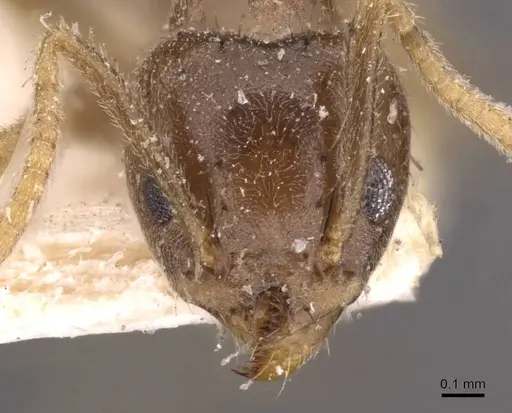
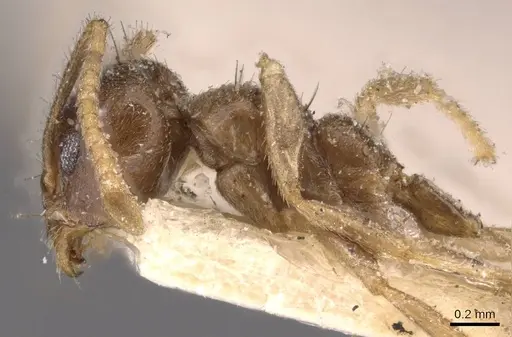
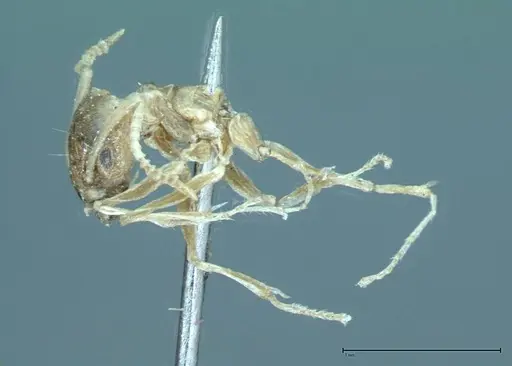
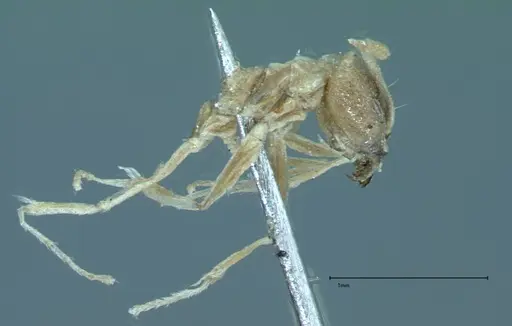
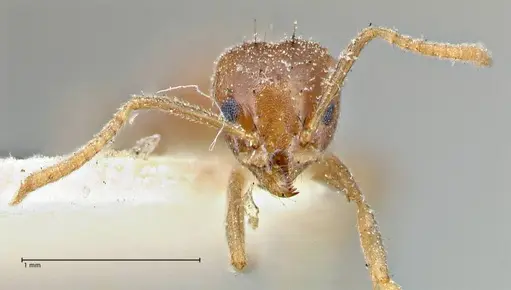
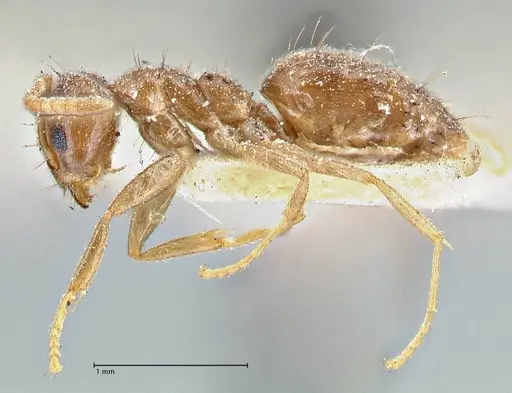
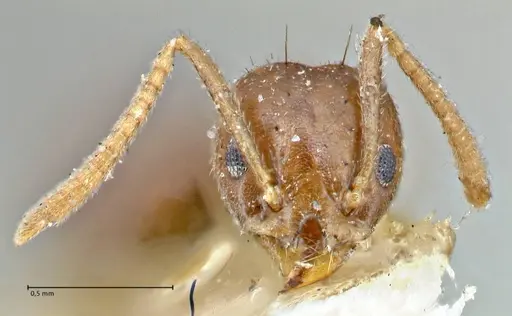
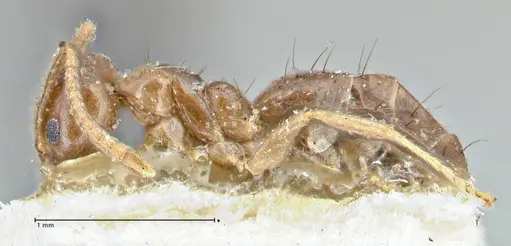
Technomyrmex pratensis is a fascinating ant species belonging to the Dolichoderinae subfamily. These ants are generally small, with workers typically ranging from 2.6 to 3.5 mm in total length. They are characterized by a short, stout body, and their head, mesosoma, and petiole are usually brownish-yellow to brown, with the gaster sometimes being distinctly darker. One distinctive feature for identification is their reduced palp formula (5,3), a deeply cleft clypeal margin, and specific cephalic setae. While most Technomyrmex species are known to nest and forage arboreally, T. pratensis has been found nesting in soil, rotten wood, and even under bark, showcasing some habitat versatility.
- Difficulty: Medium
- Origin & Habitat: Southeast Asia (e.g., Indonesia, Thailand, Laos) in Forests (including disturbed forests), under bark of logs, rotten wood, soil, sometimes termite mounds. They are often found in leaf litter..
- Colony Type: Polygynous (multiple queens), claustral (with potential for budding) founding.
- Size & Growth:
- Queen: Not specified
- Worker: 2.6-3.5mm
- Colony: Large (tens of thousands to millions, based on general genus information for tramp species like T. difficilis and T. albipes). Fast, especially due to the presence of multiple reproductive females (intercastes) in the genus. growth.
- Antkeeping:
- Temperature: Maintain temperatures between 24-28°C (75-82°F) for optimal development, similar to their tropical natural habitat. Consistent temperatures are beneficial..
- Humidity: Keep humidity levels between 60-80%. Providing a humidity gradient within the nest is ideal, allowing the ants to choose their preferred moisture level..
- Diapause: Not required. Not specified at Not specified.
- Nesting: These ants are adaptable and can thrive in various setups. Naturalistic setups with decaying wood or soil are good, but they also do well in acrylic, Ytong (aerated concrete), or plaster nests. Ensure good ventilation to prevent mold, especially with higher humidity. They can often be found nesting in small crevices..
- Behavior: Low (towards handler), Medium (towards food or other ants) aggressiveness.
- Common Issues: Mold in nest (due to high humidity if ventilation is poor), Mites (common issue with many ant species, especially in high humidity), Colony stalling (often due to inadequate food or improper environmental conditions), Humidity fluctuations (can stress the colony), Escapes (due to their small size and ability to fit into tiny gaps).
Technomyrmex pratensis, like many other species in its genus, can exhibit a complex colony structure. While typical alate (winged) queens and males engage in nuptial flights to found new colonies, the presence of worker-like reproductive females, known as intercastes, is common within the genus. These intercastes are often responsible for a significant portion of the colony's reproduction, mating with wingless males within the nest. This unique reproductive strategy contributes to the rapid growth and large colony sizes observed in some related species, potentially allowing for quick expansion and adaptation in various habitats.
When setting up a formicarium for Technomyrmex pratensis, consider their natural nesting habits. They are known to nest in decaying wood, under bark, and in soil in their native forests. Providing elements like small pieces of decaying wood or a substrate mix that mimics forest floor conditions can make them feel more at home and encourage natural behaviors. However, their adaptability means they can also thrive in more artificial setups, as long as their humidity and temperature needs are consistently met.
These ants are omnivores, readily consuming a variety of food sources. In the wild, their diet primarily consists of honeydew from sap-sucking insects like aphids and mealybugs, but they also scavenge on dead or living arthropods. In captivity, a balanced diet including sugar water or honey solution, and various protein sources such as small insects (e.g., fruit flies, mealworms, crickets), is crucial for a healthy colony. Ensure a consistent supply of both carbohydrates and protein to support their rapid growth.
Managing humidity is key to the successful keeping of Technomyrmex pratensis. As inhabitants of moist forest environments, they require elevated humidity levels. Misting the outworld or providing a nest design that allows for a moisture gradient can help achieve this. However, it's equally important to ensure adequate ventilation to prevent stagnant air and mold growth, which can be detrimental to the colony's health. Striking this balance is vital for their well-being in captivity.
Technomyrmex species, including T. pratensis, do not possess a functional sting, which makes them safer to handle for antkeepers. Their defense mechanism primarily involves biting and spraying defensive chemicals. While they are generally not aggressive towards handlers, they can be quite territorial and may show aggression towards other ant species if introduced into the same foraging area. Always exercise caution and respect when interacting with your colony.
Frequently Asked Questions
What kind of nest is best for Technomyrmex pratensis?
These ants are pretty adaptable! While they naturally nest in places like decaying wood and soil in tropical forests, they can do well in a variety of formicarium setups. Acrylic, Ytong, or even naturalistic soil nests can work, as long as you can maintain consistent humidity and temperature. The key is to provide a setup that allows for good moisture retention while also having adequate ventilation to prevent mold.
Do Technomyrmex pratensis sting?
Good news for antkeepers! Technomyrmex pratensis, and the genus in general, do not have a functional sting. Their primary defense is biting and spraying formic acid or other defensive chemicals. So, while they might nip at you, you won't get stung.
What do Technomyrmex pratensis eat?
These ants are omnivores with a sweet tooth! In the wild, they thrive on honeydew from sap-sucking insects and also scavenge on dead arthropods. For your colony, offer a mix of sugar water or honey solution for carbohydrates, and protein sources like fruit flies, small mealworms, or crickets. A varied diet supports robust colony growth.
How large can a Technomyrmex pratensis colony get?
While specific numbers for T. pratensis can be hard to pinpoint, related Technomyrmex species, especially those known as 'tramp ants' like T. difficilis and T. albipes, can form massive colonies, sometimes reaching into the millions of individuals. This genus's ability to have multiple reproductive queens (polygyny) and even worker-like reproductives (intercastes) contributes to their potential for explosive growth and impressive colony sizes.
Do Technomyrmex pratensis need diapause?
No, Technomyrmex pratensis is a tropical species and does not require a diapause period. Consistent warm temperatures and humidity year-round are essential for their continuous growth and well-being. Trying to induce diapause could actually harm the colony.
Are they prone to escaping?
Given their relatively small worker size, Technomyrmex pratensis can be quite adept at finding tiny gaps. Always ensure your formicarium is escape-proof, especially if you have a growing colony. A good barrier, like fluon or talc-alcohol slurry, applied to the top edges of your outworld, is highly recommended to keep your foragers contained.
What's an 'intercaste' and why is it important for these ants?
An 'intercaste' in Technomyrmex refers to worker-like females that are capable of reproduction. Unlike typical alate queens who do nuptial flights, these intercastes mate with wingless males inside the nest and contribute significantly to the colony's brood production. This unique reproductive flexibility means the colony can grow and reproduce rapidly, even without a winged queen, and is a key factor in their success and spread.
How do I maintain humidity for Technomyrmex pratensis?
Maintaining the right humidity is crucial for these forest-dwelling ants. Aim for a humidity range of 60-80%. This can be achieved by regularly moistening a part of the nest, using a nest design with a water tower or hydration system, and occasionally misting the outworld. Just remember to balance moisture with good airflow to prevent mold.
Are they aggressive towards other ant species?
While Technomyrmex pratensis are not typically aggressive towards their human keepers, they can be quite territorial when it comes to other ant species. If you're keeping multiple colonies, ensure they are well-separated to prevent conflicts, especially during foraging. They'll defend their resources and territory against rivals.
What are common issues when keeping Technomyrmex pratensis?
The most common challenges include preventing mold due to high humidity, especially if ventilation is insufficient. Mites can also be a concern, as with many ant species, particularly in humid environments. Colony stalling might occur if their dietary needs aren't met or if environmental conditions are unstable. And, as mentioned, their small size makes escapes a constant vigilance point for antkeepers.

This caresheet is licensed under CC BY-SA 4.0 .
CASENT0249801
View on AntWeb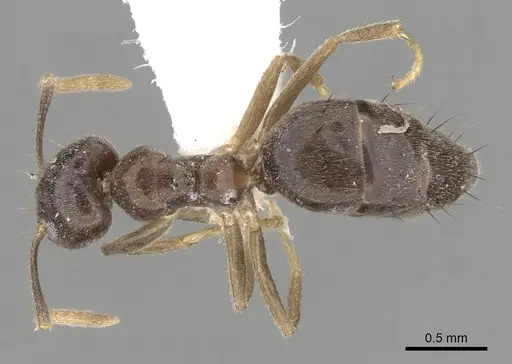
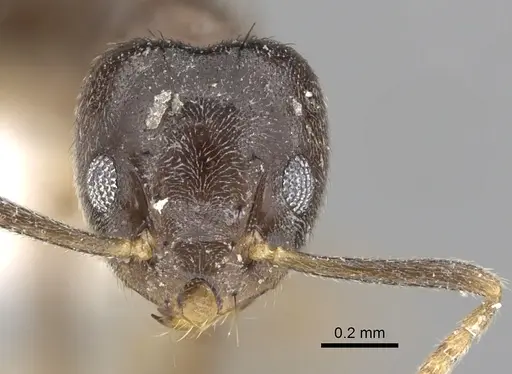
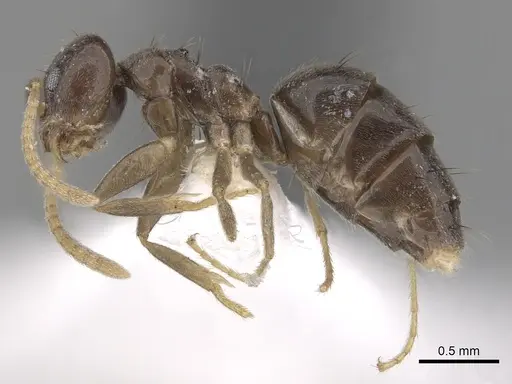
CASENT0616420
View on AntWeb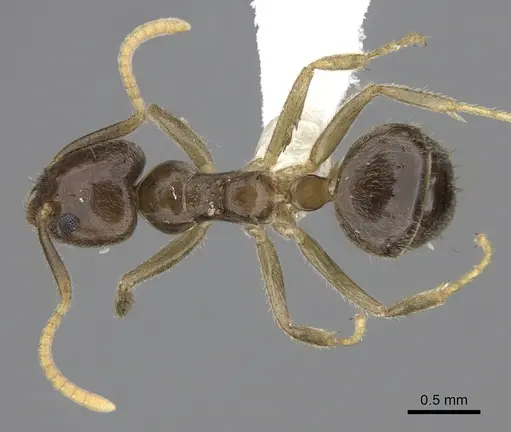
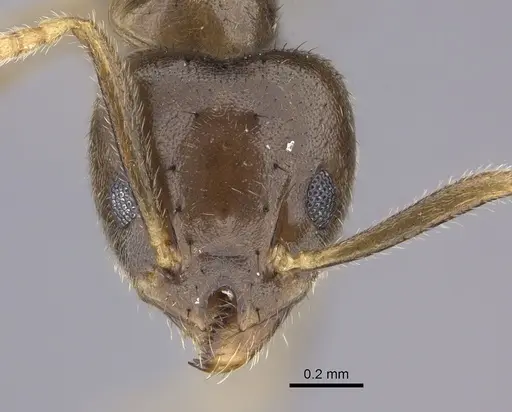
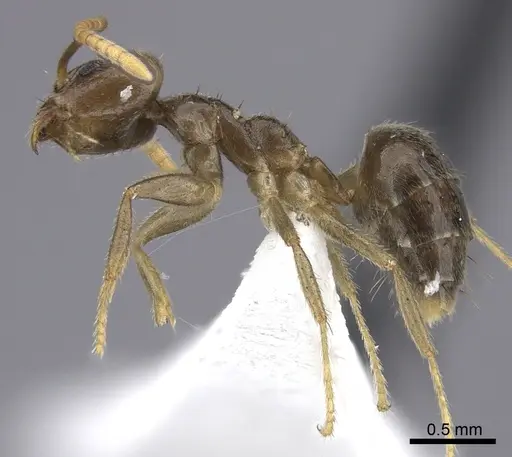
CASENT0886061
View on AntWeb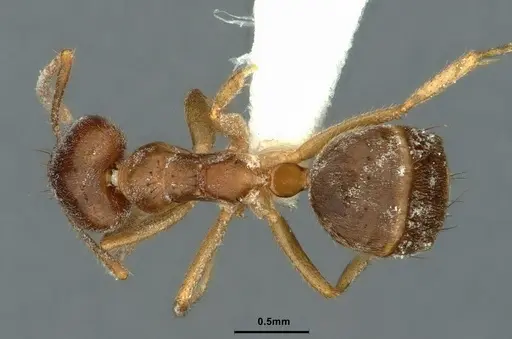
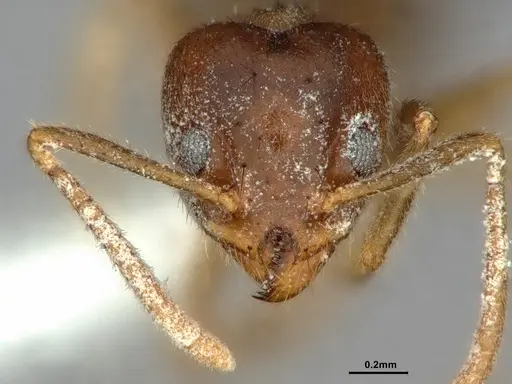
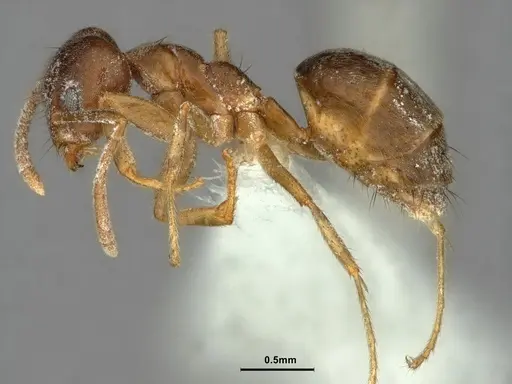
CASENT0901924
View on AntWeb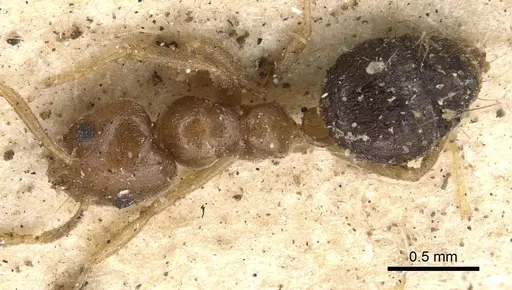
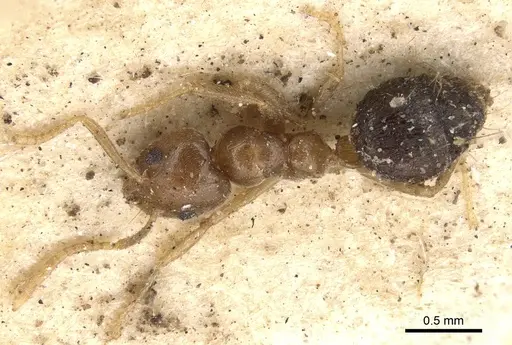
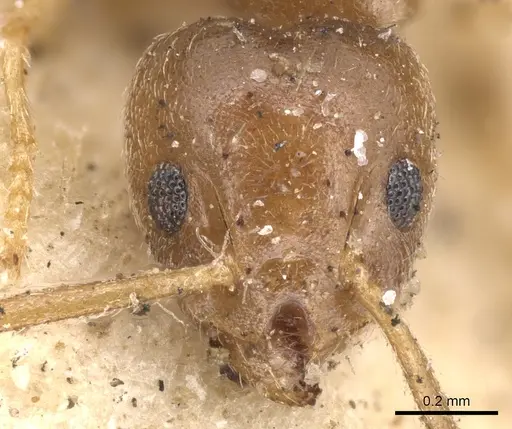
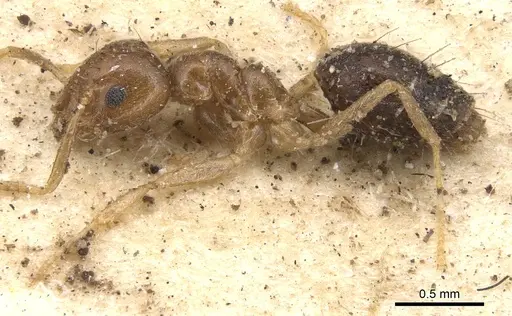
CASENT0904027
View on AntWeb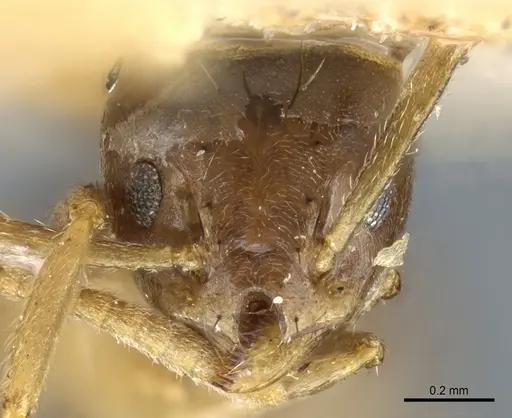
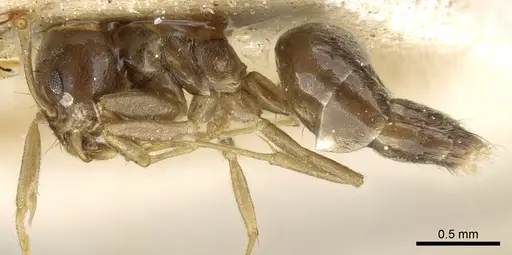
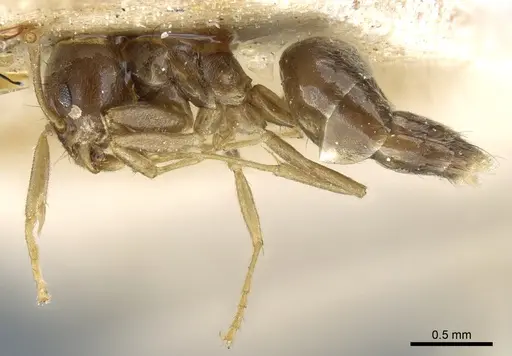
CASENT0907585
View on AntWeb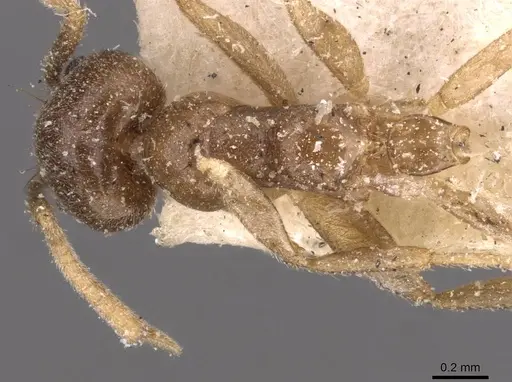
CASENT0909786
View on AntWeb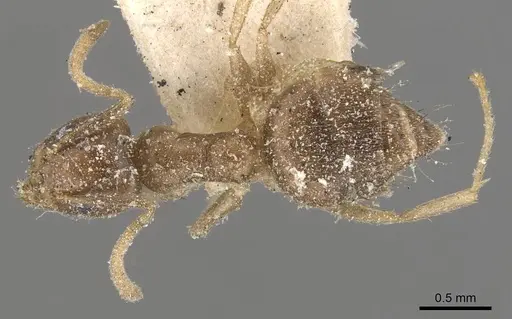
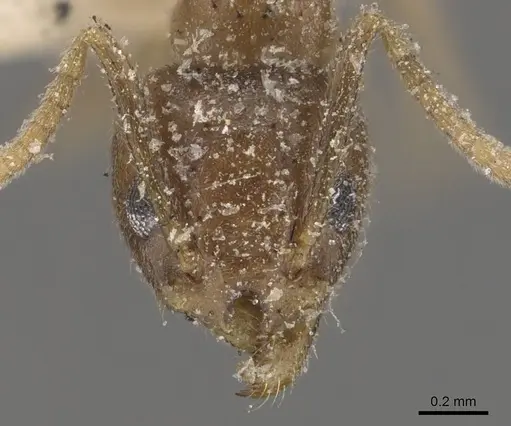
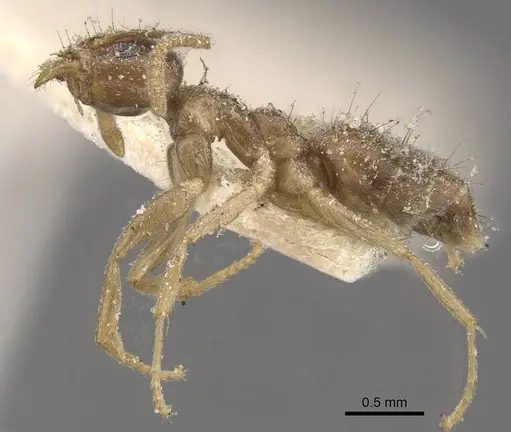
FOCOL0011
View on AntWeb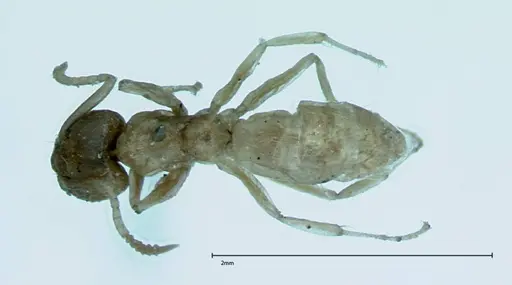
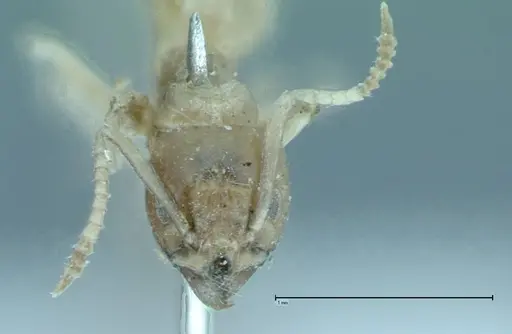
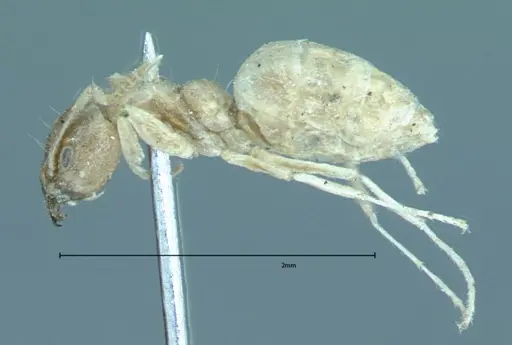
FOCOL0015
View on AntWeb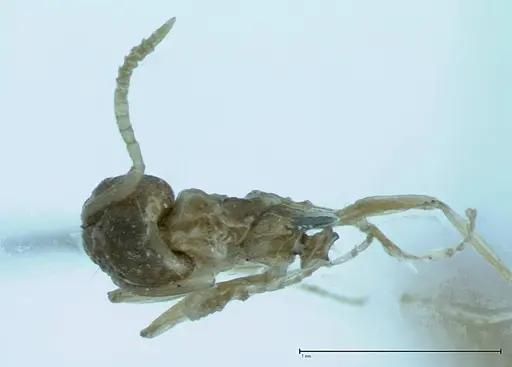
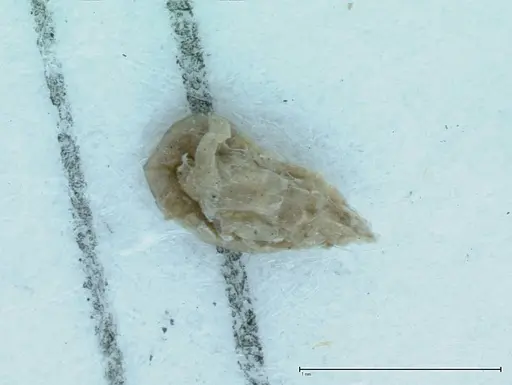
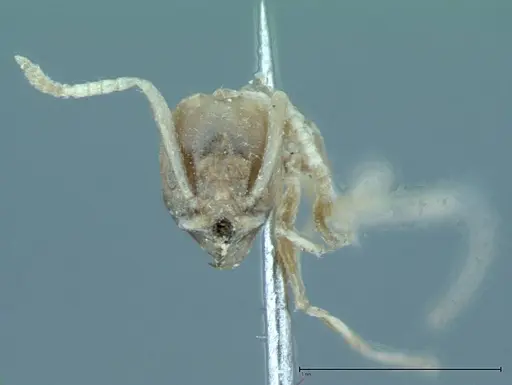
FOCOL2870
View on AntWeb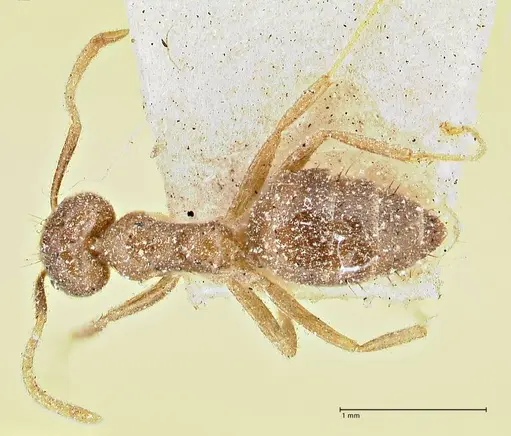
FOCOL2871
View on AntWeb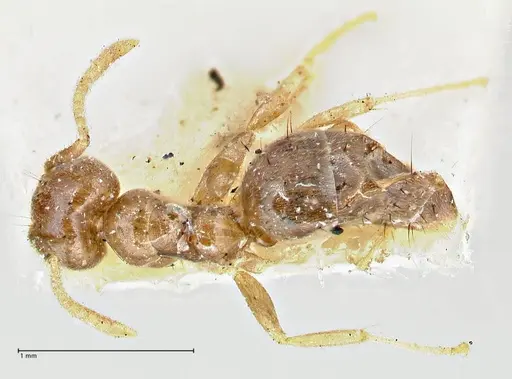
Literature
Loading...Loading products...