

Technomyrmex nigriventris
- Scientific Name
- Technomyrmex nigriventris
- Tribe
- Tapinomini
- Subfamily
- Dolichoderinae
- Author
- Santschi, 1910
- Distribution
- Found in 5 countries
Technomyrmex nigriventris Overview
Technomyrmex nigriventris is an ant species of the genus Technomyrmex. It is primarily documented in 5 countries , including Congo, Democratic Republic of the, Congo. Detailed taxonomic data and occurrence records can be further explored via authoritative databases such as AntWeb or the Global Biodiversity Information Facility (GBIF).
Technomyrmex nigriventris - "Black-Bellied Ghost Ant (unofficial, based on distinct gaster color and genus common name)"
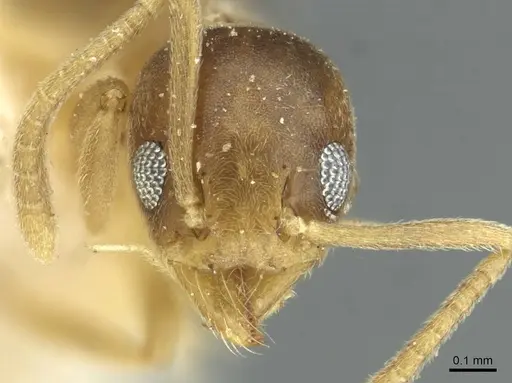
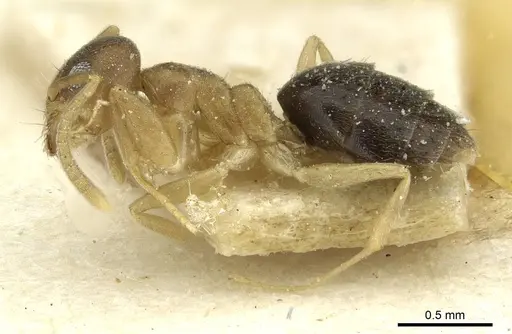
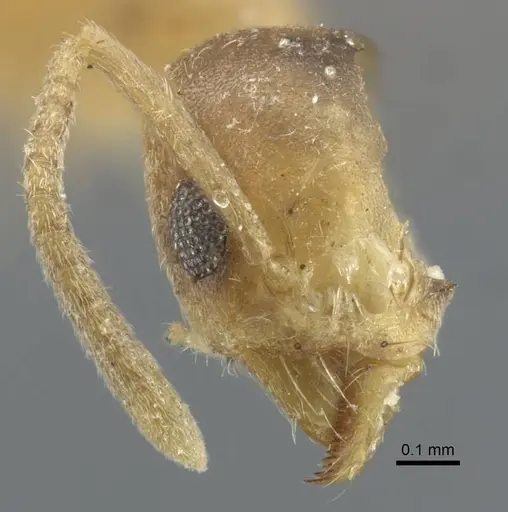
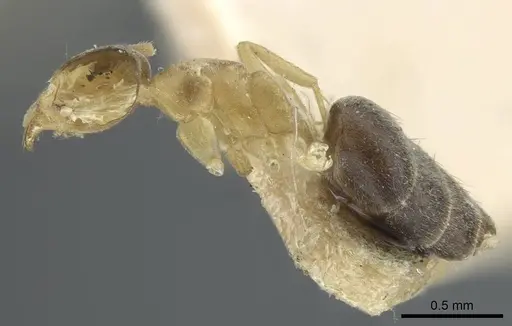
Technomyrmex nigriventris is a small ant species belonging to the Dolichoderinae subfamily. These ants are notable for their distinct color pattern: their head, mesosoma, petiole, and legs are typically yellow to brownish-yellow, while their gaster (abdomen) is dark brown, creating a strong contrast. Workers measure between 2.2 and 2.7 mm in total length. They are primarily found foraging in leaf litter and topsoil, but have also been observed on low vegetation. While winged queens can disperse to found new colonies, the colony's reproduction is largely maintained by 'intercastes'-females morphologically intermediate between queens and workers-that mate with wingless males within the nest.
- Difficulty: Medium
- Origin & Habitat: Afrotropical Region (Cameroun, Central African Republic, Congo, Democratic Republic of Congo, Ghana, Guinea, Kenya, Nigeria, Uganda) in Leaf litter, topsoil, under bark flakes near tree bases, rotten wood, low vegetation..
- Colony Type: Polygynous, with both winged queens and wingless intermorphic reproductives (gamergates) contributing to reproduction., semi-claustral (winged queens may found new colonies, but intercastes also contribute to colony propagation through budding, suggesting foraging might be involved in colony establishment). founding.
- Size & Growth:
- Queen: Not specified
- Worker: 2.2-2.7mm
- Colony: Large (potentially tens of thousands to millions, as seen in related Technomyrmex species).. Fast (due to the presence of multiple reproductive intercastes supporting rapid colony expansion). growth.
- Antkeeping:
- Temperature: Ideal temperatures for Technomyrmex species are generally warm. A range of 21-26°C is likely suitable, maintaining a consistent environment to encourage brood development..
- Humidity: Moderate to high humidity is recommended, given their natural habitat in leaf litter and rotten wood. Aim for 60-80% humidity in parts of the nest..
- Diapause: Not required. Not specified at Not specified.
- Nesting: These ants prefer nesting in natural cavities such as rotten wood, under bark, or within leaf litter. For captive setups, artificial nests like acrylic, Ytong (aerated concrete), or naturalistic setups with wood and soil inserts would be suitable. They are known to construct 'tents' from debris in their natural environment..
- Behavior: Low (towards handler, but can be competitive with other ant species) aggressiveness.
- Common Issues: Escapes due to small size, Mold in nest if ventilation is poor, Humidity fluctuations impacting brood development, Overfeeding leading to waste and mites, Colony stalling if dietary needs are not met.
One fascinating aspect of Technomyrmex nigriventris, and indeed many ants in the Technomyrmex genus, is their unique reproductive strategy. Unlike many ant species where only the queen lays eggs, these ants have 'intercastes'-wingless female reproductives that are intermediate between a worker and a queen. These intercastes mate with wingless males directly within the colony, contributing significantly to the colony's growth and ability to rapidly expand. This means that even if a founding queen eventually passes, the colony can continue to thrive and grow, a major advantage for long-term antkeeping.
Given their natural foraging habits in leaf litter and topsoil, providing a varied outworld with suitable substrate and climbing opportunities is crucial for Technomyrmex nigriventris. They are known to ascend low vegetation, so offering branches or artificial plants in their foraging area can encourage natural behaviors. A clean and enriched outworld will help prevent common issues like mold and give your colony plenty of space to explore for food.
While Technomyrmex nigriventris are generally small and not known for aggressive stinging, their sheer numbers in a mature colony can still be a force to reckon with, especially when they form interconnected nests, almost like a supercolony. Maintaining a secure setup is paramount to prevent escapes, as they can be quite adaptable to various nesting sites. Be vigilant for any signs of their presence outside the formicarium, as an established escape can be challenging to manage.
Their diet primarily consists of honeydew from sap-sucking insects in the wild, which means they have a strong preference for sweet liquids in captivity. However, like most ants, they also require a source of protein to raise their brood effectively. A balanced diet of sugar solutions or honey water, supplemented with small insects like fruit flies or pre-killed mealworms, will ensure your colony receives all the necessary nutrients for healthy development.
Frequently Asked Questions
What's the best way to get a Technomyrmex nigriventris colony started?
Starting a Technomyrmex nigriventris colony is an exciting journey! These ants are typically founded by a queen, but uniquely, also by special ‘intercastes’ who can reproduce within the colony. It’s best to house them in a test tube setup initially, providing a quiet, dark environment with consistent temperatures. Keep disturbance to a minimum while the first generation of nanitics (first workers) develops. Patience is truly a virtue in antkeeping, especially during this crucial founding stage.
How big do Technomyrmex nigriventris colonies get?
These fascinating ants can grow into very large colonies, potentially reaching hundreds of thousands or even millions of individuals, similar to their close relatives, the White-Footed Ants. Their ability to have multiple reproductive intercastes, in addition to a queen, contributes to this impressive colony size. This means your formicarium will need ample space as the colony matures, so plan for expansion early on!
What do Technomyrmex nigriventris eat?
Technomyrmex nigriventris are quite fond of sugary liquids, mirroring their natural diet of honeydew from sap-sucking insects. Offer them sugar water or diluted honey. For protein, which is essential for raising their brood, provide small feeder insects like fruit flies, roaches, or even pre-killed mealworms. A diverse diet ensures your colony remains healthy and vibrant.
Do Technomyrmex nigriventris sting or bite?
Good news for antkeepers! Technomyrmex nigriventris are not known to sting. While they might bite if provoked, their small size means any bite is unlikely to be significant. They are generally considered low in aggressiveness towards handlers, making them a relatively calm species to observe.
What kind of nest is best for Technomyrmex nigriventris?
Considering their natural nesting habits, a versatile formicarium that allows for both soil-based and arboreal exploration would be ideal. Nests with natural inserts like rotten wood or coco fiber are excellent. Acrylic or Ytong (aerated concrete) setups with multiple chambers and good humidity control can also work wonderfully. Ensure there's enough space for a growing colony, as these ants can expand rapidly.
Do Technomyrmex nigriventris need hibernation?
Technomyrmex nigriventris originate from tropical and subtropical regions of Africa, which typically do not experience cold winters. Therefore, these ants do not require a diapause (hibernation) period. Maintaining a consistent warm temperature year-round will support their continuous activity and growth.
How do I keep my Technomyrmex nigriventris colony from escaping?
These small ants can be escape artists! To prevent breakouts, ensure your formicarium has a tight-fitting lid. Applying a fluon (PTFE) barrier to the top edges of the outworld is highly effective, as it creates a slick surface they can't climb. Regularly inspect your setup for any small cracks or gaps, and relocate them to a more secure nest if needed.
Why is my Technomyrmex nigriventris colony not growing?
If your Technomyrmex nigriventris colony is stalling, several factors could be at play. First, double-check that your temperature and humidity levels are within the recommended range. Inconsistent conditions can stress the colony and hinder brood development. Also, review their diet; ensure they have access to both carbohydrates (sugars) and sufficient protein. Over-checking the queen or colony can also cause stress, so try to provide a calm, undisturbed environment. Patience is key; sometimes colonies just take time to establish themselves.
Are Technomyrmex nigriventris good for beginners?
While not as straightforward as some common beginner species like Lasius niger, Technomyrmex nigriventris can be a rewarding species for a dedicated beginner with some research. Their unique reproductive strategy with intercastes and impressive colony sizes offer a fascinating antkeeping experience. The main challenges lie in their potential for rapid expansion and preventing escapes due to their small size. With careful attention to their environmental and dietary needs, a beginner can certainly succeed.
How often should I feed Technomyrmex nigriventris?
The feeding frequency will depend on the colony's size and growth rate. For smaller founding colonies, offering food every 2-3 days might suffice. As the colony grows and its population explodes, you'll need to increase feeding to daily or every other day, especially with their fast growth. Always remove uneaten food to prevent mold and mites, which are common issues in ant setups.
What's the average lifespan of a Technomyrmex nigriventris queen and workers?
While specific lifespan data for Technomyrmex nigriventris queens is not widely documented, queens in related Technomyrmex species can live for several years. Workers typically have a shorter lifespan, ranging from several months to a year, but with continuous new generations being produced by both the queen and the intercastes, the colony itself can persist for a very long time.
Can Technomyrmex nigriventris be kept with other ant species?
It is strongly advised against keeping different ant species together in the same setup. Ants from different colonies, even of the same species, are highly likely to fight, often to the death. Technomyrmex nigriventris should be housed in a species-specific setup to ensure their safety and the successful growth of your colony.
What are intercastes in Technomyrmex nigriventris?
Intercastes are one of the most intriguing features of Technomyrmex nigriventris. They are female ants that are morphologically intermediate between typical workers and full-fledged queens. Critically, these intercastes are reproductive, meaning they can mate with wingless males and lay eggs, significantly boosting the colony's reproductive output and allowing for rapid expansion. This unique caste system contributes to their success and makes them particularly interesting to observe in a formicarium.

This caresheet is licensed under CC BY-SA 4.0 .
CASENT0094453
View on AntWeb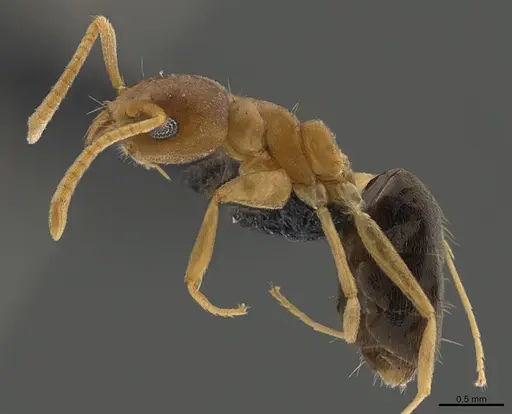
CASENT0178279
View on AntWeb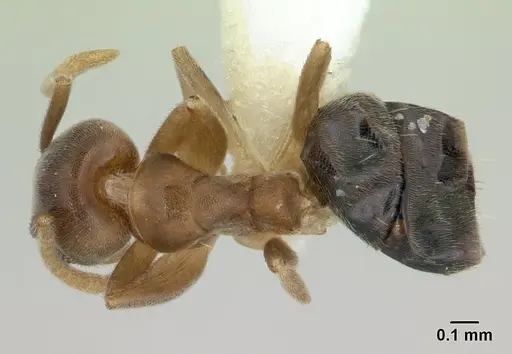
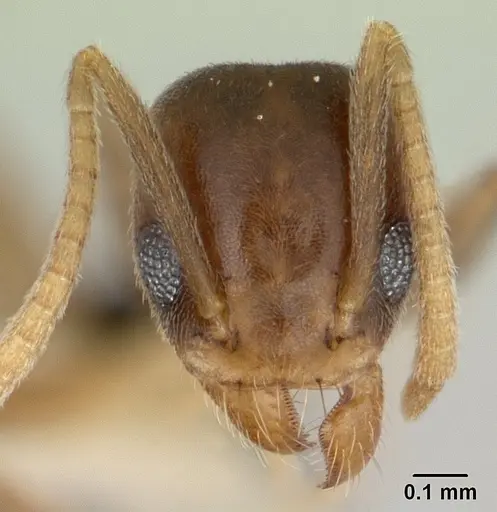
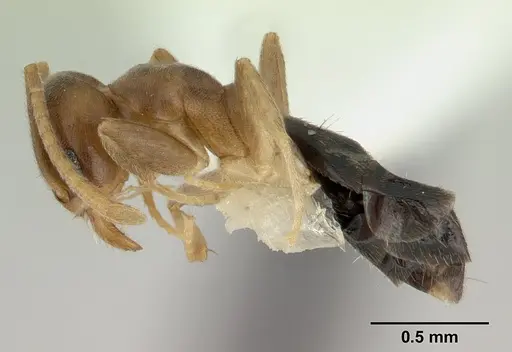
CASENT0911591
View on AntWeb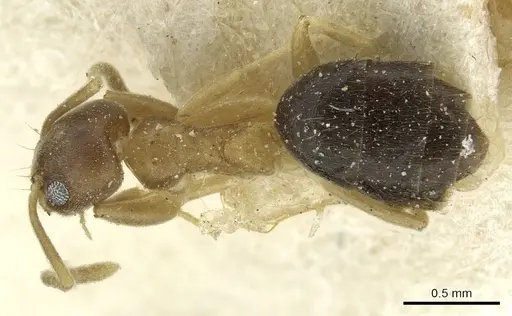
CASENT0917129
View on AntWeb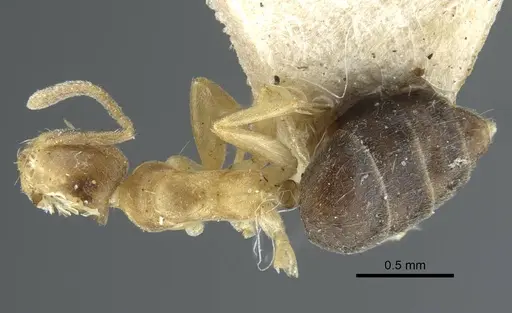
Literature
Loading...Loading products...