

Technomyrmex moerens
- Scientific Name
- Technomyrmex moerens
- Tribe
- Tapinomini
- Subfamily
- Dolichoderinae
- Author
- Santschi, 1913
- Distribution
- Found in 5 countries
Technomyrmex moerens Overview
Technomyrmex moerens is an ant species of the genus Technomyrmex. It is primarily documented in 5 countries , including Congo, Democratic Republic of the, Côte d'Ivoire. Detailed taxonomic data and occurrence records can be further explored via authoritative databases such as AntWeb or the Global Biodiversity Information Facility (GBIF).
Technomyrmex moerens - "African White-Footed Ant"
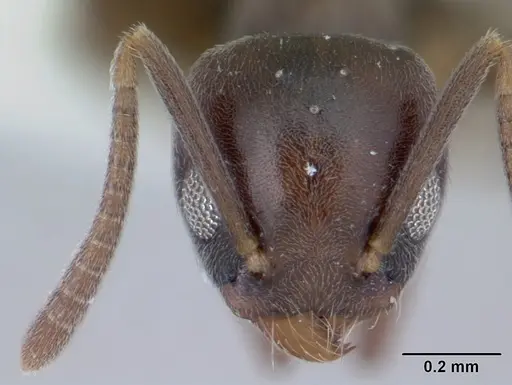
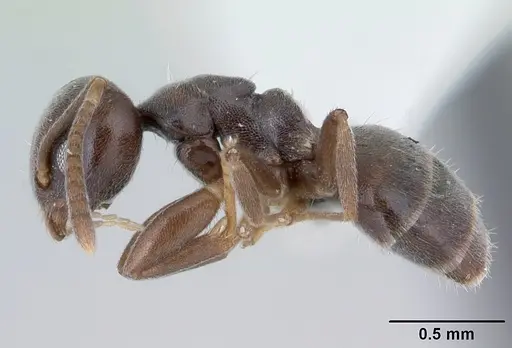
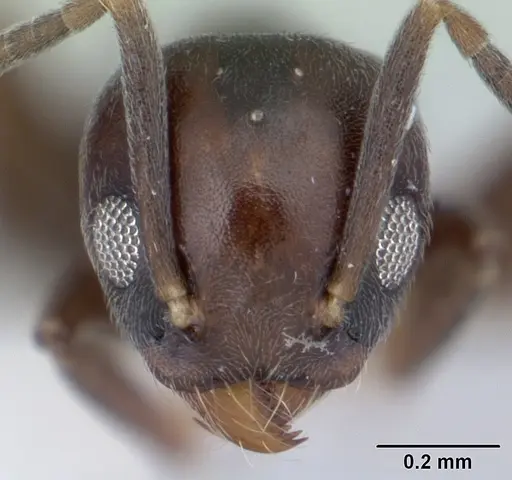
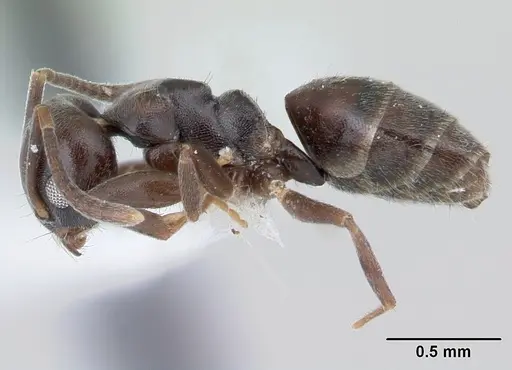
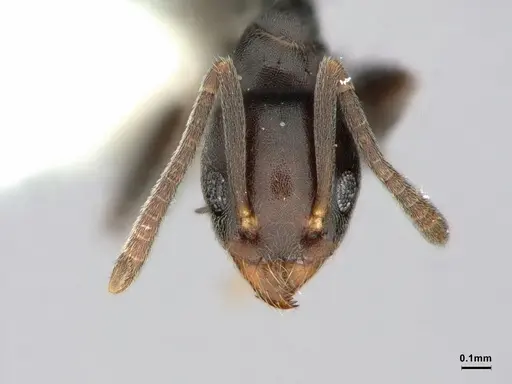
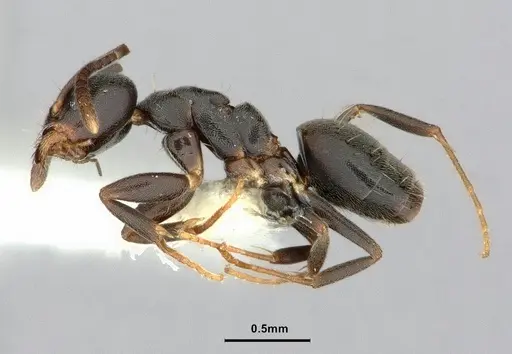
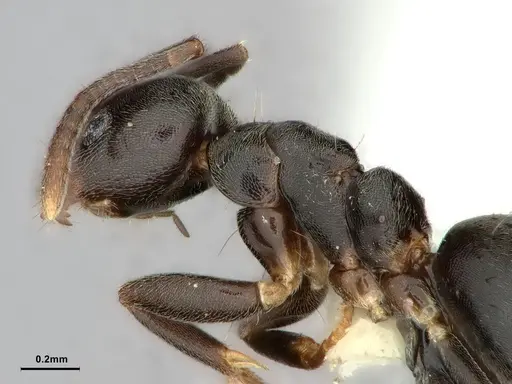
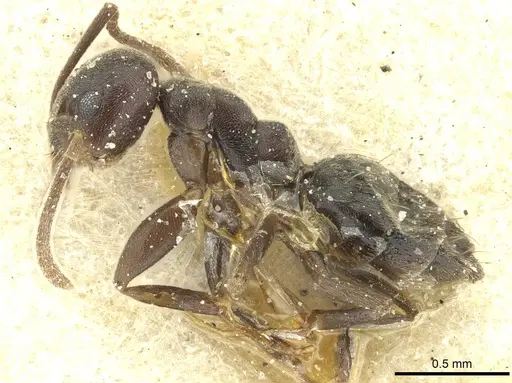
Technomyrmex moerens is a species of ant belonging to the Dolichoderinae subfamily. These ants are typically small, with workers ranging from 2.4 to 3.1 mm in total length. They are generally dark brown to black, though some populations may have contrasting yellow middle and hind coxae (the first segment of the leg), which can be lighter than their bodies. Their dull appearance is due to a fine, dense pubescence covering their bodies, which is coarser on the gaster. They are known for their arboreal and sub-arboreal nesting habits, often found in wood, including fallen timber or branches of standing trees. This species is part of the 'Technomyrmex albipes complex' and shares similarities with other members, such as having larger eyes and longer scapes compared to T. albipes. They are omnivorous, with a diet primarily consisting of honeydew from hemipterans, but they also forage for dead or living arthropods.
- Difficulty: Medium
- Origin & Habitat: Sub-Saharan Africa in Forest and woodland zones, particularly common in cocoa plantations. They typically nest in wood, including fallen timber, twigs, and branches of standing trees. They can also be found on the ground and arboreally..
- Colony Type: Polygynous (multiple queens) with worker-queen intercastes, semi-claustral (likely, given intercaste reproduction and budding) founding.
- Size & Growth:
- Queen: Not specified
- Worker: 2.4-3.1mm
- Colony: Large (tens of thousands to millions in related species, T. moerens can be very numerous locally). Fast, especially due to budding and the presence of reproductive intercastes. growth.
- Antkeeping:
- Temperature: Ideally, maintain a temperature range between 24°C and 28°C for optimal activity and brood development. Temperatures consistent with their Afrotropical origin are best..
- Humidity: A humidity range of 60-80% is suitable, as they thrive in moist, forested regions. Good ventilation is important to prevent mold while maintaining humidity..
- Diapause: Not required. Not specified at Not specified.
- Nesting: They prefer nesting in wood (e.g., rotting logs, branches, or specialized wooden inserts) or in artificial setups that mimic arboreal conditions, such as acrylic nests with wood inserts, or naturalistic setups with cork bark. They can also utilize soil-based nests if wood isn't available..
- Behavior: Low (towards handler), Medium (towards rival ants) aggressiveness.
- Common Issues: Rapid colony growth leading to escapes, Difficulty in containing large numbers of workers, Maintaining high humidity in arboreal setups, Intercaste reproduction making colony management complex.
One fascinating aspect of Technomyrmex moerens, and indeed many species within the Technomyrmex albipes group, is their flexible reproductive strategy. Beyond winged queens, colonies often feature 'worker-queen intercastes.' These are females that, while looking much like regular workers, possess reproductive capabilities, including the ability to store sperm. This allows for internal reproduction within the colony, contributing significantly to colony growth and expansion. This unique setup means that a colony isn't solely reliant on a single queen, enhancing its resilience and capacity for rapid growth.
Colony expansion in Technomyrmex moerens frequently occurs through 'budding,' where a portion of the colony, including intercastes, workers, males, and brood, moves to establish a new nest site. This decentralized founding method contributes to their success in establishing large, interconnected colonies that can span multiple nesting locations. For antkeepers, this implies that colony fragments can readily become new, viable colonies, and that these ants might quickly outgrow smaller setups if not properly managed.
These ants are largely arboreal and sub-arboreal in their natural habitat, preferring to nest in wood or tree cavities. When keeping them, it's beneficial to replicate this environment. Formicariums with cork bark inserts, hollowed-out wood, or even specialized arboreal acrylic setups can provide them with ideal nesting conditions. Providing a varied foraging area, or 'outworld,' with climbing structures will also encourage their natural foraging behaviors and keep them active.
Technomyrmex moerens are omnivores, with a strong preference for sugary foods like honeydew, which they obtain from sap-sucking insects in the wild. In captivity, a consistent supply of sugar water, honey-dew substitutes, or fruit is crucial. Supplement this with various protein sources such as small insects (e.g., fruit flies, mealworms, crickets), which are vital for brood development. A balanced diet will ensure a healthy and thriving colony.
While generally not aggressive towards keepers, Technomyrmex moerens colonies can become quite defensive towards rival ant species. Their large colony sizes and cooperative foraging make them formidable competitors. When introducing new food sources or performing maintenance, it's wise to be gentle to avoid startling them. Given their potential for rapid growth and ability to bud, careful observation and proactive management of their nesting space are key to preventing escapes and maintaining a thriving colony.
Frequently Asked Questions
What kind of formicarium is best for Technomyrmex moerens?
For these fascinating ants, an arboreal setup is often ideal, mirroring their natural inclination to nest in wood. Consider formicariums that incorporate cork bark, hollowed-out wooden sections, or even specialized acrylic nests designed for climbing species. While they can adapt to other setups, providing a vertical element and varied climbing surfaces in their outworld really lets them shine.
Do Technomyrmex moerens have special humidity needs?
Absolutely! Hailing from moist, forested regions of Africa, these ants thrive in higher humidity levels, typically between 60-80%. It's important to keep their nest environment consistently humid, but be mindful of ventilation to prevent mold growth, which can be a common issue with high humidity.
What do African White-Footed Ants eat?
These ants are true omnivores with a sweet tooth! Their diet in the wild heavily features honeydew from sap-sucking insects. In your ant setup, offer plenty of sugar water, honey, or artificial honeydew. For protein, small feeder insects like fruit flies, mealworms, or crickets are perfect for their brood's development.
How big do Technomyrmex moerens colonies get?
Get ready for a bustling colony! Technomyrmex species, including T. moerens, can form incredibly large colonies, potentially reaching tens of thousands to even millions of individuals. Their rapid growth and tendency to 'bud' new nest sites contribute to these impressive numbers, so be prepared for a thriving ant city!
Are Technomyrmex moerens aggressive?
Towards handlers, Technomyrmex moerens are generally quite docile, preferring to retreat rather than engage. However, when it comes to rival ant colonies, they can be quite assertive, utilizing their large numbers and cooperative foraging to compete for resources. Just handle them gently, and you'll find them to be relatively peaceful inhabitants of your ant farm.
Do these ants sting or bite?
Good news for antkeepers! Technomyrmex moerens are not known to sting. While they might attempt to bite if severely provoked, their bites are typically harmless to humans.
What's the deal with 'intercastes' in Technomyrmex moerens?
This is one of their most unique features! 'Intercastes' are worker-like females that can also reproduce, laying eggs and mating with wingless males within the colony. This means the colony isn't solely dependent on the main queen, making them incredibly robust and adaptable. It's a fascinating reproductive strategy that helps them achieve massive colony sizes.
How do Technomyrmex moerens start new colonies?
Unlike some ants that rely solely on a single queen's claustral founding, Technomyrmex moerens primarily expand through a process called 'budding.' This is where a group of workers, along with some intercastes, brood, and even some males, will leave the main nest to establish a new satellite nest. This 'semi-claustral' method of expansion allows for incredibly fast and widespread colony growth.
Are there any common problems when keeping Technomyrmex moerens?
Due to their potential for large colony sizes and budding behavior, a primary concern is containing them. They can be escape artists if your setup isn't secure. Also, maintaining consistent humidity in a larger setup can sometimes be a challenge, and mold can become an issue if ventilation isn't adequate. Keep an eye on these factors to ensure a healthy colony.
How long does it take for Technomyrmex moerens brood to develop?
From egg to a full-fledged worker, the development time for Technomyrmex moerens typically ranges from 4 to 8 weeks, depending on factors like temperature and food availability. Consistent warmth and a steady supply of protein are key to a healthy brood cycle.
Do Technomyrmex moerens need diapause (hibernation)?
Given their origins in sub-Saharan Africa, Technomyrmex moerens do not require a diapause period. They are accustomed to consistent warm temperatures year-round, so maintaining a stable environment is preferable for their continuous activity and development.
What do the different castes look like?
Technomyrmex moerens workers are small, typically dark brown to black, measuring around 2.4-3.1 mm. Queens are generally larger than workers, though specific size data isn't widely detailed. What's particularly interesting is the presence of 'worker-queen intercastes'-females that appear like workers but possess reproductive organs. You'll also encounter alates (winged males and females) and wingless 'ergatoid males.'
Why are their coxae sometimes yellow?
It's a cool distinguishing feature! Some populations of Technomyrmex moerens workers have yellow middle and hind coxae, which can create a striking contrast with their darker bodies. This color variation is natural and doesn't signify a different species or health issue, simply a beautiful genetic trait within their diverse populations.

This caresheet is licensed under CC BY-SA 4.0 .
CASENT0178277
View on AntWeb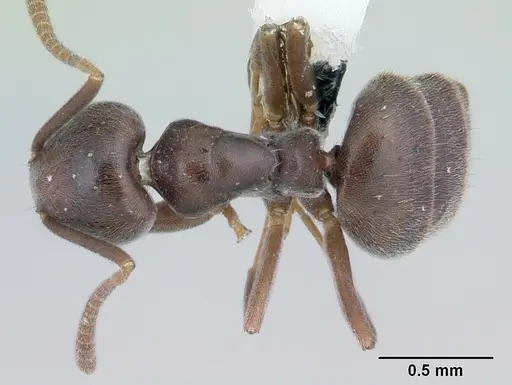
CASENT0178278
View on AntWeb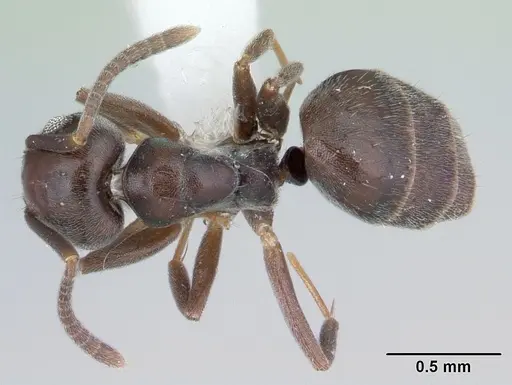
CASENT0217127
View on AntWeb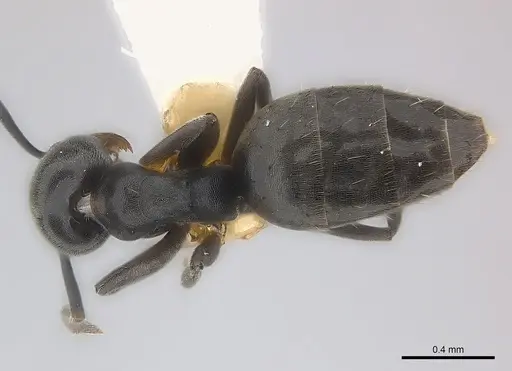
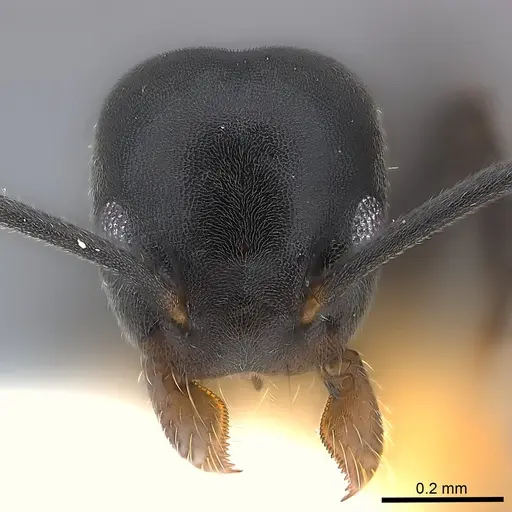
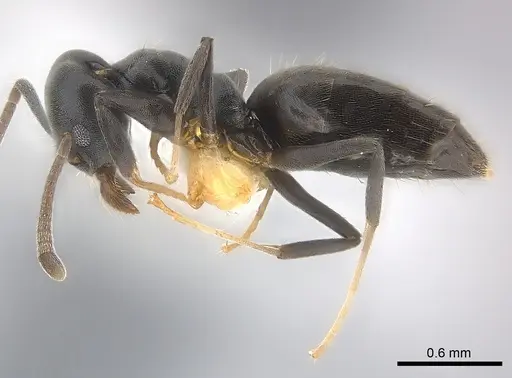
CASENT0235732
View on AntWeb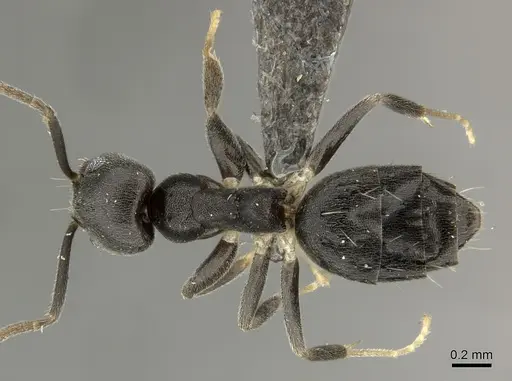
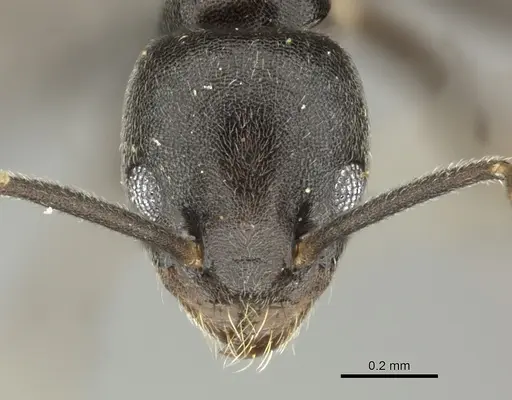
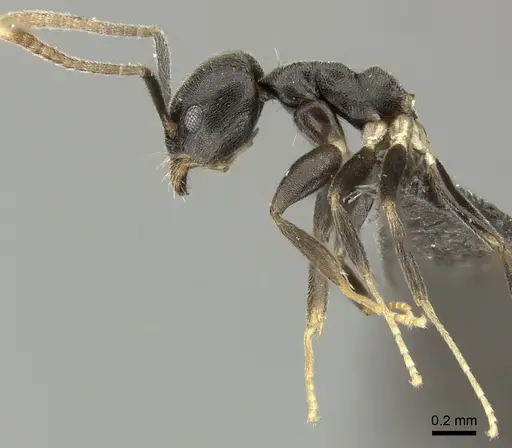
CASENT0249796
View on AntWeb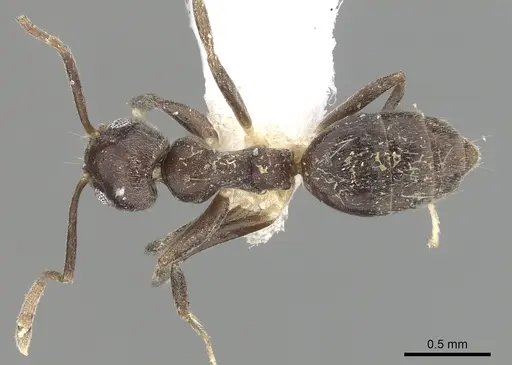
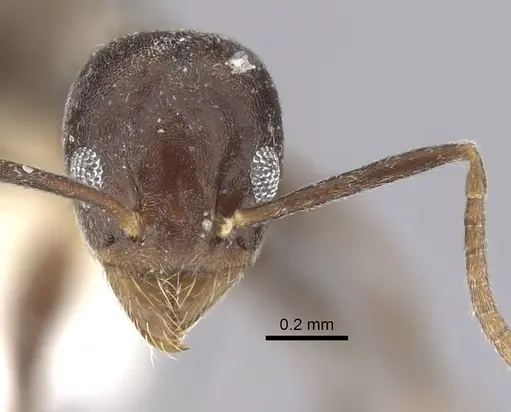
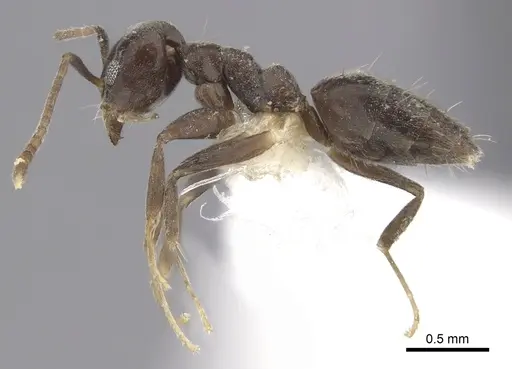
CASENT0886033
View on AntWeb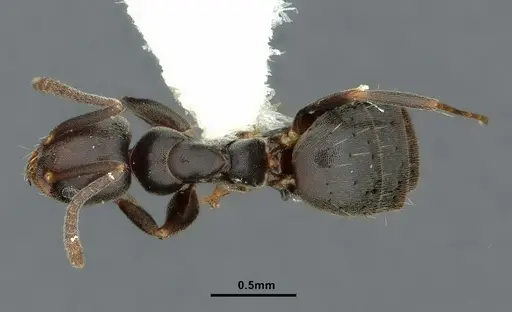
CASENT0911589
View on AntWeb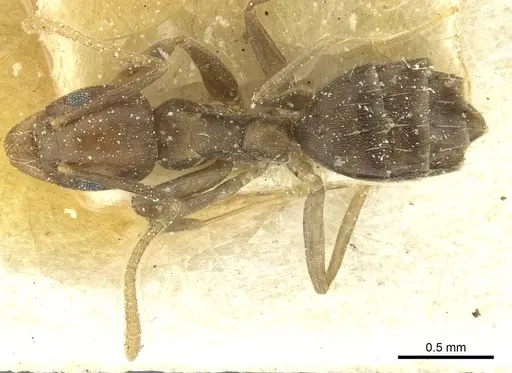
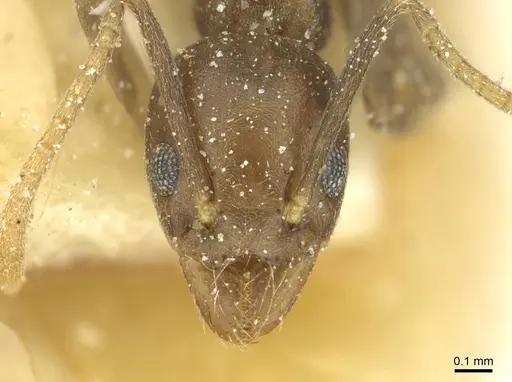
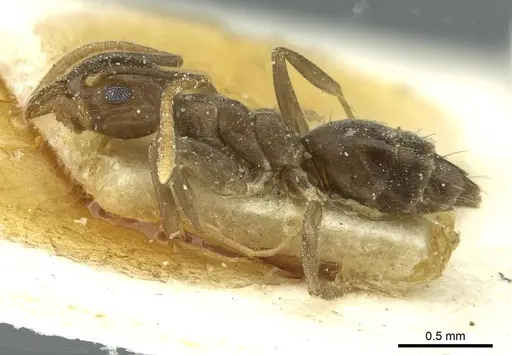
CASENT0911590
View on AntWeb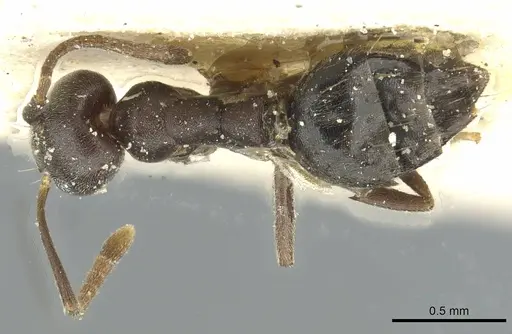
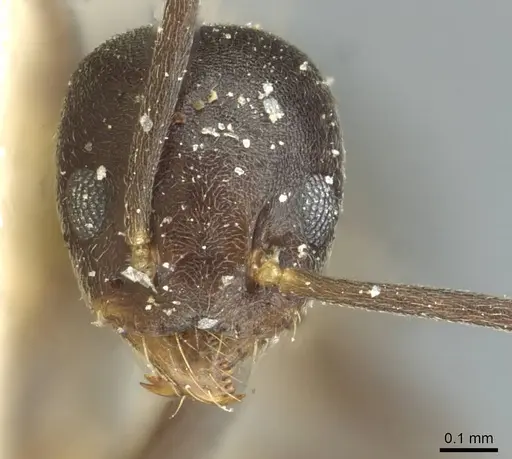
Literature
Loading...Loading products...