

Technomyrmex metandrei
- Scientific Name
- Technomyrmex metandrei
- Tribe
- Tapinomini
- Subfamily
- Dolichoderinae
- Author
- Bolton, 2007
- Distribution
- Found in 1 countries
Technomyrmex metandrei Overview
Technomyrmex metandrei is an ant species of the genus Technomyrmex. It is primarily documented in 1 countries , including Congo. Detailed taxonomic data and occurrence records can be further explored via authoritative databases such as AntWeb or the Global Biodiversity Information Facility (GBIF).
Technomyrmex metandrei
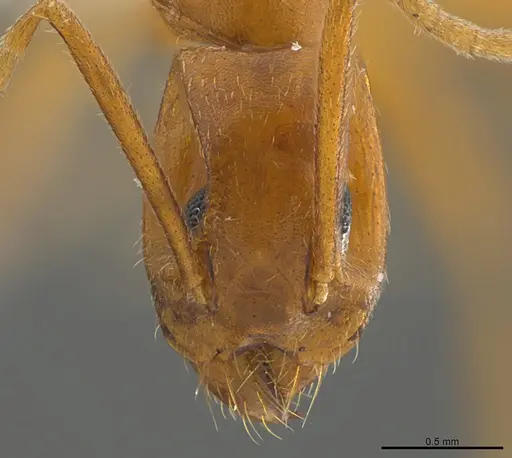
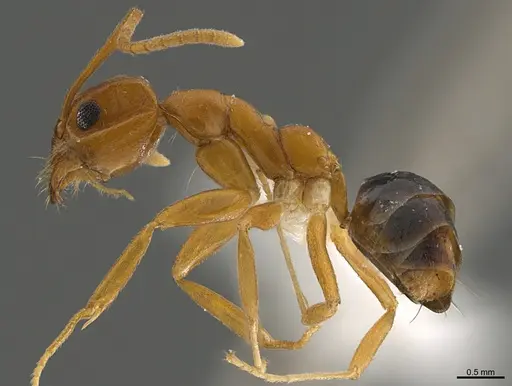
Technomyrmex metandrei is a small ant species belonging to the Dolichoderinae subfamily, documented in the Democratic Republic of Congo, specifically in Ituri province [1]. Workers are typically small, around 2-4mm, with the dark coloration common to many Technomyrmex species. As with other members of this genus, they lack a functional stinger and instead rely on chemical defenses, spraying formic acid or other irritants when threatened. This species is part of a genus known for their association with honeydew-producing insects and their tendency to nest in varied microhabitats including soil, rotting wood, and under stones in tropical environments.
Quick Summary
- Difficulty: Easy/Medium
- Origin & Habitat: Democratic Republic of Congo, Ituri province, tropical forest environment [1]
- Colony Type: Unconfirmed, colony structure has not been documented for this specific species
- Size & Growth:
- Queen: Estimated 5-7mm based on genus patterns [2]
- Worker: Estimated 2-4mm based on genus patterns [2]
- Colony: Unknown for this species, related Technomyrmex species typically reach several hundred workers
- Growth: Moderate, inferred from typical tropical Dolichoderinae development
- Development: Estimated 6-8 weeks at tropical temperatures based on related species [2] (Development timeline is inferred from genus-level data, not directly studied for this species)
- Antkeeping:
- Temperature: Keep at 24-28°C, tropical species requiring warm conditions [2]
- Humidity: Moderate to high humidity (60-80%), typical for tropical forest dwellers [2]
- Diapause: No, tropical species does not require hibernation [2]
- Nesting: Use a naturalistic setup with moist substrate or a Y-tong/plaster nest. They prefer humid conditions and will adapt to various nest types [2]
- Behavior: Technomyrmex ants are generally non-aggressive and calm in captivity. They are active foragers with a strong preference for sugar sources, particularly honeydew from aphids and scale insects, but will also accept sugar water and honey. Workers are small and can escape through small gaps, use fine mesh barriers. They are not defensive and rarely bite, but may spray formic acid when severely threatened. These ants are well-suited for beginners due to their manageable temperament and straightforward care requirements.
- Common Issues: escape prevention is critical, tiny workers can squeeze through standard gaps, humidity drops too quickly in test tube setups, use water reservoirs and check frequently, tropical species may struggle in air-conditioned rooms with temperature fluctuations, wild-caught colonies may arrive with parasites that can devastate the colony, overfeeding sugar can lead to mold issues in the nest
Temperature and Care
As a tropical species from the DRC, Technomyrmex metandrei requires warm temperatures to thrive. Keep the nest area at 24-28°C, with a slight gradient allowing workers to self-regulate. A heating cable on one side of the nest can help maintain these temperatures, especially in cooler climates. Avoid placing the nest near air conditioning vents or drafty windows, as temperature fluctuations can stress the colony and slow brood development. Room temperature may be sufficient if your home stays in the low-to-mid 20s°C range year-round. [1][2]
Feeding and Diet
Technomyrmex species are primarily sugar-loving ants that thrive on honeydew collected from aphids and scale insects. In captivity, offer a constant supply of sugar water (1:3 sugar to water ratio) or honey diluted with water. They will also accept small insects like fruit flies, pinhead crickets, and mealworms as protein sources. Feed protein prey 2-3 times per week, and remove any uneaten prey after 24 hours to prevent mold. Some colonies will also accept seeds or other carbohydrate sources, but sugar should be the primary food. Fresh water should always be available. [2]
Humidity and Nesting
These ants prefer moderate to high humidity levels, similar to their tropical forest habitat. Keep the nest substrate consistently moist but not waterlogged, the substrate should feel damp to the touch. A water reservoir connected to the nest (as in test tube setups) helps maintain humidity over time. Naturalistic setups with a soil layer work well, as do Y-tong or plaster nests that retain moisture. Ensure adequate ventilation to prevent mold while maintaining humidity. Avoid completely sealed nests without any airflow. [2]
Behavior and Temperament
Technomyrmex metandrei is a calm, non-aggressive species suitable for antkeepers of all experience levels. Workers are active foragers that will readily explore their outworld in search of food. They do not have a functional stinger but may spray formic acid or other defensive chemicals when cornered or threatened, this is rarely an issue in captive settings. The main concern for keepers is their small size, which makes them excellent escape artists. Use fluon on nest edges and fine mesh (0.5mm or smaller) on any openings. They are not prone to biting and generally ignore keeper observation. [2]
Colony Growth and Development
Colony growth is moderate, with founding queens raising their first brood alone before workers emerge. The first workers (nanitics) are typically smaller than mature workers but will quickly help expand the colony. Based on related species, you can expect the first workers within 6-8 weeks under optimal conditions. Colonies of related Technomyrmex species typically reach several hundred workers over time. Growth rate depends heavily on temperature and feeding, warmer temperatures and consistent protein feeding will accelerate development. Once established, colonies are fairly resilient and can recover from minor setbacks. [2]
Frequently Asked Questions
How long does it take for Technomyrmex metandrei to produce first workers?
Based on related species, expect first workers (nanitics) to emerge approximately 6-8 weeks after the queen lays eggs, provided temperatures are maintained at 24-28°C. This timeline is inferred from genus-level data, as specific development times have not been documented for this species.
What do Technomyrmex metandrei ants eat?
They are primarily sugar-loving ants. Offer sugar water, honey diluted with water, or honeydew if you keep aphids. They also accept small insects like fruit flies, pinhead crickets, and mealworms as protein sources. Sugar should be available constantly, with protein prey offered 2-3 times weekly.
Can I keep Technomyrmex metandrei in a test tube?
Yes, test tubes work well for founding colonies. Ensure the water reservoir is properly sized and use cotton to create a humid chamber. Monitor humidity closely as test tubes can dry out faster than other nest types. Transfer to a larger formicarium once the colony reaches 50-100 workers.
Do Technomyrmex metandrei need hibernation?
No, as a tropical species from the Democratic Republic of Congo, they do not require hibernation or winter cooling. Keep them at warm temperatures (24-28°C) year-round. Temperature drops below 20°C for extended periods can be harmful.
Are Technomyrmex metandrei good for beginners?
Yes, this species is well-suited for beginners due to their calm temperament, manageable care requirements, and lack of aggressive defensive behaviors. The main challenges are escape prevention due to their small size and maintaining adequate humidity.
How big do Technomyrmex metandrei colonies get?
Based on related species, colonies likely reach several hundred workers at maturity. The exact maximum size has not been documented for this specific species, but Technomyrmex colonies are typically moderate-sized compared to other ant genera.
Why are my Technomyrmex metandrei escaping?
Their small size makes them excellent escape artists. Use fluon on all nest edges, ensure lids fit tightly, and use fine mesh (0.5mm or smaller) on any ventilation holes. Check for gaps even in seemingly sealed setups, they can find spaces you might miss.
When should I move my colony to a formicarium?
Transfer from the founding test tube to a formicarium once the colony reaches 50-100 workers or when the test tube shows signs of drying out or mold. A naturalistic setup or Y-tong nest works well for this species.
Can I keep multiple Technomyrmex metandrei queens together?
The colony structure for this specific species has not been documented. Based on genus patterns, they are likely single-queen (monogyne) colonies. Combining unrelated queens is not recommended without evidence that they can form polygynous colonies.
References

This caresheet is licensed under CC BY-SA 4.0 .
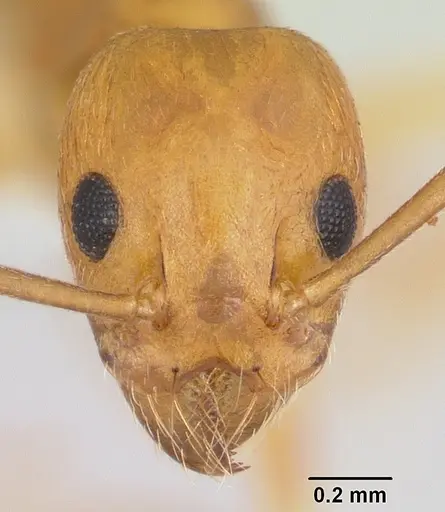
CASENT0420688
View on AntWeb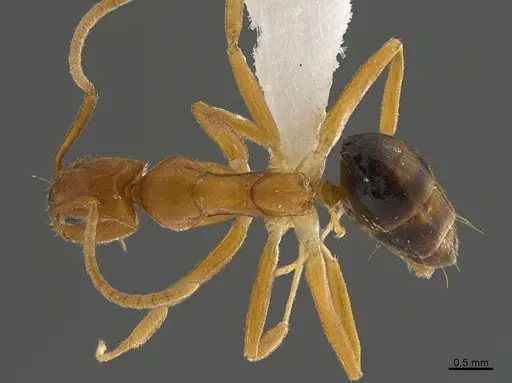
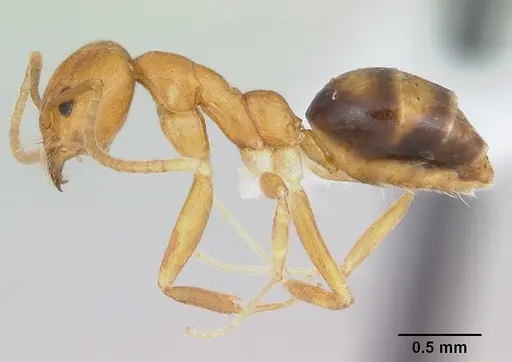
CASENT0424010
View on AntWeb
Literature
Loading...Loading products...