

Technomyrmex lujae
- Scientific Name
- Technomyrmex lujae
- Tribe
- Tapinomini
- Subfamily
- Dolichoderinae
- Author
- Forel, 1905
- Distribution
- Found in 1 countries
Technomyrmex lujae Overview
Technomyrmex lujae is an ant species of the genus Technomyrmex. It is primarily documented in 1 countries , including Congo, Democratic Republic of the. Detailed taxonomic data and occurrence records can be further explored via authoritative databases such as AntWeb or the Global Biodiversity Information Facility (GBIF).
Technomyrmex lujae
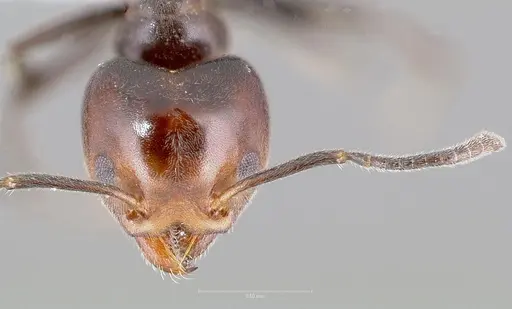
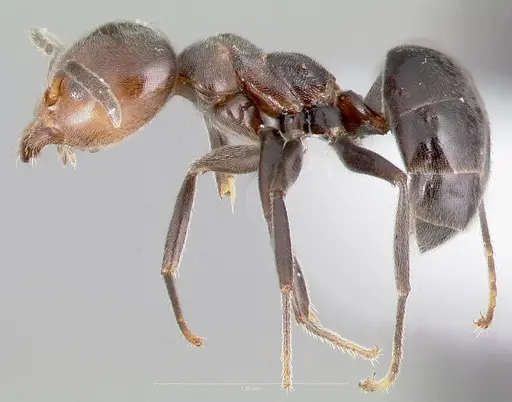
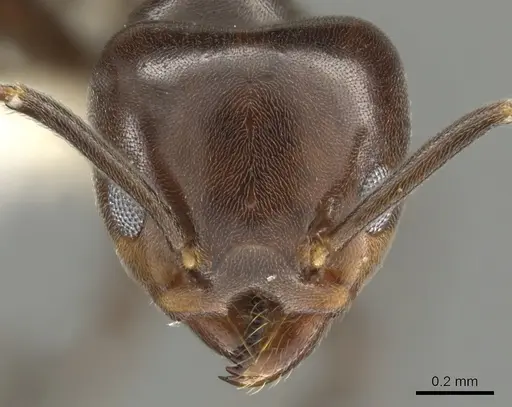
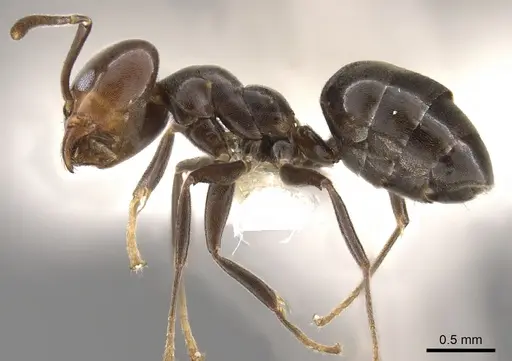
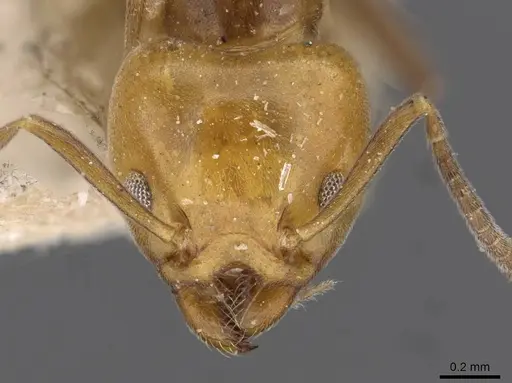
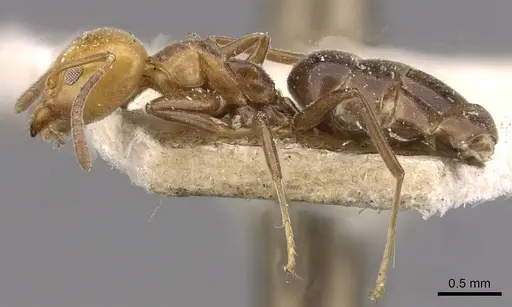
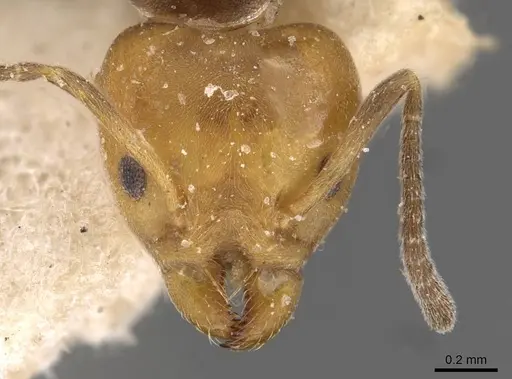
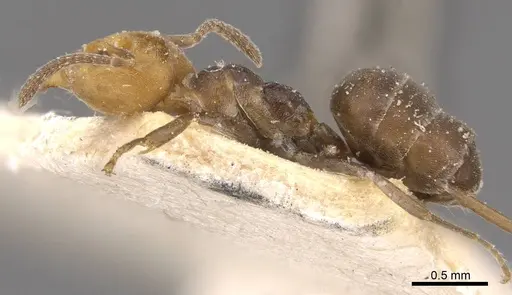
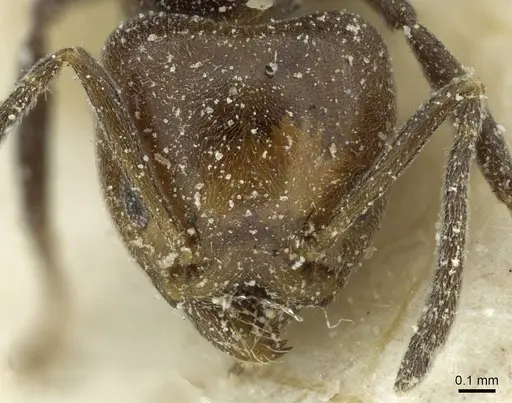
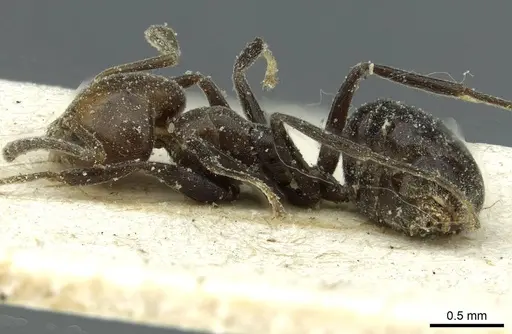
Technomyrmex lujae is a small ant species native to the tropical forests of Central Africa, specifically found in the Democratic Republic of Congo and Cameroon [1]. Workers have a distinctive cordiform (heart-shaped) head and a notched epistome (face plate), with pale maxillary palps and labial palps [1]. As a member of the Dolichoderinae subfamily, these ants lack a functional stinger and instead defend themselves by spraying formic acid, a chemical defense mechanism common to their subfamily. This species was originally described under the genus Engramma before being reclassified to Technomyrmex [2].
These ants are part of a genus known for aggressive foraging behavior and the ability to form extensive trailing networks. In their natural habitat, they likely nest in soil or rotting wood in the humid tropical forest environment. While not as commonly kept as some other ant species, they can make interesting colony pets for keepers interested in African tropical species.
Quick Summary
- Difficulty: Medium
- Origin & Habitat: Democratic Republic of Congo and Cameroon, tropical forest regions [1][3]
- Colony Type: Colony structure is unconfirmed for this specific species. Based on typical Technomyrmex patterns, colonies likely establish with a single queen (monogyne) but may have multiple queens in some populations.
- Size & Growth:
- Queen: Unconfirmed, estimated 5-7mm based on genus patterns
- Worker: Unconfirmed, estimated 2-4mm based on genus patterns
- Colony: Unconfirmed, likely several hundred workers based on related species
- Growth: Moderate
- Development: Estimated 6-8 weeks at tropical temperatures (25-28°C) based on typical Dolichoderinae development (Development time is estimated from related species, specific data for T. lujae is not available)
- Antkeeping:
- Temperature: Keep at 24-28°C, these are tropical ants requiring warm, stable temperatures. A heating cable on one side of the nest can help maintain warmth.
- Humidity: High humidity (70-80%), mimic the damp tropical forest floor. Keep the nest substrate consistently moist but not waterlogged.
- Diapause: No, as a tropical species, they do not require hibernation. Maintain warm temperatures year-round.
- Nesting: Natural nesting occurs in soil and rotting wood. In captivity, a Y-tong (AAC) nest or naturalistic setup with moist substrate works well. Avoid drying out the nest.
- Behavior: Technomyrmex ants are known for aggressive foraging and forming long pheromone trails to food sources. Workers are active and will readily explore their outworld. They lack a sting but will spray formic acid when threatened, this is a minor irritant to humans but effective against predators. Escape risk is moderate, use standard barrier precautions. They are social and form moderate-sized colonies.
- Common Issues: tropical temperature requirements mean colonies can fail if kept too cool, high humidity needs can lead to mold if ventilation is poor, formic acid spraying may cause minor skin irritation when handling, slow colony growth compared to faster-developing species can frustrate beginners, wild-caught colonies may carry parasites that affect survival
Housing and Nest Setup
For Technomyrmex lujae, use a nest that maintains high humidity while providing good ventilation. A Y-tong (AAC) nest works well because it holds moisture consistently and allows you to monitor the colony easily. Alternatively, a naturalistic setup with a soil-filled container and some rotting wood pieces mimics their natural environment. Keep the nest area dark, these ants prefer dim conditions and will be more active when the nest is covered. The outworld should be simple with a foraging area and a reliable water source. Because they spray formic acid, avoid using materials that could absorb or be damaged by this chemical. [1]
Feeding and Diet
Technomyrmex lujae is likely an omnivorous species, similar to other members of the genus. Offer a varied diet including sugar sources (honey water, sugar water) and protein (small insects like fruit flies, small crickets, mealworms). In the wild, these ants likely forage for honeydew from aphids and small arthropods. Feed protein 2-3 times per week and keep sugar water available at all times. Remove uneaten prey after 24-48 hours to prevent mold. Fresh water should always be accessible.
Temperature and Humidity Management
As a tropical African species, Technomyrmex lujae requires warm and humid conditions. Maintain temperatures between 24-28°C (75-82°F) in the nest area. A small heating cable placed on one side of the nest can create a gentle temperature gradient. Humidity should stay around 70-80%, check the substrate regularly and rehydrate when it begins drying. Use a moisture meter or observe condensation on the nest walls as indicators. Poor temperature control is one of the most common reasons tropical ant colonies fail in captivity.
Colony Development and Growth
Colony growth is expected to be moderate, not as fast as some tropical species but steady under good conditions. The queen will lay eggs after mating, and the first workers (nanitics) should emerge in approximately 6-8 weeks at optimal temperatures. Initial colonies grow slowly as the queen focuses her energy on producing a small first brood. Once the first workers emerge, the colony typically accelerates growth. A mature colony may reach several hundred workers over time. Patience is key, don't be alarmed by slow initial growth.
Behavior and Defense
Technomyrmex ants are active foragers and will quickly establish trails to food sources. Workers communicate through pheromone trails, making them efficient at locating and exploiting food resources. Their primary defense mechanism is spraying formic acid, while not dangerous to humans, it can cause minor skin irritation and is unpleasant. When working with these ants, avoid blowing on them or making sudden movements that might trigger defensive spraying. They are not aggressive toward keepers but will defend their nest if threatened. The formic acid smell is noticeable when disturbed.
Frequently Asked Questions
How long does it take for Technomyrmex lujae to produce first workers?
Based on typical Dolichoderinae development, expect first workers in approximately 6-8 weeks after the queen lays eggs, provided temperatures are maintained at 24-28°C. This is an estimate, specific development data for this species is not available.
What temperature do Technomyrmex lujae ants need?
Keep them at 24-28°C (75-82°F). These are tropical ants that require warm conditions year-round. A heating cable on part of the nest can help maintain appropriate temperatures.
Can I keep Technomyrmex lujae in a test tube?
A test tube can work for founding colonies, but monitor humidity carefully. These ants need high humidity, and test tubes can dry out or flood. A Y-tong or naturalistic setup is generally better for established colonies.
How big do Technomyrmex lujae colonies get?
Colony size is estimated at several hundred workers based on related species. Specific data for this species is not available, but they are not known to form supercolonies.
Do Technomyrmex lujae need hibernation?
No, as a tropical African species, they do not require hibernation. Maintain warm temperatures year-round. Cold temperatures can kill these ants.
What do Technomyrmex lujae eat?
They are omnivorous. Offer sugar water or honey regularly, and supplement with small insects like fruit flies or small crickets 2-3 times per week.
Is Technomyrmex lujae good for beginners?
This species is rated as medium difficulty. While not the most challenging, their tropical temperature and humidity requirements are more demanding than temperate species. Experience with ant keeping is helpful.
Why is my Technomyrmex lujae colony dying?
The most common causes are: temperatures below 24°C, low humidity causing desiccation, or poor ventilation leading to mold. Check these parameters first. Wild-caught colonies may also carry parasites.
When should I move my colony to a formicarium?
Move to a larger nest when the test tube or founding setup becomes crowded, typically when the colony reaches 30-50 workers. Ensure the new setup maintains the same humidity and temperature conditions.
References

This caresheet is licensed under CC BY-SA 4.0 .
CASENT0249793
View on AntWeb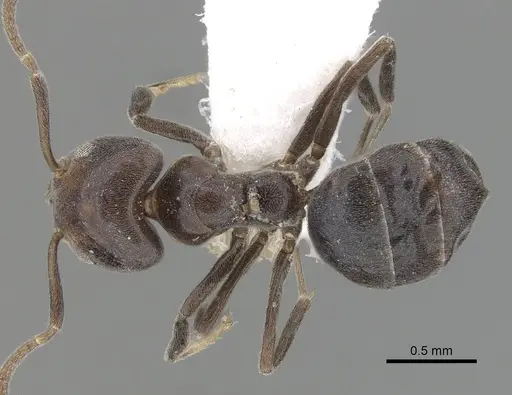
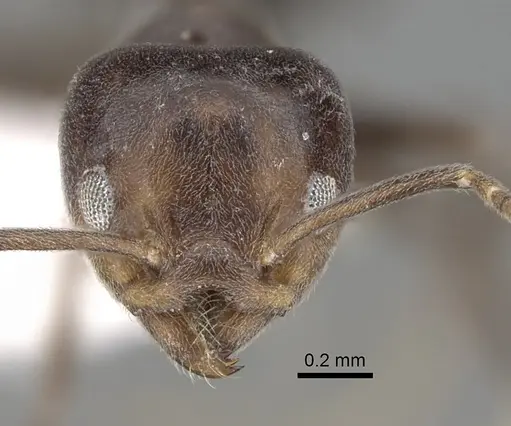
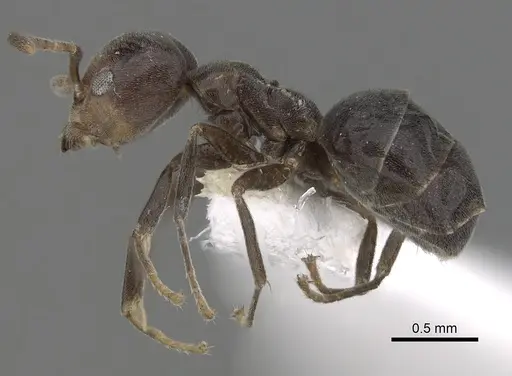
CASENT0417897
View on AntWeb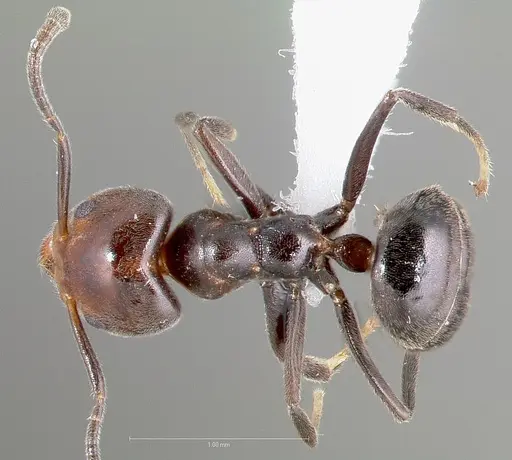
CASENT0900324
View on AntWeb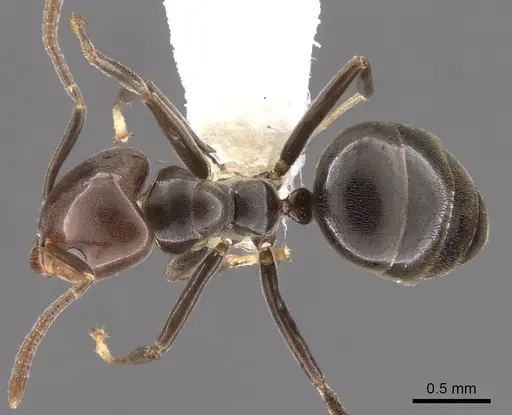
CASENT0909756
View on AntWeb
CASENT0909757
View on AntWeb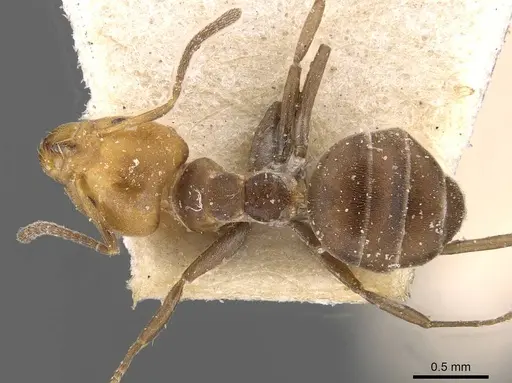
CASENT0911588
View on AntWeb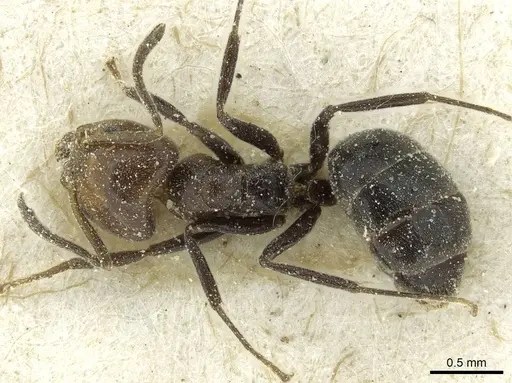
Literature
Loading...Loading products...