

Technomyrmex lisae
- Scientific Name
- Technomyrmex lisae
- Tribe
- Tapinomini
- Subfamily
- Dolichoderinae
- Author
- Forel, 1913
- Distribution
- Found in 3 countries
Technomyrmex lisae Overview
Technomyrmex lisae is an ant species of the genus Technomyrmex. It is primarily documented in 3 countries , including Brunei Darussalam, Indonesia, Malaysia. Detailed taxonomic data and occurrence records can be further explored via authoritative databases such as AntWeb or the Global Biodiversity Information Facility (GBIF).
Technomyrmex lisae
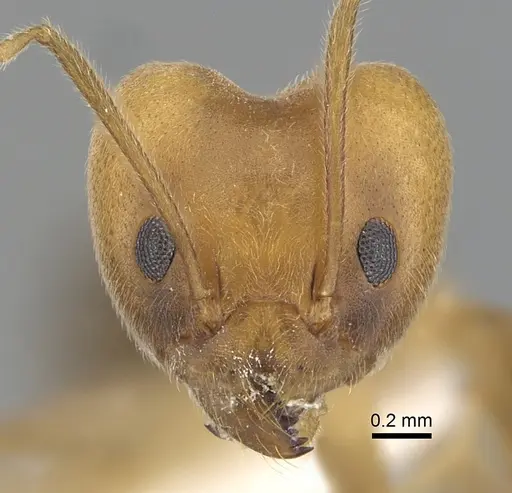
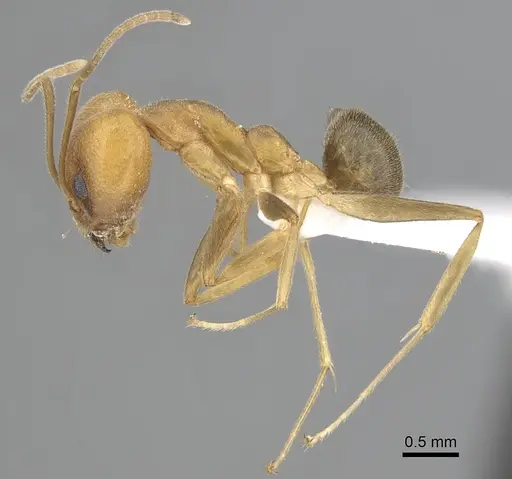
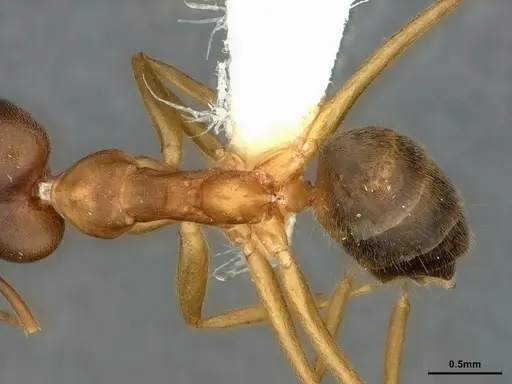
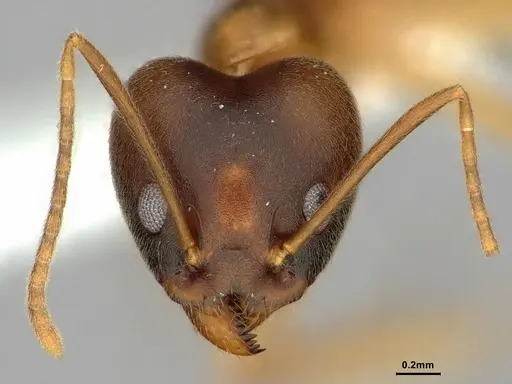
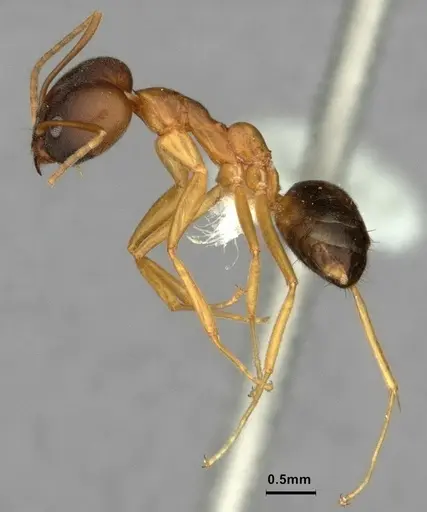
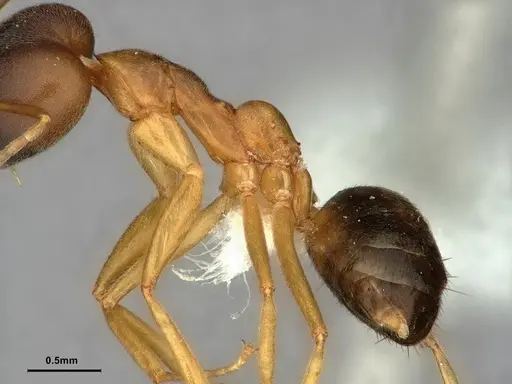
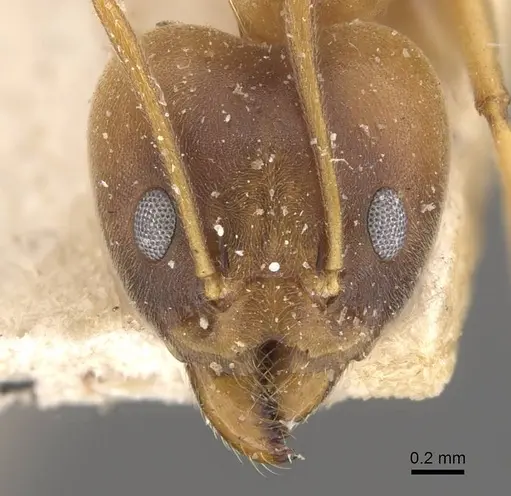
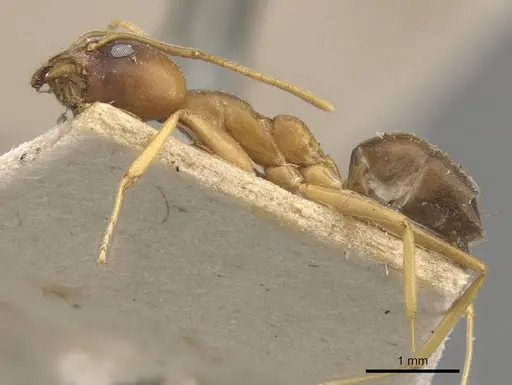
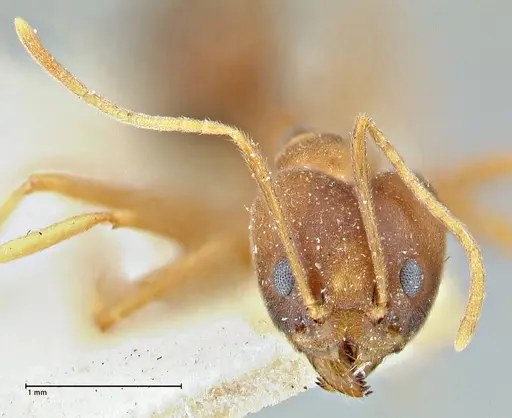
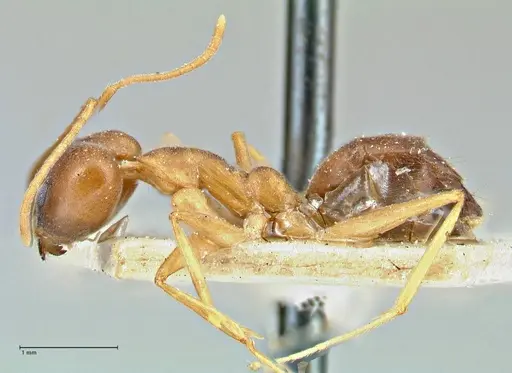
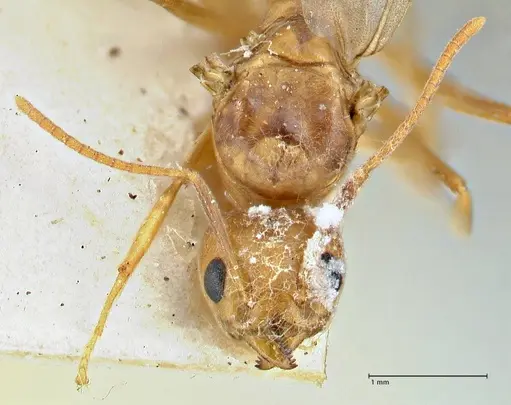
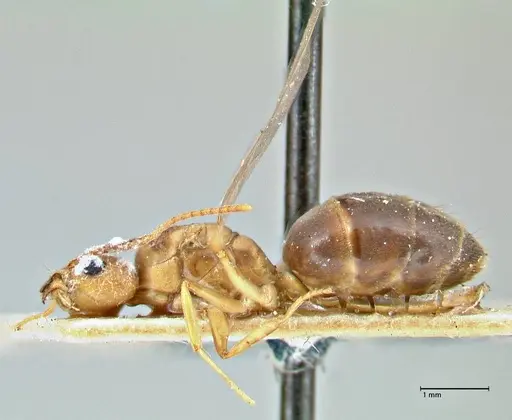
Technomyrmex lisae is a highly polymorphic Dolichoderine ant found across Southeast Asia, including Borneo, Brunei, Indonesia, Malaysia, and Thailand. Workers range from 3.3-4.5mm, with the smallest workers measuring HL greater than HW, while the largest workers develop much broader heads that become cordate (heart-shaped) in profile [1]. The body is yellow to light brown, with the gaster and often both the head and gaster being slightly darker than the mesosoma. This species is notable for being the most extremely polymorphic in its genus, the change in head shape with increasing worker size is the most striking feature, transforming from elongated in minor workers to distinctly broad in major workers [1][2].
In the wild, T. lisae inhabits lowland evergreen forests and wet tropical habitats. Researchers have collected them from the canopy of lowland dipterocarp forests in Brunei using knockdown sampling methods, and in Thailand they nest in dead twigs on trees, dead stems, and under the bark of living trees [1][3]. The stable isotope data suggests they occupy a higher trophic level, indicating a predatory or scavenging lifestyle typical of many Dolichoderine ants [4].
Quick Summary
- Difficulty: Medium
- Origin & Habitat: Native to Southeast Asia, found in Borneo, Brunei Darussalam, Indonesia, Malaysia, and Thailand. Inhabits lowland evergreen forests and wet tropical habitats, including canopy of lowland dipterocarp forests. Nests in dead twigs on trees, dead stems, and under bark of living trees [1][3].
- Colony Type: Colony structure is unconfirmed. Like most Dolichoderinae, likely single-queen colonies, but polygyny has not been documented for this species.
- Size & Growth:
- Queen: 5.81mm [1]
- Worker: 3.3-4.5mm (workers), highly polymorphic with major workers reaching larger sizes [1]
- Colony: Unknown for this species specifically. Based on genus patterns and tropical distribution, colonies likely reach several hundred workers.
- Growth: Moderate, tropical species with relatively fast development expected
- Development: Estimated 6-8 weeks at optimal tropical temperatures, based on typical Dolichoderinae development patterns (Direct development data not available for this species. Tropical environment suggests faster development than temperate species.)
- Antkeeping:
- Temperature: Keep at 24-28°C, these are lowland tropical ants requiring warm, stable temperatures. A heating cable on one side of the nest can help maintain warmth if room temperature is below this range.
- Humidity: High humidity required, think damp tropical forest floor. Keep the nest substrate consistently moist but not waterlogged. Provide a water tube for drinking access.
- Diapause: Unlikely to require true diapause. As a tropical species, they may show reduced activity during cooler or drier seasons but do not need hibernation. Maintain year-round tropical conditions.
- Nesting: In captivity, they do well in Y-tong (AAC), plaster, or naturalistic setups. Provide narrow chambers and passages scaled to their small size. Include dead twigs or bark pieces in a naturalistic setup to mimic their natural nesting in dead wood and under bark.
- Behavior: Generally peaceful and non-aggressive. Like other Dolichoderinae, they lack a functional stinger but can spray formic acid as a defense. Workers are active foragers, likely hunting small prey and scavenging. Their small to medium size (3-5mm) means escape prevention is important, use fine mesh and tight-fitting lids. They are moderately active and will explore their outworld regularly.
- Common Issues: high humidity needs can lead to mold if ventilation is poor, balance moisture with airflow, tropical warmth requirements mean colonies may struggle in cool rooms without heating, small size makes escape likely without proper barriers, use fine mesh and check connections regularly, polymorphic colony means size variation, ensure escape barriers work for the smallest workers, wild-caught colonies may carry parasites or pathogens from their native habitat
Housing and Nest Setup
Technomyrmex lisae does well in Y-tong (AAC), plaster, or naturalistic formicarium setups. Since they naturally nest in dead twigs, stems, and under bark, a naturalistic setup with pieces of dead wood or cork bark works well [1]. The chambers should be appropriately sized for their small worker size (3-5mm). Because they are tropical ants, the nest should hold moisture well without becoming waterlogged. A test tube setup works well for founding colonies, use a water tube with a cotton plug, placed in a dark area to encourage the queen to lay. For established colonies, transition to a formicarium with multiple chambers to accommodate their growing colony. Escape prevention is important, these ants are small enough to squeeze through standard gaps, so use fine mesh on all openings and check connections regularly.
Temperature and Humidity
As lowland tropical ants from Southeast Asia, T. lisae requires warm and humid conditions. Maintain temperatures between 24-28°C year-round. A heating cable placed on top of the nest can help achieve this if your room temperature is lower. For humidity, aim for 70-80% relative humidity within the nest. These ants come from wet forest habitats in Borneo and Thailand, so they are accustomed to consistent moisture [1][3]. Keep the nest substrate damp but not pooling with water. A water tube provides drinking access, which is important for colony health. Avoid placing the nest in direct sunlight or near air conditioning vents that could cause temperature fluctuations.
Feeding and Diet
Based on stable isotope analysis, T. lisae occupies a higher trophic level (mean δ15Ncor = 3.33 for Dolichoderinae), indicating a predatory or scavenging lifestyle [4][5]. Offer a varied diet including small live prey such as fruit flies, pinhead crickets, and small mealworms. They likely accept protein sources and may scavenge. Sugar water or honey can be offered as an energy source, though some Dolichoderinae prefer honeydew in captivity. Feed small amounts of protein 2-3 times per week, and keep sugar water available at all times. Remove uneaten prey after 24 hours to prevent mold. Since they are polymorphic, ensure prey is small enough for the smallest workers to handle.
Colony Development
T. lisae is extremely polymorphic, the most polymorphic species in the genus Technomyrmex [1][2]. This means your colony will have major workers (with large, broad heads) and minor workers (with more elongated heads). The head shape transformation is dramatic: smallest workers have heads longer than broad (CI 92), while major workers have heads much broader than long (CI 100), becoming cordate (heart-shaped) in full-face view [1]. Development from egg to worker likely takes 6-8 weeks at optimal tropical temperatures, though this is estimated based on typical Dolichoderinae development. The first workers (nanitics) will be smaller than mature workers. Colonies grow moderately fast once established, with major workers typically appearing as the colony reaches several dozen workers.
Behavior and Temperament
Technomyrmex lisae is generally peaceful and not aggressive toward keepers. Like all Dolichoderinae, they lack a functional stinger but possess formic acid glands for defense, they may spray formic acid if threatened. Workers are active foragers that will explore their outworld searching for food. Their small size (3-5mm) means they can fit through very small gaps, so excellent escape prevention is essential. Use fine mesh (at least 0.5mm) on all ventilation holes and ensure all connections are tight. The colony will likely establish foraging trails once workers emerge. They are not known to be particularly territorial or aggressive toward other ant colonies, but should be kept separate from other ant colonies to prevent conflict. [1]
Frequently Asked Questions
How long does it take for Technomyrmex lisae to produce first workers?
First workers typically appear in 6-8 weeks after the queen lays eggs, assuming optimal tropical temperatures (24-28°C). This is an estimate based on typical Dolichoderinae development patterns, as specific development data for this species is not available.
Can I keep Technomyrmex lisae in a test tube?
Yes, test tubes work well for founding colonies. Use a water tube with a cotton plug and keep it in a warm, dark location. Once the colony reaches 20-30 workers, consider moving them to a formicarium with more space.
What temperature do Technomyrmex lisae need?
Keep them at 24-28°C year-round. These are lowland tropical ants that need consistent warmth. A heating cable on the nest can help maintain proper temperatures if your room is cooler.
Are Technomyrmex lisae good for beginners?
They are rated as medium difficulty. While not the easiest species, they are manageable for keepers who can maintain warm, humid tropical conditions. Their small size and escape risk make them better suited for keepers with some antkeeping experience.
How big do Technomyrmex lisae colonies get?
Colony size is not well documented for this species, but based on genus patterns and their tropical distribution, colonies likely reach several hundred workers. They are highly polymorphic, so you'll see significant size variation among workers.
Do Technomyrmex lisae need hibernation?
No, they do not need hibernation. As tropical ants from Southeast Asia, they require year-round warm conditions (24-28°C). They may show reduced activity during cooler periods but do not enter true diapause.
What do Technomyrmex lisae eat?
They are predatory/scavenging ants. Offer small live prey like fruit flies, pinhead crickets, and small mealworms. Sugar water or honey can be provided as an energy source. Feed protein 2-3 times per week with sugar always available.
Why are my Technomyrmex lisae escaping?
These ants are small (3-5mm) and can squeeze through tiny gaps. Use fine mesh (0.5mm or smaller) on all openings, check all connections regularly, and ensure lid seals are tight. Escape prevention is critical for this species.
When should I move my colony to a formicarium?
Move from test tube to formicarium when the colony reaches 20-30 workers or when the test tube setup shows signs of stress (workers clustering at the edges, condensation issues). A naturalistic setup with dead wood pieces mimics their natural nesting preferences.
References

This caresheet is licensed under CC BY-SA 4.0 .
CASENT0249792
View on AntWeb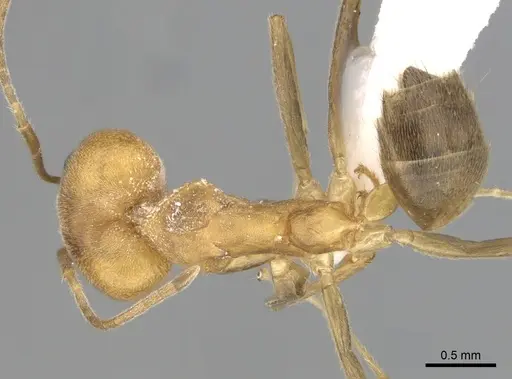
CASENT0886060
View on AntWeb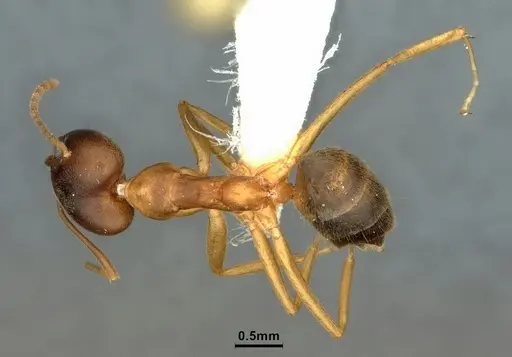
CASENT0909802
View on AntWeb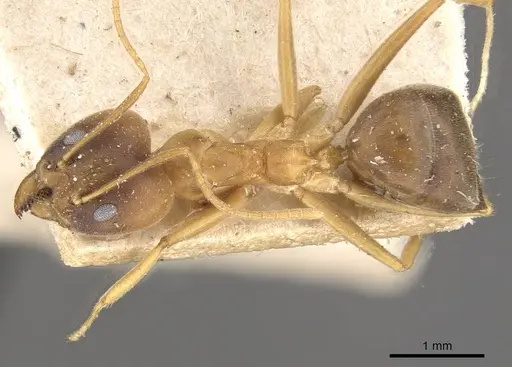
FOCOL2883
View on AntWeb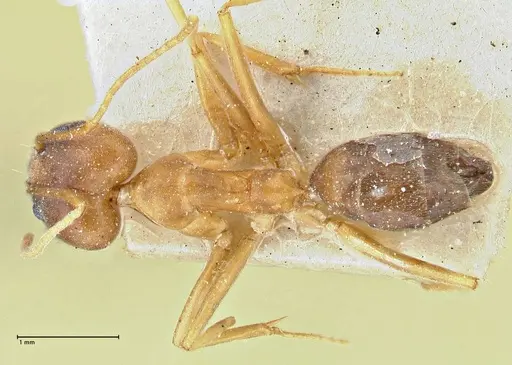
FOCOL2884
View on AntWeb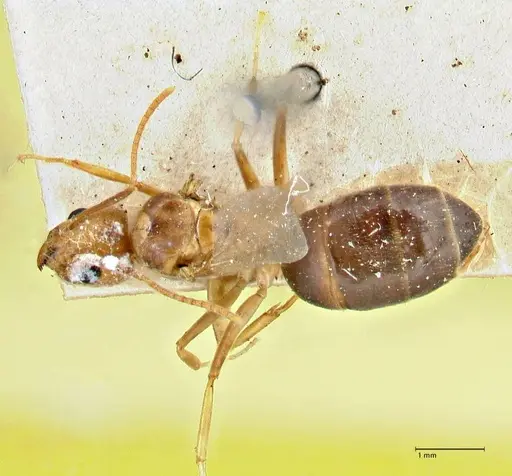
Literature
Loading...Loading products...