

Technomyrmex ilgi
- Scientific Name
- Technomyrmex ilgi
- Tribe
- Tapinomini
- Subfamily
- Dolichoderinae
- Author
- Forel, 1910
- Distribution
- Found in 4 countries
Technomyrmex ilgi Overview
Technomyrmex ilgi is an ant species of the genus Technomyrmex. It is primarily documented in 4 countries , including Kenya, Mozambique, Uganda. Detailed taxonomic data and occurrence records can be further explored via authoritative databases such as AntWeb or the Global Biodiversity Information Facility (GBIF).
Technomyrmex ilgi
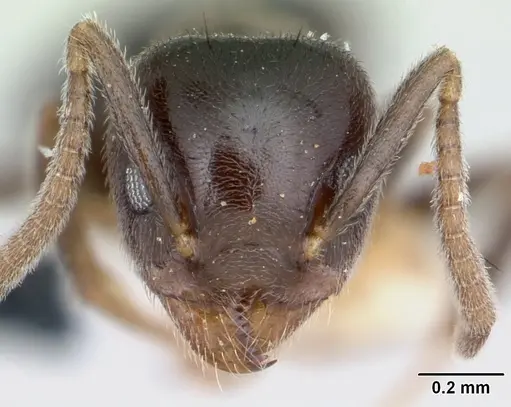
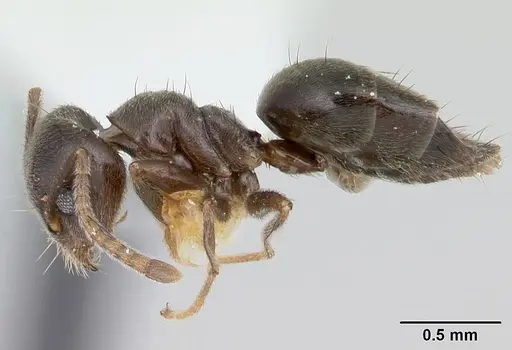
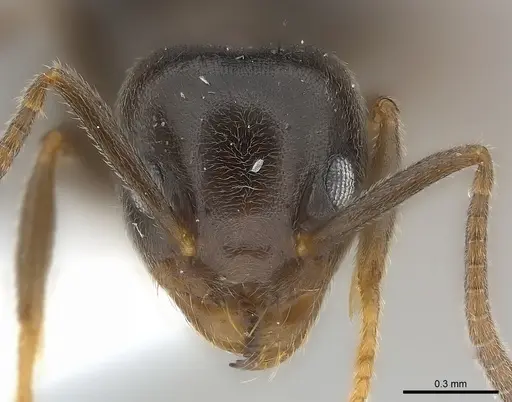
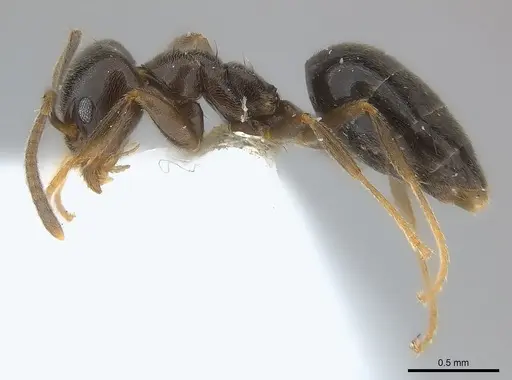
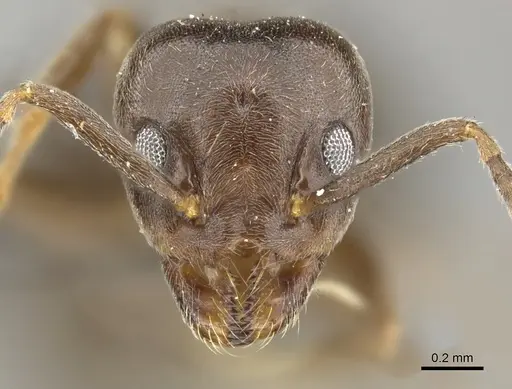
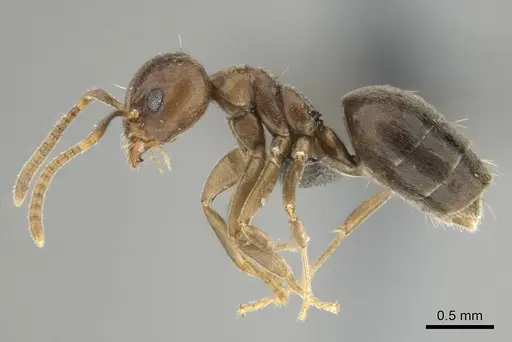
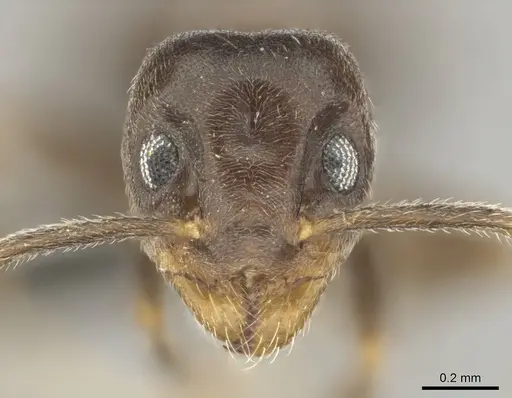
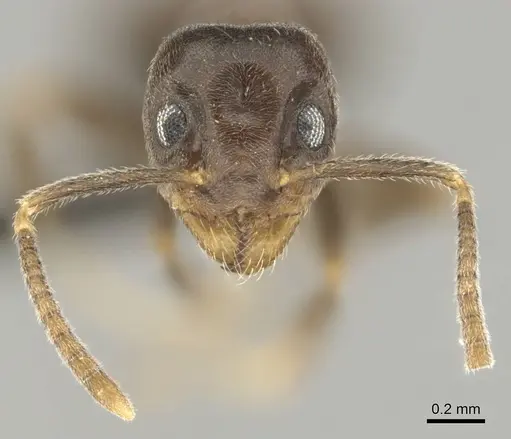
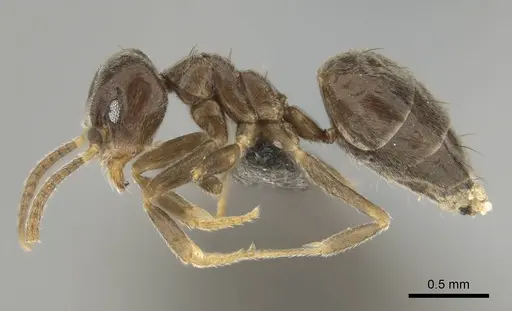
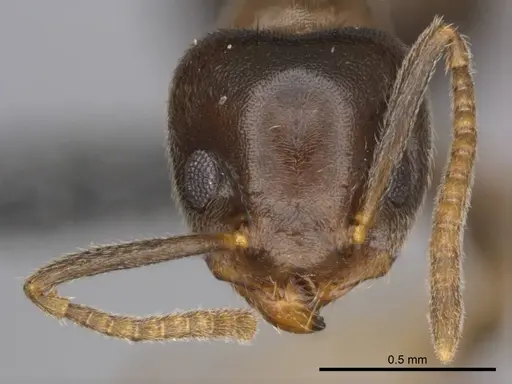
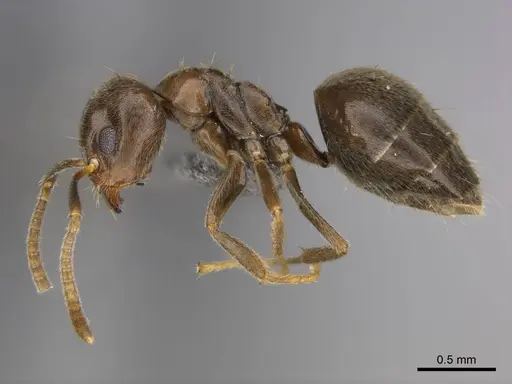
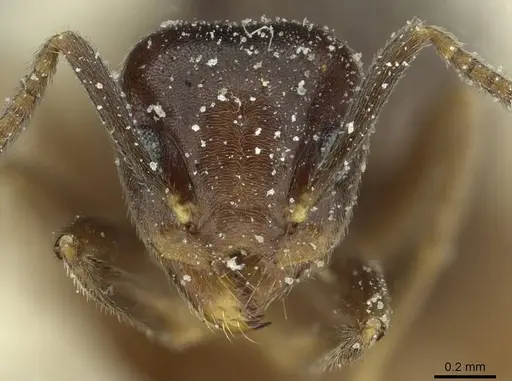
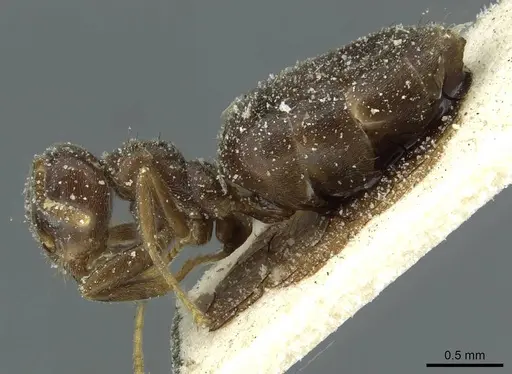
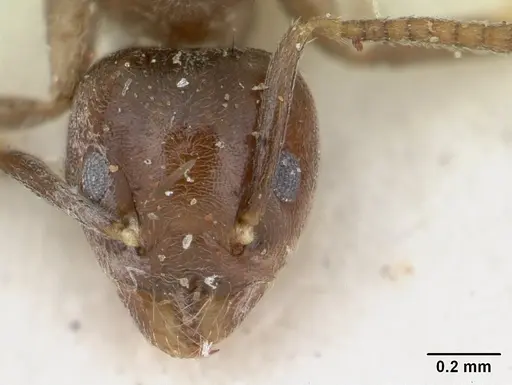
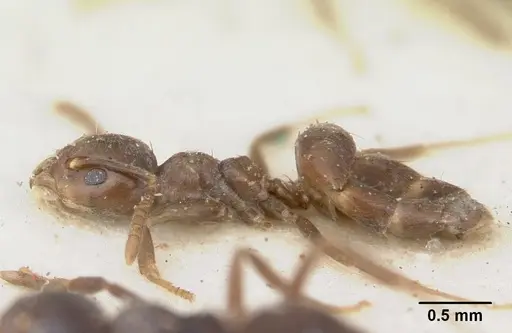
Technomyrmex ilgi is a small to medium-sized ant species native to East Africa, where it has been documented across highland regions of Kenya at elevations ranging from 1520m to 2740m [1]. Workers are typically dark brown to black in color, a common trait in the Technomyrmex genus, and measure approximately 3-4mm. This species was originally described as Technomyrmex ilgi before being reclassified to Technomyrmex [2].
As a member of the Dolichoderinae subfamily, these ants lack a functional stinger and instead defend themselves by spraying formic acid, a chemical defense mechanism common to their subfamily. Based on typical genus behavior, they are likely generalist foragers that scavenge for sugary substances and small protein sources. Their highland origin suggests they prefer cooler temperatures than many tropical ant species.
Quick Summary
- Difficulty: Medium
- Origin & Habitat: East Africa, documented in highland Kenya including Nairobi region, Lumbwa escarpment, El Burgon area, and Kilimandjaro alpine zones at 1520-2740m elevation [1]. Also recorded in the Democratic Republic of Congo [3]. Inhabits mountain and highland forest environments.
- Colony Type: Unconfirmed colony structure. No published data on whether colonies are single-queen (monogyne) or multi-queen (polygyne).
- Size & Growth:
- Queen: Estimated 5-7mm based on genus typical size range
- Worker: Estimated 3-4mm based on genus typical size range
- Colony: Unknown, no colony size data published
- Growth: Moderate, estimated based on related Technomyrmex species
- Development: Estimated 6-8 weeks at optimal temperature based on genus patterns (Direct development data unavailable for this species, estimate based on typical Dolichoderinae development)
- Antkeeping:
- Temperature: Cooler highland species, aim for 18-22°C. Avoid temperatures above 25°C. Their native highland habitat (1520-2740m) indicates preference for cooler, stable conditions.
- Humidity: Moderate humidity preferred. Keep nest substrate lightly moist but not waterlogged. Provide a shallow water source for drinking.
- Diapause: Likely required given highland origin. Provide a winter rest period of 2-3 months at 10-15°C to simulate seasonal cycle.
- Nesting: Natural nesting habits unconfirmed. Likely nests in soil, under stones, or in decaying wood in shaded highland forest areas. In captivity, standard test tubes or acrylic nests work well. Keep nest area shaded and cool.
- Behavior: Generally non-aggressive but will use formic acid spray when threatened. Foraging activity is typically diurnal. Escape prevention should be moderate, workers are small enough to escape through small gaps but not extremely tiny. Likely forms moderate-sized colonies with efficient recruitment to food sources.
- Common Issues: highland temperature requirements may be challenging in warm climates, may need cooling in summer, limited data means colony care is somewhat experimental, formic acid spray can irritate eyes and skin, handle gently, diapause requirements add seasonal complexity to care, wild-caught colonies may carry parasites, quarantine recommended
Origin and Natural Habitat
Technomyrmex ilgi originates from the highland regions of East Africa. The original collection data shows this species has been found at significant elevations ranging from 1520m at Blue Post Hotel to 2740m in the Kilimandjaro alpine meadows around Bismarckhügel [1]. These altitudes indicate a cool-adapted species comfortable with temperatures considerably lower than typical tropical ants.
The documented locations span Kenya's central highlands, including the Nairobi area, Lumbwa Maü escarpment, and regions between El Burgon and Ndjoro [1]. The species has also been recorded in the Democratic Republic of Congo [4], suggesting a broader but patchy distribution across Central and East African highlands. Their natural habitat consists of mountain forest edges and alpine meadows, shaded, cool environments with moderate moisture.
Temperature and Care Requirements
Given their highland origin, Technomyrmex ilgi requires cooler temperatures than many commonly kept ant species. Keep the nest area at 18-22°C, avoiding prolonged exposure to temperatures above 25°C. In warmer climates or summer months, you may need to use cooling methods such as placing the nest in a cool room, using a small fan, or positioning the setup away from direct heat sources.
A temperature gradient within the nest is beneficial, allow the ants to self-regulate by providing a cooler side and a slightly warmer area. During the active summer season, room temperature in air-conditioned spaces often works well. Monitor colony behavior as a guide: if workers become sluggish or cluster tightly, the temperature may be too low, if they avoid the nest area entirely, it may be too warm.
Feeding and Diet
Based on typical Technomyrmex genus behavior, these ants are generalist foragers that accept both sugary substances and protein. Offer sugar water, honey, or diluted syrup as a constant carbohydrate source. For protein, provide small insects such as fruit flies, small mealworms, or cricket pieces.
Feed protein sources 2-3 times per week, adjusting based on colony size and consumption. Remove uneaten protein after 24-48 hours to prevent mold. Sugar water can be provided in a cotton ball or small container and refreshed every few days. Always ensure a fresh water source is available.
Diapause and Seasonal Care
Due to their origin in highland areas with distinct seasons, Technomyrmex ilgi likely requires a diapause (winter rest) period. From late autumn through early spring, reduce temperatures to 10-15°C for 2-3 months. This can be achieved by moving the colony to a cooler location such as an unheated garage, basement, or refrigerator set to appropriate temperatures.
During diapause, reduce feeding significantly, the colony will be less active and require less nutrition. Ensure water remains available but check less frequently. Do not freeze the colony. Gradual temperature changes (5°C per day) when entering and exiting diapause help prevent temperature shock.
Housing and Nesting
Standard ant housing works well for this species. Test tube setups are ideal for founding colonies and smaller groups. As the colony grows, you can transition to acrylic nests, Y-tong nests, or naturalistic setups. The key requirements are: cool location away from direct sunlight, moderate humidity, and escape-proof enclosures.
Because workers are small (estimated 3-4mm), ensure any connections between outworld and nest have barriers or are small enough to prevent escape. Fluon applied to the edges of the outworld provides effective barrier protection. Provide a dark nesting area, these ants prefer shaded, concealed spaces similar to their natural forest floor habitat.
Defense and Handling
As Dolichoderinae ants, Technomyrmex ilgi lacks a stinger but can spray formic acid when threatened. This spray can irritate eyes and skin, so handle gently and avoid provoking defensive behavior. When working with the colony, move slowly and avoid tapping or shaking the nest.
Their formic acid defense is primarily a last resort, these ants are not particularly aggressive and will first attempt to flee or hide when disturbed. Colony temperament is generally calm, making them suitable for observation. Wash hands after handling to remove any chemical residue.
Frequently Asked Questions
How long does it take for Technomyrmex ilgi to produce first workers?
Exact development time is unconfirmed for this species, but based on typical Dolichoderinae development, expect 6-8 weeks from egg to first worker at optimal temperature (around 20°C). Founding colonies may take longer as the queen alone tends to the brood.
What temperature do Technomyrmex ilgi ants need?
Keep them cool at 18-22°C. Their highland East African origin (documented at 1520-2740m elevation) indicates preference for cooler conditions than tropical species. Avoid temperatures above 25°C.
Can I keep Technomyrmex ilgi in a test tube?
Yes, test tubes work well for founding colonies and small groups. Ensure the cotton water reservoir is appropriately sized and provide a sugar water source. Transition to a larger nest as the colony grows.
Do Technomyrmex ilgi need hibernation?
Yes, a diapause period is likely required given their highland origin. Provide 2-3 months of cooler temperatures (10-15°C) during winter months to allow the colony to rest naturally.
What do Technomyrmex ilgi eat?
They are generalist foragers. Offer sugar water, honey, or diluted syrup for carbohydrates, and small protein sources such as fruit flies, small mealworms, or cricket pieces for protein. Feed protein 2-3 times per week.
Are Technomyrmex ilgi good for beginners?
They are moderate difficulty. The main challenges are providing cooler temperatures year-round and managing the seasonal diapause requirement. Their generally calm temperament makes them suitable for intermediate keepers.
How big do Technomyrmex ilgi colonies get?
Colony size data is not published for this species. Based on related Technomyrmex species, expect moderate colony sizes of several hundred workers at maturity. Growth rate is moderate.
Why are my Technomyrmex ilgi dying?
Common causes include: temperatures too warm (above 25°C), excessive humidity causing mold, inadequate ventilation, or stress from frequent disturbance. Check temperature first, this is the most common issue with highland species in captivity.
Can I keep multiple queens together?
Colony structure (monogyne vs polygyne) is unconfirmed for this species. Combining unrelated queens is not recommended due to lack of data on their social structure. Single-queen colonies are the safest approach.
References

This caresheet is licensed under CC BY-SA 4.0 .
CASENT0178276
View on AntWeb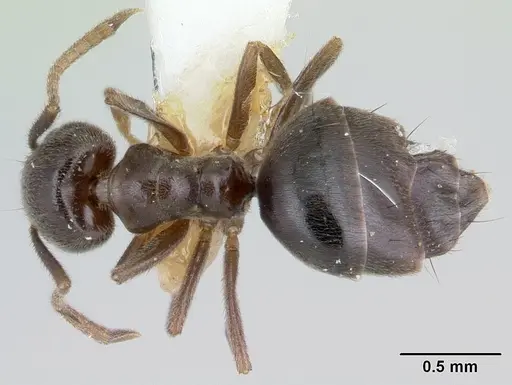
CASENT0217128
View on AntWeb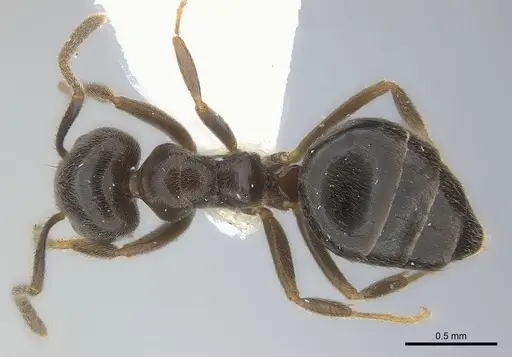
CASENT0249041
View on AntWeb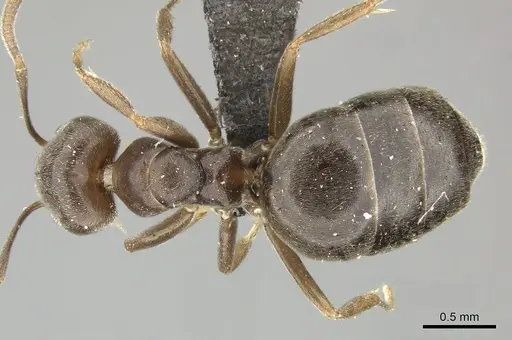
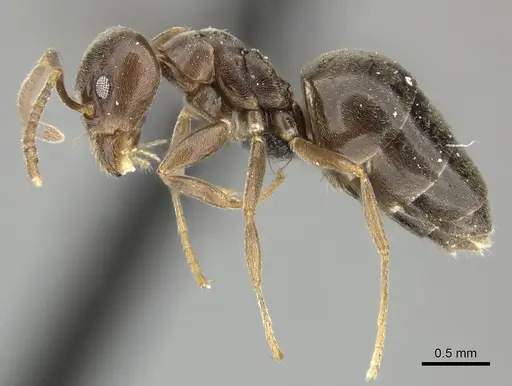
CASENT0252117
View on AntWeb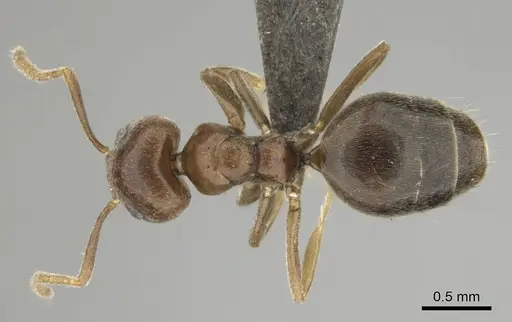
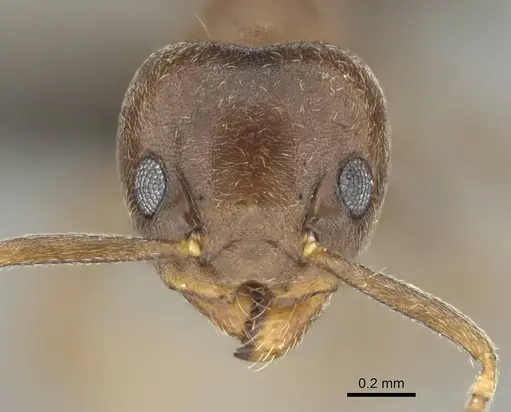
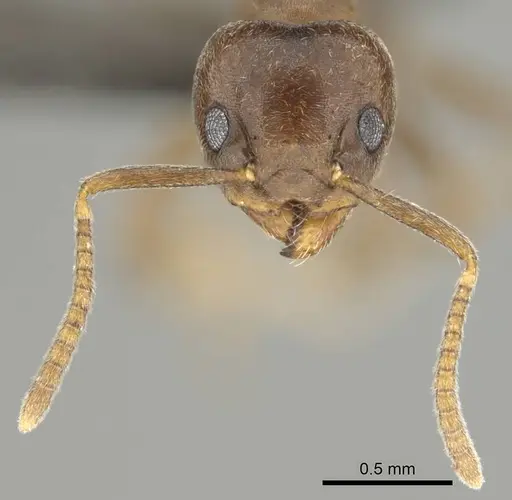
CASENT0252118
View on AntWeb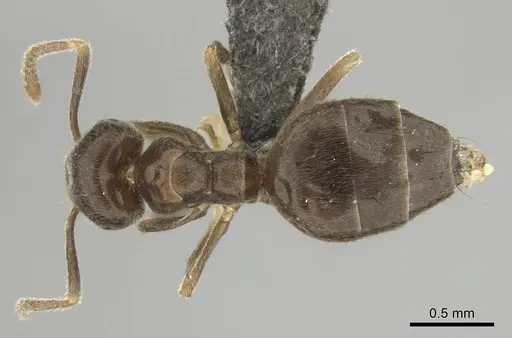
CASENT0257298
View on AntWeb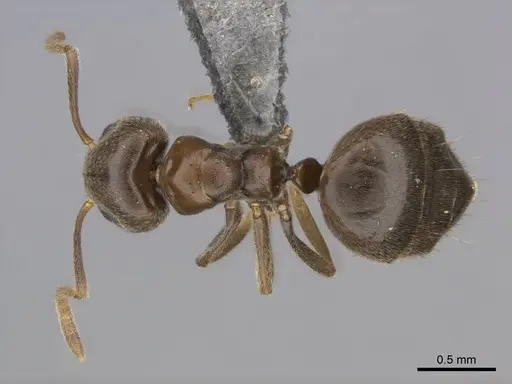
CASENT0909753
View on AntWeb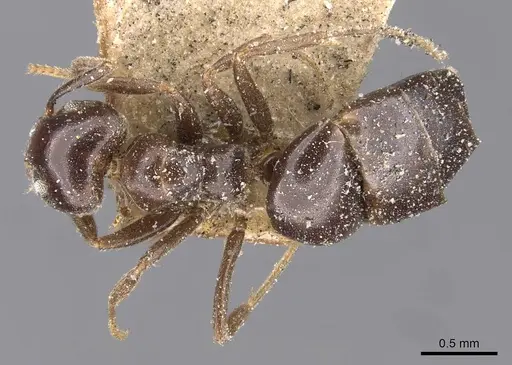
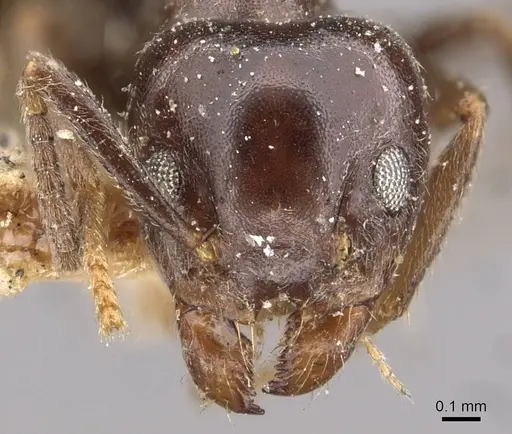
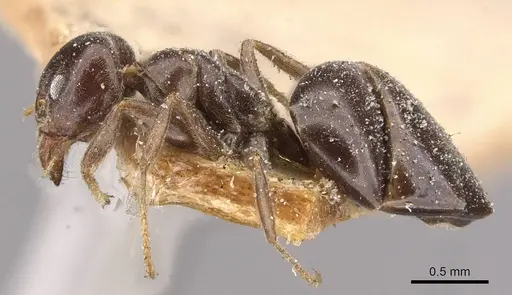
CASENT0911587
View on AntWeb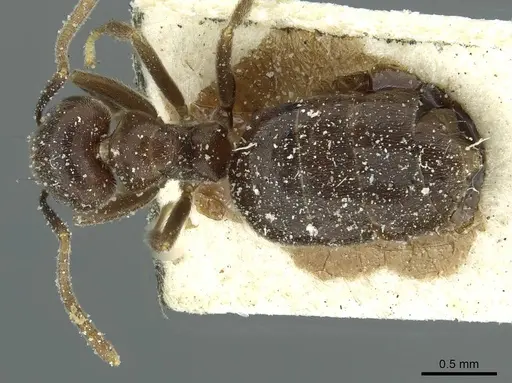
SAM-HYM-C004792
View on AntWeb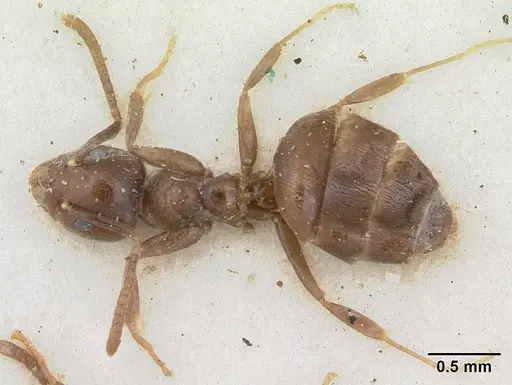
Literature
Loading...Loading products...