

Technomyrmex horni
- Scientific Name
- Technomyrmex horni
- Tribe
- Tapinomini
- Subfamily
- Dolichoderinae
- Author
- Forel, 1912
- Distribution
- Found in 8 countries
Technomyrmex horni Overview
Technomyrmex horni is an ant species of the genus Technomyrmex. It is primarily documented in 8 countries , including China, Hong Kong, Indonesia. Detailed taxonomic data and occurrence records can be further explored via authoritative databases such as AntWeb or the Global Biodiversity Information Facility (GBIF).
Technomyrmex horni - "None known"
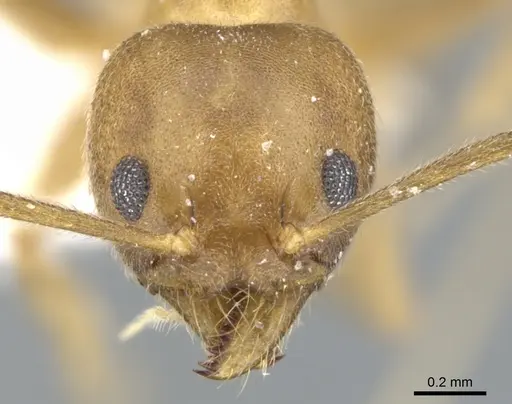
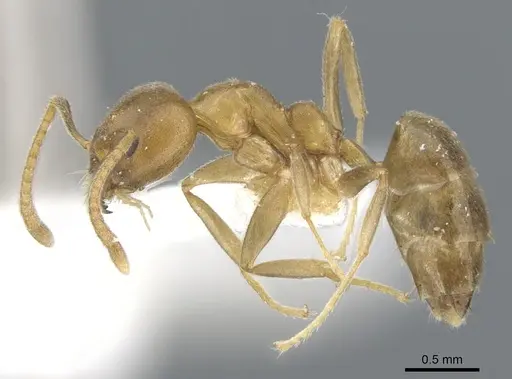
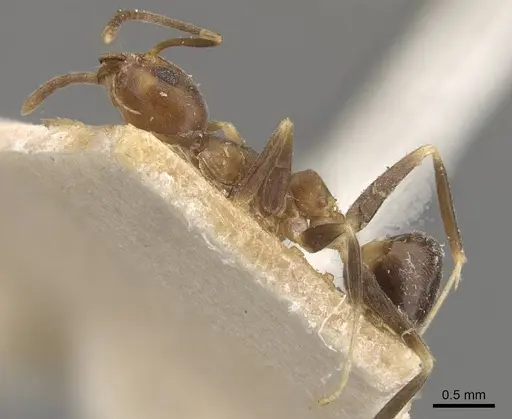
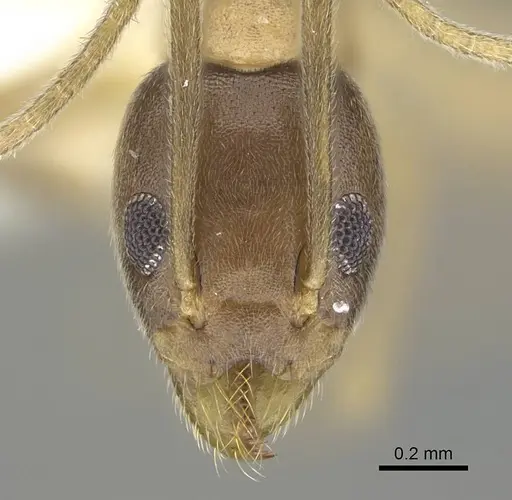
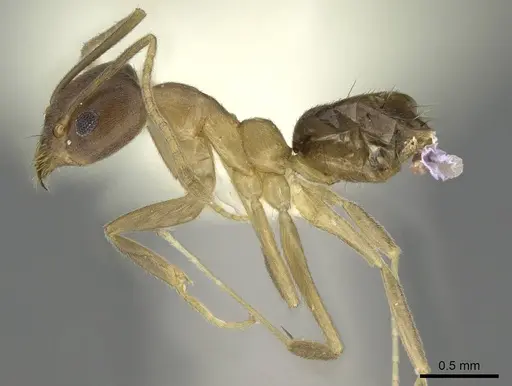
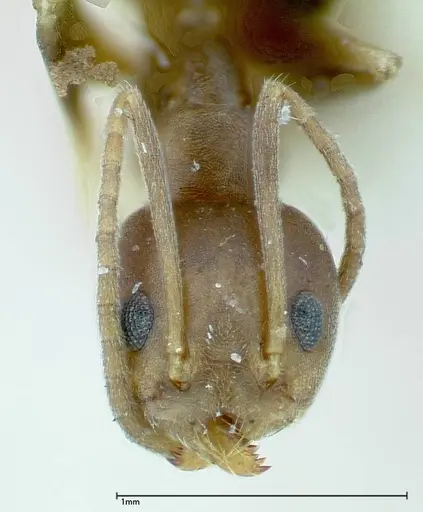
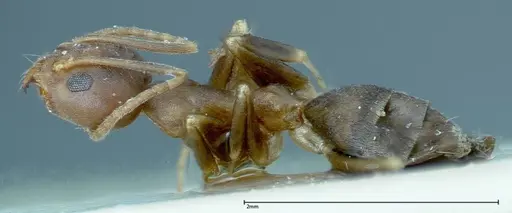
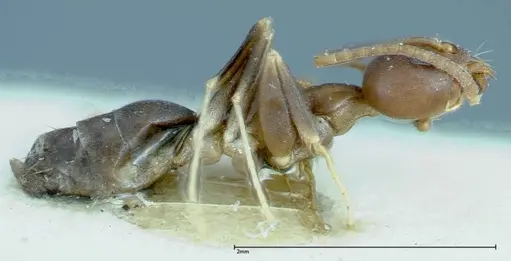
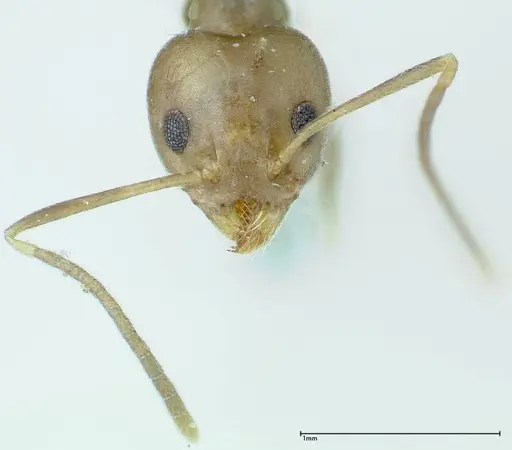
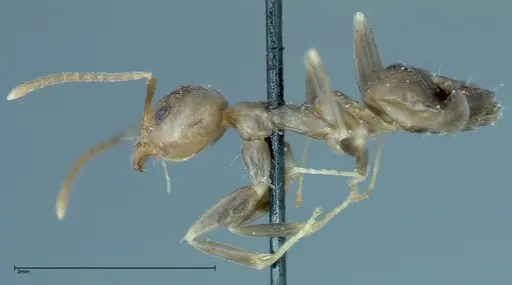
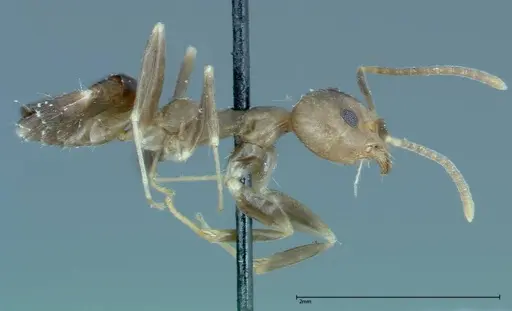
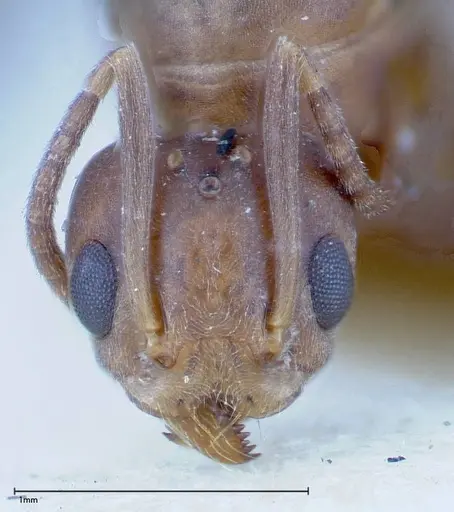
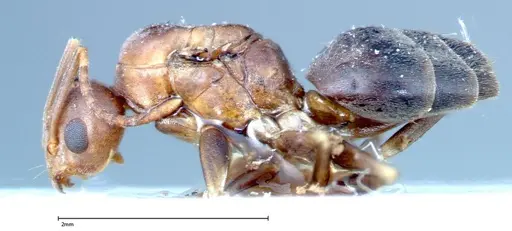
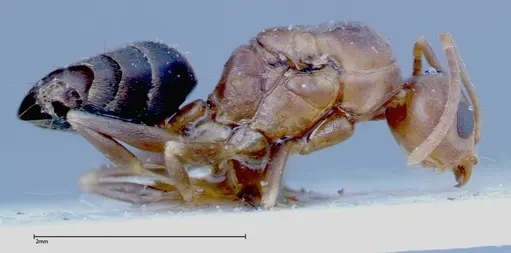
Technomyrmex horni is a fascinating ant species known for its sleek, light-colored workers and active foraging habits. These ants are relatively small, with queens measuring between 4.5 and 5.2 mm, and workers typically ranging from 2.9 to 4.3 mm. They belong to the Dolichoderinae subfamily and are characterized by a distinct median notch at the front of their clypeus (the plate above their mandibles). While workers generally appear monomorphic, there can be subtle variations in size and coloration, hinting at a broader species complex. They are omnivorous scavengers, making them adaptable in their diet.
- Difficulty: Medium
- Origin & Habitat: East Asia (tropical to temperate regions), including Borneo, Brunei, Indonesia, Malaysia, Philippines, India, Cambodia, Sri Lanka, Taiwan, Thailand, and China. They are widespread across Indo-Australian, Oriental, and Palaearctic regions. in Forests, often found nesting in diverse locations such as within the soil, inside bamboo cavities, on low vegetation, and in leaf litter or rotten wood. They commonly forage on trees..
- Colony Type: Monogyne (single queen) initially, but can become facultatively polygyne (adopting additional queens, often daughter queens)., claustral (queen seals herself in). however, some related technomyrmex species exhibit complex reproductive strategies involving ergatoid queens and colony budding. founding.
- Size & Growth:
- Queen: 4.5-5.2mm
- Worker: 2.9-4.3mm
- Colony: Medium (thousands). While specific data for T. horni is unknown, the genus Technomyrmex can form colonies ranging from thousands up to millions.. Medium to Fast (once established, with proper care and nutrition). growth.
- Antkeeping:
- Temperature: Maintain a temperature range of 22-28°C. Optimal growth and activity are typically seen closer to the warmer end of this spectrum..
- Humidity: Aim for a humidity range of 60-80%. This can be achieved by keeping a portion of the nest moist, mimicking their natural forest floor and decaying wood habitats..
- Diapause: Not required. Not specified at Not specified.
- Nesting: These ants are versatile nesters. They will thrive in various setups including naturalistic soil or sand-loam mixes, decaying wood, bamboo-style nests, or artificial acrylic/Ytong nests that offer adequate humidity. Providing a large foraging area (outworld) is beneficial..
- Behavior: Low (towards handler), Medium (towards other ant species, intercolonial aggression observed within the genus) aggressiveness.
- Common Issues: Humidity fluctuations leading to desiccation or mold, Insufficient carbohydrate supply affecting foraging activity, Escapes due to small worker size and active nature, Difficulty in establishing queen-right colonies if starting with founding queen only.
One intriguing aspect of keeping Technomyrmex horni is understanding their unique reproductive dynamics. While a founding queen typically starts a colony on her own, some related Technomyrmex species are known to develop ergatoid (wingless, worker-like) queens that can also reproduce. This 'facultative polygyny' means your colony might eventually host multiple egg-laying queens, which can significantly boost colony growth. It's a fascinating phenomenon that adds an extra layer of complexity and observation to your antkeeping journey.
When it comes to feeding these active ants, variety is key. Technomyrmex horni are omnivorous scavengers with a strong preference for carbohydrates. This means they will readily take liquid sugars like honey-water, sugar-water, or commercial ant nectar. However, they also require protein for their brood's development, so offer small insects such as fruit flies, mealworms, or roach pieces regularly. Ensure a consistent supply of fresh liquid sugars, as they are a primary energy source for the colony's many foragers.
Their natural nesting habits are quite diverse, ranging from soil and leaf litter to bamboo cavities and decaying wood. This adaptability translates well to captivity, allowing for various formicarium styles. Whether you opt for a naturalistic setup with a rich substrate or a more observable acrylic nest, prioritize good humidity retention for a portion of the nest. Providing climbing opportunities in the outworld, such as small branches or artificial decor, will also cater to their arboreal foraging tendencies.
It's worth noting that Technomyrmex horni is suspected to be a 'species complex,' meaning there might be subtle variations between populations currently grouped under this single name. This intraspecific variation could lead to minor differences in colony size estimates, worker coloration, or even slight shifts in temperature and humidity preferences depending on the specific lineage you acquire. Observing your colony's specific behavior and adjusting care accordingly is always the best practice in antkeeping.
Frequently Asked Questions
What kind of nest is best for Technomyrmex horni colonies?
These ants are quite adaptable! You can house your Technomyrmex horni in a variety of setups. They'll do well in naturalistic soil or sand-loam nests, mimicking their forest floor habitat. Acrylic or Ytong formicariums with good humidity gradients are also excellent choices. Just make sure there's enough moisture and opportunities for them to climb and explore in their outworld, as they're known for arboreal foraging.
What do Technomyrmex horni eat?
Technomyrmex horni are omnivorous scavengers, but they absolutely love their sweets! Offer them a steady supply of liquid sugars like diluted honey-water or commercial ant nectar. For protein, which is crucial for brood development, provide small feeder insects such as fruit flies, small crickets, or chopped mealworms a few times a week. They're not picky and will eagerly accept a varied diet.
Do Technomyrmex horni sting or bite?
Good news for antkeepers: Technomyrmex horni are not known to sting! While they might attempt to bite if severely provoked, their mandibles are tiny and generally harmless to humans. They rely on formic acid for defense, which is typical for dolichoderine ants, but it's usually not a concern for handling.
How big do Technomyrmex horni colonies get?
While specific colony sizes for T. horni are not extensively documented, other ants in the Technomyrmex genus can form quite substantial colonies, ranging from thousands to even millions of individuals! Expect your T. horni colony to grow into the thousands, especially if they exhibit facultative polygyny and you provide optimal conditions.
Do Technomyrmex horni need diapause?
No, Technomyrmex horni typically do not require a strict diapause period. Originating from tropical to temperate regions of East Asia, they are accustomed to consistent warmth. Maintaining stable temperatures between 22-28°C year-round will support their continuous growth and activity.
Are Technomyrmex horni hard to keep for beginners?
Technomyrmex horni are generally considered a 'Medium' difficulty species. While they aren't as simple as some common beginner ants, their adaptability in nesting and diet makes them a rewarding challenge. Ensuring consistent humidity and proper nutrition are the main hurdles, but experienced beginners should find them manageable.
What temperatures and humidity do Technomyrmex horni prefer?
For optimal health and colony development, aim for temperatures between 22-28°C. In terms of humidity, they thrive in a moist environment, so keep a portion of their nest at 60-80% relative humidity. Using a nest with a hydration system is key to maintaining these levels.
How fast do Technomyrmex horni colonies grow?
Once a Technomyrmex horni colony is past its founding stage and has its first workers, their growth rate can be medium to fast. With a stable environment, consistent food supply, and proper heating, you'll see their numbers steadily increase as the queen lays more eggs and the workers expand the nest.
Can Technomyrmex horni have multiple queens?
Yes, it's possible! While they are founded by a single queen (monogyne), Technomyrmex horni can be facultatively polygyne. This means the original queen might adopt her own daughter queens into the colony, leading to multiple egg-laying queens and a much larger, more robust colony over time. This is a common and exciting trait within the Technomyrmex genus.
What should I do if my Technomyrmex horni colony stops growing?
If your Technomyrmex horni colony stalls, first check your temperature and humidity levels to ensure they are within the preferred range. Next, re-evaluate their diet; are they getting enough varied sugars and protein? Sometimes, a change in food source or a slight increase in temperature can kickstart growth. Also, inspect for common issues like mold or mites, and ensure their nest isn't too large for their current size, which can cause stress.

This caresheet is licensed under CC BY-SA 4.0 .
CASENT0249786
View on AntWeb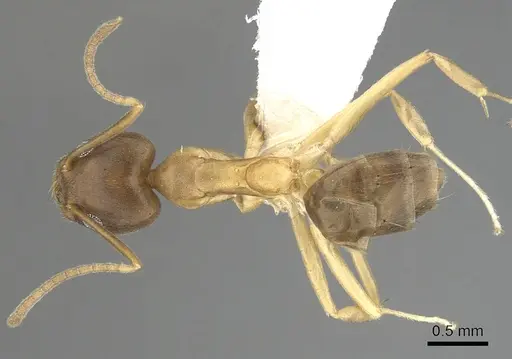
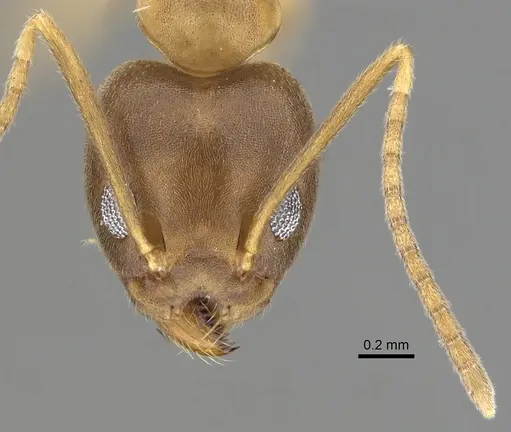
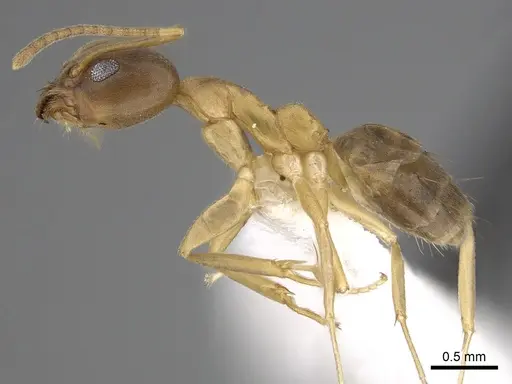
CASENT0903042
View on AntWeb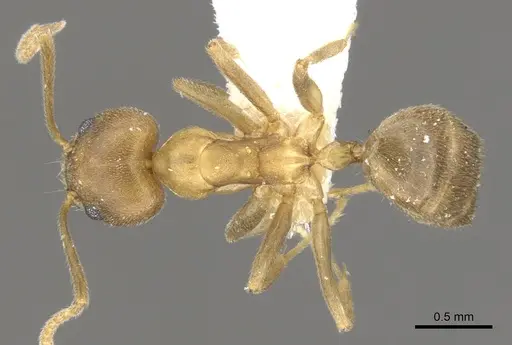
CASENT0909799
View on AntWeb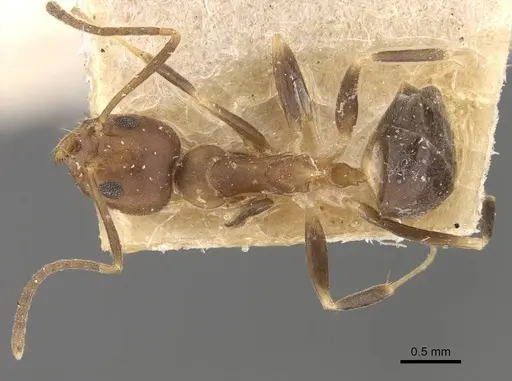
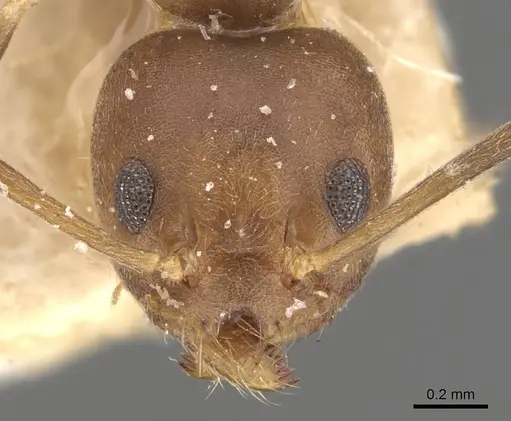
CASENT0919864
View on AntWeb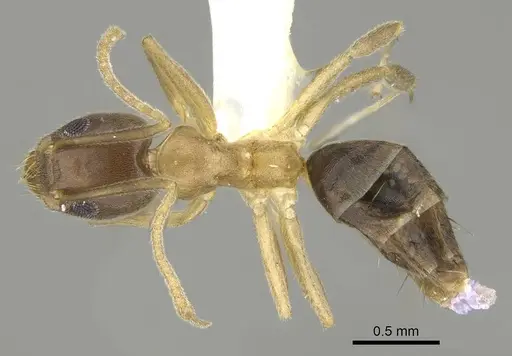
FOCOL0169
View on AntWeb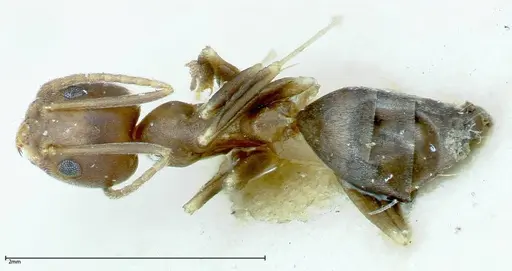
FOCOL0170
View on AntWeb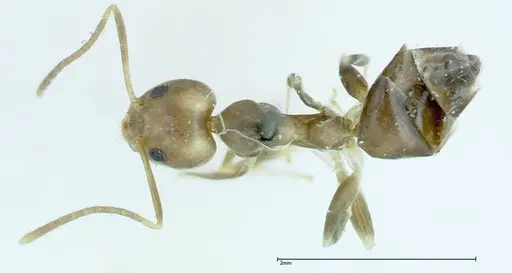
FOCOL0183
View on AntWeb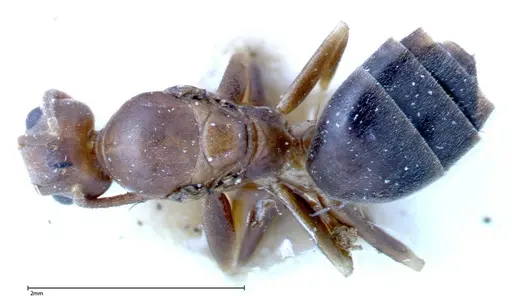
Literature
Loading...Loading products...