

Technomyrmex gorgona
- Scientific Name
- Technomyrmex gorgona
- Tribe
- Tapinomini
- Subfamily
- Dolichoderinae
- Author
- Fernández & Guerrero, 2008
- Distribution
- Found in 1 countries
Technomyrmex gorgona Overview
Technomyrmex gorgona is an ant species of the genus Technomyrmex. It is primarily documented in 1 countries , including Colombia. Detailed taxonomic data and occurrence records can be further explored via authoritative databases such as AntWeb or the Global Biodiversity Information Facility (GBIF).
Technomyrmex gorgona
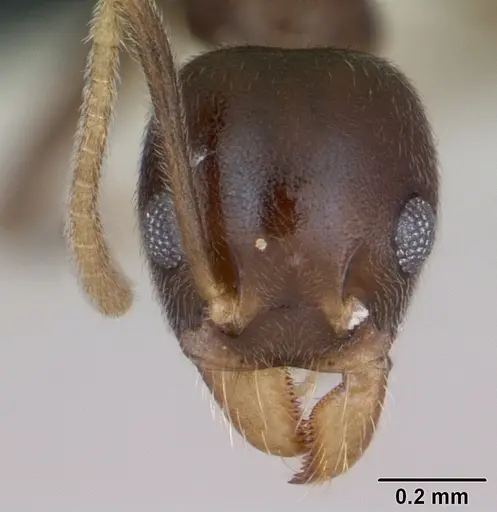
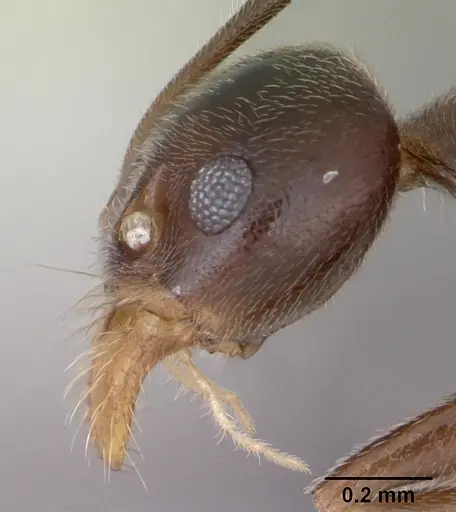
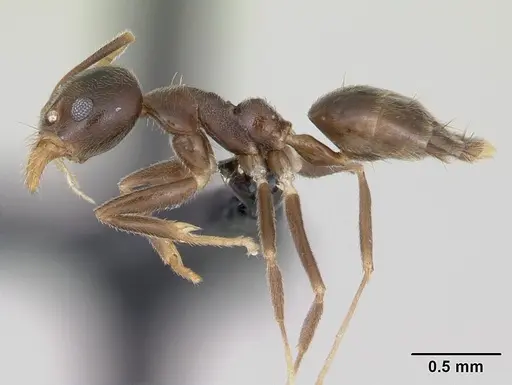
Technomyrmex gorgona is a tiny tropical ant native only to Gorgona Island off the Pacific coast of Colombia. Workers measure just 3.2-3.3mm and have a distinctive dark brown coloration that sets them apart from related species . The genus Technomyrmex is known for being attracted to sweet substances, and these ants likely tend aphids for honeydew in their natural habitat. This species is extremely rare in captivity since it's only known from a single small island location and was only formally described in 2008. As a Dolichoderinae ant, they do not have a functional stinger, instead, they rely on chemical defenses like spraying formic acid or other irritants when threatened. Their small size and restricted distribution make them a challenging but fascinating species for experienced antkeepers interested in rare tropical species.
Quick Summary
- Difficulty: Expert
- Origin & Habitat: Gorgona Island, a small continental island in the Pacific Ocean off the coast of Cauca, Colombia. The island has a tropical humid climate at low elevation (180m) [1].
- Colony Type: Unknown, only three workers have ever been documented. Based on related Technomyrmex species, likely forms moderate-sized colonies with single or multiple queens.
- Size & Growth:
- Queen: Undescribed, queen size not yet documented in scientific literature
- Worker: 3.17-3.32mm
- Colony: Unknown, no colony data available
- Growth: Unknown, no development data exists for this species
- Development: Unknown, estimated 4-8 weeks based on typical tropical Dolichoderinae development (No direct data exists. Related Technomyrmex species in tropical conditions typically develop from egg to worker in 4-8 weeks.)
- Antkeeping:
- Temperature: Keep warm at 24-28°C. This species comes from a tropical island with consistently warm temperatures year-round.
- Humidity: High humidity (70-85%), island environment suggests they prefer moist conditions. Keep the nest substrate consistently damp but not waterlogged.
- Diapause: Unlikely, being a tropical species from an island near the equator, they probably do not require a diapause period. However, a slight cooling period during winter months may be beneficial.
- Nesting: In captivity, a small acrylic nest or Y-tong setup with tight chambers scaled to their tiny 3mm size would work well. They likely prefer humid nest environments.
- Behavior: Generally non-aggressive but will use chemical defenses when threatened. As with other Technomyrmex, they are likely attracted to sweet liquids and may tend aphid colonies. Their small size means escape prevention is critical, they can squeeze through very small gaps. They are likely fast-moving and active foragers.
- Common Issues: Very limited availability, this species is extremely rare in the antkeeping hobby and may not be available for purchase, no captive breeding data exists, all information is inferred from related species, escape prevention is critical due to their tiny 3mm size, tropical humidity requirements can be difficult to maintain consistently, lack of species-specific care information means keepers must adapt from related species
Species Background and Rarity
Technomyrmex gorgona is one of the rarest ants in the antkeeping hobby, having been described only in 2008 from a single location on Gorgona Island in Colombia . This makes it a truly exceptional species to keep, as it represents an opportunity to work with an ant that very few people have ever maintained. The species was discovered during biodiversity surveys in Gorgona National Park, a protected area that is difficult to access. Only three worker specimens have ever been collected and described scientifically, meaning almost nothing is known about their biology in the wild . This rarity also means they are unlikely to be available through commercial ant breeders, making them a prize species for serious collectors.
Housing and Nest Setup
For this tiny 3mm ant, you'll need a nest with very small chambers and narrow passages. A small acrylic formicarium or Y-tong nest works well, the chambers should be sized appropriately so the ants don't feel exposed in large open spaces. Because they come from a humid tropical island, maintain high humidity within the nest. Use a water tube or moisture reservoir to keep the substrate consistently damp. Given their tiny size, escape prevention is absolutely critical, use fine mesh on any ventilation holes and ensure all connections are sealed. A small outworld for foraging allows you to observe their behavior and offer food.
Feeding and Diet
Based on typical Technomyrmex behavior, these ants are likely strongly attracted to sweet substances. Offer sugar water, honey water, or diluted maple syrup regularly. They may also accept small protein sources like fruit flies, tiny crickets, or mealworm pieces. In the wild, Technomyrmex species often tend aphids and scale insects for honeydew, so if your colony grows established, you might consider offering an aphid colony. Feed small amounts every few days and remove any uneaten sweet food within 24 hours to prevent mold.
Temperature and Humidity
As a tropical species from a small island near the equator, Technomyrmex gorgona needs warm and humid conditions. Keep the nest at 24-28°C consistently, use a small heating cable or mat if your room temperature is below this range. Place the heating element on top of the nest rather than underneath to avoid drying out the substrate. Humidity should remain high at 70-85%. Monitor condensation levels in the nest, some condensation is good but excessive moisture can drown the colony. A humidity gauge helps maintain proper conditions.
Behavior and Defense
Technomyrmex gorgona belongs to the subfamily Dolichoderinae, which means they do not have a functional stinger. Instead, like their relatives the Argentine ant and ghost ant, they defend themselves by spraying chemical irritants. They are generally not aggressive toward keepers and are quite small, so they pose no danger to humans. However, their small size means they are excellent escape artists, even tiny gaps in your setup will result in escapes. Their workers are dark brown and quite active, moving quickly when foraging.
Frequently Asked Questions
How do I get Technomyrmex gorgona ants?
This is extremely difficult. Technomyrmex gorgona is only known from a single small island in Colombia and was only described in 2008. It is unlikely to be available through commercial ant sellers. Your best option would be connecting with researchers working in Gorgona National Park or specialized ant collectors who focus on rare South American species.
What do Technomyrmex gorgona ants eat?
Based on typical Technomyrmex behavior, they are strongly attracted to sweet liquids. Offer sugar water, honey water, or diluted maple syrup regularly. They will also accept small protein sources like fruit flies or tiny insects. They likely tend aphids for honeydew in the wild.
What temperature do Technomyrmex gorgona ants need?
Keep them warm at 24-28°C. This tropical island species requires consistently warm conditions year-round. Use a small heating setup if your room temperature is below this range.
Do Technomyrmex gorgona ants need hibernation?
Probably not. Being from a tropical island near the equator, they likely do not require a diapause or hibernation period. However, a slight temperature reduction during winter months may be appropriate.
How big do Technomyrmex gorgona colonies get?
Unknown, no colony data exists for this species. Based on related Technomyrmex species and their small 3mm worker size, colonies likely reach several hundred workers.
Are Technomyrmex gorgona ants good for beginners?
No. This species is rated Expert difficulty due to its extreme rarity, lack of captive care data, and specific tropical humidity requirements. Unless you already have experience with rare tropical species, choose a more documented species.
Why are Technomyrmex gorgona ants so rare?
They are only found on Gorgona Island, a small continental island off the Pacific coast of Colombia. The species was only formally described in 2008 and only three workers have ever been documented. Their entire known range is within a protected national park.
How long does it take for Technomyrmex gorgona eggs to become workers?
Unknown, no development data exists for this species. Based on typical tropical Dolichoderinae, estimate 4-8 weeks from egg to worker at optimal temperature (around 26°C).
Can I keep Technomyrmex gorgona in a test tube setup?
A test tube setup can work for a founding queen or small colony, but due to their tiny 3mm size and high humidity needs, you'll need to ensure excellent escape prevention. A small acrylic formicarium with appropriate chamber sizes may be better for established colonies.
References

This caresheet is licensed under CC BY-SA 4.0 .
CASENT0173586
View on AntWeb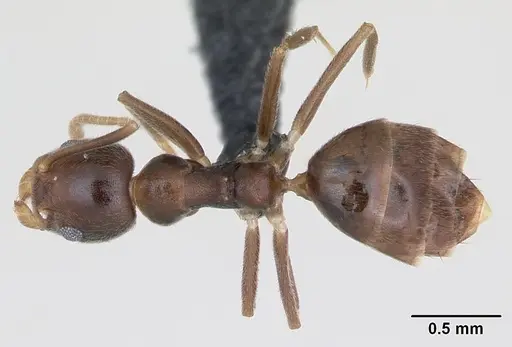
Literature
Loading...Loading products...