

Technomyrmex elatior
- Scientific Name
- Technomyrmex elatior
- Tribe
- Tapinomini
- Subfamily
- Dolichoderinae
- Author
- Forel, 1902
- Distribution
- Found in 4 countries
Technomyrmex elatior Overview
Technomyrmex elatior is an ant species of the genus Technomyrmex. It is primarily documented in 4 countries , including Lao People's Democratic Republic, Malaysia, Nepal. Detailed taxonomic data and occurrence records can be further explored via authoritative databases such as AntWeb or the Global Biodiversity Information Facility (GBIF).
Technomyrmex elatior
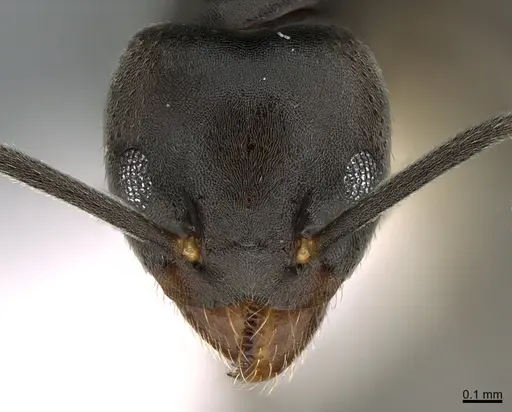
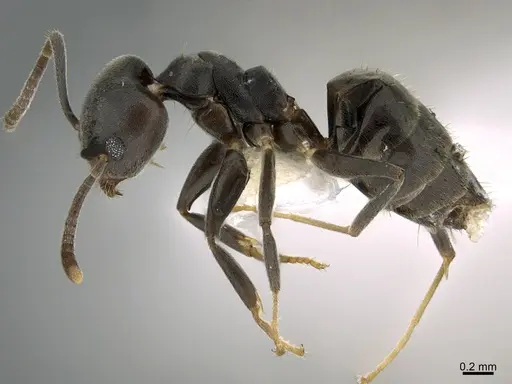
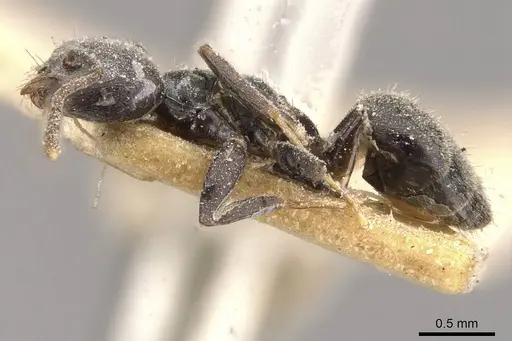
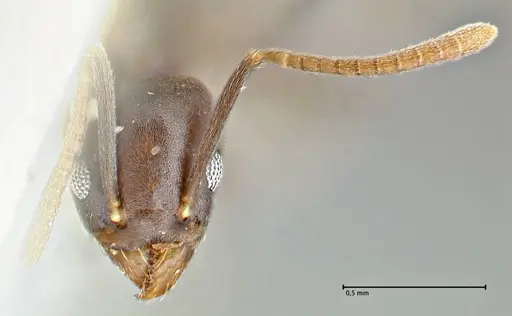
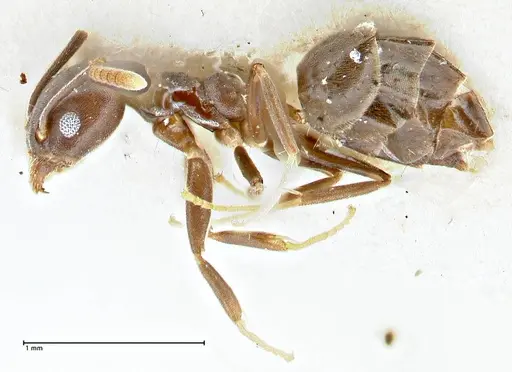
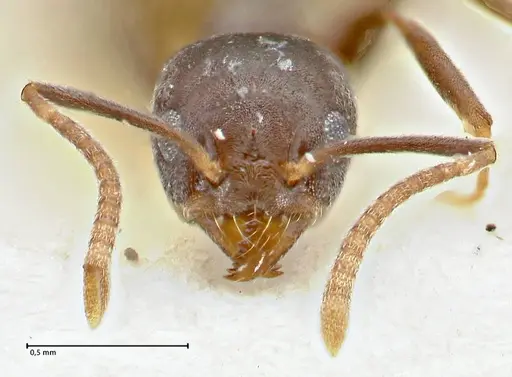
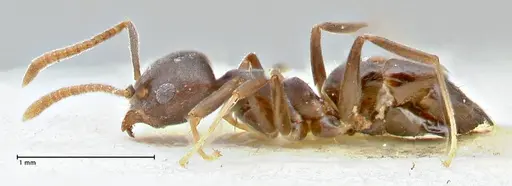
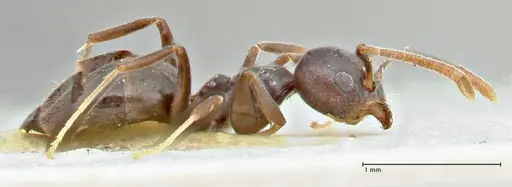
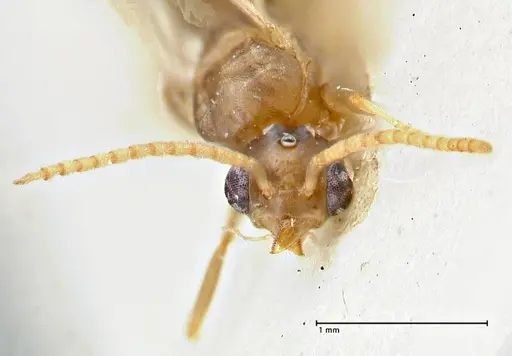
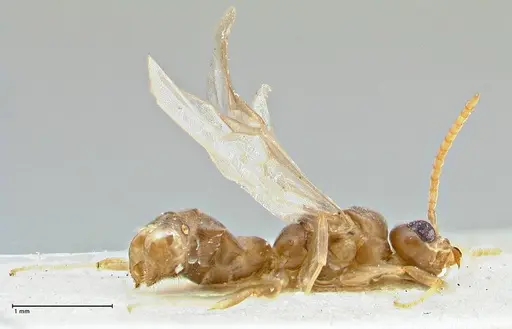
Technomyrmex elatior is a small dolichoderine ant native to tropical Asia, ranging from India through Southeast Asia to Indonesia and the Philippines [1]. Workers measure 2.9-3.7mm with a distinctive broad head that has a deeply notched posterior margin, a key identification feature that separates them from similar species like T. albipes. Their body is dark brown to black, and unlike many related species, they completely lack erect setae on the head behind the eyes [1]. This species is notable for being a habitat specialist strongly associated with rubber plantations rather than natural forests, which is unusual among ants and may reflect their preference for disturbed, agricultural landscapes [2]. They are also one of three Technomyrmex species identified as having invasive potential based on port-of-entry intercepts [3].
Quick Summary
- Difficulty: Medium
- Origin & Habitat: Native to tropical Asia including India, Nepal, Sri Lanka, China, Vietnam, Cambodia, Thailand, Malaysia, Indonesia, Brunei, Singapore, and Philippines. Found in forests throughout Thailand, typically nesting under bark of dead trees, in rotten tree trunks, dead twigs on trees, or decayed wood [1]. In Sri Lanka, restricted to the wet zone only [4]. Unusually, this species shows strong preference for rubber plantations over primary or secondary forest [2].
- Colony Type: Colony structure is not fully documented, no queen specimens have been found from Southeast Asian populations [1]. The species produces intercaste females (intermediate forms between workers and queens), suggesting flexible social organization [3]. Variable worker sizes within colonies indicate potential size polymorphism [1].
- Size & Growth:
- Queen: Not documented in recent studies, queen specimens have not been collected from Southeast Asian populations [1].
- Worker: 2.9-3.7mm total length (TL), with head width 0.62-0.93mm. Thai populations measured 2.84-3.17mm TL [1].
- Colony: Colony size data is limited. Related species in the genus typically form moderate colonies. Based on their occurrence in agricultural settings and the presence of intercaste females, expect moderate-sized colonies [3].
- Growth: Growth rate is unconfirmed. As a tropical species with intercaste reproduction, development may be relatively fast under warm conditions.
- Development: Unconfirmed, no specific development data exists for this species. Based on typical Dolichoderinae patterns and tropical climate origin, expect 4-8 weeks from egg to worker at optimal temperature. (Development timeline is estimated from related tropical Dolichoderinae species. No direct observations of founding or development have been documented.)
- Antkeeping:
- Temperature: Keep at 24-28°C. As a tropical species from Southeast Asia, they require warm conditions year-round. Room temperature may be sufficient if your home stays in the low-to-mid 20s°C, otherwise use a heating cable on one side of the nest to create a gentle gradient.
- Humidity: Moderate to high humidity, they naturally nest in rotting wood which retains moisture. Keep the nest substrate moderately moist but not waterlogged. Provide a water tube for drinking and occasional misting of the outworld. The nesting wood should feel damp to the touch.
- Diapause: No diapause required. As a tropical species, they do not experience cold winters in their native range. Keep them at consistent warm temperatures year-round.
- Nesting: Arboreal nester, in nature they nest under bark, in rotten tree trunks, and dead twigs on trees [1]. In captivity, provide wood-based nesting material such as a Y-tong (AAC) nest, cork setup, or a naturalistic terrarium with rotten wood pieces. They prefer tight chambers close to wood rather than open spaces. Avoid test tubes unless modified with wood inside, as they need the texture of wood for proper colony establishment.
- Behavior: Generally non-aggressive foragers. As Dolichoderinae, they lack a functional stinger and defend themselves by spraying formic acid, this can deter predators but is harmless to humans beyond a mild tingling sensation. Workers forage actively on trees and plants, typical of their arboreal lifestyle. They are not known for biting and pose no danger to keepers. Their small size (under 4mm) means escape prevention is important, use fine mesh on any ventilation and ensure all connections are tight. They are likely to explore extensively and may be skittish when disturbed, retreating into their nest chambers.
- Common Issues: tropical temperature requirements mean colonies can struggle in cool rooms or during winter without heating, arboreal nesting means they may not accept test tube setups, provide wood-based housing from the start, small size makes escape likely without proper barriers on all openings, no documented queen specimens means founding behavior is poorly understood, wild colonies may have unusual social structure, habitat specialist, they may not thrive in naturalistic setups that replicate forest conditions rather than plantation edges
Housing and Nest Setup
Technomyrmex elatior requires arboreal-style housing that mimics their natural nesting in rotting wood. The best options are Y-tong (AAC) nests, cork formicaria, or naturalistic terrariums filled with dead wood pieces and bark. They will not do well in standard test tubes because they naturally nest in wood, not bare glass chambers. Fill the outworld with dead leaves, small twigs, and bark pieces to provide foraging enrichment. Ensure the nest chamber is dark, cover three sides of a Y-tong or acrylic nest with a dark cloth. A small water tube should be provided, and the nest material should be kept moderately moist. Because they are small (under 4mm), use fine mesh (at least 0.5mm) on any ventilation holes to prevent escapes [1].
Feeding and Diet
Like other Dolichoderinae, T. elatior likely feeds on honeydew from aphids and scale insects, plus small insects for protein. In captivity, offer sugar water or honey diluted with water (50/50) as a constant sugar source. For protein, provide small live prey like fruit flies, pinhead crickets, or small mealworms. They are small ants, so prey items should be appropriately sized, no larger than their head width. Feed protein 2-3 times per week, and keep sugar water available at all times. Remove uneaten prey after 24 hours to prevent mold. Their arboreal foraging style means they may prefer feeding on elevated surfaces rather than the nest floor.
Temperature and Seasonal Care
Maintain temperatures between 24-28°C year-round. This is a tropical species that does not experience cold winters in its native range, so no hibernation or diapause is needed. During winter or in cool climates, use a heating cable on one side of the nest to maintain warmth, place the heating element on TOP of the nest, not underneath, to avoid drying out the wood too quickly. Room temperature in heated homes (20-24°C) may be acceptable but growth will be slower. Monitor for signs of cold stress such as lethargic workers clustering together. Avoid temperature fluctuations above 5°C in either direction, as this can stress the colony. They are sensitive to drying out, so maintain humidity while providing adequate ventilation to prevent mold.
Behavior and Colony Dynamics
This species is poorly studied in captivity, but behavior can be inferred from related Technomyrmex species. Workers are active foragers that travel along tree branches in nature, so they will explore the outworld extensively. They are not aggressive and will retreat rather than fight when threatened. Their primary defense is spraying formic acid, which produces a mild burning sensation on skin but poses no real danger. The presence of intercaste females (intermediate forms between workers and queens) is unusual and suggests the colony may have flexible reproductive options [3]. Workers vary significantly in size within colonies, which is normal for this species [1]. They are not known for founding new colonies aggressively, if you obtain a colony, it will likely be a queenless fragment or established colony with intercaste reproductives.
Legal and Ethical Considerations
Technomyrmex elatior is classified as Critically Endangered in Sri Lanka, meaning wild populations there are at extreme risk of extinction [5]. If you obtain this species, ensure it comes from captive-bred stock rather than wild collection. Additionally, this species has been flagged as having invasive potential, four specimens were intercepted at ports of entry, and it is one of three Technomyrmex species identified as potentially invasive [3]. Never release this ant outdoors in non-native regions. In its native range, practice responsible collection that does not deplete wild populations. Check your local regulations before acquiring this species, as some areas may have restrictions on keeping non-native ants.
Frequently Asked Questions
Can I keep Technomyrmex elatior in a test tube?
No, test tubes are not recommended. This species naturally nests in rotting wood, not bare glass chambers. Use a Y-tong (AAC) nest, cork formicarium, or naturalistic setup with dead wood pieces instead. They need wood texture to establish properly [1].
What do Technomyrmex elatior ants eat?
Feed them sugar water or honey (50/50 dilution) as a constant food source, plus small live prey like fruit flies or pinhead crickets for protein 2-3 times weekly. They are small ants, so keep prey items appropriately sized. Remove uneaten prey after 24 hours.
How long does it take for Technomyrmex elatior to develop from egg to worker?
The exact timeline is unconfirmed for this species. Based on typical tropical Dolichoderinae patterns, expect approximately 4-8 weeks from egg to first worker at optimal temperature (around 26°C). No specific studies have documented their development.
Are Technomyrmex elatior good for beginners?
This species is rated as Medium difficulty. While not aggressive, they have specific housing requirements (need wood-based nests rather than test tubes) and require warm, stable temperatures year-round. They are not the best choice for absolute beginners, but manageable for those with some antkeeping experience.
Do Technomyrmex elatior need hibernation?
No, as a tropical species from Southeast Asia, they do not require hibernation or diapause. Keep them at warm temperatures (24-28°C) year-round. Cold temperatures can stress or kill them.
How big do Technomyrmex elatior colonies get?
Colony size is not well documented, but based on related species patterns, expect moderate-sized colonies of several hundred workers. The presence of intercaste females suggests flexible colony growth. No queen specimens have been found in Southeast Asian populations, so colony dynamics may differ from typical ant species [1][3].
Why are my Technomyrmex elatior dying?
Common causes include: temperatures below 22°C (they need warmth), nest setup wrong (they need wood, not test tubes), low humidity causing desiccation, or escapes due to small size. Check that your heating is adequate, the nest has moist wood material, and all openings have fine mesh barriers.
When should I move Technomyrmex elatior to a formicarium?
Start them in a Y-tong or cork nest from the beginning, they will not accept test tube founding. If you have a small colony fragment, provide a small wood-based nest chamber. They do not need to be moved to a larger setup as they grow, simply ensure the nest has enough chambers for colony expansion.
References

This caresheet is licensed under CC BY-SA 4.0 .
CASENT0217456
View on AntWeb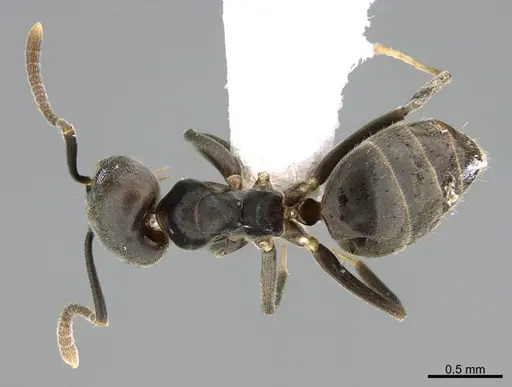
CASENT0249783
View on AntWeb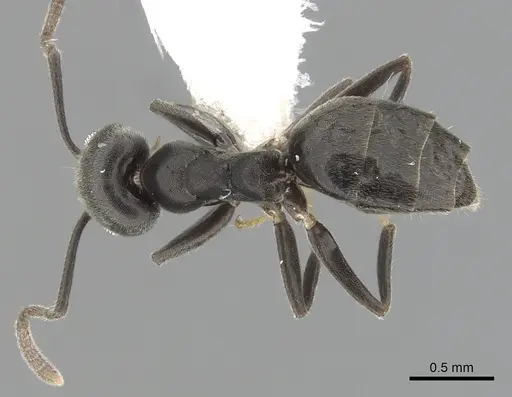
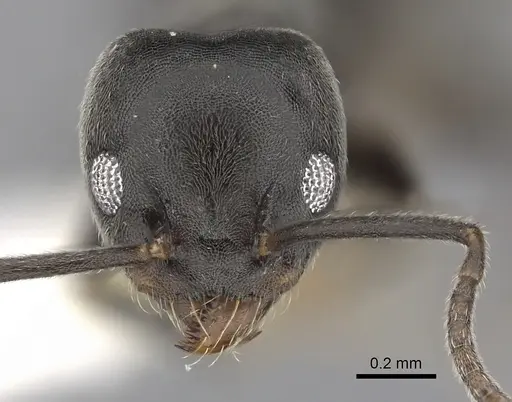
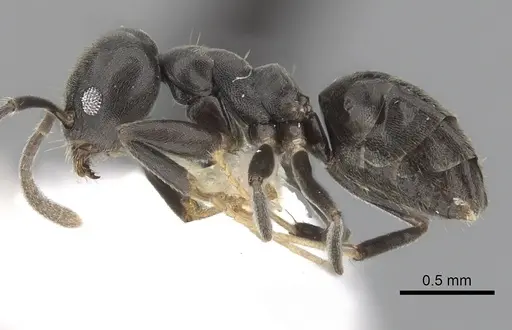
CASENT0886059
View on AntWeb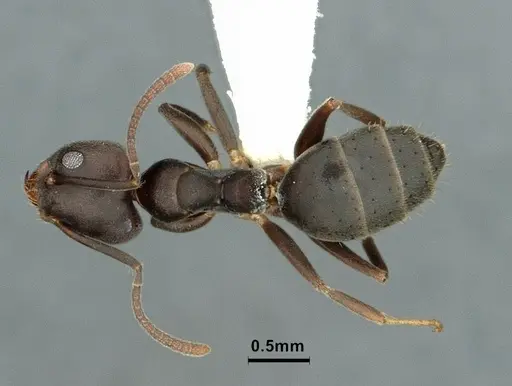
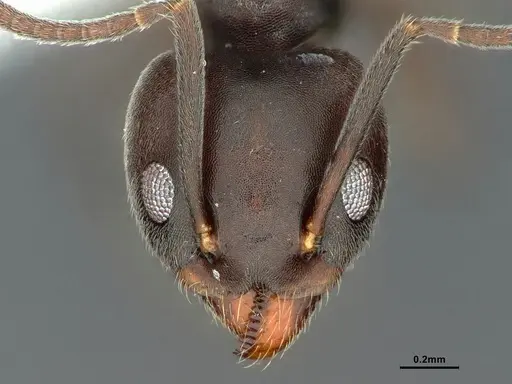
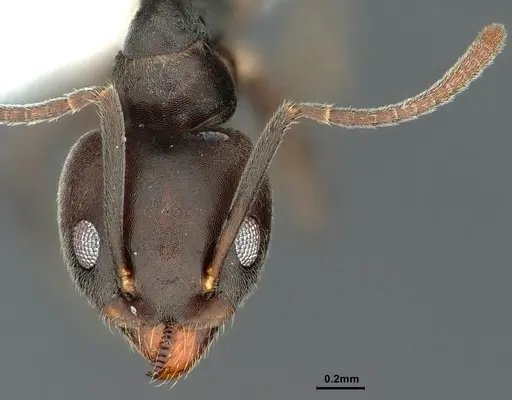
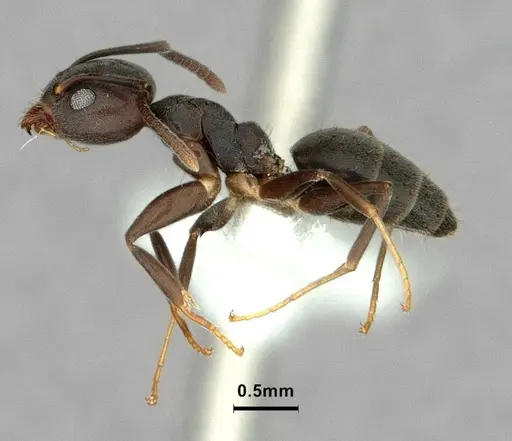
CASENT0909804
View on AntWeb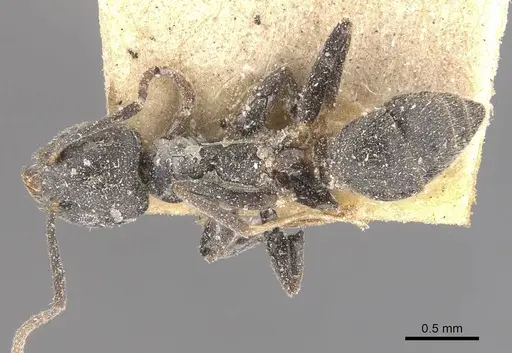
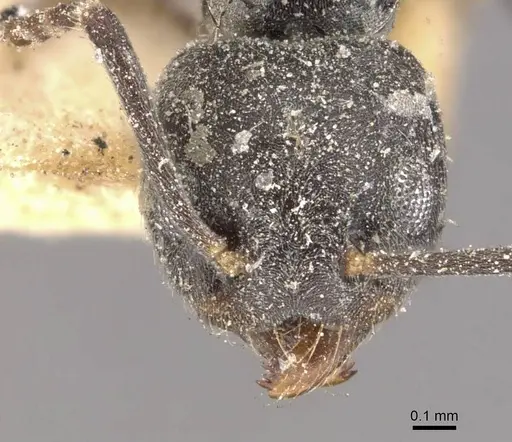
FOCOL2874
View on AntWeb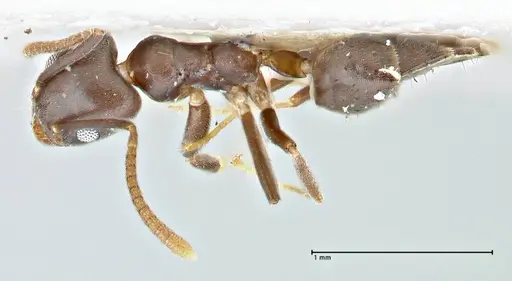
FOCOL2875
View on AntWeb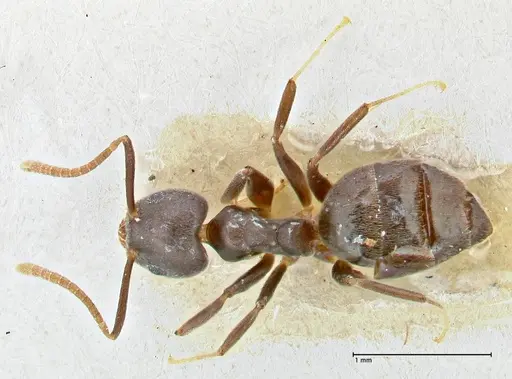
FOCOL2876
View on AntWeb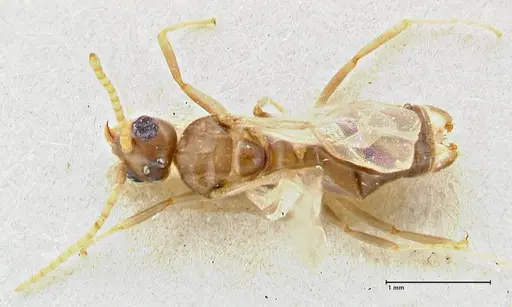
Literature
Loading...Loading products...