

Technomyrmex camerunensis
- Scientific Name
- Technomyrmex camerunensis
- Tribe
- Tapinomini
- Subfamily
- Dolichoderinae
- Author
- Emery, 1899
- Distribution
- Found in 2 countries
Technomyrmex camerunensis Overview
Technomyrmex camerunensis is an ant species of the genus Technomyrmex. It is primarily documented in 2 countries , including Kenya, Uganda. Detailed taxonomic data and occurrence records can be further explored via authoritative databases such as AntWeb or the Global Biodiversity Information Facility (GBIF).
Technomyrmex camerunensis
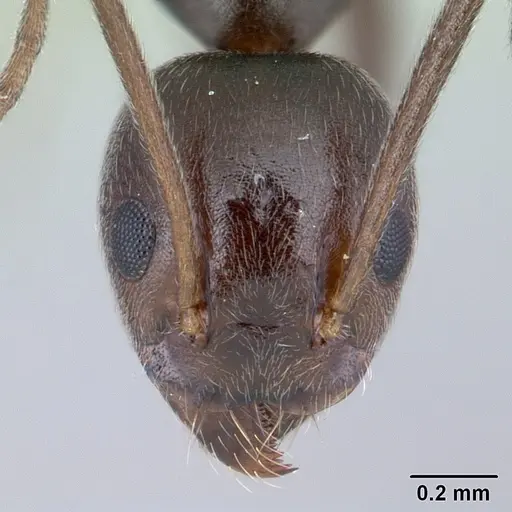
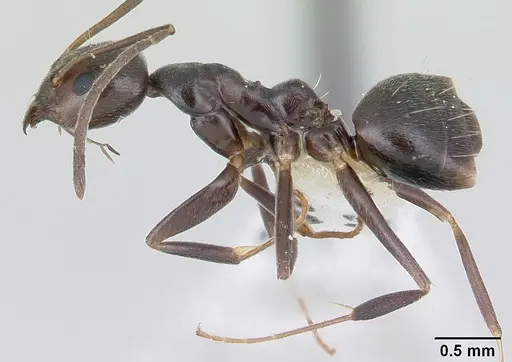
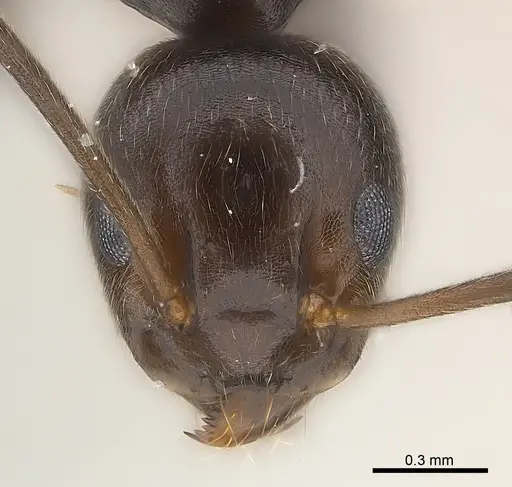
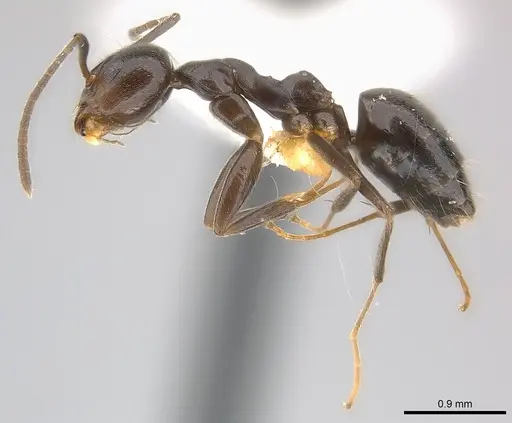
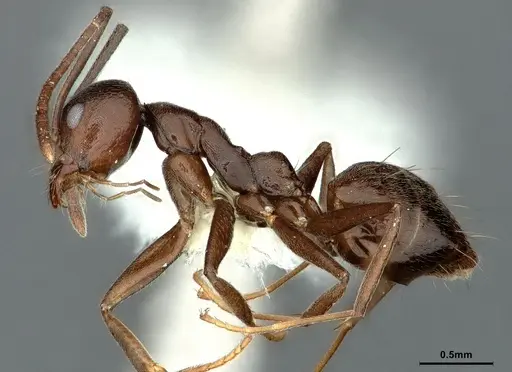
Technomyrmex camerunensis is a small ant species native to Central Africa, particularly documented in the Democratic Republic of Congo [1]. Workers are typically 3-4mm in length with a dark brown to black body and distinctive pale or white-colored tarsi (feet), which gives the genus its common name 'white-footed ants.' They belong to the Dolichoderinae subfamily, meaning they lack a functional stinger and instead defend themselves by spraying formic acid. This species follows the typical Technomyrmex body plan with a single petiolar node and a smooth, glossy mesosoma.
As a tropical African species, T. camerunensis thrives in warm, humid environments and is often found in forested areas. Like many Technomyrmex species, they are generalist foragers that feed on honeydew from aphids and scale insects, as well as small insects and other protein sources. They are known to sometimes nest in human structures, a trait shared with several related tramp species in the genus.
Quick Summary
- Difficulty: Medium
- Origin & Habitat: Democratic Republic of Congo in Central Africa. In nature, they inhabit tropical forest environments and may nest in rotting wood, under bark, or in human structures in forested areas.
- Colony Type: Likely monogyne (single-queen colonies) based on typical genus patterns, though this specific species has not been extensively studied. Colonies are moderate in size compared to other Technomyrmex species.
- Colony: Monogyne
- Founding: Claustral
- Size & Growth:
- Queen: Estimated 5-6mm based on genus typical measurements
- Worker: 3-4mm based on genus typical measurements
- Colony: Estimated several hundred to a few thousand workers based on genus patterns
- Growth: Moderate, inferred from similar tropical species
- Development: Estimated 6-8 weeks at tropical temperatures (25-28°C) based on genus-level data for related Technomyrmex species (Development time is estimated from genus patterns, no specific study on T. camerunensis development exists. Tropical species typically develop faster than temperate ones.)
- Antkeeping:
- Temperature: Keep at 24-28°C. As a tropical species, they need warm conditions year-round. A slight temperature gradient allows workers to self-regulate.
- Humidity: High humidity (70-85%) mimics their tropical forest origin. Keep the nest substrate consistently moist but not waterlogged. Provide a water source for drinking.
- Diapause: No, this is a tropical species that does not require hibernation. Keep temperatures stable year-round.
- Nesting: In captivity, they do well in acrylic nests, Y-tong (AAC) nests, or naturalistic setups with moist substrate. They prefer enclosed spaces with moderate chamber sizes. Provide some cover and dark areas.
- Behavior: Technomyrmex camerunensis is generally calm and not aggressive toward keepers. As Dolichoderinae ants, they lack stingers but will spray formic acid if threatened, this is a mild irritant rather than dangerous. Workers are active foragers that will scout for honeydew, sugar sources, and small prey. They are moderate escape artists due to their small size, use standard barrier methods like fluon on test tube rims. They are primarily nocturnal or crepuscular in activity patterns, which is common in the genus.
- Common Issues: tropical temperature requirements mean colonies can suffer if kept in cool rooms, monitor temperatures closely, small size makes escape prevention important, use fine mesh and proper barriers, high humidity needs can lead to mold if ventilation is poor, balance humidity with airflow, limited species-specific information means care is based on genus patterns rather than documented studies, formic acid spraying can stain surfaces and may irritate敏感 skin, handle gently when necessary
Housing and Nest Setup
Technomyrmex camerunensis does well in various captive setups. Acrylic nests and Y-tong (AAC) nests work well because they allow you to control humidity and temperature easily. The chambers should be appropriately sized for their 3-4mm workers, not too large, as they prefer snug spaces. A naturalistic setup with moist soil or sand also works, though you'll need to watch for mold. Since they are tropical ants, the nest should have access to a water chamber or moisture reservoir to maintain humidity. Keep the nest in a warm area away from direct sunlight and drafts.
Feeding and Diet
In captivity, offer a varied diet similar to what they would find in nature. Sugar sources are essential, they readily accept sugar water, honey, or diluted maple syrup. For protein, provide small insects like fruit flies, small crickets, or mealworms. They will also collect honeydew if you offeraphids or scale insects on suitable plants. Feed small amounts several times per week, removing any uneaten food after 24-48 hours to prevent mold. A constant sugar source should be available between protein feedings.
Temperature and Seasonal Care
As a tropical species from Central Africa, Technomyrmex camerunensis requires warm temperatures year-round. Keep the colony at 24-28°C (75-82°F). Temperatures below 22°C can slow their metabolism and development significantly. A heating cable or heating mat on one side of the nest can create a temperature gradient, allowing workers to move between warmer and cooler areas as needed. There is no diapause or hibernation requirement for this species, they remain active throughout the year if kept warm. Room temperature in heated indoor spaces often works well, but monitor with a thermometer.
Behavior and Handling
These ants are generally peaceful and easy to handle. Workers are active foragers that will explore their outworld regularly. They do not possess stingers but belong to the Dolichoderinae subfamily, which means they can spray formic acid as a defense mechanism. This spray is a mild irritant to human skin and can cause temporary discomfort, but it is not dangerous. The ants may also leave behind formic acid marks that can stain surfaces. When observing or transferring colonies, move slowly and avoid disturbing them unnecessarily. Their small size means they can slip through standard test tube cotton if the gaps are too large, use appropriate barriers.
Colony Growth and Development
A newly mated queen will seal herself in a small chamber and lay eggs after a few weeks. The first workers (nanitics) will be smaller than mature workers and typically emerge after 6-8 weeks at optimal temperatures. After the first workers arrive, the colony will gradually grow as the queen continues laying eggs. Colony growth is moderate, you can expect several dozen workers within a few months and potentially several hundred workers within a year under good conditions. The queen's egg-laying rate and colony growth depend on temperature, feeding quality, and humidity levels.
Frequently Asked Questions
How long does it take for Technomyrmex camerunensis to have first workers?
At optimal temperatures of 25-28°C, expect first workers (nanitics) to emerge in approximately 6-8 weeks after the queen lays her first eggs. This is an estimate based on genus patterns, as no specific development study exists for this species.
What temperature do Technomyrmex camerunensis need?
Keep them at 24-28°C (75-82°F). This tropical species requires warm conditions year-round. Temperatures below 22°C can slow their development and activity significantly.
Can I keep Technomyrmex camerunensis in a test tube?
Yes, test tubes work well for founding colonies. Use a test tube with a water reservoir sealed with cotton, providing humidity. Once the colony reaches 20-30 workers, consider moving them to a larger formicarium or acrylic nest.
What do Technomyrmex camerunensis eat?
They are generalists that accept sugar sources (honey, sugar water, maple syrup) and protein (small insects like fruit flies, crickets, mealworms). Offer a varied diet with constant sugar access and protein feedings several times per week.
Do Technomyrmex camerunensis need hibernation?
No, they do not require hibernation or diapause. This is a tropical species that should be kept warm year-round. Stable temperatures of 24-28°C are ideal.
How big do Technomyrmex camerunensis colonies get?
Based on genus patterns, colonies likely reach several hundred to a few thousand workers. Exact maximum size for this specific species has not been documented.
Are Technomyrmex camerunensis good for beginners?
They are moderate in difficulty. They are more challenging than basic species like Lasius because they require higher temperatures and humidity year-round. However, they are generally calm and not aggressive, making them manageable for intermediate antkeepers.
Why are my Technomyrmex camerunensis dying?
Common causes include temperatures below 22°C, low humidity, mold from excessive moisture, or poor ventilation. Check that temperatures are in the 24-28°C range, humidity is adequate but not excessive, and the nest has proper airflow.
Will Technomyrmex camerunensis escape from their nest?
They are moderate escape artists due to their small 3-4mm size. Use standard barriers like fluon on test tube rims or ensure formicarium connections are secure. They are not extreme escape artists like some tiny species, but prevention is still important.
References

This caresheet is licensed under CC BY-SA 4.0 .
CASENT0178275
View on AntWeb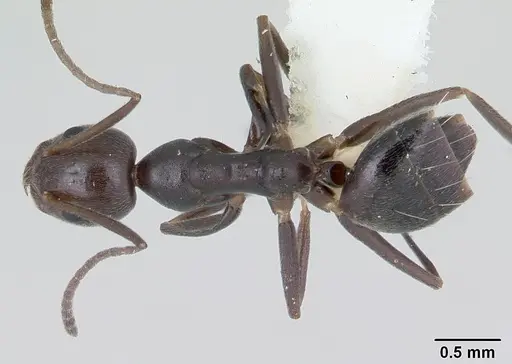
CASENT0217129
View on AntWeb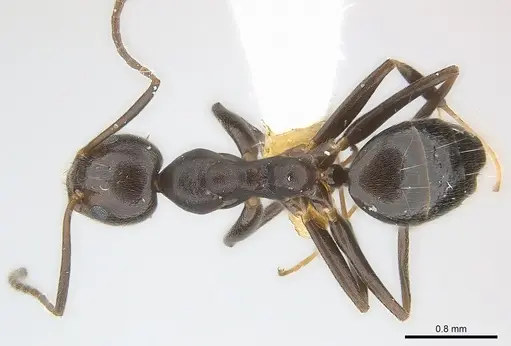
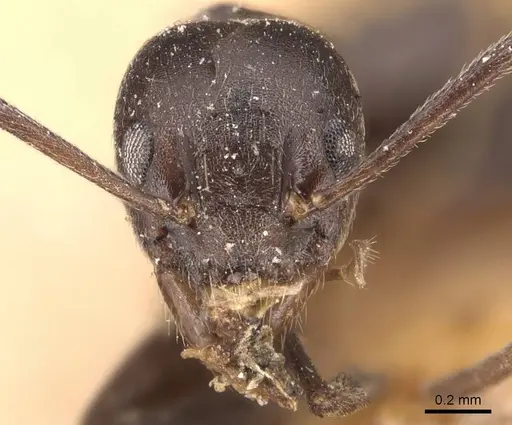
CASENT0886044
View on AntWeb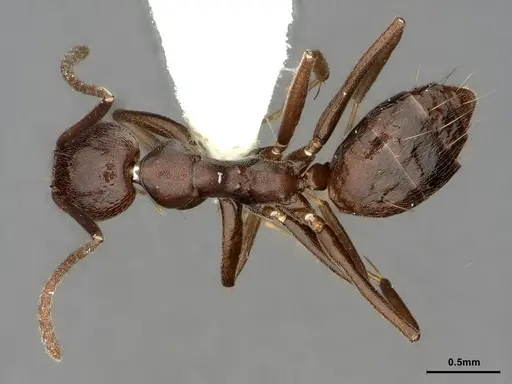
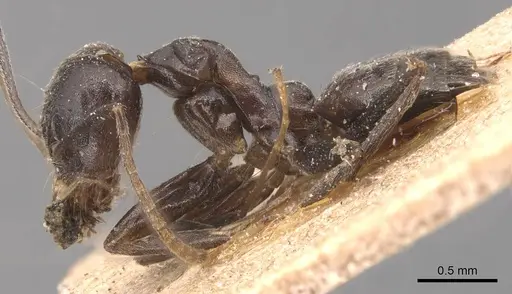
CASENT0905068
View on AntWeb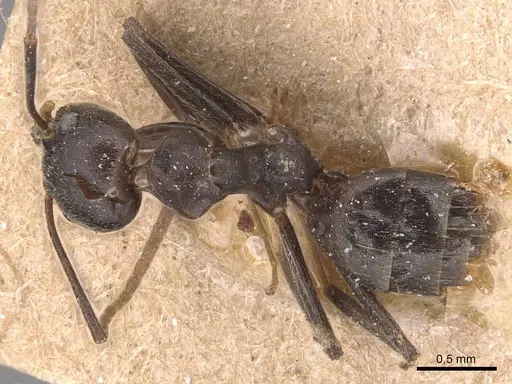
Literature
Loading...Loading products...