

Technomyrmex anterops
- Scientific Name
- Technomyrmex anterops
- Tribe
- Tapinomini
- Subfamily
- Dolichoderinae
- Author
- Fisher & Bolton, 2007
- Distribution
- Found in 1 countries
Technomyrmex anterops Overview
Technomyrmex anterops is an ant species of the genus Technomyrmex. It is primarily documented in 1 countries , including Madagascar. Detailed taxonomic data and occurrence records can be further explored via authoritative databases such as AntWeb or the Global Biodiversity Information Facility (GBIF).
Technomyrmex anterops
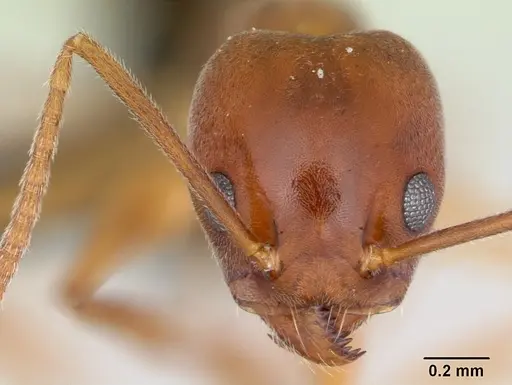
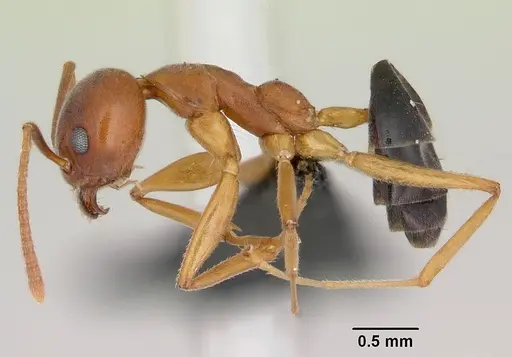
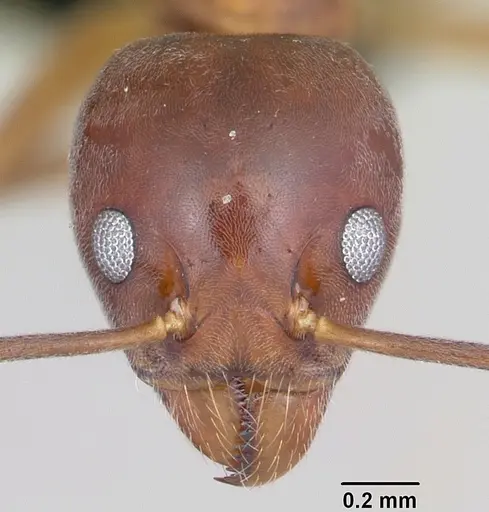
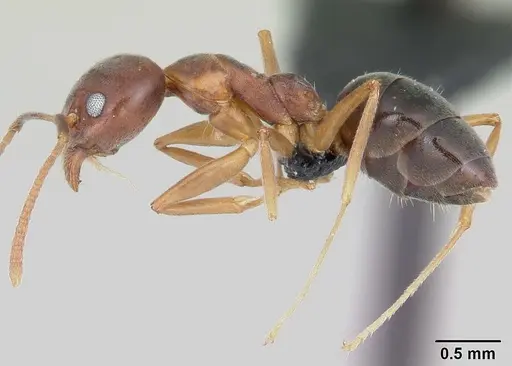
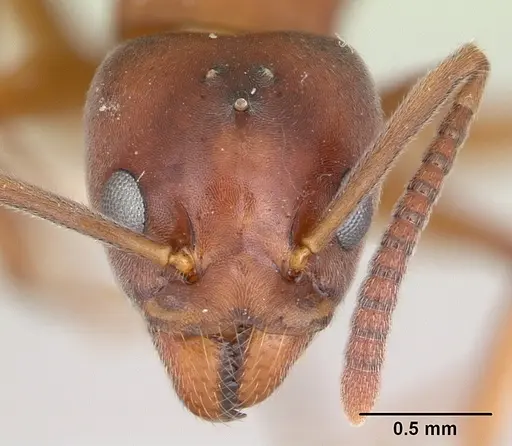
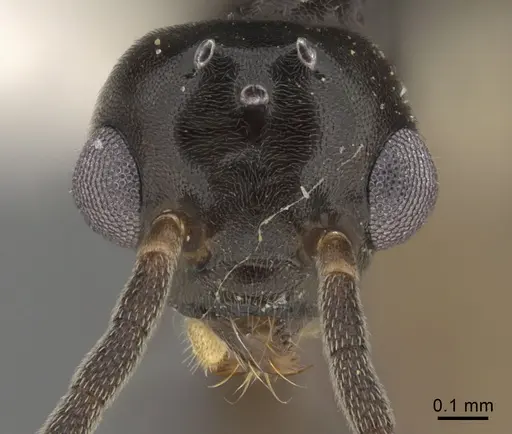
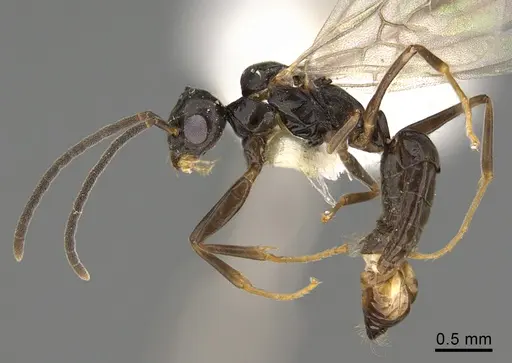
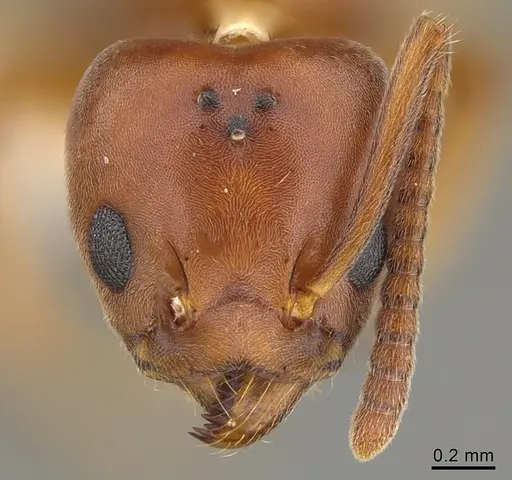
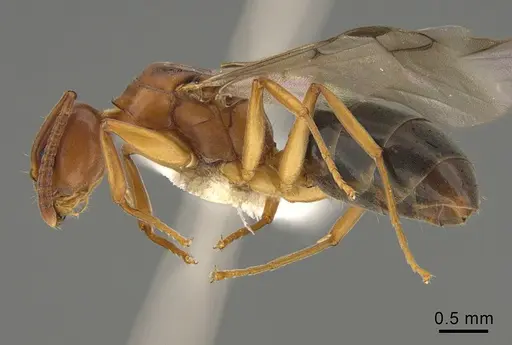
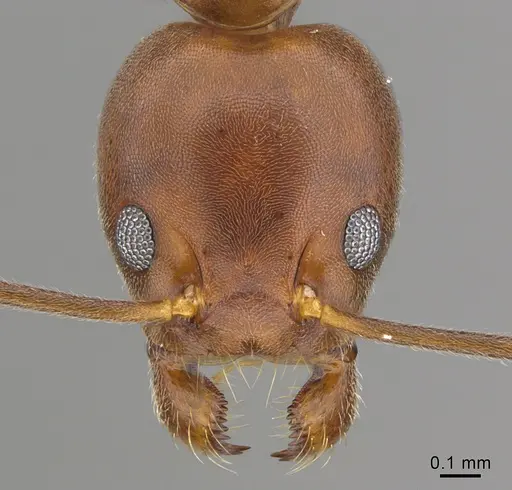
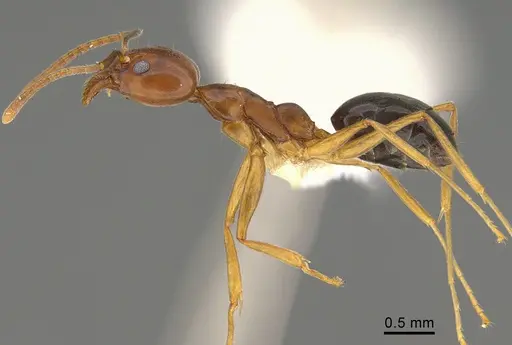
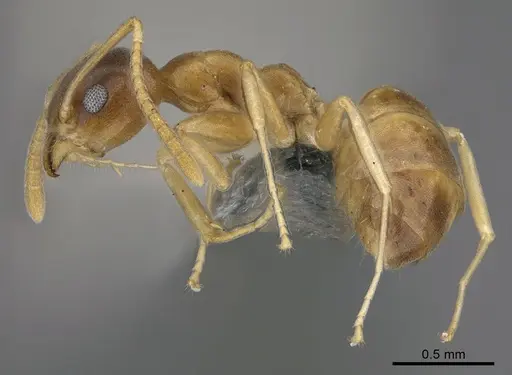
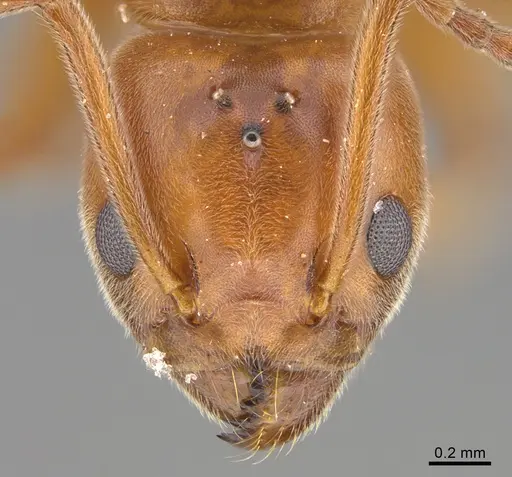
Technomyrmex anterops is a distinctive ant species native to Madagascar, known for its unusual habit of building carton nests on foliage [1]. Workers measure 3.3-4.2mm and show significant size variation within colonies. The species has a striking color pattern: a reddish-brown head, yellowish-brown mesosoma (middle body section), and dark brown to blackish gaster (abdomen). The petiole (the narrow waist segment) is notably reduced, and the eyes are positioned far forward on the head, giving this species its name 'anterops' [1]. These ants belong to the Dolichoderinae subfamily, which means they defend themselves with chemical sprays rather than stingers.
Quick Summary
- Difficulty: Medium
- Origin & Habitat: Endemic to Madagascar, found in the Malagasy region. In the wild, they build distinctive carton nests on leaves in forest environments [1]. The species was first described in 2007 from specimens collected in Ranomafana National Park at elevations around 900m [1].
- Colony Type: Colony structure is not fully documented. Known from limited specimens with alate (winged) queens collected from Andrasibe. Single-queen colonies appear likely based on available data, though multiple-queen arrangements cannot be ruled out.
- Size & Growth:
- Queen: Not fully measured but alate queens are known [1]. Estimated similar to workers but larger based on typical Dolichoderinae proportions.
- Worker: 3.3-4.2mm total length [1]
- Colony: Unknown from scientific data. Based on related Technomyrmex species, colonies likely reach several hundred workers.
- Growth: Moderate, inferred from typical Dolichoderinae development patterns
- Development: Estimated 6-8 weeks based on genus-level data for related Dolichoderines in tropical conditions (Direct development data unavailable for this species. Estimates based on typical tropical Dolichoderinae development at warm temperatures.)
- Antkeeping:
- Temperature: Keep at 24-28°C. As a tropical Madagascar species, they need warm conditions year-round [2]. Room temperature is often suitable if your home stays in this range.
- Humidity: Moderate to high humidity. These forest-dwelling ants prefer conditions similar to their rainforest habitat. Keep nesting area moderately humid but ensure good ventilation to prevent mold.
- Diapause: No, being a tropical species from Madagascar, they do not require hibernation. Maintain warm temperatures year-round.
- Nesting: Unique requirement: they build carton nests on foliage in the wild. In captivity, they do well in test tubes or acrylic nests but may benefit from having plant material or surfaces to climb on. Avoid completely enclosed nests if possible, they prefer some vertical space and surfaces to attach nest structures.
- Behavior: Generally peaceful and non-aggressive. Like other Dolichoderines, they may emit formic acid or other chemical secretions when threatened but are not dangerous to humans. Workers are active foragers, likely tending to honeydew-producing insects in captivity. Their small size (under 5mm) means escape prevention is important, use fine mesh barriers. They are not known for stinging.
- Common Issues: tropical species needs constant warmth, cold temperatures can slow or stop brood development, escape prevention matters because workers are small enough to fit through standard gaps, limited availability in the antkeeping hobby since they're rarely exported, carton-nesting behavior may not translate well to standard formicaria, provide climbing surfaces, wild-caught colonies may have limited genetic diversity affecting colony health
Housing and Nest Setup
Technomyrmex anterops presents unique housing considerations due to their natural carton-nesting behavior. In the wild, they build nests on foliage using a papery, carton-like material they construct from plant fibers and their own secretions [1]. In captivity, you can start them in a standard test tube setup, but consider adding small pieces of leaf, cork, or other surfaces they can climb on and potentially modify. Acrylic nests work well once the colony is established, but ensure there are vertical surfaces available. These ants are not aggressive and can be kept in relatively simple setups. Escape prevention is important, use fluon on container rims and fine mesh on any ventilation holes, as workers are small enough to slip through standard barriers [1].
Temperature Requirements
As a tropical species endemic to Madagascar, Technomyrmex anterops requires warm temperatures year-round. Aim for 24-28°C in the nest area. This matches their natural conditions in Madagascar's rainforest environments where temperatures remain consistently warm [2]. A heating cable or mat on one side of the nest can help maintain optimal temperatures, especially in cooler climates. Place the heating element on top of the nest rather than underneath to avoid drying out the substrate. Room temperature may suffice if your home stays consistently in the 24-28°C range, but monitor with a thermometer. Cold temperatures will slow or stop brood development entirely.
Feeding and Diet
Like other Technomyrmex species, T. anterops likely feeds on honeydew, nectar, and small insects in the wild. In captivity, offer a varied diet including sugar water or honey as a constant energy source. Protein should come from small insects like fruit flies, pinhead crickets, or mealworms. These are small ants, so prey items should be appropriately sized. They may also accept small amounts of fruit or specialized ant foods. Feed protein sources 2-3 times per week, and keep sugar water available at all times. Remove uneaten prey within 24-48 hours to prevent mold issues. [1]
Humidity and Water
Maintain moderate to high humidity in the nest area, mimicking the damp forest floor conditions of their Madagascar habitat. The nesting area should feel moist but not waterlogged. A humidity range of 60-80% works well for most tropical ants. You can achieve this by keeping one end of a water tube in the test tube or nest, or by misting the outworld occasionally. Good ventilation is essential, stagnant, overly humid air promotes mold growth which can be fatal to colonies. Provide a water source both for drinking and humidity maintenance. [1]
Behavior and Colony Dynamics
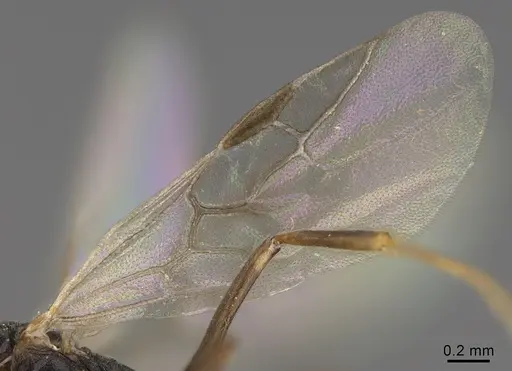
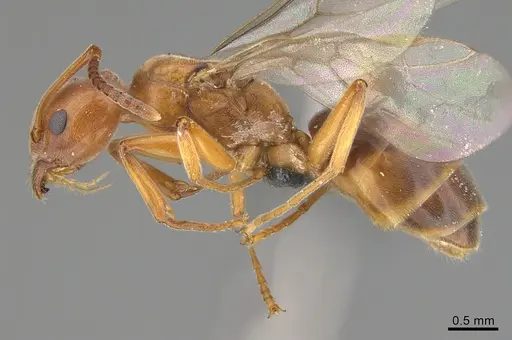
Technomyrmex anterops workers are small, active, and generally peaceful. They belong to the subfamily Dolichoderinae, which means they defend themselves through chemical means (formic acid and other secretions) rather than stinging. They are not dangerous to humans and make suitable pets. Colonies likely grow to several hundred workers over time, though exact colony sizes are not documented. Workers are foragers and will search out food throughout their enclosure. The species shows size variation among workers, with larger workers potentially serving different roles within the colony [1]. Queens are known to be alate (winged) and were collected in reproductive condition from Andrasibe in Madagascar.
Frequently Asked Questions
Is Technomyrmex anterops a good beginner ant?
This species is rated as medium difficulty. While not aggressive, they have specific requirements, primarily constant warmth as a tropical species. They may be harder to find in the hobby since they're rarely exported from Madagascar. If you can source a colony and maintain warm temperatures year-round, they can be rewarding to keep.
How long does it take for Technomyrmex anterops to raise their first workers?
Exact development time is unknown for this species. Based on typical tropical Dolichoderinae development, expect approximately 6-8 weeks from egg to worker at optimal temperatures (24-28°C). Development will be slower at cooler temperatures.
Can I keep Technomyrmex anterops in a test tube?
Yes, test tubes work well for founding colonies. However, because they naturally build carton nests on foliage, you might consider adding small pieces of leaf, cork, or other surfaces they can climb on. Once the colony grows larger, you may want to move them to a more spacious formicarium with climbing surfaces.
Do Technomyrmex anterops need hibernation?
No. Being a tropical species from Madagascar, they do not require hibernation or diapause. Maintain warm temperatures (24-28°C) year-round to keep the colony active and growing.
How big do Technomyrmex anterops colonies get?
Exact colony size is not documented in scientific literature. Based on related Technomyrmex species, colonies likely reach several hundred to perhaps a thousand workers over time. Growth rate is moderate.
What do Technomyrmex anterops eat?
They likely accept honeydew, nectar, and small insects in captivity. Offer sugar water or honey as a constant energy source, along with small protein sources like fruit flies, pinhead crickets, or small mealworms. Remove uneaten prey promptly.
Where is Technomyrmex anterops found in the wild?
This species is endemic to Madagascar, meaning it's found nowhere else in the world. They live in forest environments and build distinctive carton nests on foliage. The only known specimens come from Madagascar, particularly from Ranomafana National Park and Andrasibe.
Are Technomyrmex anterops aggressive?
No, they are generally peaceful. They may spray formic acid when threatened but are not aggressive toward keepers. Their small size and non-stinging nature make them safe to handle with care.
Why is my Technomyrmex anterops colony not growing?
Check temperature first, being tropical, they need 24-28°C consistently. Cold temperatures will halt brood development. Also ensure they have adequate protein and sugar sources. Poor nutrition or temperatures below their requirements are the most common causes of stunted growth.
References

This caresheet is licensed under CC BY-SA 4.0 .
CASENT0058901
View on AntWeb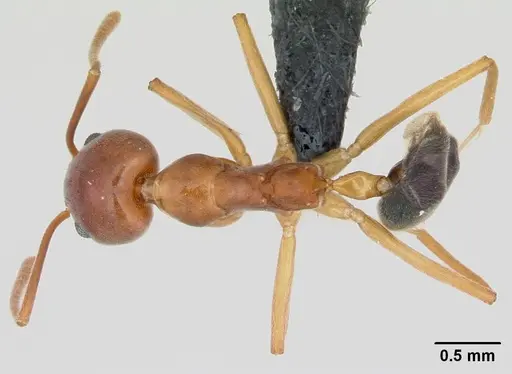
CASENT0097891
View on AntWeb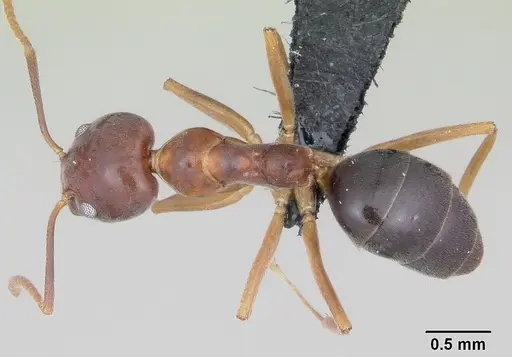
CASENT0170211
View on AntWeb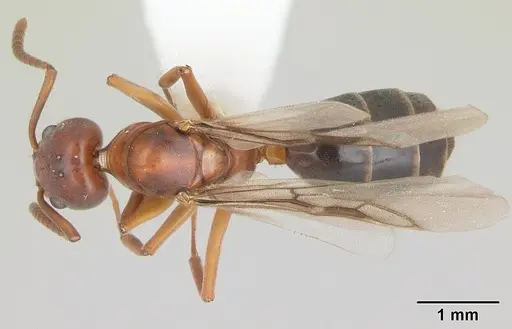
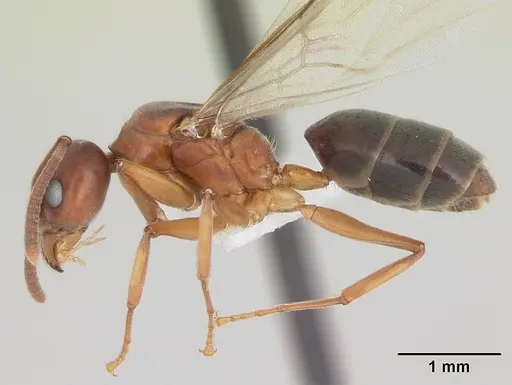
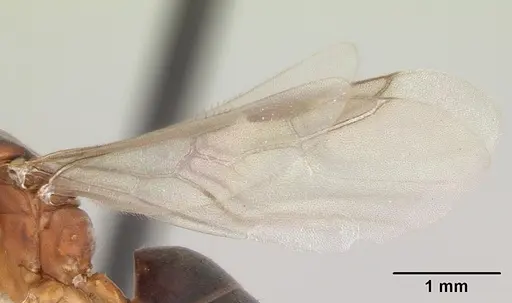
CASENT0345014
View on AntWeb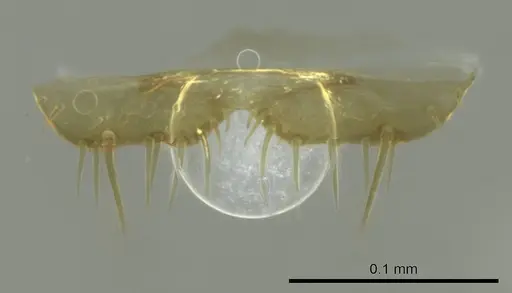
CASENT0345015
View on AntWeb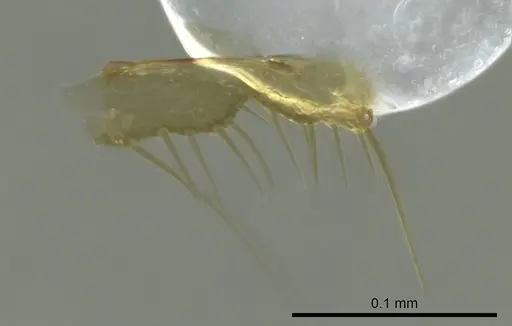
CASENT0345016
View on AntWeb
CASENT0345018
View on AntWeb
CASENT0345019
View on AntWeb
CASENT0923772
View on AntWeb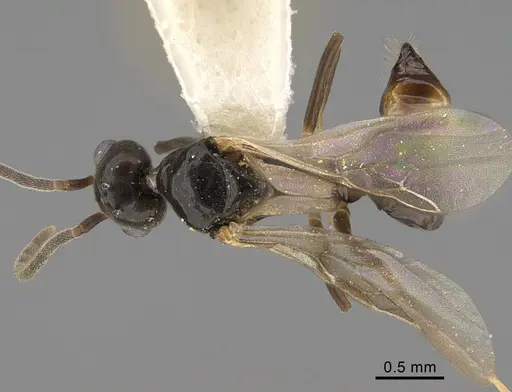
CASENT0923773
View on AntWeb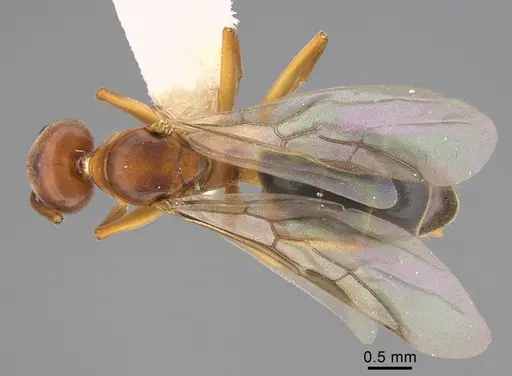
CASENT0923774
View on AntWeb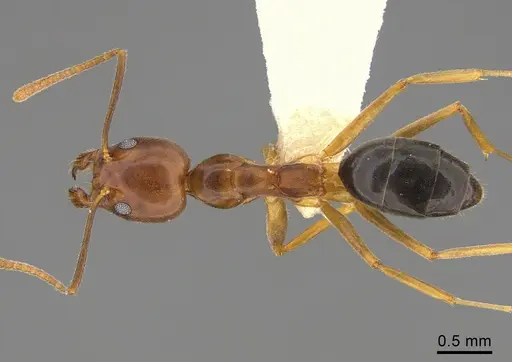
CASENT4025392
View on AntWeb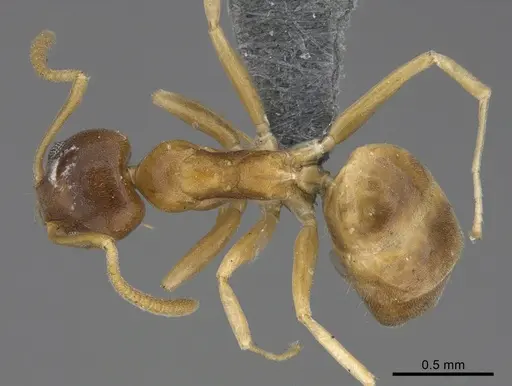
CASENT4025601
View on AntWeb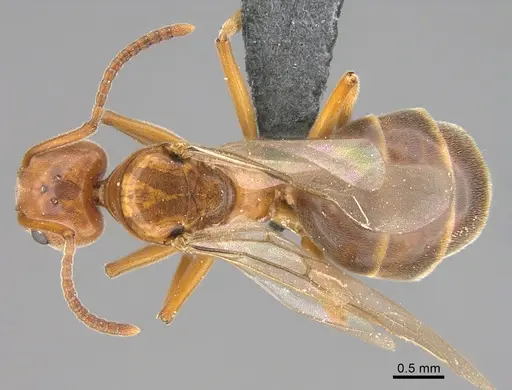
Literature
Loading...Loading products...