

Tapinoma simrothi
- Scientific Name
- Tapinoma simrothi
- Tribe
- Tapinomini
- Subfamily
- Dolichoderinae
- Author
- Krausse, 1911
- Distribution
- Found in 13 countries
Tapinoma simrothi Overview
Tapinoma simrothi is an ant species of the genus Tapinoma. It is primarily documented in 13 countries , including United Arab Emirates, Afghanistan, Algeria. Detailed taxonomic data and occurrence records can be further explored via authoritative databases such as AntWeb or the Global Biodiversity Information Facility (GBIF).
Tapinoma simrothi
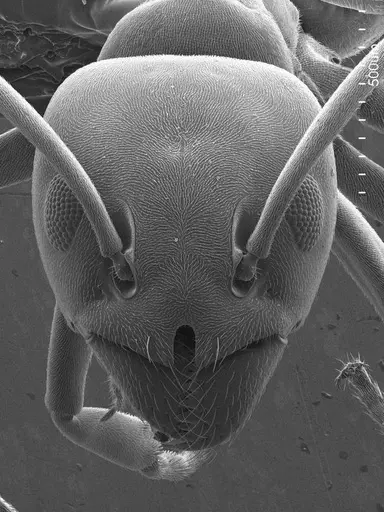
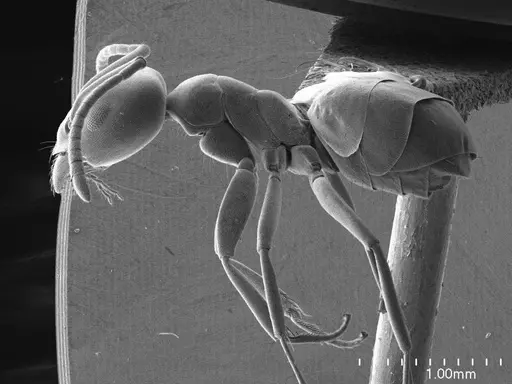
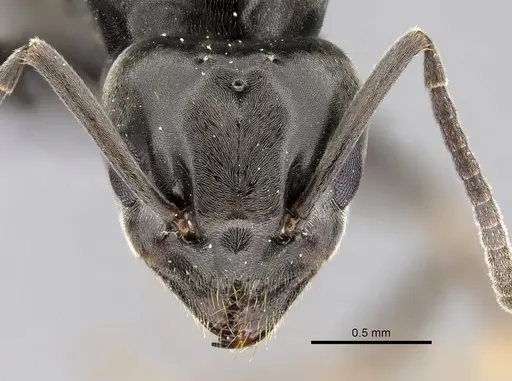
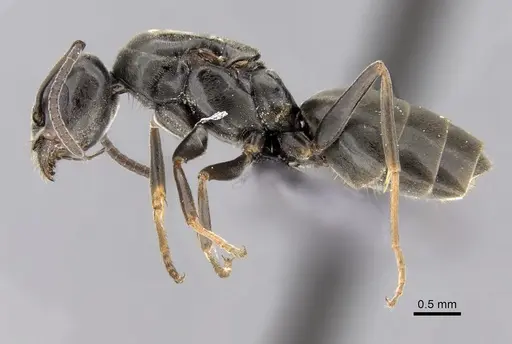
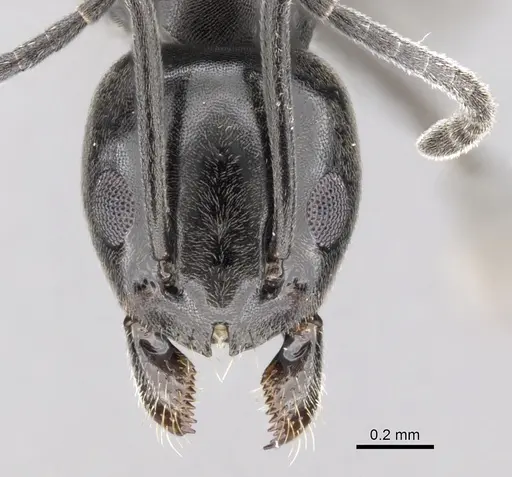
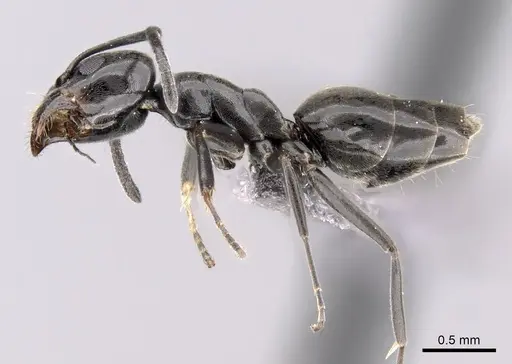
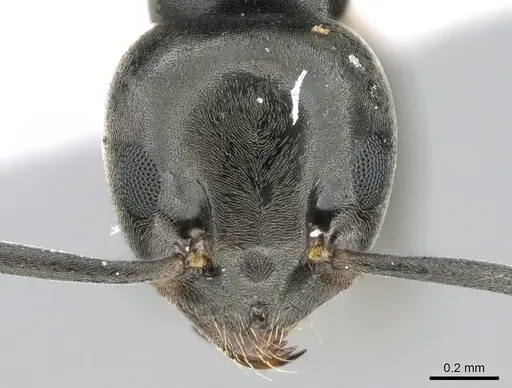
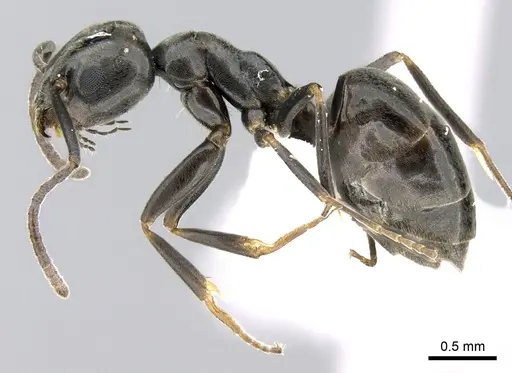
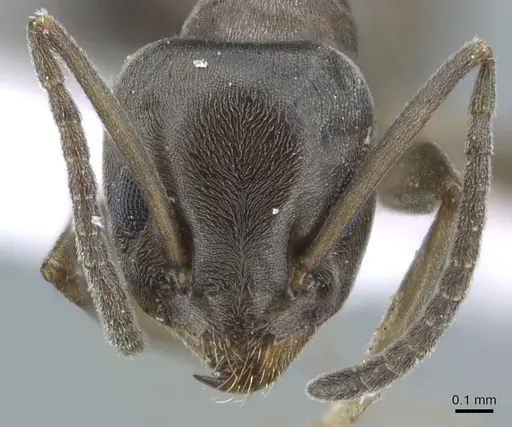
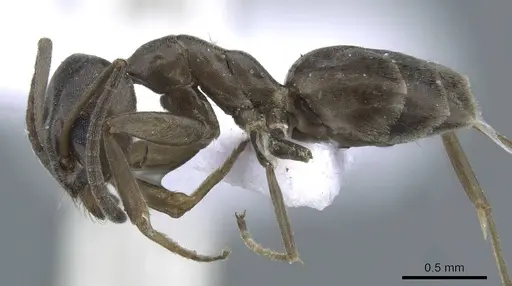
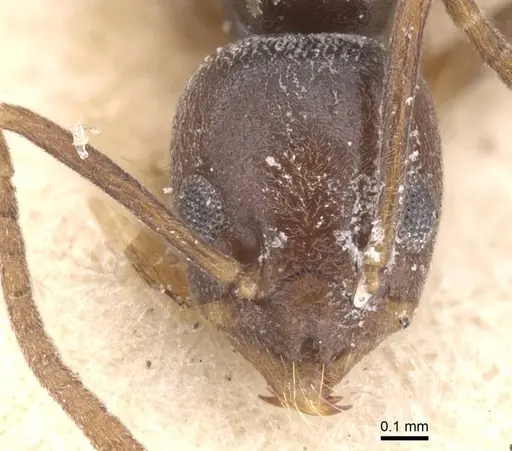
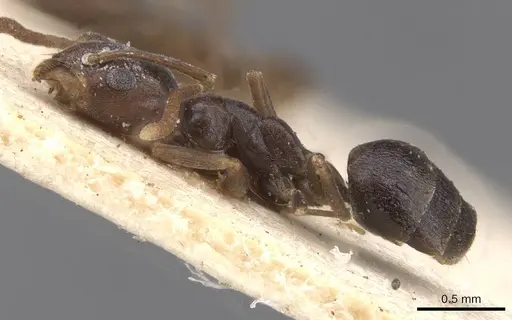
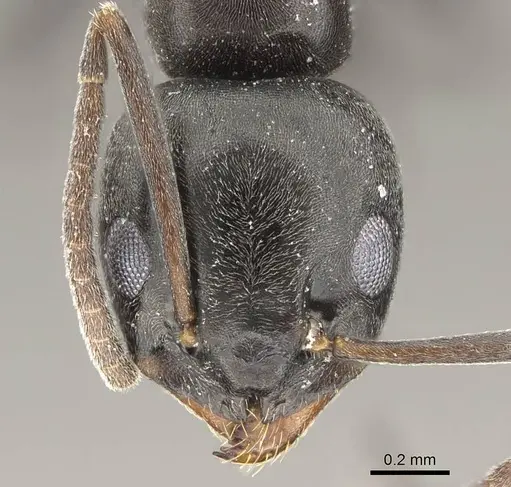
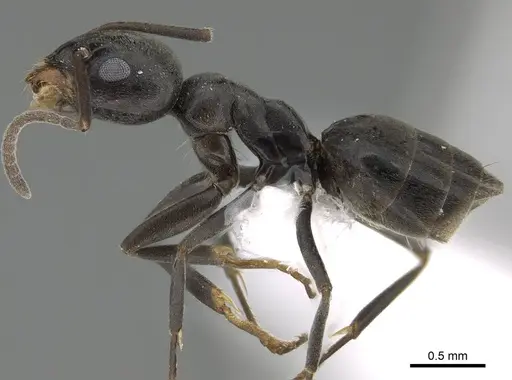
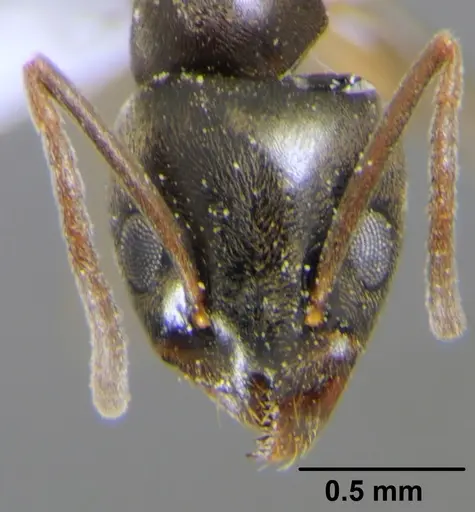
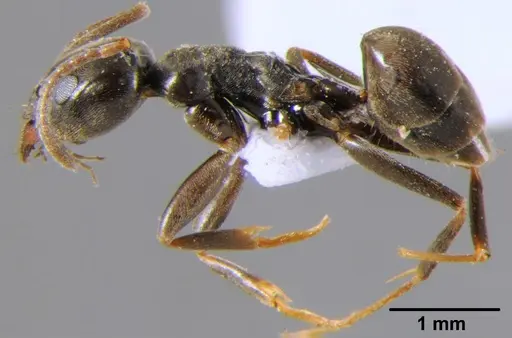
Tapinoma simrothi is a small to moderately large, polymorphic ant species native to the West Mediterranean region. Workers measure 2.5-4mm depending on caste, with a distinctive dark brown to black body and deep notch in the clypeus (the plate covering the mouthparts). The species is polygynous, meaning colonies have multiple queens, and forms both single-nest and multi-nest colonies [1]. This ant is a warmth-loving species that thrives in sunny, open habitats from coastal areas to mountains up to 1070m. It has expanded from its Middle Eastern origins across the Mediterranean Basin and into the Arabian Peninsula, where it's known for tending aphids and mealybugs for honeydew [2][3]. Unlike some related species, T. simrothi does not form massive supercolonies, but colonies can still reach several thousand workers [4].
Quick Summary
- Difficulty: Easy
- Origin & Habitat: West Mediterranean region, native range spans from Morocco east to Tunisia and north to 41°N in Spain and Sardinia. Has spread to Afghanistan, Arabian Peninsula (Saudi Arabia, UAE, Oman, Yemen, Kuwait, Qatar), Iran, Turkey, Greece, France, Italy, and Malta [1][5]. Prefers very sunny open habitats including sand dunes, coastal cliffs, garrigue, meadows, pastures, gardens, and urban areas with pavement and some greenery.
- Colony Type: Polygynous (multiple-queen) colonies. May form both monodomous (single nest) and polydomous (multiple connected nests) colonies but not the large supercolonies seen in related species like T. nigerrimum.
- Colony: Polygyne
- Founding: Claustral
- Size & Growth:
- Queen: 9-11mm [1], queens are large relative to workers
- Worker: 2.5-4mm [6][1], polymorphic with major and minor workers
- Colony: Several thousand workers [4]
- Growth: Moderate
- Development: 6-8 weeks (estimated based on typical Dolichoderinae development) (Development time is typical for Mediterranean ant species, exact timing not specifically documented for this species)
- Antkeeping:
- Temperature: Keep at 22-28°C, this warmth-loving species prefers warm conditions. Room temperature is often suitable for established colonies [1]. Provide a temperature gradient allowing workers to choose their preferred warmth.
- Humidity: Moderate humidity, they nest in soil and tolerate dry conditions well. Keep nest substrate lightly moist but not waterlogged. These ants are found in both coastal salt pans and inland dry areas, showing adaptability.
- Diapause: No, as a Mediterranean species from warm climates, they do not require hibernation. However, cooler winter temperatures will slow activity [1].
- Nesting: Soil-nesting species that builds subterranean nests. In captivity, a standard formicarium with soil or sandy substrate works well. They will also nest under stones or in walls in the wild. Provide a nest chamber connected to a foraging area.
- Behavior: Generally peaceful and not particularly aggressive. Workers are active daytime foragers that scavenge for food and tend aphids for honeydew. They use pygidial gland secretions for trail-following, when concentrated, these chemicals trigger alarm behavior, but at lower concentrations workers follow the trails calmly [7][8]. They lack venom and immobilize prey through multiple bites rather than stinging. As a small ant species, escape prevention should be moderate but they are not strong climbers like some Formica species.
- Common Issues: colonies may decline if kept too cold, provide warmth, aphid-tending behavior means they may ignore sugar water if honeydew sources are available, small colony size initially requires careful feeding, polygynous structure means multiple queens, do not attempt to separate them, may be outcompeted by more aggressive ant species in multi-species setups
Housing and Nest Setup
Tapinoma simrothi does well in standard formicarium setups. A nest chamber filled with soil or sandy soil works best since they are natural soil-nesters. You can also use Y-tong (AAC) nests or acrylic setups with soil chambers. Connect the nest to a foraging area where you can offer food. Since they are polygynous, the nest should have enough space for multiple queens and eventually a large worker population. A shallow water reservoir in the foraging area helps maintain humidity without flooding the nest. These ants are not particularly good climbers, so standard barrier methods like fluon on test tube rims work well for escape prevention. [1]
Feeding and Diet
In the wild, T. simrothi primarily feeds on honeydew from aphids and mealybugs, they actively tend these insects and protect them from predators [9][2]. They also scavenge for protein sources and are known predators of insect larvae. In captivity, offer sugar water or honey water as a constant carbohydrate source. For protein, provide small insects like fruit flies, small crickets, or mealworm pieces. They may ignore sugar sources if they have access to honeydew-producing insects, so consider offering protein more frequently than sugar. Some keepers report success with various household food scraps, but live prey is preferred for protein. They are daytime foragers, so offer food during daylight hours for best acceptance [3].
Temperature and Seasonal Care
This is a warmth-loving (thermophilous) species that thrives at temperatures between 22-28°C. Room temperature is often suitable for established colonies. Provide a temperature gradient by placing the heating element on one side of the nest, this lets workers regulate their own temperature by moving between warmer and cooler areas. They do not require hibernation (diapause) since they come from Mediterranean climates where winters remain mild. However, cooler winter temperatures will naturally slow their activity, which is normal. Avoid temperatures below 15°C for extended periods. In the wild, they are found from sea level up to 1070m in mountainous areas, showing they can adapt to various conditions as long as warmth is available [1].
Colony Structure and Behavior
T. simrothi is polygynous, meaning colonies naturally have multiple queens working together. This is different from many other ant species where single queens found colonies. You should not attempt to separate or remove queens, they coexist peacefully. Colonies can be monodomous (single nest) or polydomous (multiple connected nests in the wild). Workers are active during the day, foraging and tending their aphid partners. They communicate using pygidial gland secretions, these chemicals serve dual purposes depending on concentration: at high concentrations they trigger alarm/defense behavior, while at lower concentrations workers follow trail pheromones to food sources [7][8]. They are not aggressive and lack venom, relying on biting and chemical secretions for defense.
Growth and Development
Colonies grow moderately fast once established. Workers are polymorphic, you will see both major (larger) and minor (smaller) workers in the colony. Queens are significantly larger than workers at 9-11mm. Development from egg to worker takes an estimated 6-8 weeks under optimal warm conditions, typical for Dolichoderinae species. The first workers (nanitics) will be smaller than mature workers. Since colonies are polygynous, you may see multiple queens actively laying eggs, which can accelerate colony growth. Established colonies can reach several thousand workers [4]. Nuptial flights occur between mid-April and late May in the wild, when winged queens and males leave colonies to mate.
Frequently Asked Questions
Can I keep Tapinoma simrothi in a test tube?
Yes, you can start colonies in test tubes for founding. However, since they are polygynous and form larger colonies, you will need to upgrade to a proper formicarium with soil chambers as the colony grows. A test tube is suitable for a founding queen or small colony for the first few months.
How long until first workers appear?
Expect first workers (nanitics) to emerge in about 6-8 weeks under warm conditions (24-28°C). This is typical for Dolichoderinae ants. The exact timing depends on temperature, warmer temperatures speed development while cooler temperatures slow it.
Are Tapinoma simrothi good for beginners?
Yes, they are considered an easy species to keep. They are relatively docile, do not require hibernation, and adapt well to captivity. Their polygynous nature means colonies can be more robust. The main requirements are warmth (22-28°C) and regular feeding with sugar and protein.
Can I keep multiple queens together?
Yes, this is natural for this species, T. simrothi is polygynous with multiple queens per colony. Do not attempt to separate queens as they coexist peacefully. In fact, keeping them together helps the colony thrive.
What do Tapinoma simrothi eat?
They primarily need sugar (honey water or sugar water) and protein (small insects like fruit flies, crickets, mealworms). In the wild they are major aphid-tenders, so they may ignore sugar if they have access to honeydew. Offer a varied diet with constant sugar water and protein prey 2-3 times per week.
Do they need hibernation?
No, they do not require hibernation. As a Mediterranean species, they are adapted to mild winters. However, cooler winter temperatures will naturally reduce their activity, which is normal. You can keep them at room temperature year-round.
How big do colonies get?
Colonies can reach several thousand workers when mature. They are polygynous (multiple queens) which supports larger colony sizes. Growth is moderate, expect 6-12 months to reach 100+ workers under good conditions.
Why are my Tapinoma simrothi dying?
The most common causes are: too cold (keep at 22-28°C), too wet (allow substrate to dry slightly between waterings), or insufficient food. They are also sensitive to disturbance during founding. Ensure they have warmth, proper humidity, and adequate protein and sugar.
References

This caresheet is licensed under CC BY-SA 4.0 .
ANTWEB1008592
View on AntWeb
ANTWEB1041888
View on AntWeb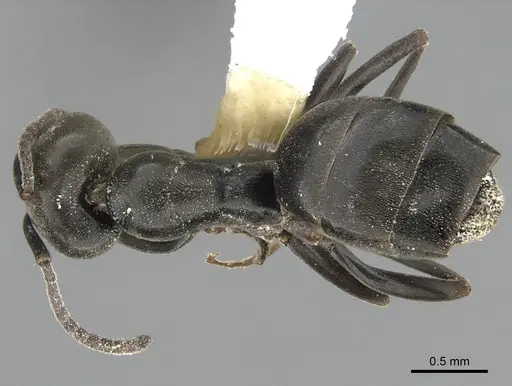
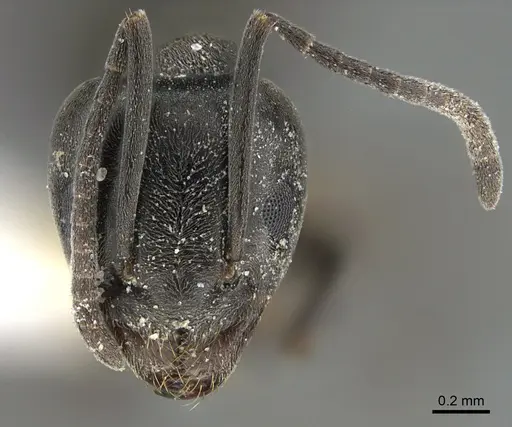
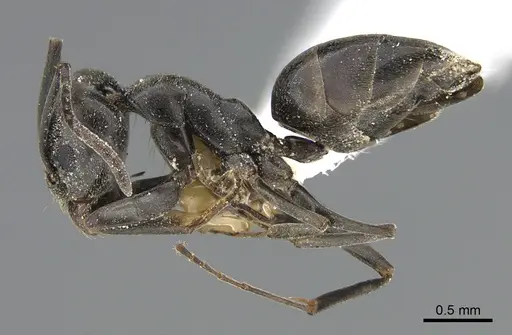
CASENT0178242
View on AntWeb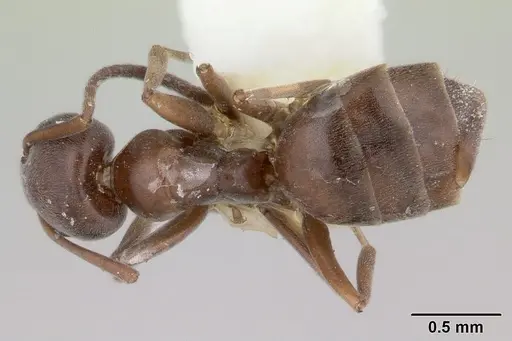
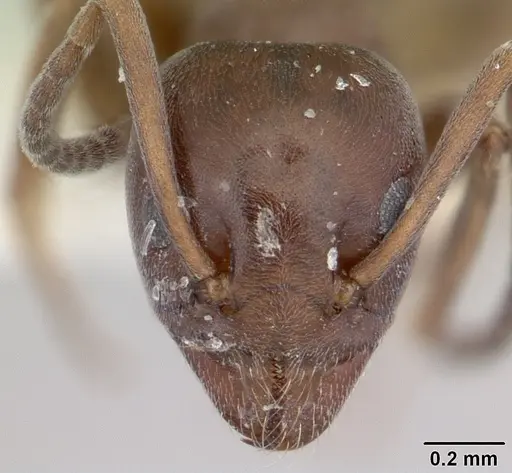
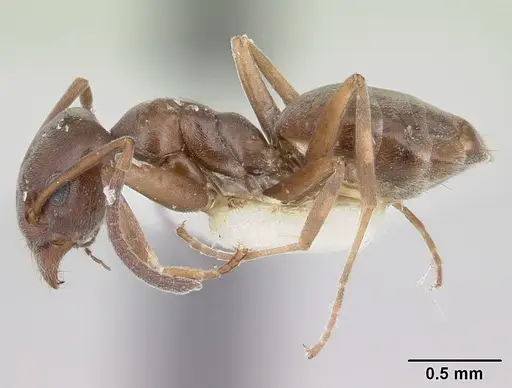
CASENT0249771
View on AntWeb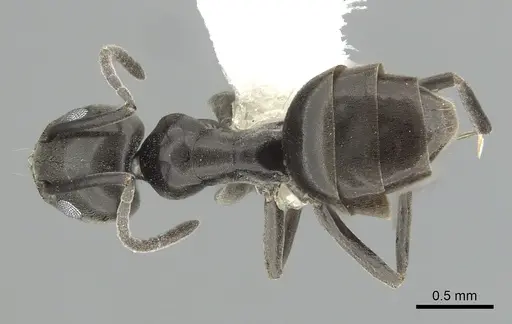
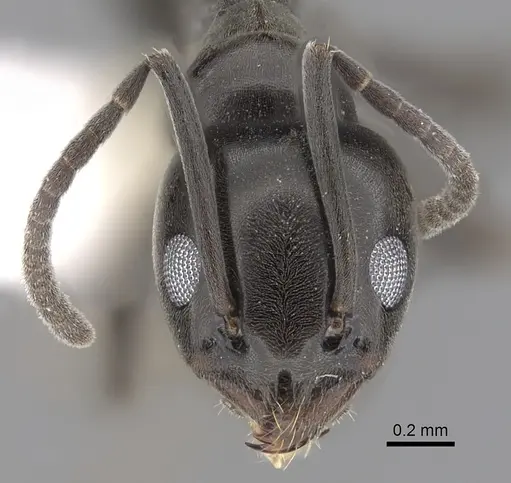
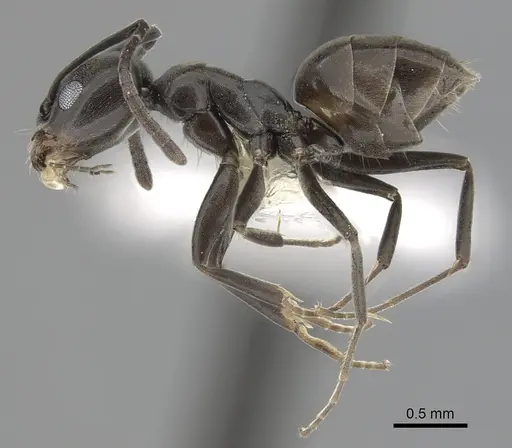
CASENT0263646
View on AntWeb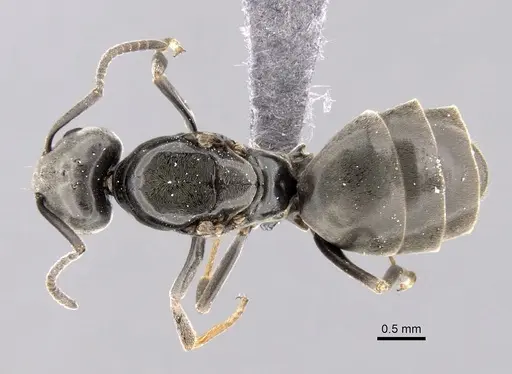
CASENT0263927
View on AntWeb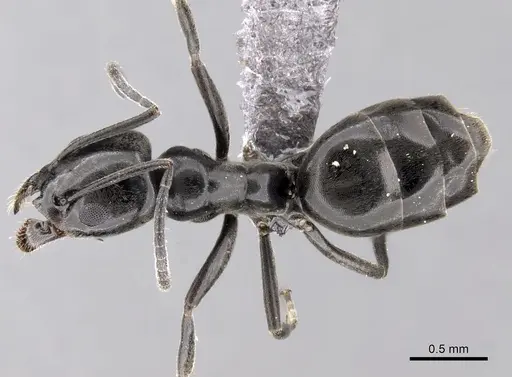
CASENT0906355
View on AntWeb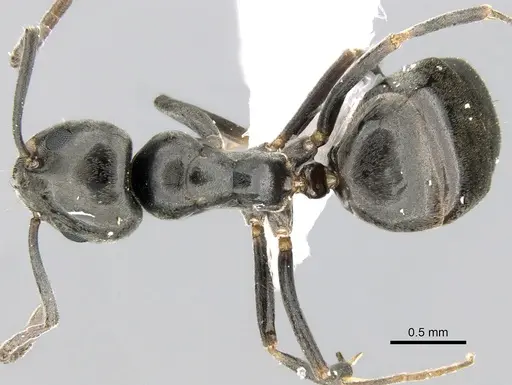
CASENT0910228
View on AntWeb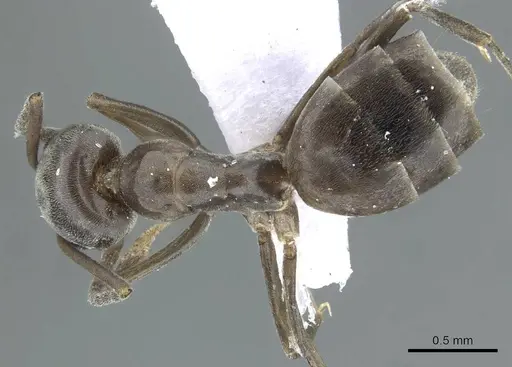
CASENT0913749
View on AntWeb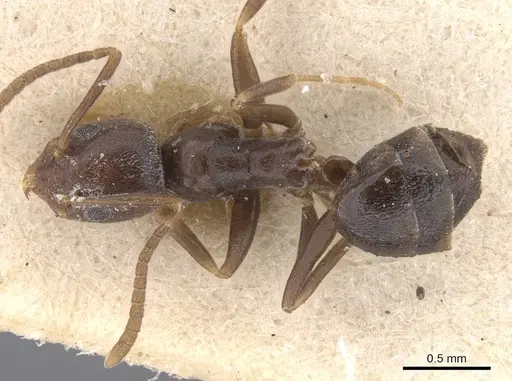
CASENT0919801
View on AntWeb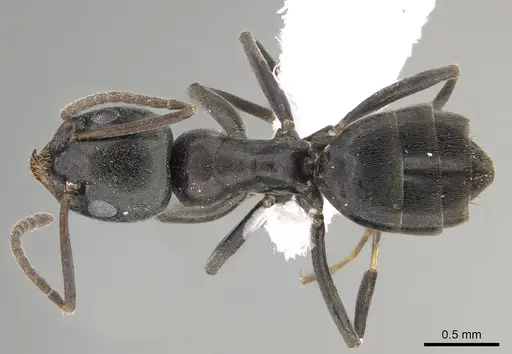
CFH000035
View on AntWeb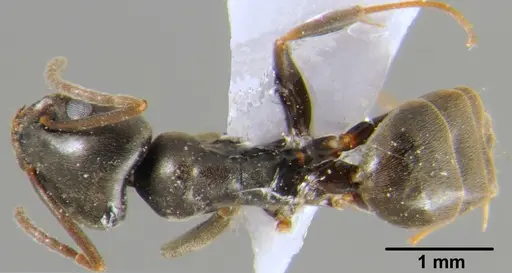
Literature
Loading...Loading products...