

Tapinoma schultzei
- Scientific Name
- Tapinoma schultzei
- Tribe
- Tapinomini
- Subfamily
- Dolichoderinae
- Author
- Forel, 1910
- Distribution
- Found in 4 countries
Tapinoma schultzei Overview
Tapinoma schultzei is an ant species of the genus Tapinoma. It is primarily documented in 4 countries , including Kenya, Mozambique, South Africa. Detailed taxonomic data and occurrence records can be further explored via authoritative databases such as AntWeb or the Global Biodiversity Information Facility (GBIF).
Tapinoma schultzei
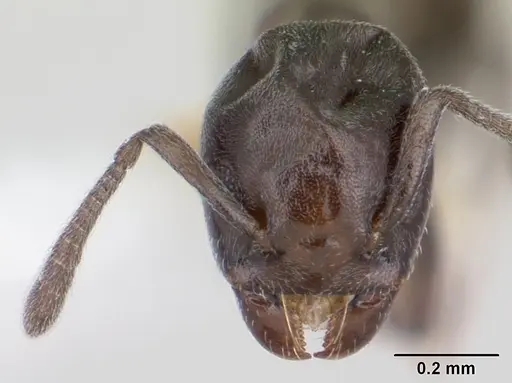
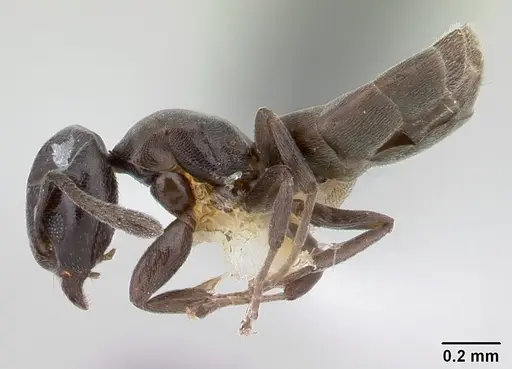
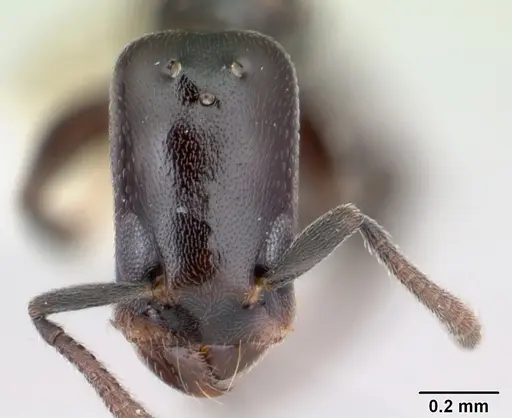
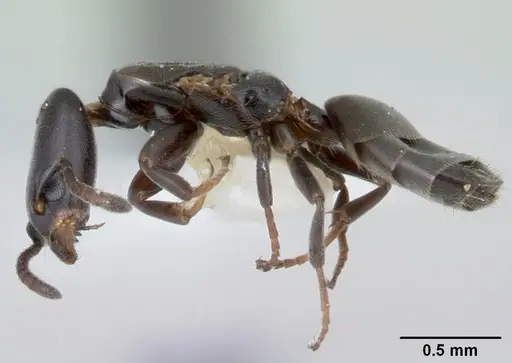
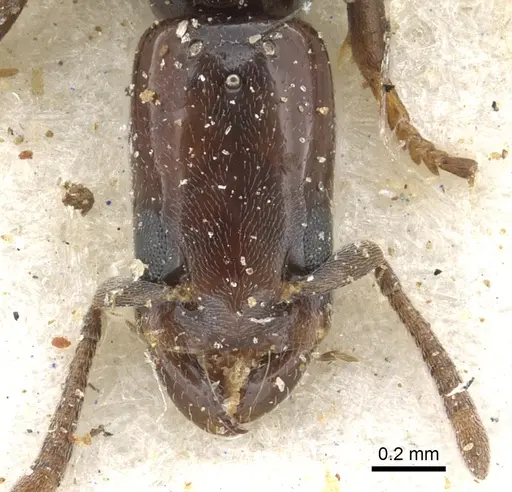
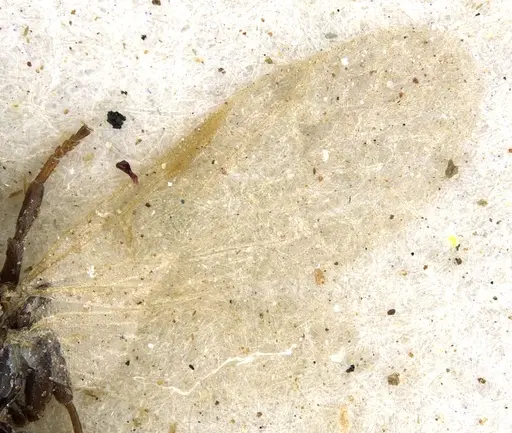
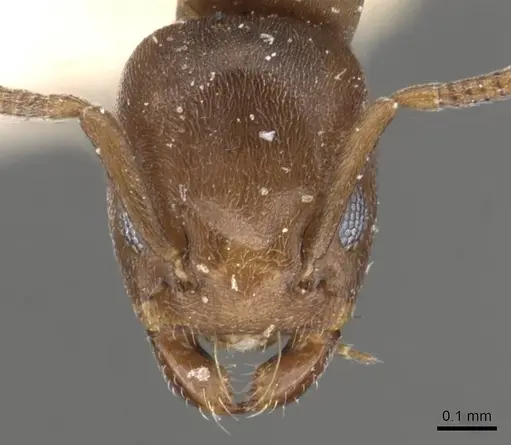
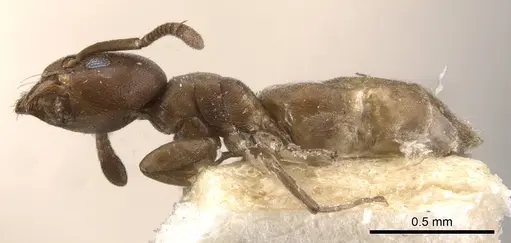
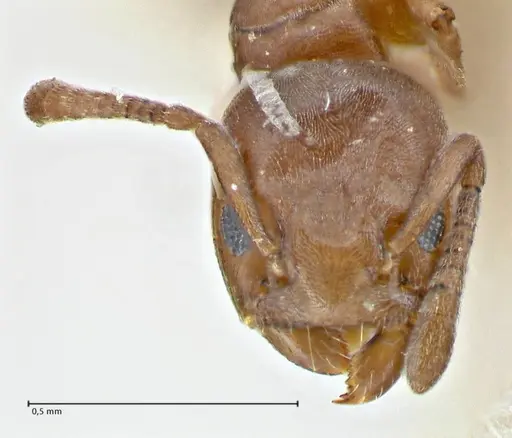
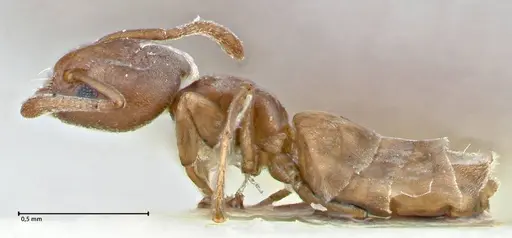
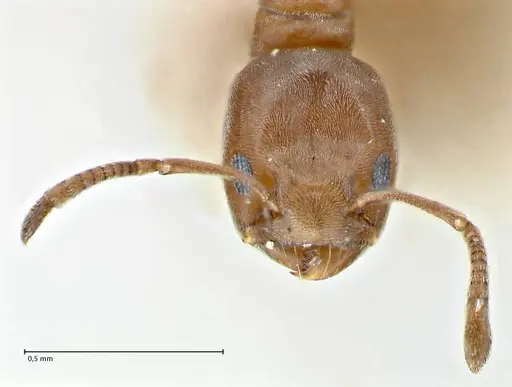
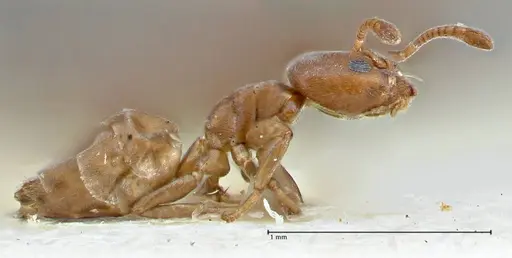
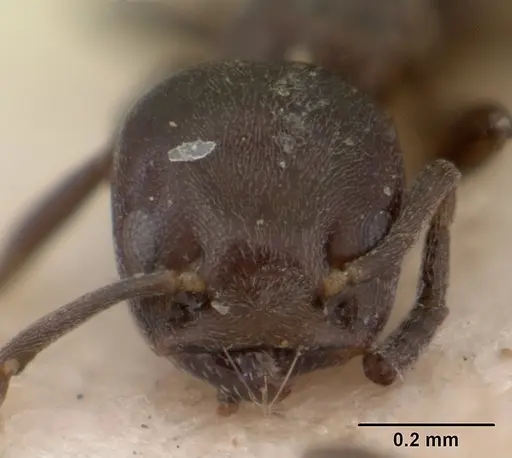
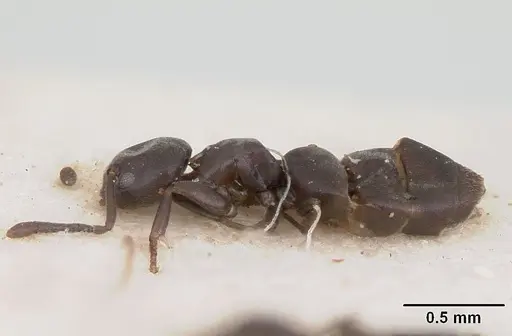
Tapinoma schultzei is a tiny soft-bodied ant measuring just 2.0mm in total length [1]. Workers have an unusual 11-segmented antennae, which sets them apart from most other Dolichoderinae ants that typically have 12 segments [2]. The species was originally described from Botswana and has since been recorded across the Afrotropical region including Kenya, Zimbabwe, Democratic Republic of Congo, Tanzania, and Rwanda [1][3][4]. These ants are arboreal, meaning they live on trees and shrubs, they've been found on species like Vachellia zanzibarica, Combretum molle, and Terminalia brownii [1]. As a Dolichoderinae ant, they do not have a stinger but can spray formic acid as a defense mechanism.
This is a poorly studied species with limited published research on its biology and captive care. What we know comes from scattered collection records and general knowledge of the Tapinoma genus. Based on related species, they likely form moderate-sized colonies with multiple queens and prefer warm, humid conditions similar to their savanna and forest edge habitats.
Quick Summary
- Difficulty: Medium
- Origin & Habitat: Afrotropical region, found in Botswana, Kenya, Democratic Republic of Congo, Zimbabwe, Tanzania, and Rwanda. This species lives on trees and shrubs in savanna and forest edge habitats, typically found at elevations around 1440m [5][1].
- Colony Type: Likely polygynous (multiple queens) based on typical Tapinoma genus patterns, though colony structure is not directly documented for this species.
- Colony: Polygyne
- Founding: Claustral
- Size & Growth:
- Queen: Estimated 4-5mm based on genus typical size range
- Worker: 2.0mm total length [1]
- Colony: Unknown for this species, likely several hundred workers based on genus patterns
- Growth: Moderate, inferred from related species
- Development: Estimated 6-8 weeks at optimal temperature based on typical Tapinoma development (Development time is inferred from related species, not directly studied for T. schultzei)
- Antkeeping:
- Temperature: Keep at 24-28°C, they come from warm African habitats and prefer elevated temperatures [5]. A gentle gradient allows workers to regulate their temperature preference.
- Humidity: Moderate to high humidity (60-80%). As arboreal ants from humid tropical regions, they need moisture but avoid waterlogging the nest. Mist occasionally and provide a water tube.
- Diapause: Likely minimal or no true diapause, these are tropical African ants. They may show reduced activity during cooler months but probably do not require hibernation.
- Nesting: Arboreal nesting preference suggests they prefer nests with some vertical space and vegetation-like structures. Y-tong (AAC) nests or naturalistic setups with twigs/branches work well. They do well in test tubes with some added humidity but may prefer more complex nest structures.
- Behavior: These are tiny, fast-moving ants that dart around quickly when disturbed. As Dolichoderinae, they do not sting but may spray formic acid. Their small size (2mm) makes them excellent escape artists, you must use fine mesh and excellent barrier prevention. They are likely generalist feeders accepting sugars and small protein sources. Workers forage actively on vegetation in the wild, so they may readily search out food in the outworld.
- Common Issues: tiny size means escapes are likely without fine mesh barriers, limited information on specific care requirements makes guidance approximate, arboreal nature may require more complex nest setups than simple test tubes, tropical origin suggests they may not tolerate cool temperatures, fast movement makes them hard to contain during transfers
Housing and Nest Setup
Given this species' arboreal nature, they do best in setups that mimic their natural tree-dwelling habitat. A Y-tong (AAC) nest works well, or you can create a naturalistic setup with small twigs and branches inside the outworld for them to forage through. Plain test tubes can work for founding colonies, but established colonies often prefer more complex spaces. The key is providing some vertical structure and keeping the nest humid but not wet. Because they are only 2mm tall, even small gaps can be escape routes, use fine mesh on any ventilation holes and apply fluon or barrier gel to all edges. They do not require soil or substrate in the nest area, they prefer clean, smooth surfaces to walk on. [1][5]
Feeding and Diet
Like most Tapinoma species, these ants are likely omnivorous with a preference for sweet liquids. Offer sugar water, honey, or diluted maple syrup as a constant carbohydrate source. For protein, provide small soft-bodied prey like fruit flies, pinhead crickets, or mealworm pieces. Since they are so tiny, their prey items must be appropriately sized, springtails or tiny isopods make excellent live prey options. They will likely tend aphids if given access to them, so consider this if you're setting up a naturalistic enclosure. Feed small amounts every 2-3 days and remove uneaten protein within 24 hours to prevent mold.
Temperature and Seasonal Care
Keep your colony warm at 24-28°C. These ants come from equatorial Africa where temperatures are consistently warm year-round. A small heating cable on one side of the nest creates a temperature gradient they can choose between. Avoid temperatures below 20°C for extended periods, this species is not cold-tolerant. There is no documented diapause requirement, and they likely remain active year-round with perhaps slightly reduced activity in cooler months. Room temperature in most homes should be sufficient, but monitor with a thermometer. If your room is below 24°C, add gentle heating. [5]
Behavior and Temperament
These are active, fast-moving little ants that dart around quickly when exposed to light. They are not aggressive and will flee rather than fight, though like all Dolichoderinae they can emit formic acid as a chemical defense. Their tiny size makes them difficult to handle during transfers, work in a small container and be patient. They are likely to be more skittish than larger ant species. Colonies may accept multiple queens, which is common in the Tapinoma genus. Workers likely forage individually rather than in raiding parties, searching for nectar and small prey on vegetation.
Colony Founding
Queen founding behavior has not been directly documented for this species. Based on typical Tapinoma patterns, the queen likely seals herself in a small chamber and raises the first brood alone without foraging, this is called claustral founding. She uses stored fat reserves to survive until her first workers (nanitics) emerge. The first workers will be very small, matching the tiny 2mm adult size. Founding colonies should be kept undisturbed in a dark, humid location at around 26°C until the first workers appear.
Frequently Asked Questions
How long does it take for Tapinoma schultzei to have first workers?
Estimated 6-8 weeks from egg to first worker at optimal temperature (around 26°C). This is based on typical Tapinoma genus development, as specific development data for T. schultzei is not published.
Can I keep Tapinoma schultzei in a test tube?
Yes, test tubes work for founding colonies and small colonies. However, because they are arboreal ants, they may do better in setups with some vertical space or small twigs. Use fine mesh on the cotton as they are only 2mm and can squeeze through small gaps.
What do Tapinoma schultzei eat?
They likely accept sugar sources (honey, sugar water, maple syrup) and small protein prey. Because they are only 2mm, offer appropriately sized prey like fruit flies, springtails, or tiny insect pieces.
Are Tapinoma schultzei good for beginners?
This species is rated Medium difficulty. Their small size makes them prone to escapes, and there is limited published care information. They may be challenging for complete beginners but are manageable for those with some antkeeping experience.
Do Tapinoma schultzei need hibernation?
No, they are tropical African ants and do not require hibernation. Keep them warm year-round at 24-28°C. They may show slightly reduced activity in cooler months but no special winter treatment is needed.
How big do Tapinoma schultzei colonies get?
Colony size is not documented for this species. Based on related Tapinoma species, colonies likely reach several hundred workers. They are small ants so even a few hundred creates a busy colony.
Why are my Tapinoma schultzei escaping?
At only 2mm, they are excellent escape artists. Use fine mesh (at least 0.5mm holes or smaller), apply fluon or barrier gel to all edges, and ensure lid seals are tight. Check any ventilation holes, they can squeeze through surprisingly small gaps.
Can I keep multiple queens together in Tapinoma schultzei?
Likely yes, the Tapinoma genus commonly forms polygynous colonies with multiple egg-laying queens. However, this has not been specifically documented for T. schultzei. If combining unrelated foundresses, introduce them slowly and monitor for aggression.
What temperature is best for Tapinoma schultzei?
Keep them at 24-28°C. They come from warm African habitats and prefer elevated temperatures. Avoid temperatures below 20°C. A small heating cable on part of the nest creates a useful gradient.
References

This caresheet is licensed under CC BY-SA 4.0 .
CASENT0178243
View on AntWeb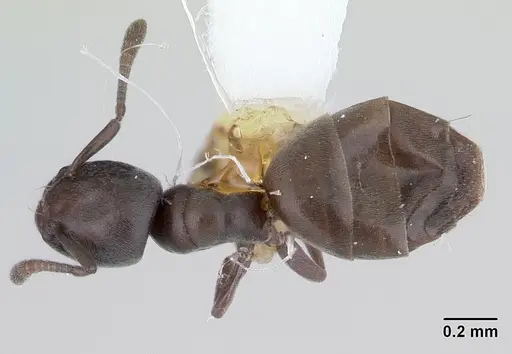
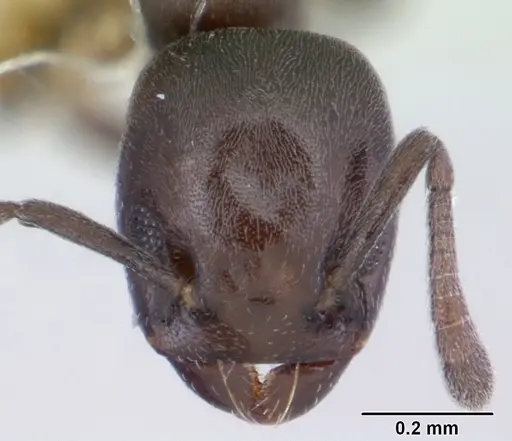
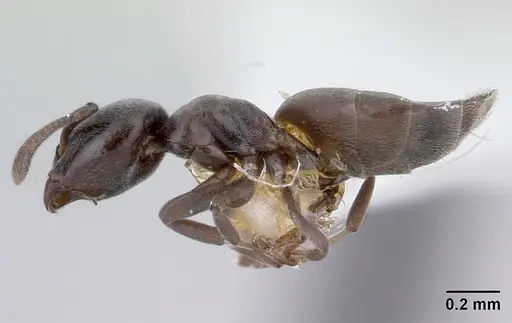
CASENT0178244
View on AntWeb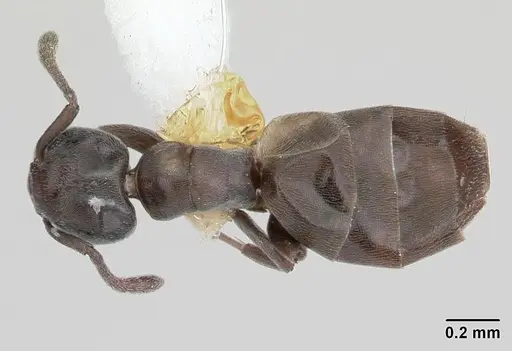
CASENT0178245
View on AntWeb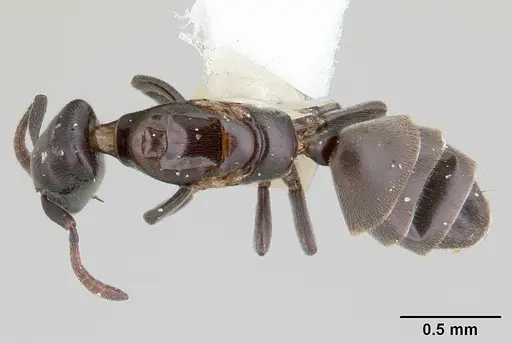
CASENT0903064
View on AntWeb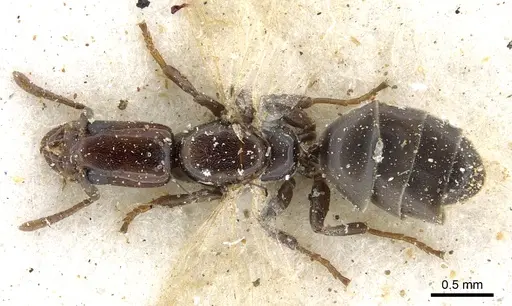
CASENT0909809
View on AntWeb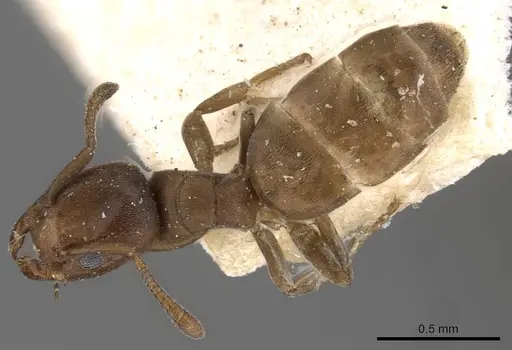
FOCOL2859-1
View on AntWeb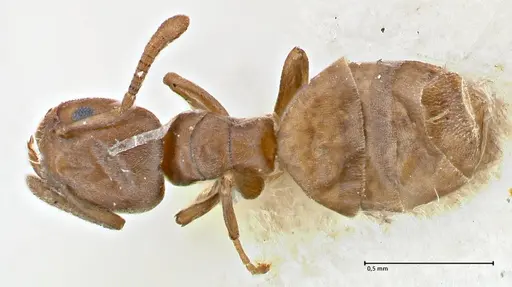
FOCOL2859-2
View on AntWeb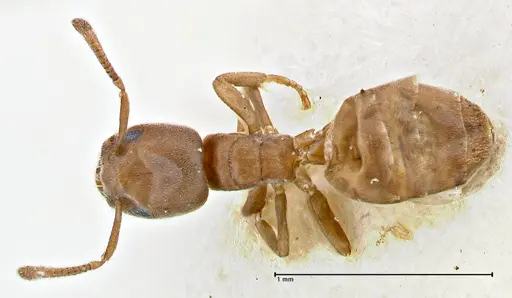
SAM-HYM-C004779
View on AntWeb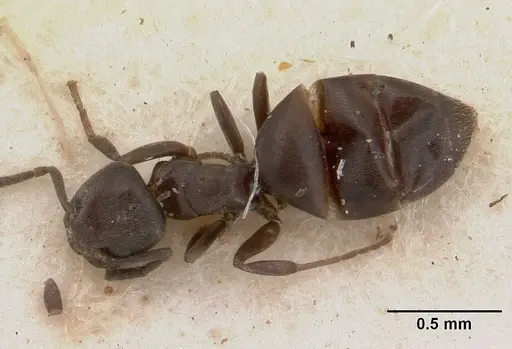
Literature
Loading...Loading products...