

Tapinoma minimum
- Scientific Name
- Tapinoma minimum
- Tribe
- Tapinomini
- Subfamily
- Dolichoderinae
- Author
- Mayr, 1895
- Distribution
- Found in 1 countries
Tapinoma minimum Overview
Tapinoma minimum is an ant species of the genus Tapinoma. It is primarily documented in 1 countries , including Tanzania, United Republic of. Detailed taxonomic data and occurrence records can be further explored via authoritative databases such as AntWeb or the Global Biodiversity Information Facility (GBIF).
Tapinoma minimum
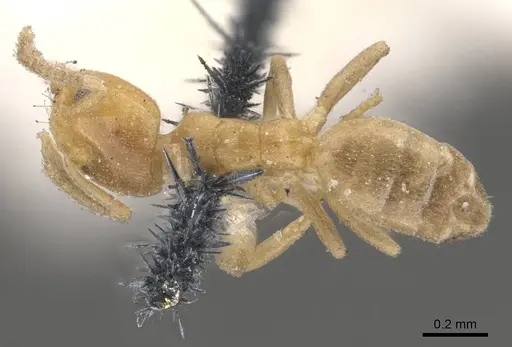
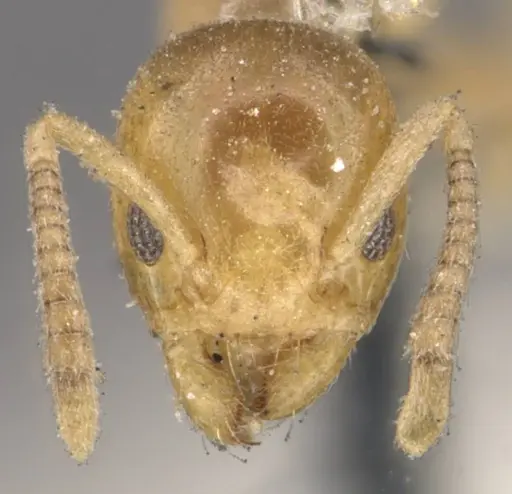
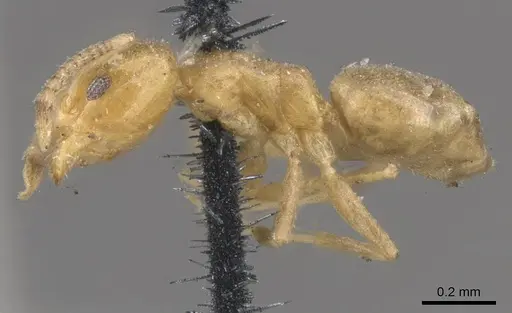
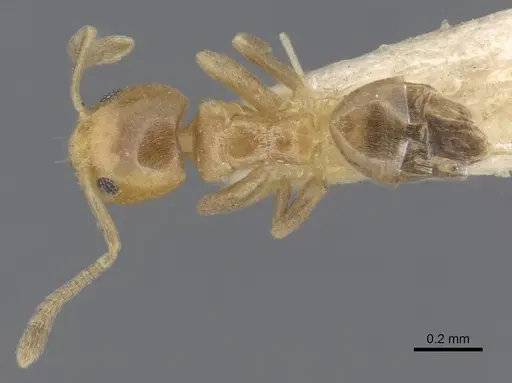
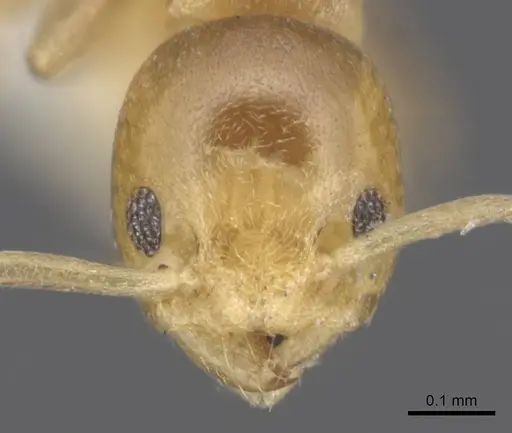
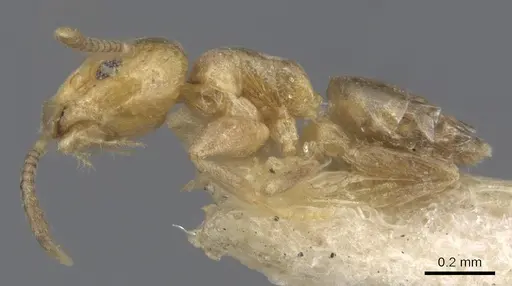
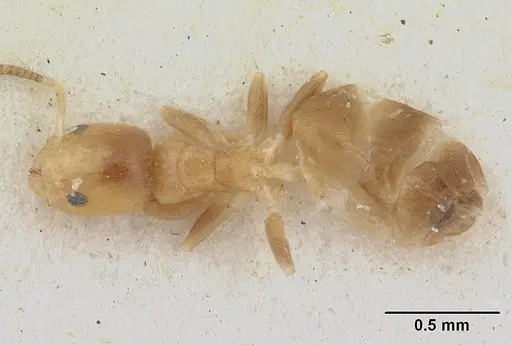
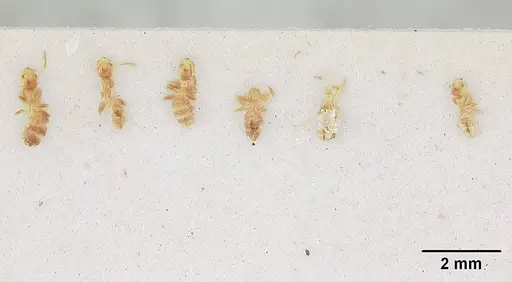
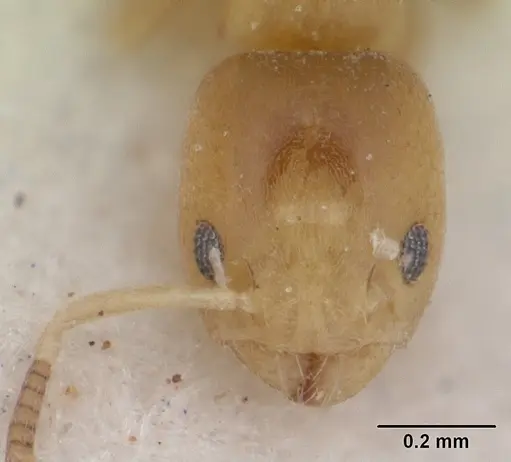
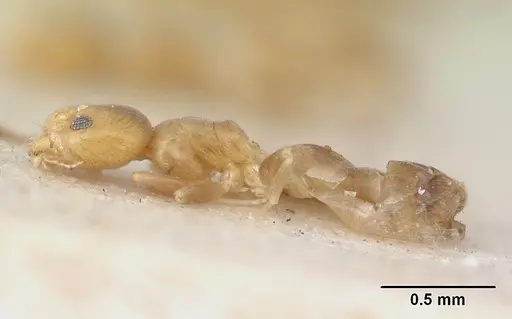
Tapinoma minimum is a minute soft-bodied ant measuring just 1.2-1.4mm in total length [1]. This species belongs to the Dolichoderinae subfamily, which means they lack a functional stinger and instead defend themselves using chemical secretions. Workers are tiny and pale, with the characteristic Tapinoma habit of running with their abdomens raised in the air when disturbed. The species was originally described from Tanzania in 1895 and has since been recorded in Rwanda's Akagera National Park [2]. These ants are found in savannah environments, typically foraging on trees like Vachellia and Combretum species [1]. As a tropical African species, they prefer warm conditions and will likely thrive in a heated setup mimicking their natural habitat.
Quick Summary
- Difficulty: Easy
- Origin & Habitat: Tanzania and Rwanda in East Africa. Found in savannah environments, foraging on Vachellia nilotica, Vachellia zanzibarica, and Combretum molle trees [1][2].
- Colony Type: Colony structure is unconfirmed. Based on typical Tapinoma patterns, likely single-queen colonies.
- Size & Growth:
- Queen: Approximately 2-3mm (estimated based on worker size and genus patterns)
- Worker: 1.2-1.4mm [1]
- Colony: Likely small colonies of 100-300 workers based on typical genus patterns
- Growth: Moderate
- Development: Estimated 6-8 weeks at optimal tropical temperatures based on related Tapinoma species (Development time is estimated from genus-level data since species-specific research is unavailable)
- Antkeeping:
- Temperature: Keep at 24-28°C. As a tropical species from Tanzania and Rwanda, they need warm conditions. A heating cable on one side of the nest creates an appropriate gradient.
- Humidity: Moderate humidity around 50-70%. These savannah ants prefer drier conditions than rainforest species. Provide a water tube for drinking moisture.
- Diapause: No, being a tropical species, they do not require hibernation. Keep them warm year-round.
- Nesting: In captivity, they do well in small test tubes or acrylic nests with tight chambers. Their tiny size means you must use excellent escape prevention, they can squeeze through remarkably small gaps.
- Behavior: These ants are shy and non-aggressive. They are generalist foragers, likely feeding on honeydew from aphids and small insects in the wild. When disturbed, they may emit a unpleasant odor typical of Dolichoderinae. Their tiny size makes them excellent escape artists, always use fine mesh barriers and tight-fitting lids. They are primarily arboreal in nature, so they may prefer foraging in the upper portions of their enclosure.
- Common Issues: escape prevention is critical due to their minute size, they can squeeze through standard test tube barriers, small colony size means growth is slow, don't overfeed or mold will become a problem, tropical species cannot tolerate cool temperatures, keep above 24°C, wild-caught colonies may be difficult to establish due to their cryptic nature, test tube setups must have very small water reservoirs to prevent flooding in their tiny nests
Housing and Escape Prevention
Given their minute size of just 1.2-1.4mm, housing Tapinoma minimum requires special attention to escape prevention [1]. Standard test tube setups may not be sufficient, these ants can squeeze through gaps that seem impossibly small. Use test tubes with cotton plugs that are packed tightly, and consider adding a layer of Fluon or similar barrier grease around the opening. If using an acrylic nest, ensure all connections and gaps are sealed with fine mesh. A small outworld connected to the nest works well for feeding. Because they are found on trees in the wild, they may appreciate some vertical space in their enclosure, but keep it minimal to prevent escape. Start with a simple test tube setup and only move to a larger formicarium once the colony reaches 50+ workers.
Feeding and Diet
In their natural savannah habitat, Tapinoma minimum forages on trees for honeydew and small insects [1]. In captivity, offer a varied diet including sugar water or honey diluted with water (1:4 ratio) as a constant energy source. For protein, offer tiny prey items like fruit flies, pinhead crickets, or small mealworm pieces. Because of their tiny size, prey items should be appropriately scaled, anything larger than their head will likely be ignored. Feed protein 2-3 times per week, and remove any uneaten prey after 24 hours to prevent mold. These ants may be picky eaters compared to larger species, so be patient if they don't immediately accept new food items. A shallow water dish with a cotton wick provides drinking water without drowning risk.
Temperature and Heating
As a tropical species from Tanzania and Rwanda, Tapinoma minimum requires warm temperatures to thrive [2][1]. Keep the nest area at 24-28°C year-round. Room temperature is likely insufficient unless you live in a warm climate. Use a heating cable or small heat mat placed on one side of the nest to create a temperature gradient, allowing the ants to regulate their own temperature by moving between warmer and cooler areas. Never place the heating element directly on the nest material, instead, place it on the side or under the enclosure. Monitor temperatures with a digital thermometer. Cooler temperatures will slow colony growth significantly, and prolonged exposure to temperatures below 20°C can be fatal. These ants come from a region with consistent year-round warmth, so no seasonal cooling or diapause is needed.
Colony Establishment
Establishing a new colony of Tapinoma minimum requires patience due to their tiny size and likely slow founding behavior. If you acquire a queen, she should be set up in a small test tube with a water reservoir on one side and a cotton plug on the other. Keep the tube dark and undisturbed for the first few weeks. Queens are likely claustral (they seal themselves in and live off stored fat reserves until workers emerge), but this is inferred from typical Dolichoderinae behavior since species-specific founding data is unavailable. Once workers emerge, keep the colony warm and offer small amounts of sugar water. Growth will be slow, expect 6-10 workers by the end of the first year under ideal conditions. Wild colonies may be difficult to locate due to their cryptic nature and small size. If collecting from the wild, search carefully on savannah trees and under loose bark. [1]
Frequently Asked Questions
How long does it take for Tapinoma minimum to raise their first workers?
Based on typical Tapinoma patterns, expect 6-8 weeks from egg to first worker at optimal temperatures (24-28°C). Growth is slow due to their tiny size, so be patient during the founding stage.
Can I keep Tapinoma minimum in a test tube?
Yes, test tubes work well for founding colonies, but you must use excellent escape prevention. These ants are only 1.2-1.4mm and can squeeze through tiny gaps. Pack cotton tightly and consider adding barrier grease around openings.
What temperature do Tapinoma minimum ants need?
Keep them warm at 24-28°C year-round. They are tropical ants from Tanzania and Rwanda and cannot tolerate cool temperatures.
How big do Tapinoma minimum colonies get?
Based on typical genus patterns, colonies likely reach 100-300 workers at maturity. Their tiny size limits overall colony population compared to larger ant species.
Do Tapinoma minimum need hibernation?
No. As a tropical African species, they do not require diapause or hibernation. Keep them warm year-round at 24-28°C.
What do Tapinoma minimum ants eat?
They are generalist foragers. Offer sugar water or honey as an energy source, and small protein prey like fruit flies or tiny insects. They likely feed on honeydew in the wild.
Are Tapinoma minimum good for beginners?
They are moderately easy to keep but require attention to escape prevention due to their minute size. Their small colony size and slow growth require patience. They are best suited for keepers who already have experience with delicate small ants.
References

This caresheet is licensed under CC BY-SA 4.0 .
Literature
Loading...Loading products...