

Tapinoma lugubre
- Scientific Name
- Tapinoma lugubre
- Tribe
- Tapinomini
- Subfamily
- Dolichoderinae
- Author
- Santschi, 1917
- Distribution
- Found in 5 countries
Tapinoma lugubre Overview
Tapinoma lugubre is an ant species of the genus Tapinoma. It is primarily documented in 5 countries , including Côte d'Ivoire, Ghana, India. Detailed taxonomic data and occurrence records can be further explored via authoritative databases such as AntWeb or the Global Biodiversity Information Facility (GBIF).
Tapinoma lugubre
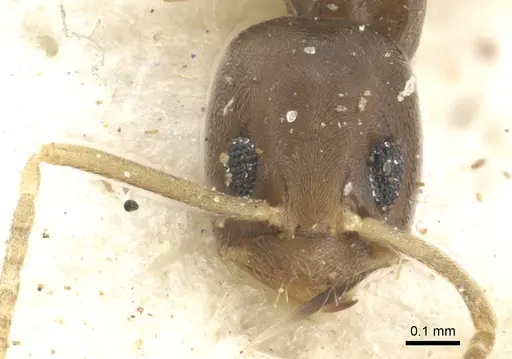
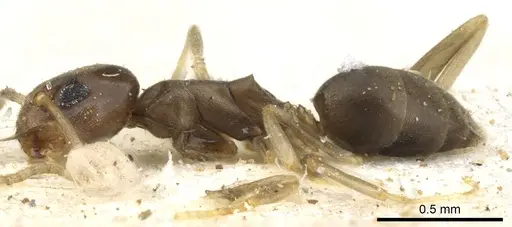
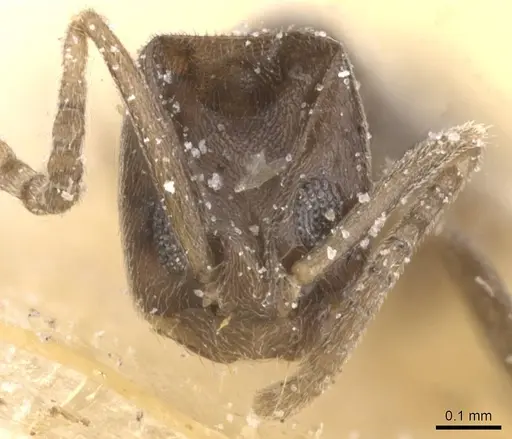
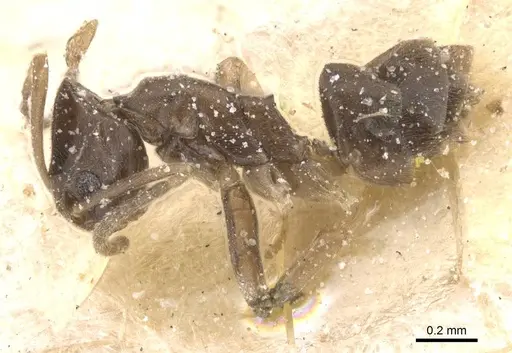
Tapinoma lugubre is a tiny African ant measuring just 1.5-1.8mm in total length [1]. Workers are dark brown to dull yellowish black, with the head and abdomen often appearing blackish [1]. This species belongs to the lugubre species-group, characterized by a distinctive peaked propodeum (the rear body section has a raised point) [2]. Originally described from Zimbabwe by Santschi in 1917,the species has since been recorded across West Africa including Ghana, Ivory Coast, Nigeria, and Togo [2].
What makes T. lugubre interesting is its strong preference for urban environments, research shows it thrives in cities like Abidjan where it was found in 38 urban locations but was completely absent from nearby protected forest areas [3]. It also appears to be arboreal, living and forager in trees and vegetation rather than on the ground [4][5]. As a Dolichoderinae ant, it lacks a stinger and instead defends itself by spraying formic acid.
Quick Summary
- Difficulty: Medium
- Origin & Habitat: West Africa, found in Zimbabwe, South Africa, Ghana, Ivory Coast, Nigeria, and Togo [2]. This species thrives in urban environments and appears to be arboreal, living in vegetation rather than ground nests [3][4][5].
- Colony Type: Colony structure is unconfirmed. Based on typical Tapinoma patterns, likely single-queen colonies, though this has not been directly studied.
- Size & Growth:
- Queen: Unknown, not directly measured in available research
- Worker: 1.5-1.8mm total length [1]
- Colony: Unknown, no colony size data available
- Growth: Unknown, growth rate has not been studied
- Development: Unknown, no development data available. Based on similar small tropical ants, estimate 4-8 weeks at warm temperatures. (Estimate based on genus patterns, not directly studied for this species)
- Antkeeping:
- Temperature: Keep warm, around 24-28°C. This species is adapted to tropical African conditions and likely prefers temperatures in this range.
- Humidity: Moderate to high humidity. Their arboreal nature suggests they tolerate some moisture but avoid waterlogged conditions.
- Diapause: Unlikely, as a tropical species from Africa, they probably do not require a true hibernation period [4]. May reduce activity during cooler seasons.
- Nesting: Based on their arboreal nature, they likely nest in vegetation, hollow stems, or under bark [4][5]. In captivity, a small test tube setup or Y-tong nest with fine chambers works well for their tiny size. Avoid large open spaces.
- Behavior: These are tiny, fast-moving ants that are generalist feeders [6]. They are highly adapted to urban environments and can be found foraging on buildings and in gardens [3][7]. As Dolichoderinae, they do not sting but will spray formic acid when threatened. Their small size means excellent escape prevention is essential, they can squeeze through tiny gaps. They are likely to be shy and non-aggressive toward humans.
- Common Issues: tiny size makes escape likely without fine mesh barriers, no development data available makes timing uncertain, colony size unknown so growth expectations are unclear, urban-adapted species may not thrive in naturalistic setups, limited research means care is largely based on genus-level inference
Housing and Nest Setup
Given their tiny size (1.5-1.8mm) and arboreal nature, these ants need carefully scaled housing [1]. A small test tube setup works well for founding colonies, use a standard test tube with a cotton plug, filled with water and backed by dry cotton. For established colonies, a Y-tong (AAC) nest with narrow chambers or a small acrylic formicarium with tight passages will help them feel secure. Avoid large, open spaces that can stress small colonies. Because they are so tiny, use a layer of fluon or a fine mesh barrier to prevent escapes, these ants can squeeze through gaps that seem impossibly small. Provide an outworld area scaled to their size, with shallow food dishes they can access easily.
Feeding and Diet
As generalist feeders, Tapinoma lugubre likely accepts a variety of foods typical of small ants. Offer sugar water or honey diluted with water as a constant energy source, they will readily consume sweet liquids. For protein, provide small prey items like fruit flies, small spiders, pinhead crickets, or other tiny insects. Based on their urban and arboreal lifestyle, they may also tend aphids for honeydew if you have plants in their outworld. Feed small amounts every 2-3 days, removing uneaten prey within 24 hours to prevent mold. Because of their tiny size, even very small prey items are appropriate. [6][3]
Temperature and Humidity
Keep these ants warm, aim for temperatures between 24-28°C, which matches their tropical African origin [4]. A slight temperature gradient allows them to choose their preferred zone. Room temperature in most homes (20-24°C) may be acceptable, but colonies will likely be more active and grow faster in the warmer range. For humidity, provide moderate levels, a test tube water reservoir provides adequate moisture. Avoid overly damp conditions that could promote mold. Their arboreal nature suggests they are adapted to more variable conditions than ground-nesting ants, but consistent moderate humidity works best.
Behavior and Temperament
These are small, fast-moving ants that tend to be shy rather than aggressive. As Dolichoderinae, they lack a stinger but can spray formic acid as a defense mechanism, this is harmless to humans but worth knowing when handling. They are highly adapted to urban environments [3][7], suggesting they can tolerate some disturbance and variable conditions. However, their tiny size makes them vulnerable, avoid housing them in setups where they could be crushed or escape easily. They are likely to be more active and visible than many small ants due to their arboreal foraging habits. Expect them to explore their outworld actively and quickly discover food sources.
Seasonal Care
As a tropical African species, Tapinoma lugubre likely does not require a true hibernation period [4]. In temperate climates, you may see reduced activity during winter months when room temperatures drop, but this is not a necessary diapause, simply maintain normal care and they will remain active if kept warm. If you need to reduce activity for any reason, a brief cool period (18-20°C) for 4-6 weeks may be acceptable, but monitor for signs of stress. Do not attempt cold hibernation with this species. Year-round warmth at 24-28°C will support continuous colony growth.
Frequently Asked Questions
How long does it take for Tapinoma lugubre to develop from egg to worker?
The exact development time is unknown, no research has documented their development timeline. Based on similar small tropical ants and typical Tapinoma patterns, expect approximately 4-8 weeks from egg to first worker at warm temperatures (around 26-28°C). Be patient as this species appears to grow slowly in captivity.
Can I keep Tapinoma lugubre in a test tube?
Yes, a test tube setup is ideal for this tiny species. Use a standard test tube with a water reservoir backed by cotton. The small size of workers (1.5-1.8mm) means they do well in compact spaces. Ensure excellent escape prevention, these tiny ants can squeeze through very small gaps.
How big do Tapinoma lugubre colonies get?
The maximum colony size is unknown, no research has documented colony sizes for this species. Based on their small worker size and typical Tapinoma patterns, colonies likely reach a few hundred workers at most. They are considered a smaller ant species [5].
Are Tapinoma lugubre good for beginners?
This species is rated as Medium difficulty. While their small size and escape risk require attention, they are generalist feeders and tolerate urban conditions well. However, the lack of species-specific research means care is largely based on inference from related species, which may be challenging for complete beginners.
What do Tapinoma lugubre eat?
They are generalist feeders. Offer sugar water or honey as a constant energy source, and small protein sources like fruit flies, tiny spiders, or small insects. Based on their arboreal lifestyle, they may also accept honeydew from aphids if you include plants in their setup.
Do Tapinoma lugubre need hibernation?
No, as a tropical African species, they do not require hibernation [4]. Maintain warm temperatures year-round (24-28°C) for optimal growth. They may show reduced activity in cooler conditions but this is not a true diapause requirement.
Why are my Tapinoma lugubre escaping?
Their tiny size (1.5-1.8mm) makes them excellent escape artists [1]. Use fine mesh barriers, fluon on container edges, and ensure all openings are sealed. Even tiny gaps that seem too small for ants are potential escape routes for this species.
References

This caresheet is licensed under CC BY-SA 4.0 .
CASENT0903070
View on AntWeb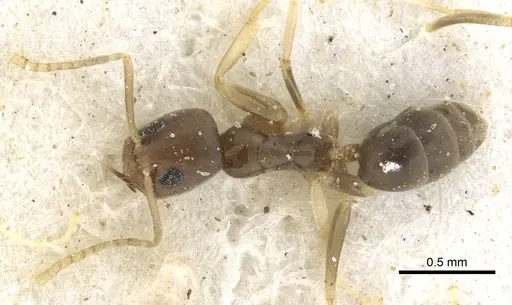
CASENT0911569
View on AntWeb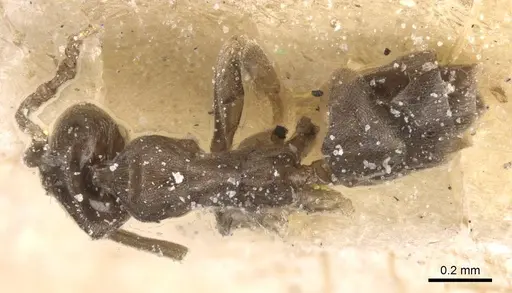
Literature
Loading...Loading products...