

Tapinoma karavaievi
- Scientific Name
- Tapinoma karavaievi
- Tribe
- Tapinomini
- Subfamily
- Dolichoderinae
- Author
- Emery, 1925
- Distribution
- Found in 2 countries
Tapinoma karavaievi Overview
Tapinoma karavaievi is an ant species of the genus Tapinoma. It is primarily documented in 2 countries , including Azerbaijan, Iran, Islamic Republic of. Detailed taxonomic data and occurrence records can be further explored via authoritative databases such as AntWeb or the Global Biodiversity Information Facility (GBIF).
Tapinoma karavaievi - "Karavaiev's Ant"
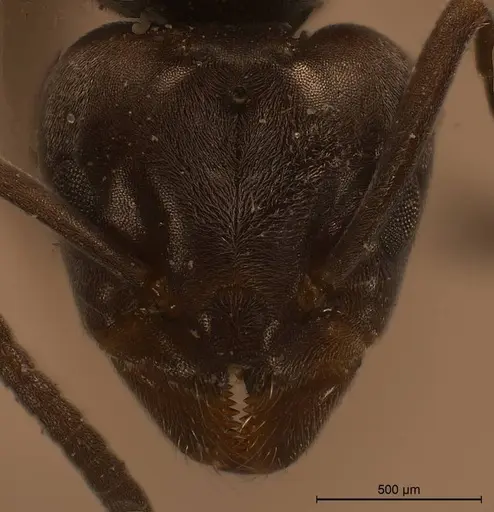
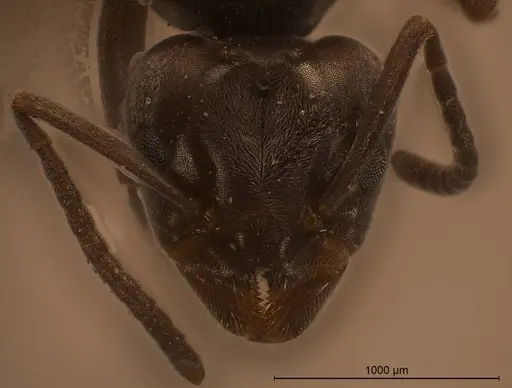
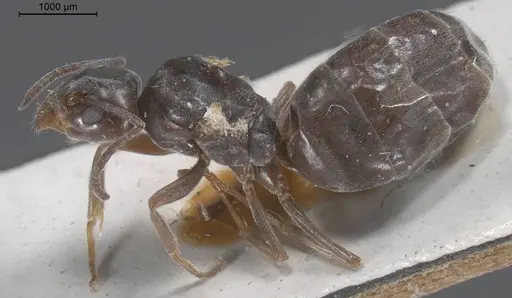
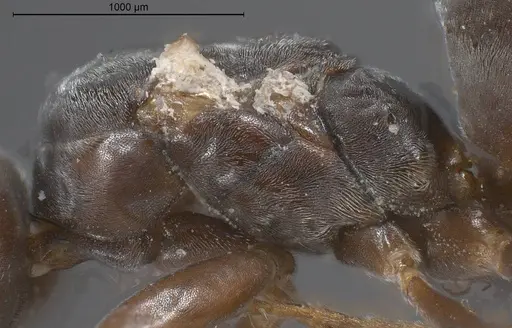
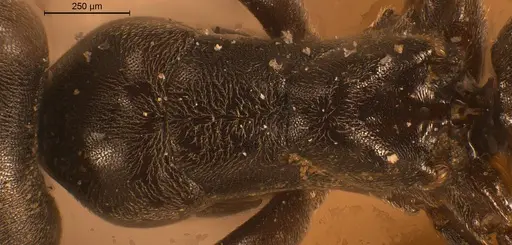
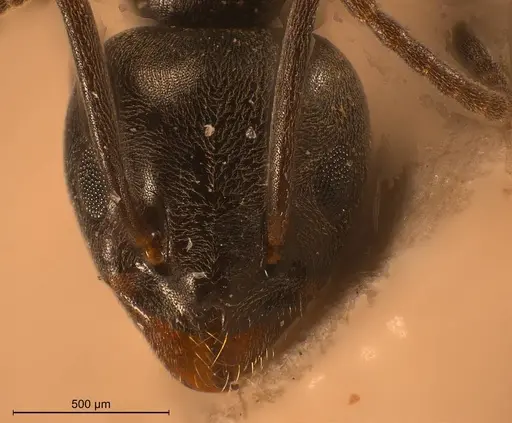
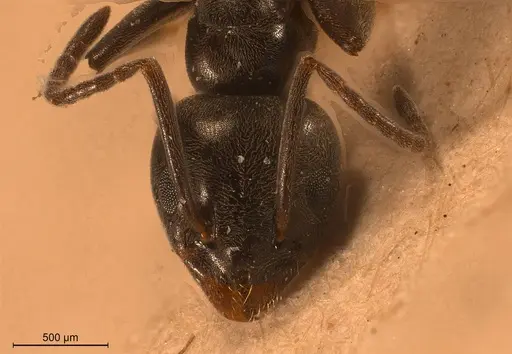
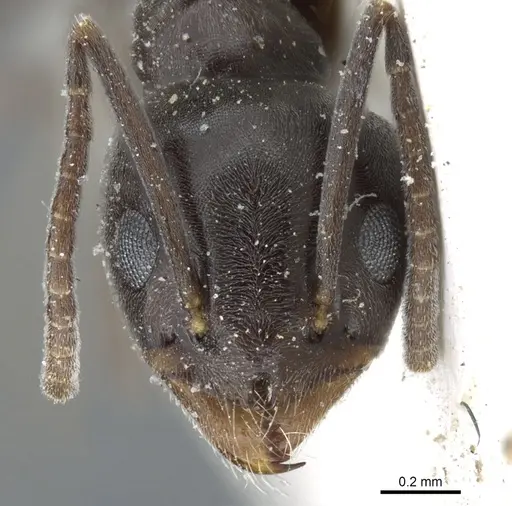
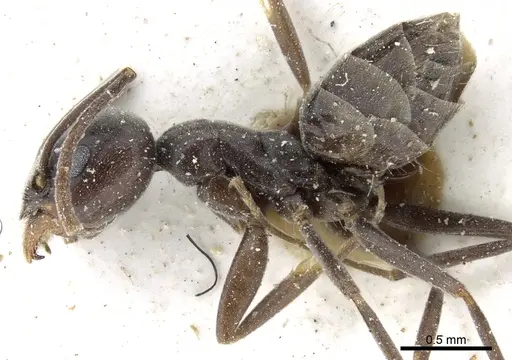
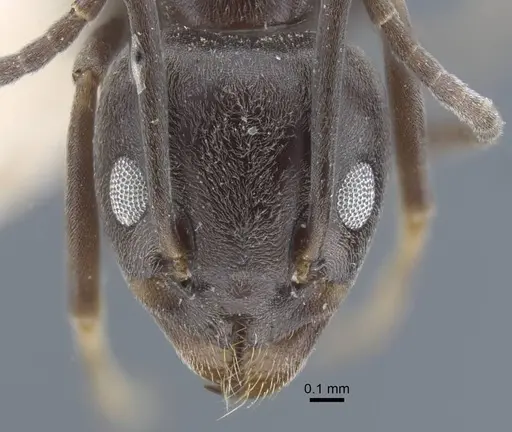
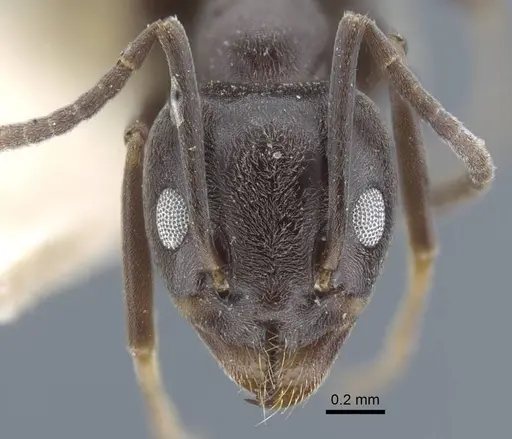
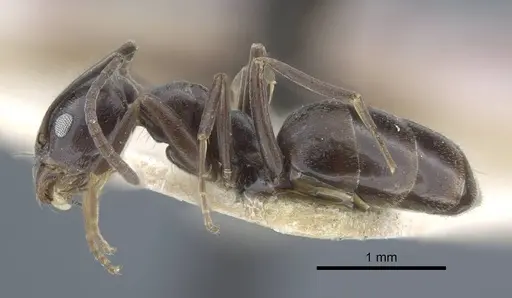
Tapinoma karavaievi is a small ant species belonging to the Dolichoderinae subfamily. Workers are generally dark blackish-brown with lighter antennae, femora, and tibiae. They are known for their agile movements and a relatively elongated head compared to their body size. This species is slightly larger than Tapinoma phoenicaeum, with worker head widths averaging around 0.88 mm. They are adaptable ants, often found foraging in various environments.
- Difficulty: Medium
- Origin & Habitat: Asia (specifically from Eastern Turkey, Azerbaijan, Iran, Turkmenistan, Kazakhstan, and Kyrgyzstan) in Open or partially shaded natural, rural, and urban habitats with sparse soil vegetation, including semidesert areas, farmlands with irrigation, settlements, and open river banks. They nest on the ground, often with nest entrances surrounded by craters of ejected soil, or under objects like stones or wood..
- Colony Type: Polygyne (multiple queens), claustral (queen seals herself in) founding.
- Size & Growth:
- Queen: 3.5-4.5mm
- Worker: 1.5-2.5mm
- Colony: Medium (thousands). Fast growth.
- Antkeeping:
- Temperature: Maintain a thermal gradient in the nest, aiming for a nest temperature range of 21-24°C with a warmer spot up to 28-30°C. Constant high temperatures (e.g., above 22-23°C without a cooling period) can inhibit queen oviposition and larval pupation. A thermorhythm (day/night temperature fluctuation, like 20/30°C) is beneficial for continuous development..
- Humidity: Provide a moderate humidity gradient. The main nest area should be kept around 50-70% humidity. Ensure a drier outworld for foraging..
- Diapause: Required. 2-4 months at 5-10°C.
- Nesting: Highly adaptable, they can thrive in various nest setups including soil-based formicaria (like Ytong or plaster nests), or artificial setups with a soil or sand/loam substrate. They appreciate nesting under flat objects or within pre-formed cavities, mimicking their natural tendency to nest under stones or logs..
- Behavior: Medium (towards other ants, Low towards handler) aggressiveness.
- Common Issues: Humidity fluctuations, Queen stress, Escape artists, Inappropriate temperature leading to stalled development.
When bringing Tapinoma karavaievi into your ant collection, it's helpful to remember their natural origins. These fascinating ants hail from diverse regions across Asia, including Eastern Turkey, Iran, and Turkmenistan. Their native habitats range from semi-deserts to irrigated farmlands and even urban environments, showcasing their incredible adaptability. Understanding this wide natural distribution can give you clues about their resilience in different captive conditions, making them a unique addition for keepers looking for something beyond the usual.
One key aspect of keeping Tapinoma karavaievi is their unique thermal requirements. Unlike some species that thrive in consistently warm conditions, these ants exhibit a specific response to temperature. While they can develop well with thermorhythms, constant high temperatures, specifically above 22-23°C, can actually halt queen egg-laying and larval development. This means providing a slight temperature drop at night or a thermal gradient within the nest is crucial for their long-term health and successful colony growth, helping to mimic their natural environmental fluctuations.
These ants are quite flexible when it comes to their nesting preferences, mirroring their diverse natural nesting sites. In the wild, they often create nests on the ground, sometimes leaving distinct 'craters' of ejected soil around their entrances. In a formicarium, this translates to an ability to adapt to various setups, from naturalistic soil or sand-loam nests to more artificial acrylic designs. Providing them with options to burrow or nest under a covering object like a piece of bark or a stone in their outworld can encourage natural behaviors.
Diet-wise, Tapinoma karavaievi are generalist foragers, much like many other Tapinoma species. They are known to scavenge for various food sources, but they show a particular fondness for sweet liquids, especially honeydew. This preference means that offering a regular supply of sugar water or ant-safe honey solutions will be a staple in their diet. Supplementing this with small feeder insects, like fruit flies or small roaches, will provide them with the necessary protein for robust brood development and a thriving colony.
Frequently Asked Questions
Where do Tapinoma karavaievi colonies originate from?
These intriguing ants are found across a wide range of Asian countries, including Eastern Turkey, Azerbaijan, Iran, Turkmenistan, Kazakhstan, and Kyrgyzstan. They are native to these Palearctic regions, adapting to diverse environmental conditions.
What do Tapinoma karavaievi workers look like?
Tapinoma karavaievi workers are small, agile ants, typically dark blackish-brown in color, with slightly lighter tones on their antennae and legs. They have a somewhat elongated head and are known for their quick movements.
Are Tapinoma karavaievi a good species for beginner antkeepers?
While not as common as some beginner species, Tapinoma karavaievi can be a good choice for keepers with some basic experience. Their adaptable nature regarding nesting and foraging makes them relatively forgiving, but their specific temperature and diapause requirements elevate them slightly above absolute beginner level. We rate them as a 'Medium' difficulty species.
What kind of colony structure do Tapinoma karavaievi have?
These ants are polygyne, meaning their colonies can house multiple queens. This characteristic often allows for faster colony growth and larger colony sizes compared to monogyne species, providing a dynamic colony to observe.
What should I feed my Tapinoma karavaievi ants?
Like many Tapinoma species, they are opportunistic feeders. Their diet should primarily consist of sugary liquids, such as diluted honey water or sugar water. It's also vital to provide them with protein in the form of small feeder insects like fruit flies, mealworms, or roach pieces to support their brood development and overall health.
What kind of nest is best for Tapinoma karavaievi?
Given their natural habits, Tapinoma karavaievi thrive in a variety of formicarium types. Soil-based setups, such as Ytong or plaster nests, work well as they mimic their ground-nesting tendencies. Acrylic nests with a suitable substrate for burrowing are also excellent options. Ensuring they have space to dig or utilize pre-made cavities will keep them happy.
Do Tapinoma karavaievi require a hibernation (diapause) period?
Yes, Tapinoma karavaievi absolutely need a diapause period. This crucial rest phase is stimulated by cooler temperatures and shorter daylight hours in their natural habitat. Failing to provide diapause can lead to queen stress, reduced egg-laying, and ultimately, a decline in colony health. Aim for 2-4 months of cooler temperatures, ideally between 5-10°C.
What's the ideal temperature for keeping Tapinoma karavaievi?
Maintaining the right temperature is key for Tapinoma karavaievi. For active development, a nest temperature of 21-24°C is suitable, but they greatly benefit from a thermal gradient, with a warmer spot reaching 28-30°C. Critically, avoid constant high temperatures above 22-23°C for extended periods, as this can negatively impact queen fertility and larval pupation, potentially inducing an unwanted diapause-like state. Implementing a slight night-time temperature drop can mimic their natural environment and promote continuous development.
Are Tapinoma karavaievi aggressive towards other ants or keepers?
Tapinoma karavaievi are generally not aggressive towards their keepers. However, like many Tapinoma species, they can exhibit medium aggression towards other ant species, often employing chemical deterrents to ward off rivals. When disturbed, they might emit a characteristic odor, though they do not sting.
How large do Tapinoma karavaievi colonies get?
These ants can form moderately sized to large colonies, typically reaching into the thousands of individual workers. With proper care and optimal conditions, you can expect a thriving colony that provides plenty of activity to observe in your setup.
How fast do Tapinoma karavaievi colonies grow?
Tapinoma karavaievi are known for their relatively fast colony growth once established. Given ideal conditions, consistent feeding, and appropriate temperature and humidity, you'll see their numbers increase steadily, making them a rewarding species for antkeepers who enjoy watching a colony expand.
What are some common challenges when keeping Tapinoma karavaievi?
Keepers might encounter a few challenges with Tapinoma karavaievi. Their small size and agile nature mean they can be excellent escape artists, so robust escape prevention is crucial. Additionally, maintaining the correct humidity levels is important to prevent issues like mold. Closely monitoring their temperature to ensure they get the right thermal fluctuations and a proper diapause is vital to avoid queen stress or stalled development.

This caresheet is licensed under CC BY-SA 4.0 .
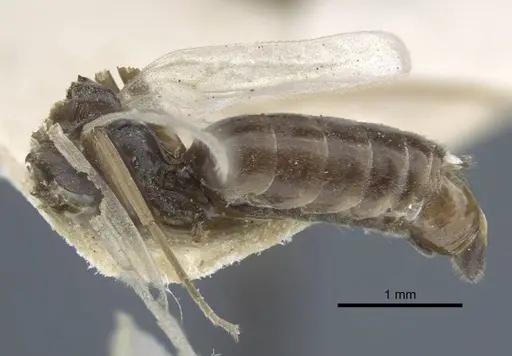
ANTWEB1008472
View on AntWeb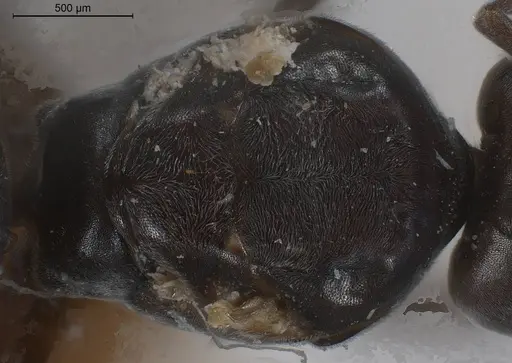
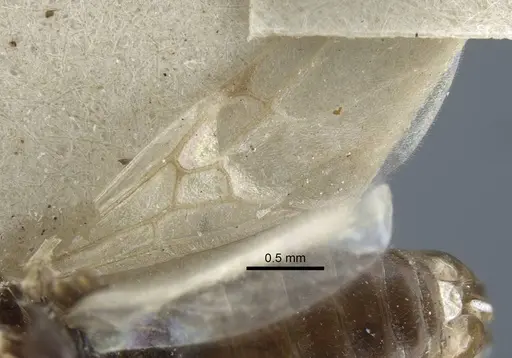
ANTWEB1008473
View on AntWeb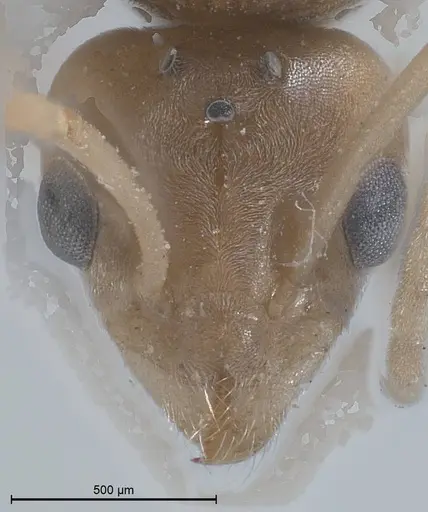
ANTWEB1008474
View on AntWeb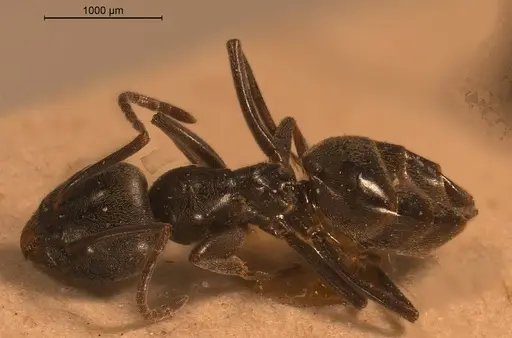
CASENT0904019
View on AntWeb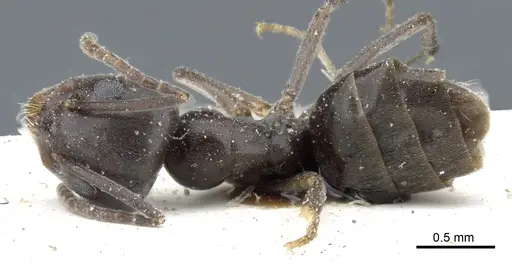
CASENT0917138
View on AntWeb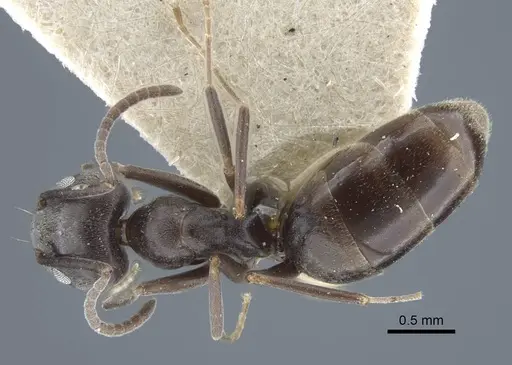
CASENT0917139
View on AntWeb
Literature
Loading...Loading products...