

Tapinoma geei
- Scientific Name
- Tapinoma geei
- Tribe
- Tapinomini
- Subfamily
- Dolichoderinae
- Author
- Wheeler, 1927
- Distribution
- Found in 1 countries
Tapinoma geei Overview
Tapinoma geei is an ant species of the genus Tapinoma. It is primarily documented in 1 countries , including China. Detailed taxonomic data and occurrence records can be further explored via authoritative databases such as AntWeb or the Global Biodiversity Information Facility (GBIF).
Tapinoma geei
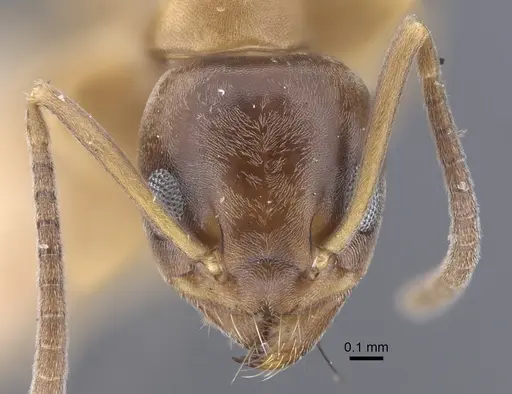
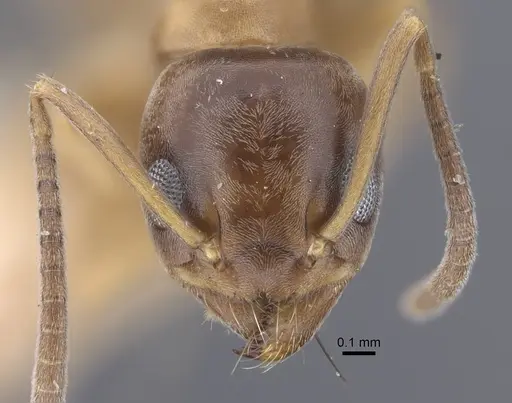
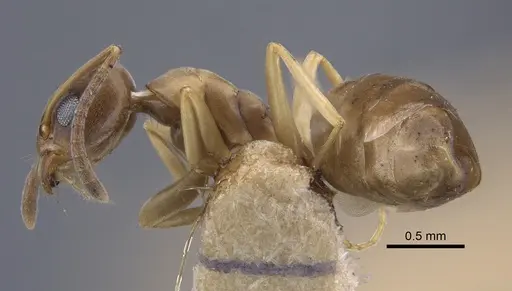
Tapinoma geei is a tiny ant species native to China and the Korean Peninsula. Workers measure just 2.3-2.8mm, making them one of the smaller ant species you'll encounter. They have a brown to blackish-brown body with yellowish-brown mandibles, antennae, legs, and mesosoma. The head is nearly rectangular with a straight occipital margin, and the body is relatively shiny with fine, dense punctures. These ants are habitat specialists primarily found in rubber plantations rather than primary or secondary forests, and they nest in soil, under stones, or on the ground surface at elevations ranging from 574 to 1,770 meters [1][2]. Unlike many Tapinoma species that are generalists, T. geei shows strong preference for disturbed agricultural habitats.
Quick Summary
- Difficulty: Easy
- Origin & Habitat: Native to China (Beijing, Hebei, Sichuan, Hubei, Yunnan) and the Republic of Korea. This species is a habitat specialist found primarily in rubber plantations rather than natural forests, nesting in soil, under stones, or on ground surfaces at elevations between 574-1,770 meters [1][2][3].
- Colony Type: Colony structure is unconfirmed. Only worker caste has been described, and colony queen number has not been documented in available research.
- Size & Growth:
- Queen: Unconfirmed, queen size has not been documented in available literature
- Worker: 2.3-2.8mm [1]
- Colony: Unknown, colony size estimates are not available in current research
- Growth: Moderate, inferred from typical Tapinoma genus patterns
- Development: 6-8 weeks, estimated based on typical Tapinoma development at room temperature (Development time is estimated as this species has not been specifically studied. Related Tapinoma species typically develop from egg to worker in 6-8 weeks at warm room temperatures.)
- Antkeeping:
- Temperature: Keep at 20-26°C. Based on their elevation range (574-1770m) and distribution in temperate to subtropical China, they can tolerate a range of temperatures. Room temperature (around 22-24°C) should be suitable [4]
- Humidity: Moderate humidity preferred. In nature they nest in soil and under stones in areas with varied moisture. Keep the nest substrate lightly moist but not waterlogged, with some drier areas available.
- Diapause: Likely yes, based on their distribution in temperate China and Korea, colonies probably experience winter dormancy. Reduce temperature to 10-15°C for 2-3 months during winter.
- Nesting: Use a naturalistic setup with soil or a Y-tong/plaster nest. They naturally nest in soil and under stones, so a nest with moist substrate works well. Given their tiny size, ensure chambers are appropriately scaled.
- Behavior: Tapinoma geei is a fast-moving, active species that forages both on the ground surface and on plants. They are not aggressive and will typically flee when disturbed. As with other Tapinoma species, they may emit a unpleasant odor when threatened (characteristic of Dolichoderinae). Their small size means excellent escape prevention is essential, they can squeeze through tiny gaps. They are not known to sting and pose no danger to keepers.
- Common Issues: escape prevention is critical due to their very small 2.3-2.8mm size, use fine mesh and tight-fitting lids, colonies may be difficult to establish from founding due to limited documented information on their biology, as a habitat specialist, they may have specific substrate preferences, provide soil or fine-grained nesting material, winter dormancy requirements are not fully understood, monitor colony behavior during seasonal transitions, limited availability in the antkeeping hobby means captive-bred colonies may be rare
Housing and Nest Setup
Tapinoma geei is a tiny ant that requires appropriately scaled housing. In the wild, they nest in soil, under stones, and on ground surfaces, so a naturalistic setup with a soil chamber or a Y-tong/plaster nest with fine chambers works well. The nest should have chambers small enough that the ants feel secure, these are very small ants at just 2.3-2.8mm. Provide a water tube for humidity and keep the nest substrate lightly moist. Because of their small size, excellent escape prevention is essential, use fine mesh on any ventilation holes and ensure all connections are tight. An outworld for foraging should be simple and easy to clean. [1][4]
Feeding and Diet
Like other Tapinoma species, T. geei likely has an omnivorous diet. They probably feed on honeydew from aphids and scale insects, as well as small insects and other arthropods. In captivity, offer a mix of sugar water or honey as an energy source, along with small protein sources like fruit flies, pinhead crickets, or other tiny insects. Given their small size, prey items should be appropriately sized, nothing larger than they can handle. They are active foragers, so food should be offered in the outworld where they can find it easily.
Temperature and Seasonal Care
Based on their elevation range of 574-1,770 meters in temperate to subtropical China, Tapinoma geei can tolerate a range of temperatures. Keep the nest at room temperature, ideally between 20-26°C. They likely experience seasonal temperature changes in their native habitat, so expect some reduced activity during winter months. A period of cooler temperatures (10-15°C) for 2-3 months during winter may be beneficial for colony health, mimicking their natural cycle. Monitor your colony, if workers become less active and cluster together, they may be entering dormancy. [4][1]
Behavior and Temperament
These are fast-moving, active ants that forage both on the ground and on plants. They are not aggressive and will typically run away when disturbed. Like all Dolichoderinae ants, they can emit a chemical defense (formic acid) that produces a noticeable odor when the colony is threatened. This is not dangerous to humans but is a defensive behavior to be aware of. Their small size makes them excellent escape artists, even tiny gaps in setup can lead to escapes. Always use fine mesh and check all connections regularly. They are peaceful ants that can be kept in community setups with other non-aggressive species if needed. [1]
Colony Establishment
Establishing a Tapinoma geei colony may be challenging due to limited information about their biology in captivity. If you obtain a founding queen, provide a small test tube setup with a water reservoir and keep her in a dark, quiet location at room temperature. Most Tapinoma species are claustral (queen seals herself in and lives off stored fat), so she should not need to forage. Once workers emerge, you can gradually introduce small food items. Given the limited documented information on this species, be patient and observe your colony closely for any unusual behaviors or preferences.
Frequently Asked Questions
How long does it take for Tapinoma geei to develop from egg to worker?
The exact development time has not been documented for this species. Based on typical Tapinoma genus patterns, expect approximately 6-8 weeks from egg to first worker at room temperature (22-26°C). This is an estimate, your colony may be slightly faster or slower depending on exact conditions.
What size do Tapinoma geei ants grow to?
Workers are very small at just 2.3-2.8mm. Queen size has not been documented in available literature.
Can I keep multiple queens together?
The colony structure of Tapinoma geei has not been documented. It is unknown whether they are single-queen (monogyne) or multi-queen (polygyne) colonies. Until more information is available, it is not recommended to combine unrelated queens.
What do Tapinoma geei eat?
They likely have an omnivorous diet similar to other Tapinoma species. Offer sugar sources (honey water, sugar water) for energy and small protein sources like fruit flies, tiny crickets, or other small insects. They are active foragers, so place food in the outworld.
Do Tapinoma geei need hibernation?
Based on their distribution in temperate China and Korea, they likely require a winter dormancy period. Reduce temperatures to 10-15°C for 2-3 months during winter. Monitor your colony, reduced activity and clustering indicates they are entering dormancy.
Are Tapinoma geei good for beginners?
They are rated as easy to keep due to their tolerance for a range of conditions. However, their small size requires excellent escape prevention, and limited documented information about their specific care means they may require more observation and patience than better-studied species.
Where is Tapinoma geei found in the wild?
This species is endemic to China and the Korean Peninsula. It has been recorded in Beijing, Hebei, Sichuan, Hubei, and Yunnan provinces in China, as well as the Republic of Korea. They are habitat specialists primarily found in rubber plantations rather than natural forests.
How big do Tapinoma geei colonies get?
The maximum colony size has not been documented in available research. Based on their small worker size and typical Tapinoma patterns, colonies likely reach several hundred workers at most.
What temperature should I keep Tapinoma geei at?
Keep them at room temperature, ideally between 20-26°C. Their elevation range in the wild (574-1,770m) suggests they can tolerate cooler conditions, but standard room temperature should support healthy colony development.
When should I move my colony to a formicarium?
Wait until the colony has at least 20-30 workers before moving to a formicarium. For these tiny ants, ensure the formicarium has appropriately sized chambers and excellent escape prevention. A naturalistic setup with soil often works well for this species.
Why are my Tapinoma geei escaping?
Their small 2.3-2.8mm size makes them excellent escape artists. Check all connections, use fine mesh on ventilation, and ensure lid seals are tight. Even tiny gaps that would not allow larger ants to escape can allow T. geei to squeeze through.
References

This caresheet is licensed under CC BY-SA 4.0 .
CASENT0917263
View on AntWeb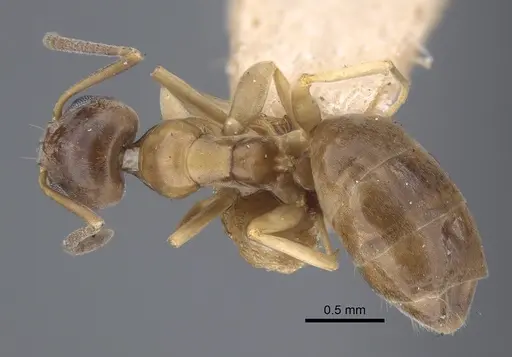
Literature
Loading...Loading products...