

Tapinoma arnoldi
- Scientific Name
- Tapinoma arnoldi
- Tribe
- Tapinomini
- Subfamily
- Dolichoderinae
- Author
- Forel, 1913
- Distribution
- Found in 2 countries
Tapinoma arnoldi Overview
Tapinoma arnoldi is an ant species of the genus Tapinoma. It is primarily documented in 2 countries , including South Africa, Zimbabwe. Detailed taxonomic data and occurrence records can be further explored via authoritative databases such as AntWeb or the Global Biodiversity Information Facility (GBIF).
Tapinoma arnoldi
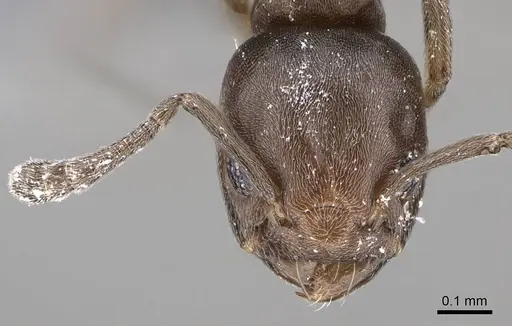
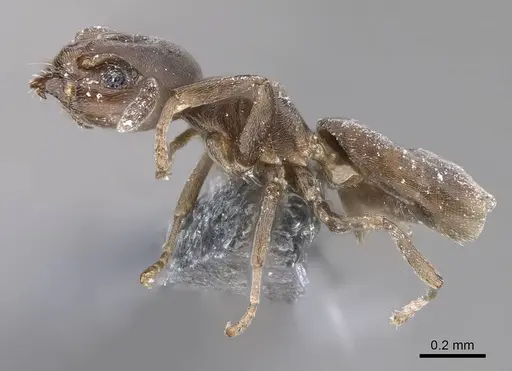
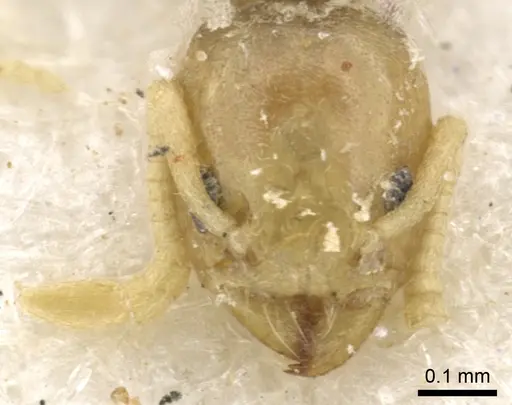
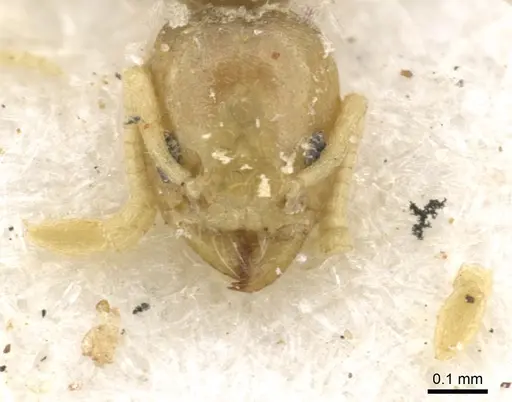
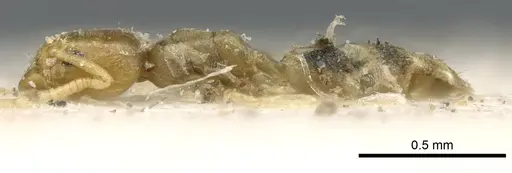
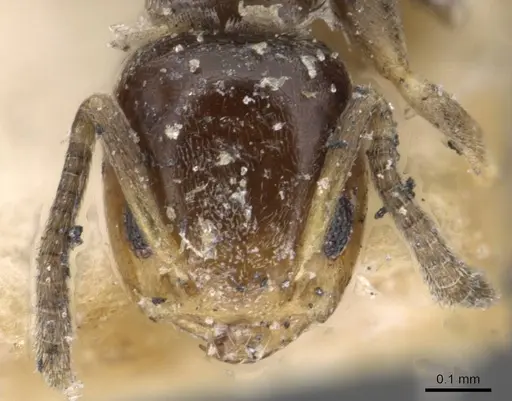
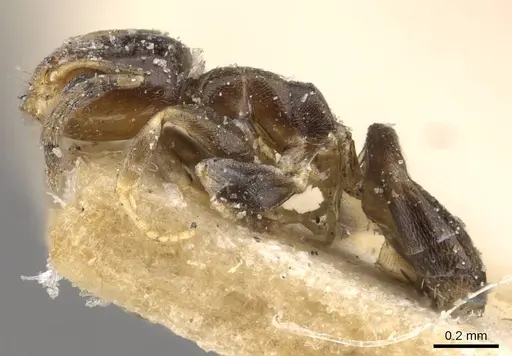
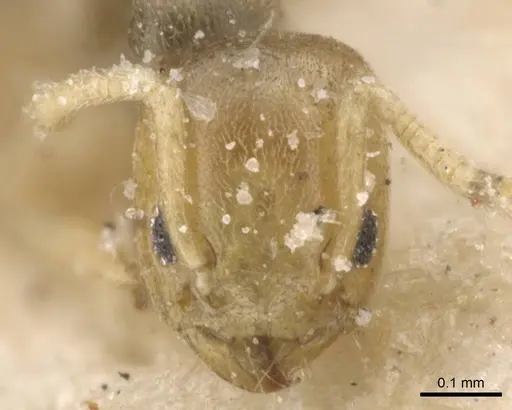
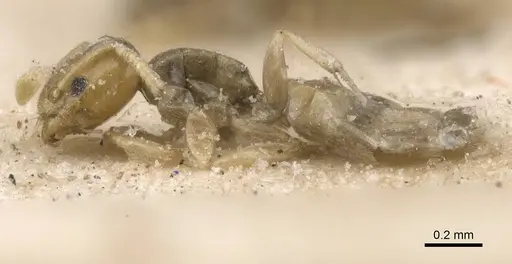
Tapinoma arnoldi is a small ant species native to Zimbabwe in southern Africa. Workers are modest in size with the typical dark coloration common to many Tapinoma species. This species belongs to the Dolichoderinae subfamily, meaning they lack a functional stinger and instead defend themselves by spraying chemical secretions. The most notable aspect of this species is its unusual nesting behavior, in the wild, colonies build their nests inside hollow plant galls, which are abnormal growths on plants that create natural cavities [1]. This makes them quite different from most ants that nest in soil or wood. The species was first described by Forel in 1913,with queens and males later described by Arnold in 1915 [2].
Quick Summary
- Difficulty: Medium
- Origin & Habitat: Zimbabwe, Africa, specifically recorded from Bulawayo and Southern Rhodesia. They inhabit hollow plant galls as their primary nesting sites, which suggests they prefer areas with suitable host plants in savanna or woodland habitats [1][2].
- Colony Type: Colony structure is unconfirmed. Based on typical Tapinoma patterns, likely single-queen (monogyne) colonies, though some related species can have multiple queens.
- Size & Growth:
- Queen: Unconfirmed, estimated 5-7mm based on genus patterns
- Worker: Unconfirmed, estimated 2-4mm based on typical Tapinoma worker size
- Colony: Unknown, no colony size data available
- Growth: Moderate, estimated based on related species
- Development: 6-10 weeks, estimated based on typical Tapinoma development at warm temperatures (Development time is estimated from related species, direct observations are unavailable for this species)
- Antkeeping:
- Temperature: Keep at 24-28°C, these are African ants that prefer warm conditions. A slight gradient allowing cooler areas around 22°C is beneficial.
- Humidity: Moderate humidity around 50-70%. The gall-nesting habit suggests they can tolerate somewhat drier conditions than many ants, but the nest should not be allowed to dry out completely.
- Diapause: Likely no true diapause, Zimbabwe has mild winters and these ants probably remain active year-round with reduced activity. However, a brief period of cooler temperatures (18-20°C) for 4-6 weeks may be beneficial.
- Nesting: This is the most critical aspect, they naturally nest in hollow plant galls, so they prefer enclosed nests with narrow entrances. Y-tong (AAC) nests or test tube setups with tight chambers work well. Avoid large open spaces, they prefer snug, enclosed areas that mimic their natural gall cavities.
- Behavior: Generally calm and non-aggressive foragers. Like other Tapinoma species, they are likely quick-moving and will investigate food sources thoroughly. They do not have a functional stinger but may spray irritating chemicals when threatened. Escape prevention is important, they are small and can slip through small gaps. They likely have a mild musty odor typical of the genus.
- Common Issues: limited data means care requirements are estimated from genus patterns rather than species-specific research, gall-nesting preference means they may reject open formicarium designs, provide enclosed nest options, small size requires good escape prevention despite not being strong climbers, no data on colony founding behavior, queens may be claustral like related species, lack of documented nuptial flight timing makes captive breeding uncertain
Housing and Nest Preferences
The most distinctive aspect of keeping Tapinoma arnoldi is replicating their natural gall-nesting preference. In the wild, these ants build colonies inside hollow plant galls, abnormal growths that create perfect natural cavities [1]. This means they strongly prefer enclosed nests with small, tight-fitting chambers rather than open spaces. Y-tong (AAC) nests work exceptionally well because they provide the dark, enclosed environment these ants seek. Test tube setups with cotton plugs can also work, but ensure the chambers are snug. Avoid large, open formicarium designs, these ants will likely feel exposed and may not thrive. The nest entrance should be small, mimicking the narrow opening of a natural gall. Provide some substrate material they can grip, as they may want to modify their space slightly.
Temperature and Heating
As ants from Zimbabwe, southern Africa, Tapinoma arnoldi expects warm conditions. Keep the nest area at 24-28°C for optimal colony health and brood development. You can achieve this with a heating cable or heating mat placed on one side of the nest, never directly under it, as excessive direct heat can kill the colony. Create a temperature gradient so workers can move between warmer and cooler areas. Room temperature (around 22-24°C) may be acceptable in warmer homes, but actively heating to the target range will support better growth. During cooler months, ensure temperatures do not drop below 20°C for extended periods. Unlike temperate species, they do not require true hibernation but may slow down slightly in cooler conditions.
Feeding and Diet
Like most Tapinoma species, these ants are likely generalist feeders that accept both sugar sources and protein. Offer sugar water (1:3 ratio water to sugar) or diluted honey as a constant carbohydrate source. For protein, provide small insects like fruit flies, small mealworms, or cricket pieces. Given their small size, prey items should be appropriately sized, nothing larger than the ants themselves. They will likely accept small amounts of fruit or nectar if offered. Feed protein 2-3 times per week, and ensure sugar is always available. Remove uneaten prey after 24-48 hours to prevent mold issues. Observe your colony's preferences, some individuals within the genus show strong preferences for certain foods.
Behavior and Colony Dynamics
Tapinoma arnoldi workers are likely quick-moving and active, characteristic of the genus. They probably maintain defined foraging trails and will quickly discover food sources in the outworld. The colony will likely show typical ant behaviors: workers tending brood, foraging for food, and defending the nest. As Dolichoderinae ants, they lack a functional stinger but can spray formic acid or other chemical secretions when threatened, this is generally not harmful to humans but can be irritating. The colony will probably remain relatively calm compared to more aggressive species. Escape prevention is important because of their small size, even tiny gaps in setup can allow escapes. Check all connections and use appropriate barriers like fluon on tube connections.
Frequently Asked Questions
How long does it take for Tapinoma arnoldi to raise their first workers?
Based on typical Tapinoma development patterns, expect 6-10 weeks from egg to first worker (nanitic) at optimal warm temperatures around 26°C. This is an estimate since no specific development data exists for this species.
What size colony does Tapinoma arnoldi reach?
Colony size is unconfirmed for this species. Based on related Tapinoma species, colonies likely reach several hundred workers at maturity, but this is speculative given the limited data available.
Can I keep multiple queens together?
Not recommended, combining unrelated queens of this species has not been documented and could result in fighting. If you obtain multiple founding queens, house them separately until you determine their compatibility.
What nest type is best for Tapinoma arnoldi?
Enclosed nests are essential. Y-tong (AAC) nests or test tube setups with tight chambers work best, replicating their natural gall-nesting preference. Avoid large open formicarium designs.
Are Tapinoma arnoldi good for beginners?
Moderate difficulty, the main challenge is providing the right nesting setup (enclosed spaces) and warm temperatures. Their care requirements are relatively straightforward once the housing is correct, but limited data means some trial and observation will be needed.
Do they need hibernation or diapause?
Probably not. As Zimbabwe ants, they experience mild winters and likely remain active year-round. A brief period of slightly cooler temperatures (18-20°C for 4-6 weeks) during winter months may be beneficial but is not required.
Why are my Tapinoma arnoldi not using the nest I provided?
They likely prefer more enclosed spaces. Try switching to a Y-tong nest or test tube setup with tighter chambers. Their natural gall-nesting habit means they feel exposed in open formicariums.
What do Tapinoma arnoldi eat?
They likely accept standard ant foods: sugar water or honey for carbohydrates, and small insects like fruit flies or small mealworms for protein. Offer protein 2-3 times weekly with sugar always available.
How do I start a Tapinoma arnoldi colony?
If you obtain a founding queen, house her in a small test tube setup with a water reservoir. Keep her warm (26-28°C) and in darkness. She will likely seal herself in and raise the first brood claustrally, living off her stored fat reserves until workers emerge.
References

This caresheet is licensed under CC BY-SA 4.0 .
CASENT0785946
View on AntWeb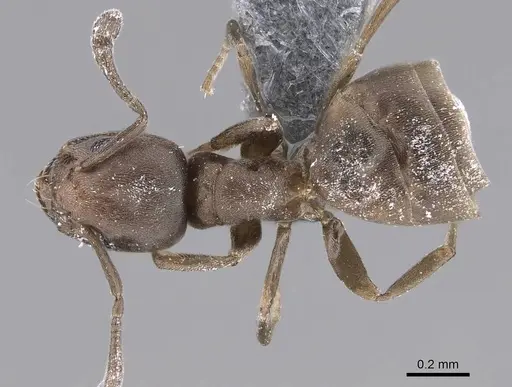
CASENT0822200
View on AntWeb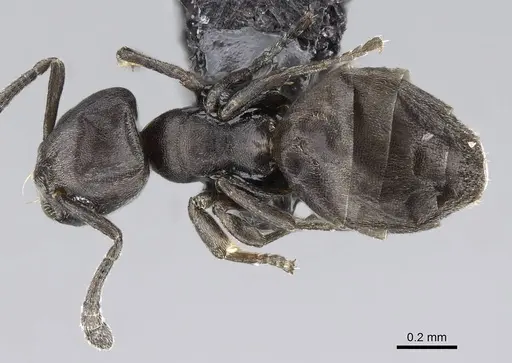
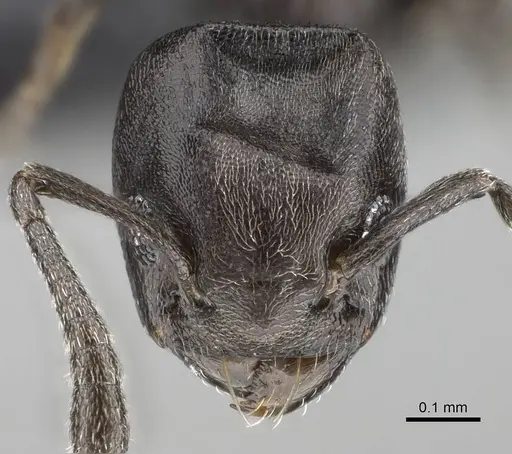
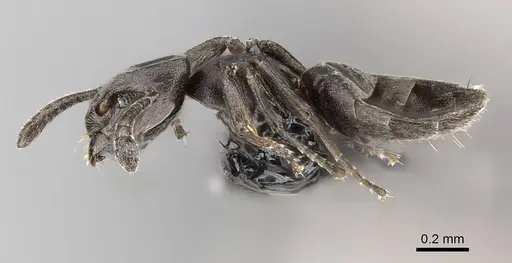
CASENT0822240
View on AntWeb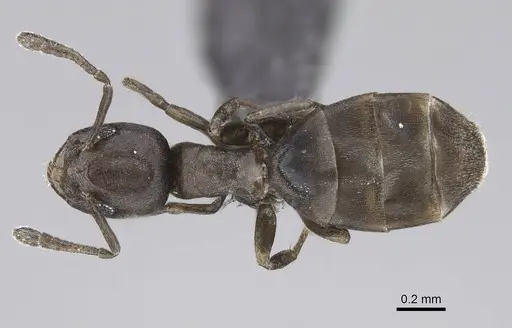
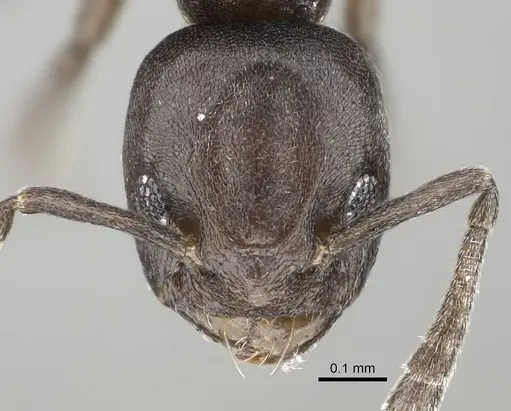
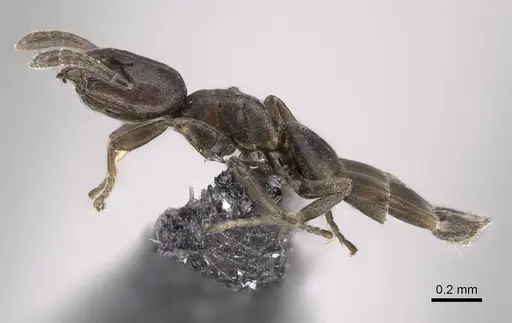
CASENT0903065
View on AntWeb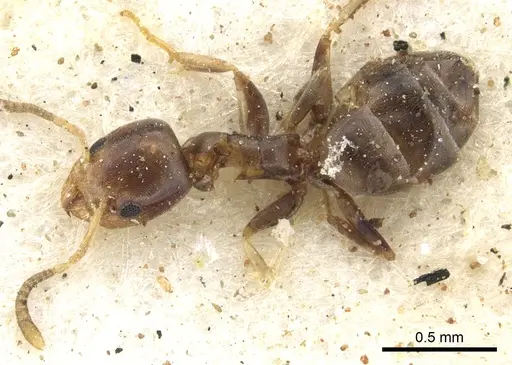
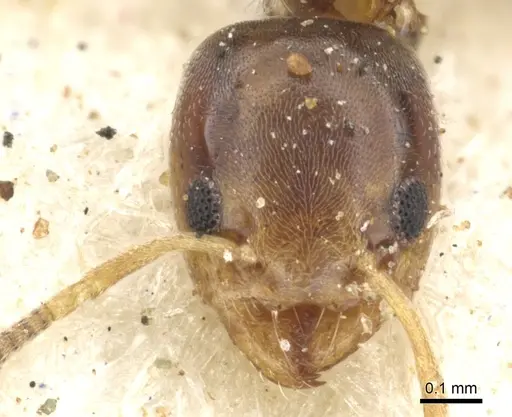
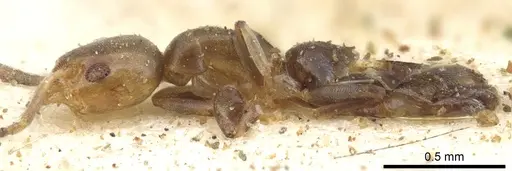
CASENT0903066
View on AntWeb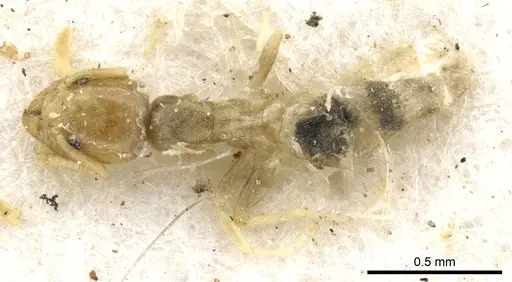
CASENT0909767
View on AntWeb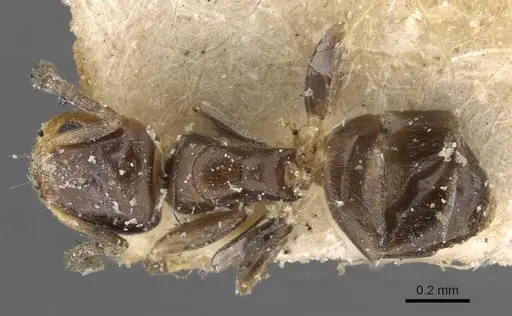
CASENT0911568
View on AntWeb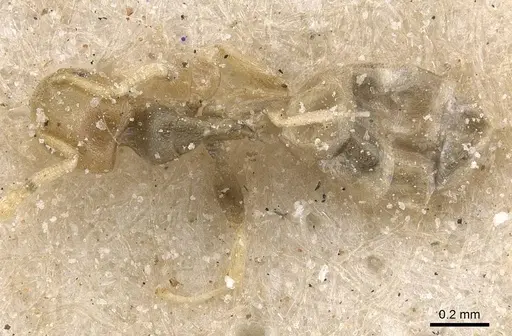
Literature
Loading...Loading products...